A Comet Is Coming. Whether You'll See It Is Another Story
A rare comet, C/2025 R3 (PanSTARRS), is passing Earth in April 2026, but visibility across Africa isn’t guaranteed. Here’s what to know and why it matters.
In many African traditions, the sky was never just decoration. Our ancestors read it the way we studied it for warnings, for seasons, for signs of what was coming.
The Dogon of Mali mapped stars that Western astronomers would not officially confirm for centuries.
Across the continent, the cosmos was an abstract entity. It was alive and it was always saying something.
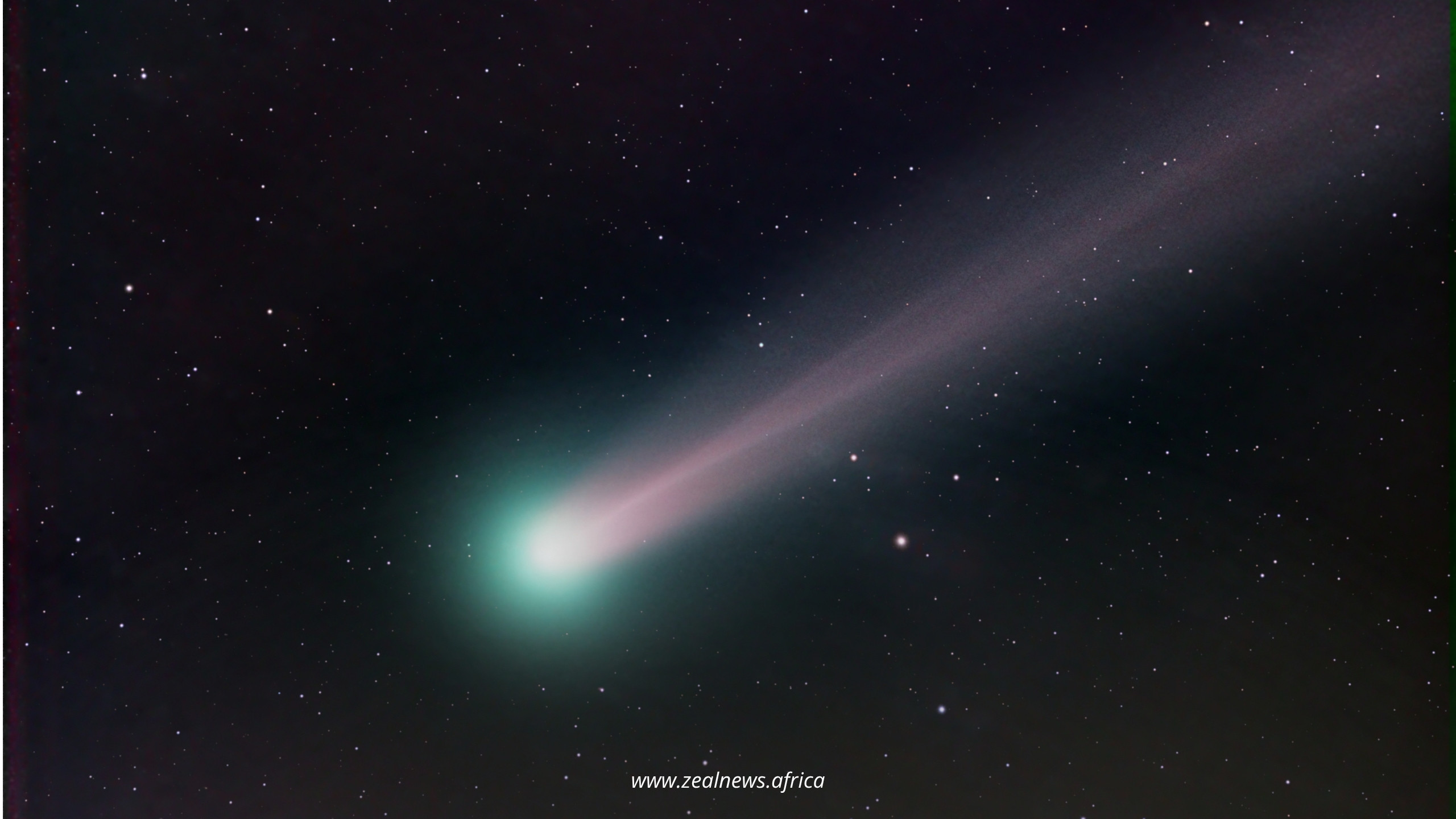
When scientists announce that a comet is moving fast toward Earth right now, in April 2026, it feels less like breaking news and more like a continuation of a very old conversation.
Comet C/2025 R3 (PanSTARRS) is one of the most significant celestial events of the year, and it is unfolding in real time, in the same sky that has watched over this continent for millennia.
The difference today is that we have telescopes, orbital calculations and astronomers who can tell us exactly when to look up. What they cannot tell us, with any certainty, is what we will actually see when we do.
Where Did This Thing Come From?
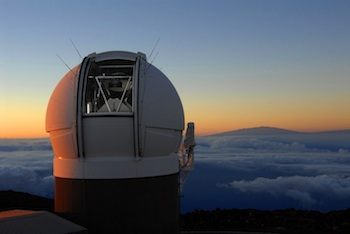
The comet was discovered on September 8, 2025, by telescopes at the PanSTARRS Observatory in Hawaii which led to its name.
However, its actual origin is far older and stranger.
The Oort Cloud, where this comet was born, is a vast, frozen shell of debris sitting at the outermost edge of our solar system. It is so remote that sunlight takes over a year just to reach it.
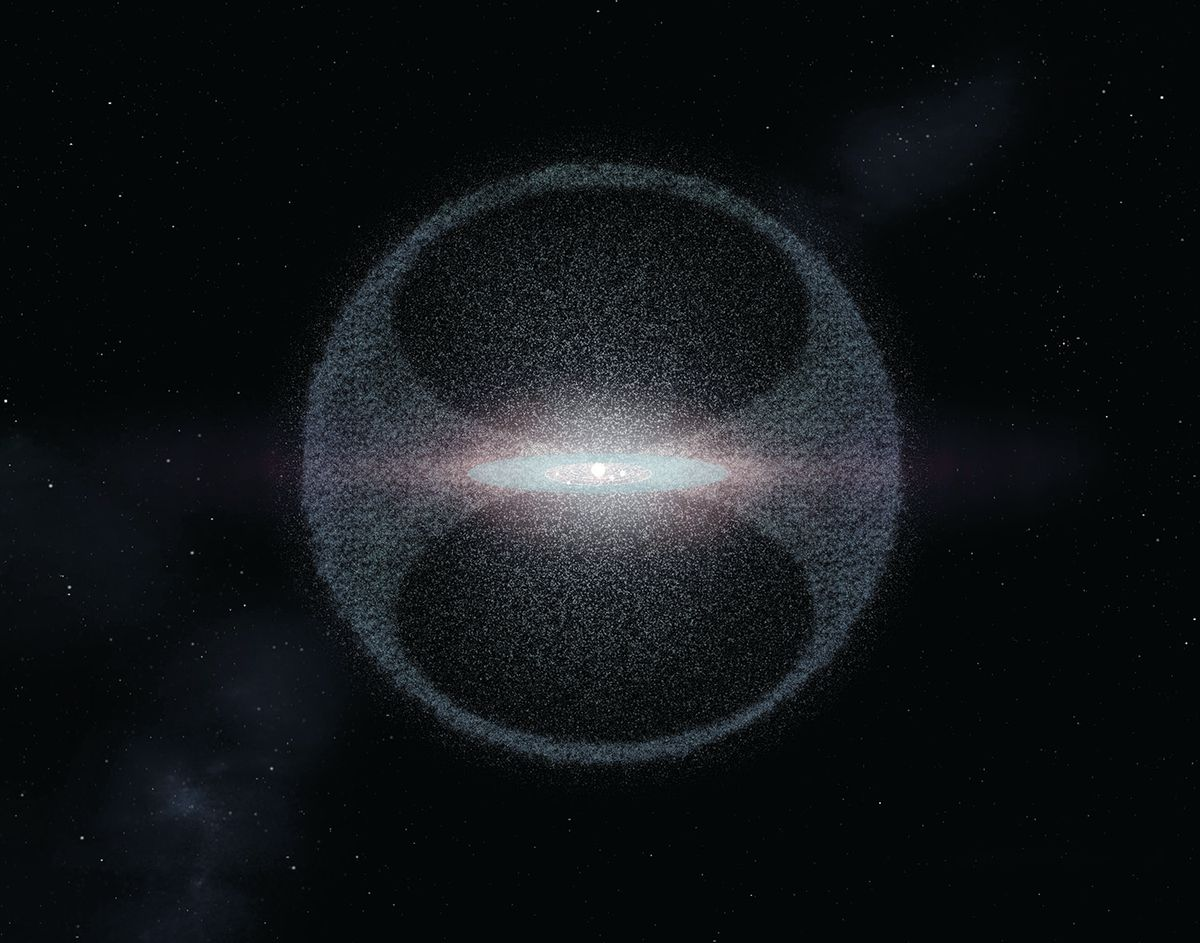
Scientists estimate it has been travelling for roughly 170,000 years to arrive at this moment.
To put that in context, the great kingdoms of the continent — Mali, Songhai, Great Zimbabwe — rose and fell entirely within the timeframe of this comet's approach.
It has been coming for all of recorded history, and it is finally here.
The Key Dates You Need to Know
This month is the whole show. On April 19–20, the comet reaches perihelion, its closest point to the Sun, passing within about 76 million kilometres of it, swinging past the orbit of Venus in the process.
One week later, on April 26–27, it makes its closest approach to Earth at roughly 71 million kilometres.
Peak brightness is expected somewhere in that window, which is both the most exciting and most uncertain part of this entire event.
Will You Actually Be Able to See It?
The question of whether you will see it or not depends.
Comet brightness is hard to predict and astronomers will be the first to admit it.
In the most likely scenario, PanSTARRS could reach a brightness comparable to the dimmer stars in the Big Dipper, visible to the naked eye from a dark location.
In the best case, an optical phenomenon called forward scattering, where sunlight bounces off the comet's dust at just the right angle, could make it appear up to 100 times brighter, briefly rivaling the planets.

However, there is also the Sun to contend with.
As the comet swings close to the Sun at perihelion, the heat could cause it to partially vaporize or break apart entirely.
Earlier this month, a different comet, the sungrazer A1 MAPS, was torn apart during its own perihelion passage. PanSTARRS is not immune to the same fate.
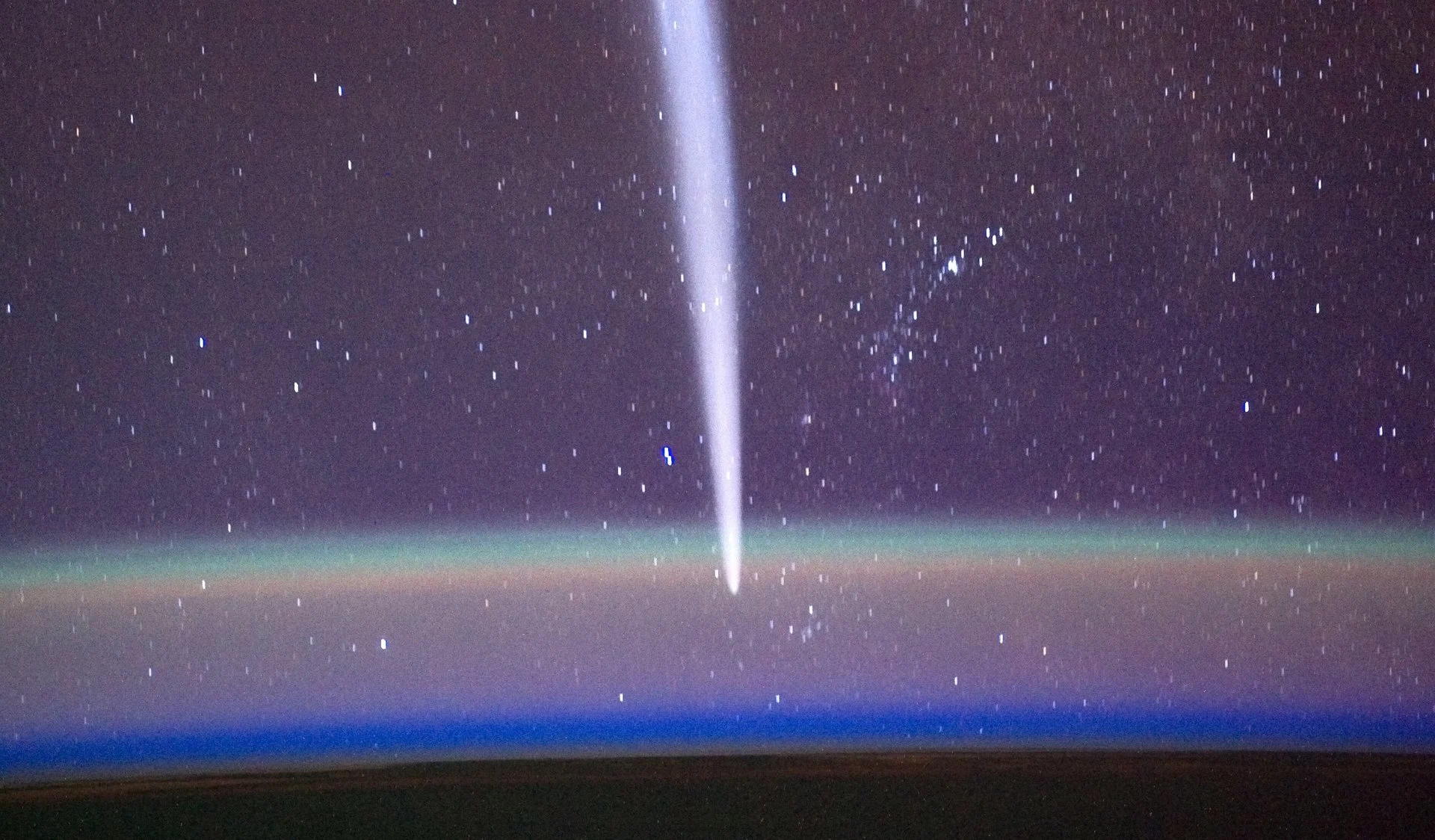
The universe, as ever, is not making promises.
Where and How to Look
For most of us on the continent, the Southern Hemisphere window is the more relevant one.
While observers in the Northern Hemisphere had their best chance in the pre-dawn skies of early to mid-April, Southern Hemisphere skywatchers, which includes most of Africa, get their turn from late April into early May, when the comet transitions to an evening object, appearing low on the western horizon after sunset before climbing gradually higher over subsequent nights.
The practical advice is simple. You just have to leave the bright city lights. Use binoculars if you have them. Also, use a stargazing app to track the comet's exact position — it moves noticeably from night to night as it crosses through different constellations.
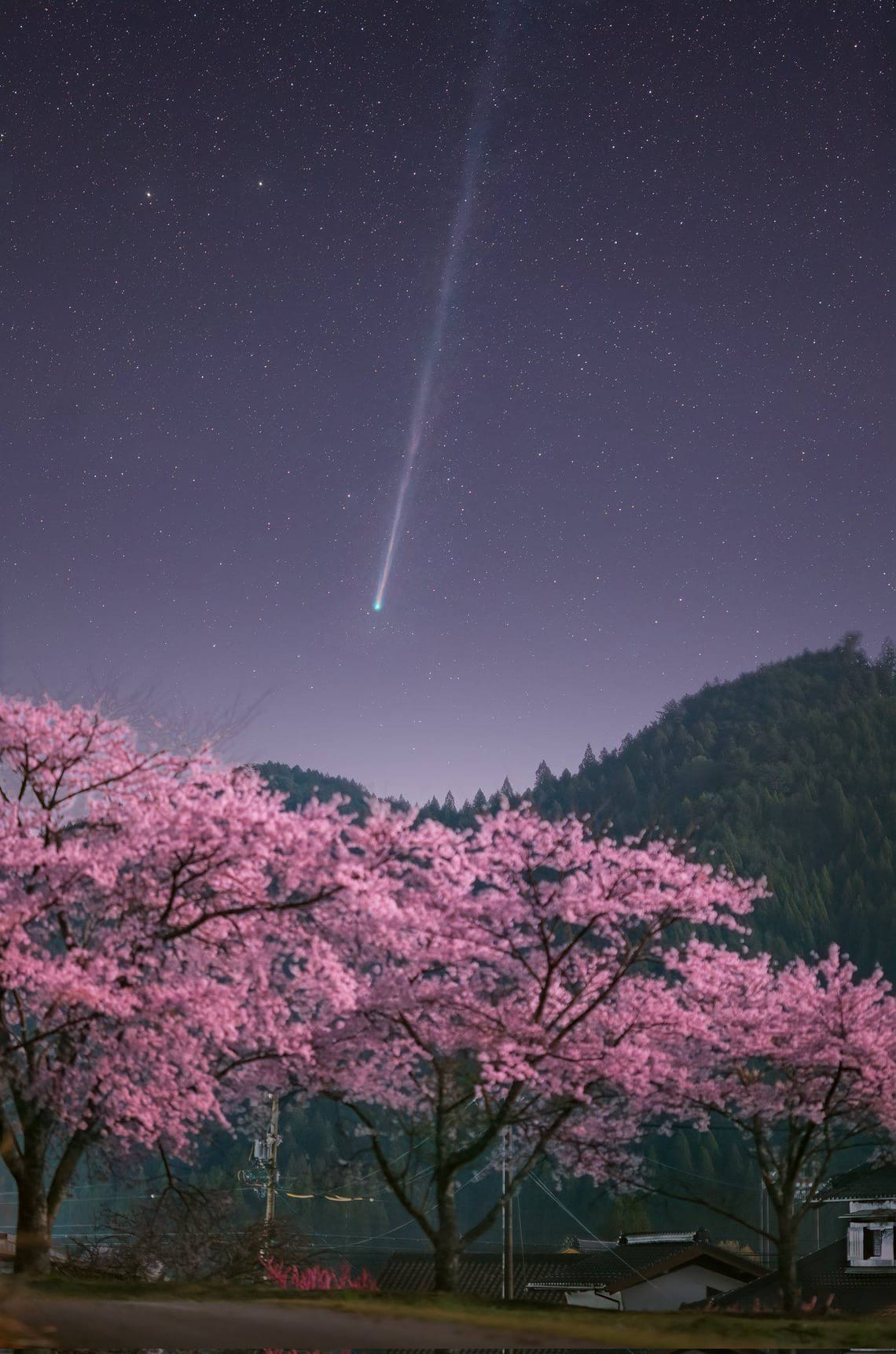
The comet will not look like a sharp, dramatic fireball. It will appear as a soft, diffuse glow, more like a smudge of light with a faint tail behind it.
Why This Matters Beyond the Spectacle
For scientists, this comet is more than a pretty sky event.
Long-period comets from the Oort Cloud carry some of the most pristine material from the early solar system, essentially cosmic time capsules that have been frozen and untouched for billions of years.
Studying how they respond to solar radiation as they approach the Sun gives researchers a window into the conditions that eventually produced Earth and everything on it.
One final detail to note is that this comet is likely on a hyperbolic orbit, meaning that after this pass, it will either be flung out of the solar system forever, or return on a timeline so vast that no human alive today will ever see it again.
Our ancestors looked up at this same sky and built entire knowledge systems around what they saw there. We have the tools now to know exactly what is up there and what it is doing.
The least we can do is look.