Children's Day in Nigeria: What We Owe Nigerian Children Beyond Celebrations
Nigeria marks Children’s Day 2026 amid renewed reflection on child safety, as the Oyo school kidnapping underscores the urgent gap between celebration and protection for Nigerian children.

Somewhere in Oyo State tonight, 39 children are sleeping, if they can sleep at all, in a place they did not choose, with people they did not invite into their lives.
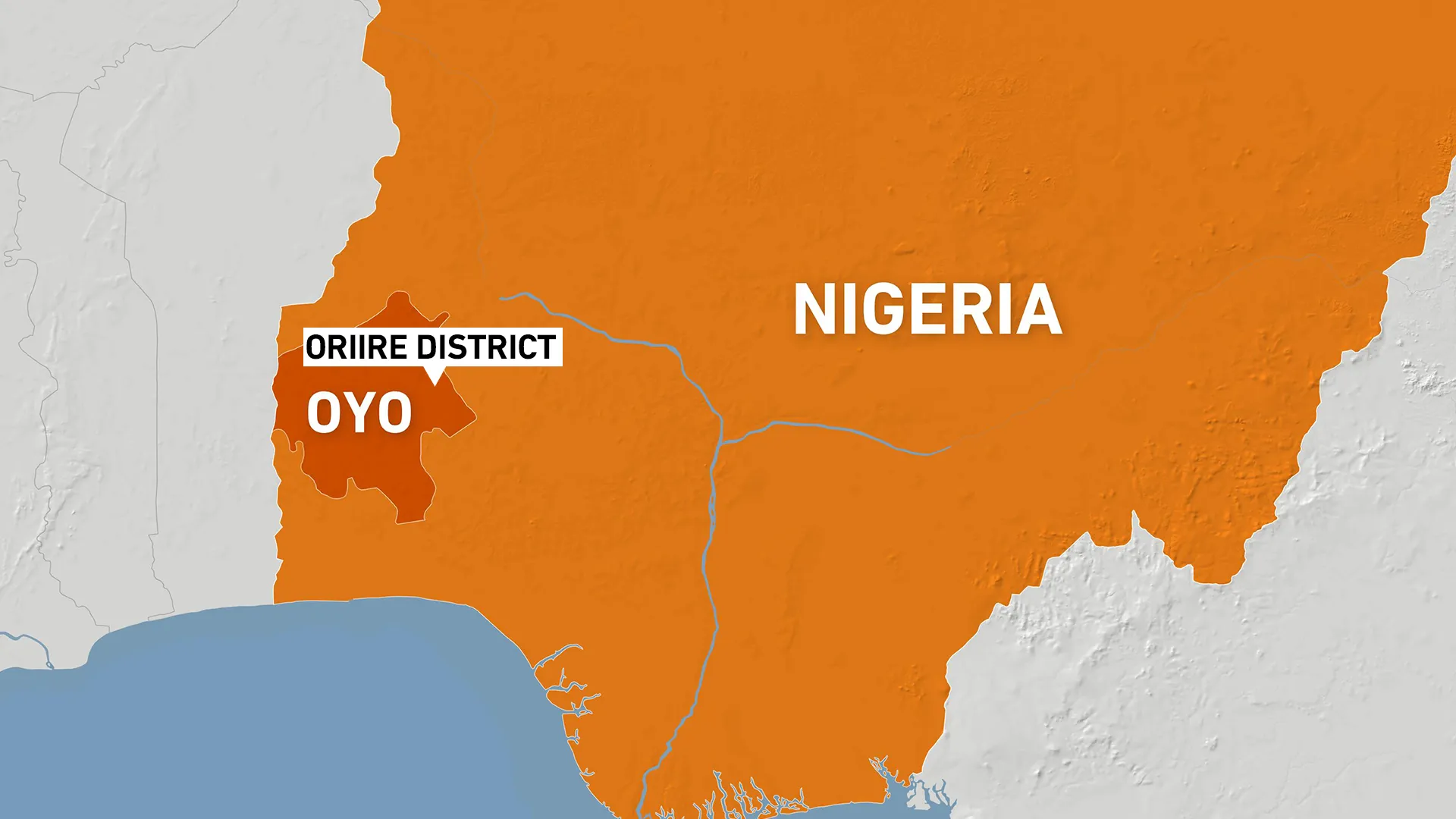
They were in school on the morning of May 15, 2026. By nightfall,armed men had taken them, along with seven of their teachers, from three schools in Ahoro-Esinele, Oriire Local Government Area.
A two-year-old girl is among them. Their mathematics teacher, Michael Oyedokun, was beheaded. And today, Nigeria is celebrating Children's Day.
This is not an argument against celebration. It is an argument for more.
The Origin of Children's Day in Nigeria: A Promise Made in 1964
The concept of a dedicated day for children stretches back to 1857, when a Massachusetts pastor held a church service specifically for young people. That small act of recognition became the force behind children’s day across the world.
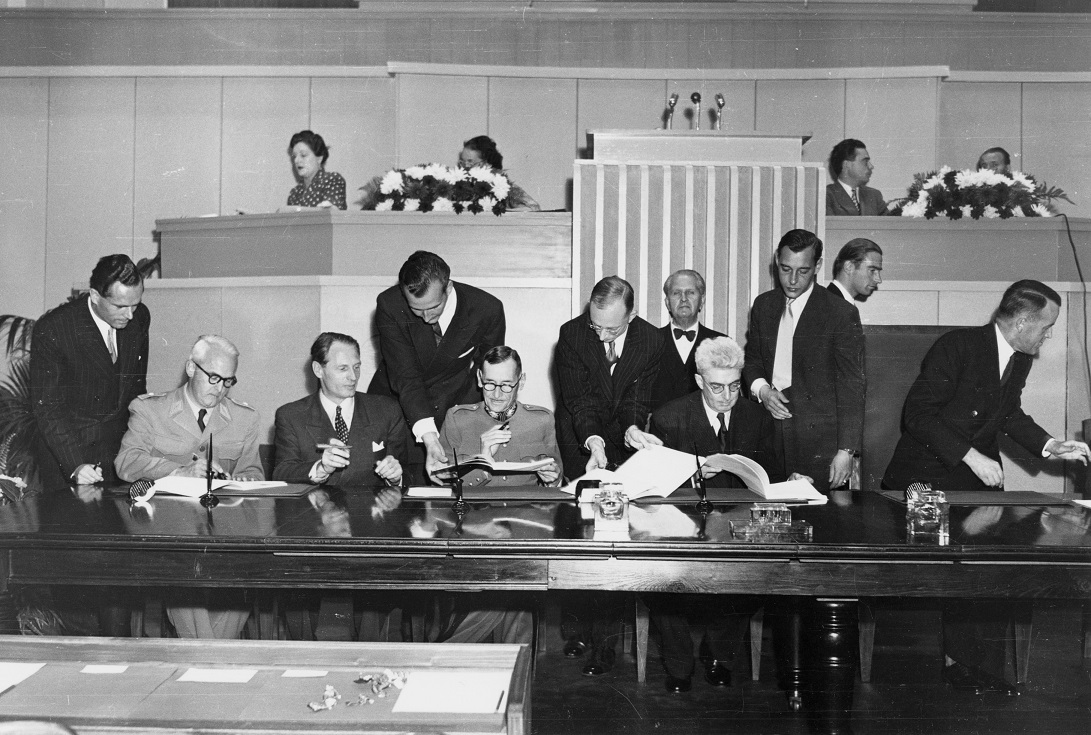
In 1925, the World Conference on Child Welfare in Geneva formalised the idea internationally, and in 1954, the United Nations General Assembly proclaimed that member nations should institute a universal Children's Daywhich should be rooted in two ideals: mutual understanding among children and collective action for their welfare.
Nigeria took the call seriously. In 1964, the federal government designated May 27 as Children's Day, and it has held that date ever since.
Though not a general public holiday for adults, it functions as a school holiday for primary and secondary students across the country.
Over the decades, the day took on its own cultural texture. Schools began converging at local stadiums, competing in military march parades with the best performance earning bragging rights for the year.
Government officials and media organisations began honouring children with brief leadership opportunities, and some radio and television stations let children anchor their programmes for the early hours of the day.

It is, in its spirit, a beautiful tradition. A nation pausing to say: you matter. The tragedy is what happens the other 364 days.
2026's Theme and What the President Had to Say
This year's National Children's Day carries the theme "Future Now: Promoting Inclusion for Every Nigerian Child." This is a phrase that reads like hope and lands like irony in the same breath.
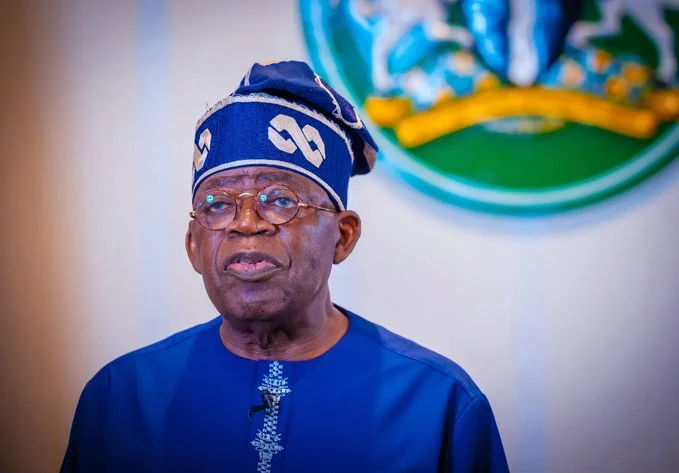
President Tinubu, represented at the Eagle Square celebration in Abuja by the Minister of Women Affairs and Social Development, Imaan Sulaiman-Ibrahim, told children that their voices, ideas and well-being are central to Nigeria's future, and that "your opinion matters, your ideas matter, your well-being matters" should not be treated as mere rhetoric.
He highlighted Renewed Hope Agenda programmes aimed at child welfare, including Nutrition 774, the Nigerian Education Loan Fund, STEM investment and the NEDI digital education platform.
Social Insight
Navigate the Rhythms of African Communities
Bold Conversations. Real Impact. True Narratives.
He also noted that the Child Rights Act is currently under review to strengthen its protections.
These are programmes that deserve acknowledgement. But a child sitting in captivity in Oyo State cannot access NELFUND. She cannot benefit from NEDI.
A government can announce programmes and still fail children in the most fundamental way, by not keeping them safe enough to use them.
The Oyo Kidnapping: Nigeria's Recurring Nightmare
On May 15, 2026, gunmen riding motorcycles descended on three schools in Ahoro-Esinele almost simultaneously — Baptist Nursery and Primary School in Yawota, Community Grammar School, and L.A. Primary School in Esiele.
They came during morning assembly, when the children were gathered and most vulnerable. Among the 46 abducted was a two-year-old girl. Michael Oyedokun, a mathematics teacher, was killed in captivity.

The Oyo incident revived painful memories of previous mass school kidnappings in Nigeria, including the Chibok, Kagara and Papiri abductions that shocked the country and attracted global condemnation.
It has become a pattern now, not an anomaly. Children have become a resource that armed groups know the Nigerian state will scramble, and often fail, to recover.
In the days following the abduction, parents across Oyo State began withdrawing their children from school, and schools in Iseyin and Ogbomoso reportedly shut down or closed early as fear of further attacks spread.
While speeches are delivered at Eagle Square, those 39 children are still not home.
What Nigerian Children Actually Deserve: Beyond the Parades
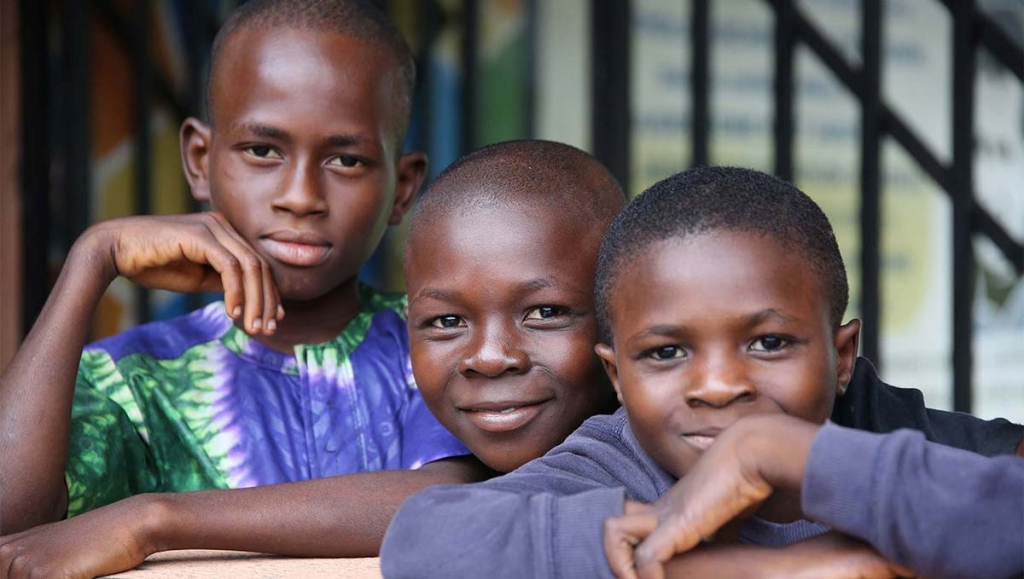
Nigerian children are extraordinary. They learn in underfunded classrooms, navigate infrastructural collapse with resourcefulness that should embarrass those in power, and still produce writers, scientists, athletes, and dreamers of global calibre.
They are already building a future under conditions no child should have to navigate.
What they deserve is not a better speech. They deserve school buildings that are secure enough that a parent can drop their child off without praying in tongues at the gate.
They deserve a government security architecture that treats the abduction of a two-year-old as a national emergency requiring full state mobilisation, not a regional tragedy managed at a distance.
They deserve for the Child Rights Act review Tinubu announced to result in implementation, not another document.
Children's Day in Nigeria has always been about more than celebration — it was always meant to be a moment of action. The children of Oyo State are still waiting for that action.
Social Insight
Navigate the Rhythms of African Communities
Bold Conversations. Real Impact. True Narratives.
They do not need a holiday. They need to come home.