From 95,000 to 39,000: How Nigeria's Economic Crisis Is Written in Its Hajj Numbers
Nigeria’s Hajj participation drops from 95,000 to 39,000 pilgrims as rising costs and economic pressures make the 2026 pilgrimage increasingly unaffordable, revealing deeper strains in the country’s economy during Eid-el-Kabir.
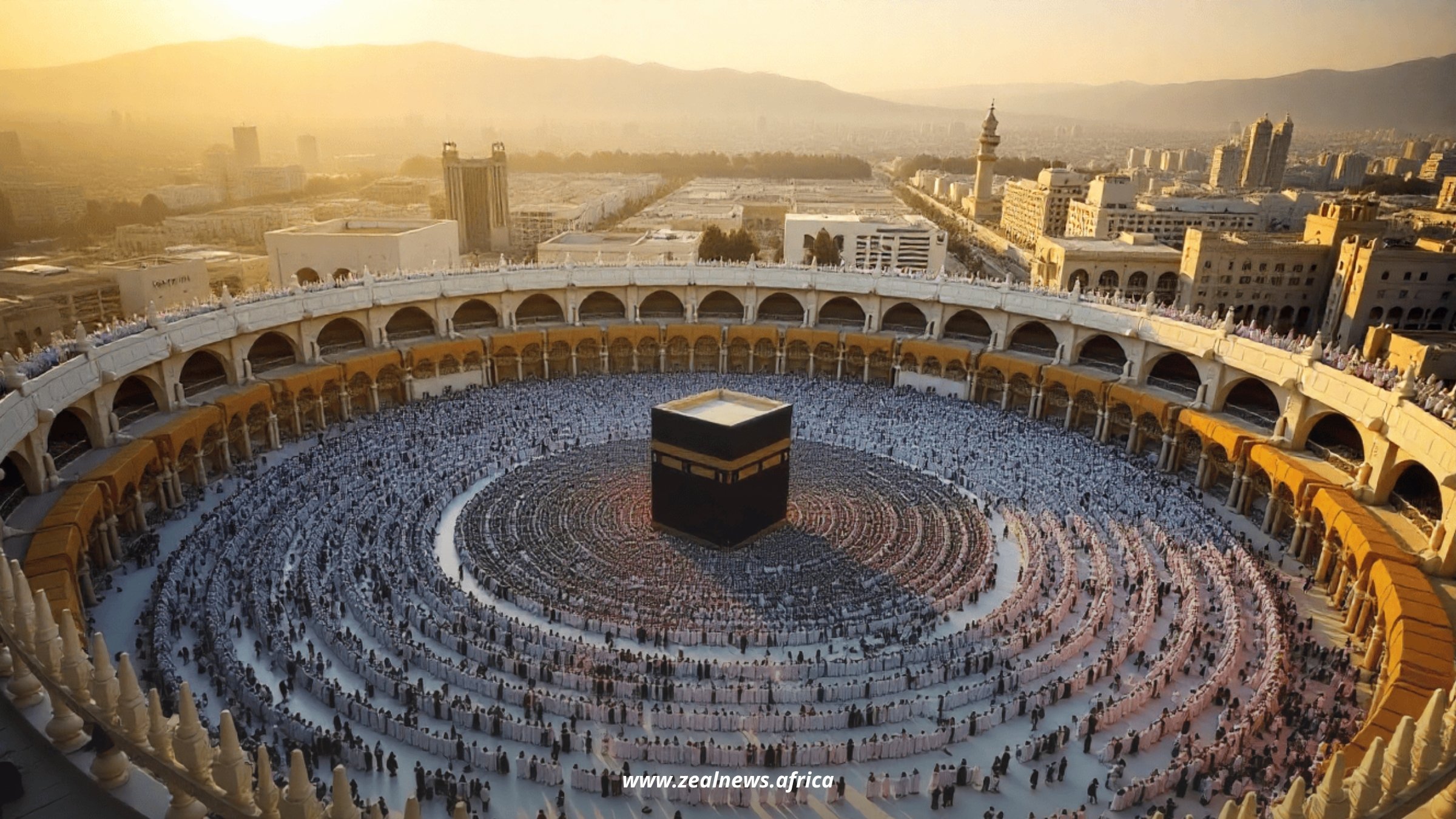
Today is Eid-el-Kabir. Across Nigeria, Muslims are waking up, pressing their finest agbadas and kaftans, slaughtering rams and calling family members they haven't spoken to since the last Sallah.
It is the Festival of Sacrifice, a commemoration of Ibrahim's willingness to give up the thing he loved most. Economically, in Nigeria's case, it is also becoming a measure of how much ordinary people have already given up just trying to survive.
This year, President Tinubu released an Eid-el-Kabir message declaring that "the walk through the dark tunnel is over, and the light is here." He spoke of reforms, of a stabilising economy and of a Nigeria on a journey of reconstruction and renewal.
It was a message about sacrifice leading to reward. However, the numbers from this year's Hajj tell a different story, one where the sacrifice is real and the reward is still pending.
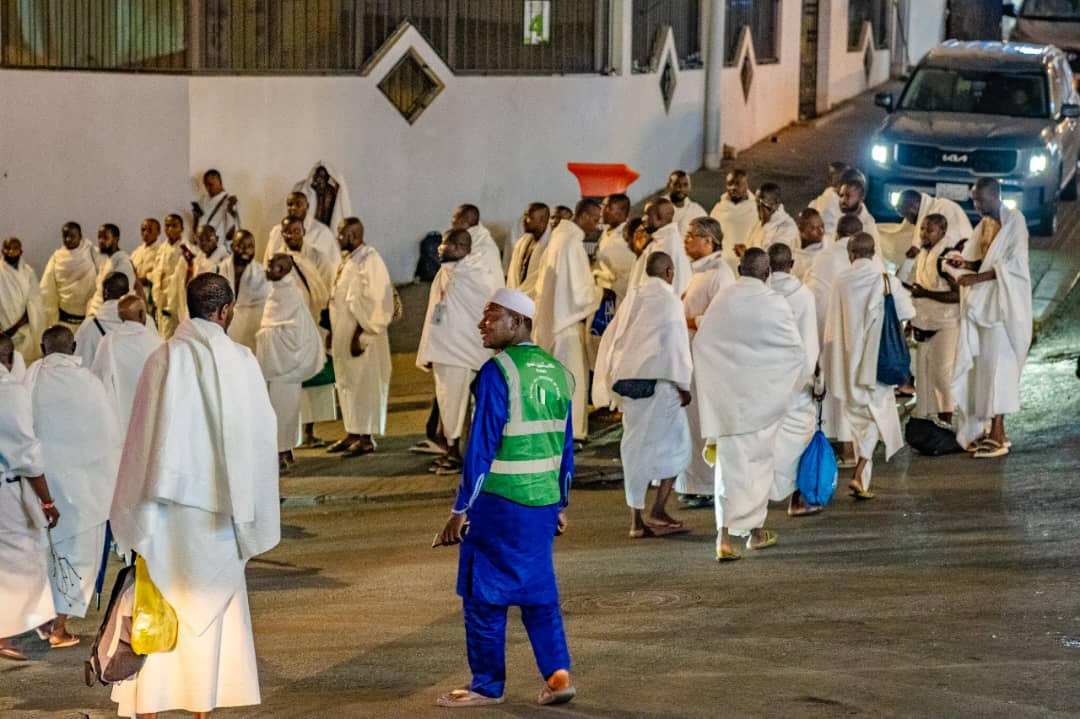
Nigeria Had 50,000 Hajj Slots. It Only Sent About 39,000 Pilgrims
Saudi Arabia allocated 50,000 Hajj slots to Nigeria for 2026. The National Hajj Commission of Nigeria (NAHCON) concluded the airlift with approximately 39,000 pilgrims under the government quota, and that number already excludes officials and operational support personnel. More than 11,000 slots went unfilled.
Some pilgrims couldn't travel due to deaths or illness after visas were issued, NAHCON confirmed. But those are few cases.
The bigger story is the structural one: Nigeria didn't have enough people who could afford to go.
The Decline in Numbers Is Not a Coincidence — It's a Trend
To understand how significant this is, you need to look at where Nigeria was just a few years ago.
In 2023, Nigeria sent a full contingent of 95,000 pilgrimswith every single slot filled. It was the first time in nearly a decade that Nigeria maxed out its Hajj quota.
The exchange rate was around N456 to the dollar, the Hajj fare was comparatively manageable, and Nigerian Muslims who had been saving for years finally made it to Makkah.
Then 2024 arrived. The Tinubu administration removed the longstanding subsidy that had allowed pilgrims to access a concessionary CBN exchange rate for their fares. The naira was now floating freely and it was sinking fast.
Hajj fees, which started at N4.9 million, were revised upward mid-registration. Final numbers came in at around 51,000 to 65,000, depending on whether you count private operators, out of the same 95,000 allocated slots.
By 2025, the naira had settled at roughly N1,650 to the dollar. Without the subsidy cushion, Hajj fares climbed to between N8.3 million and N8.6 million depending on your state.
Fewer than 60,000 pilgrims made the trip which is still 35,000 short of what Nigeria was allocated. Saudi Arabia noticed and they reduced Nigeria's quota.
That reduction is what brought us to 50,000 slots in 2026. And of those 50,000, only about 39,000 were filled.
The Cost of Getting to Mecca Is Now Out of Reach for Most Nigerians
The Hajj fare situation is interesting to observe. For the 2026 pilgrimage, NAHCON initially announced fares ranging from N8.1 million to N8.5 million.
After a presidential directive to reduce costs and some hard negotiations with Saudi service providers, the fares were slashed by about N760,000 to N792,000, bringing them down to roughly N7.6 million for northern pilgrims and N7.99 million for those departing from the south.
Even at the reduced rate, N7.6 million is not a small amount. At the current exchange rate, that is roughly $4,600 to $5,000 per person for the Hajj package, which covers flights, accommodation in Makkah and Madinah, ground transport, and feeding.
For context, the minimum wage in Nigeria is N70,000 per month. A Nigerian minimum wage earner would need to save their entire salary, without spending a single kobo on food, rent, or transport, for over nine years to afford Hajj at the 2026 rate.
Saudi Arabia Already Punished Nigeria for the Underutilisation

Nigeria's repeated failure to fill its quota has led Saudi Arabia to not just reduce the 2026 allocation from 95,000 to 50,000. They also cut Nigeria's Mashair camp space on the NUSUK portal to 66,910 slots, citing chronic underutilisation in 2024 and 2025.
This is the physical space reserved for Nigerian pilgrims at the holy sites. A country's Hajj influence, which is its diplomatic standing in the Muslim world, its logistical infrastructure, its pilgrimage economy, is partly tied to quota size.
Nigeria is now negotiating from a weaker position, and that negotiation will only get harder if the economic situation does not improve.
On Eid-el-Kabir, the Sacrifice Is Real — The Relief Is Not Yet
Tinubu said the dark tunnel walk is over. Maybe. But the data from Hajj 2026 suggests that for millions of Nigerian Muslims who have been saving to perform one of the five pillars of their faith, the tunnel walk is still very much at the beginning.
Eid-el-Kabir is supposed to be about abundance after sacrifice. In Nigeria right now, it feels like sacrifice after sacrifice, and the abundance keeps getting pushed further down the road.
The rams will still be slaughtered today. The prayers will still go up. But when a country that once sent 95,000 pilgrims to Makkah can barely fill 39,000 slots, the festival speaks louder than any presidential statement.