3 African Marriage Traditions That Challenge What You Know About Bride Price
Everyone knows about bride price, but what happens when the bride's family also has to bring gifts? These African marriage traditions tell a different story.
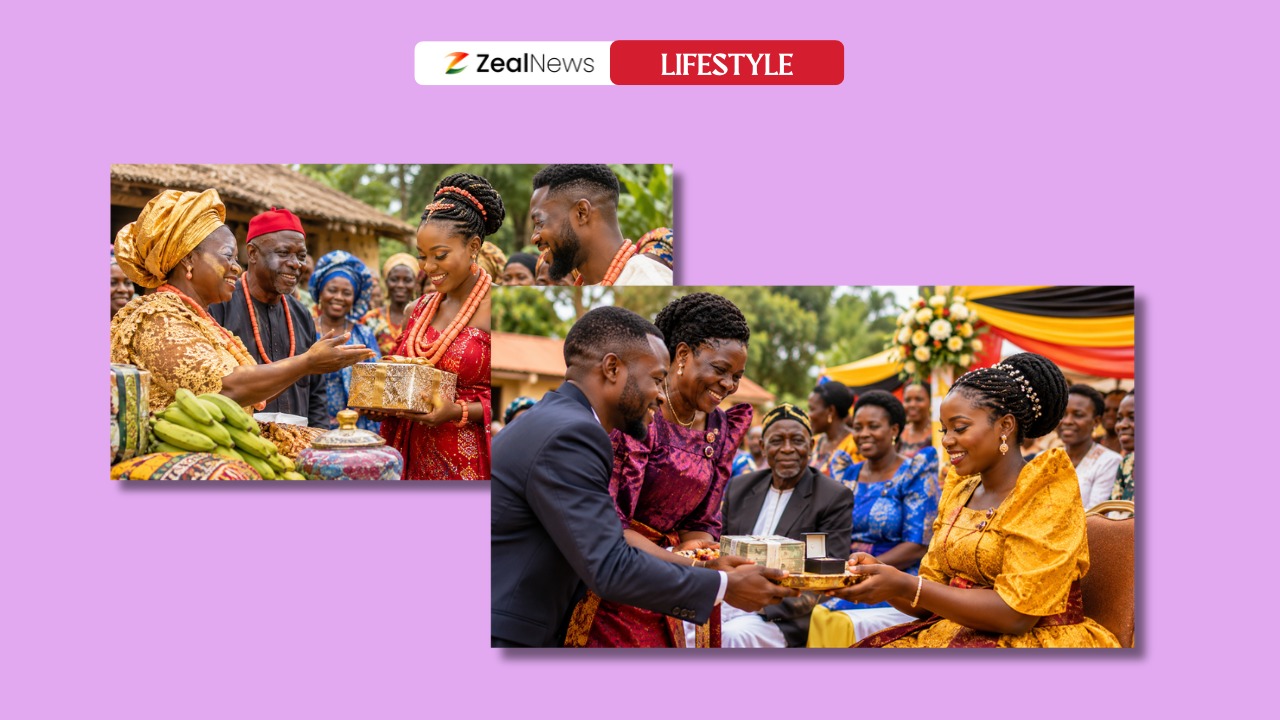
Imagine a man telling his girlfriend that he wants to marry her, only for her to reply, “No problem. Have you discussed the financial requirements with your family?” That's normal right?
Now imagine that after the man's family has spent weeks preparing money, drinks and gifts for the bride's family, the bride's family also arrives with its own collection of gifts.
At this point, you might start wondering who is marrying who.
Across Africa, marriage is rarely just a matter of two people falling in love, exchanging rings and saying “I do.” In many communities, families have to meet, negotiate, exchange gifts and fulfil certain traditional requirements before the marriage is recognised.
One of the most familiar practices is in different communities. Traditionally, the groom or his family presents money, livestock, drinks or other gifts to the bride's family.
But what happens when the bride's family also has financial responsibilities? What happens when the woman herself contributes money towards the ceremony? And are there African communities where women practically have to sponsor their own bride price?
Before you conclude that somebody has changed the marriage rules, here are three African marriage traditions that show things are not always as straightforward as they seem.
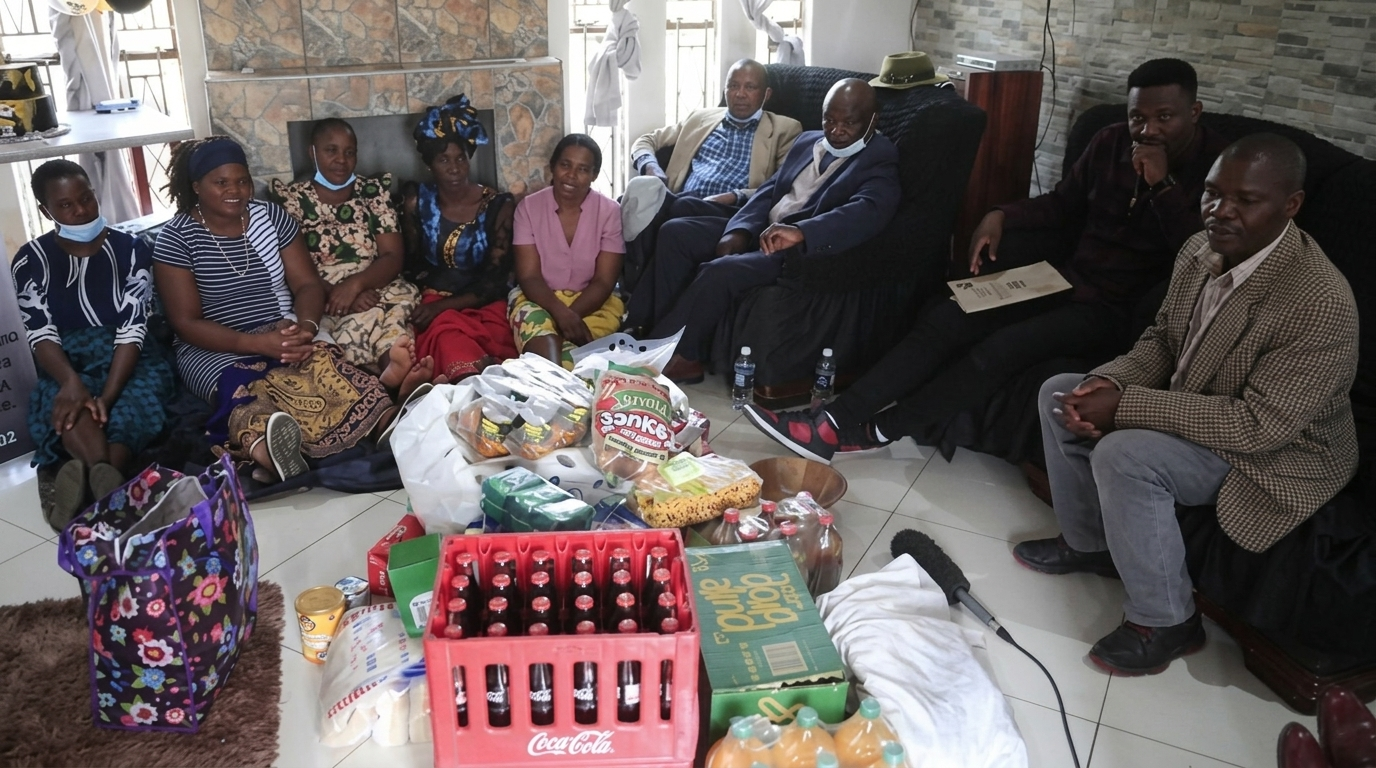
1. Uganda: When the Bride Helps Pay Her Own Bride Price
Social Insight
Navigate the Rhythms of African Communities
Bold Conversations. Real Impact. True Narratives.
In Uganda, getting married can involve more than finding a partner and informing your parents. In communities where the kwanjula ceremony is practised, the groom and his family are expected to visit the bride's family with gifts and other traditional requirements.
And these are not necessarily small requirements.
Depending on the family and community, the list can include money, livestock, furniture, refrigerators, televisions and even cars.

Basically, you might need to start preparing for marriage financially long before you start looking for wedding venues.
But here is where things get interesting.
Economic realities have made it increasingly difficult for some young men to meet the financial expectations surrounding marriage. Unemployment, rising costs and the pressure to organise an elaborate ceremony have forced some couples to find creative ways around the expenses.
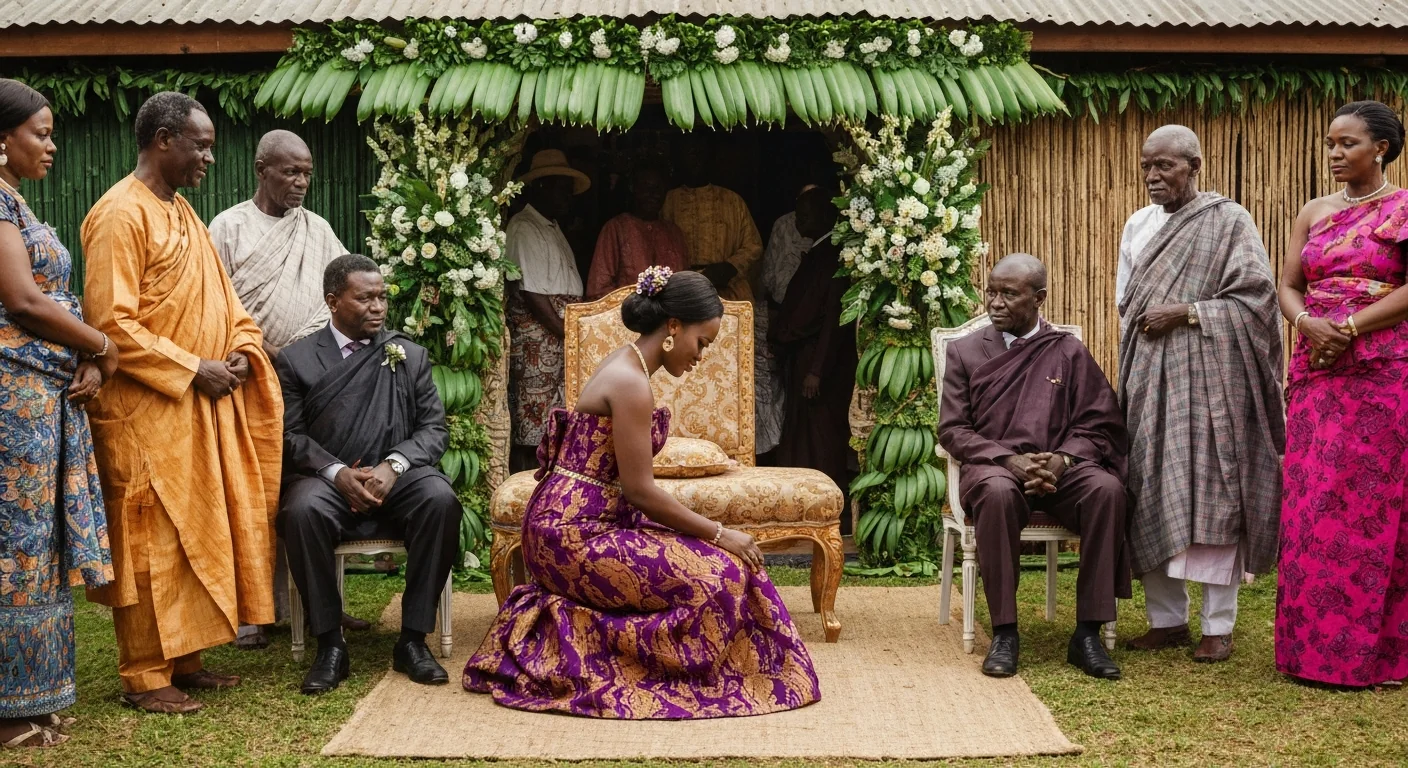
A 2024 anthropological study published in the Journal of the Royal Anthropological Institute examined how some Ugandan women contribute financially to their own bride-price ceremonies.
Yes, the women themselves.
Some contribute money to help their partners meet the traditional requirements because, apparently, love is beautiful, but the family has submitted a very long invoice.
Social Insight
Navigate the Rhythms of African Communities
Bold Conversations. Real Impact. True Narratives.
Now, this does not mean Uganda has introduced a system where women pay men to marry them. The traditional expectation is still that the groom's side provides bridewealth. However, some couples are sharing the financial burden behind the scenes.
And you have to wonder: if a woman is helping her future husband raise the money he is traditionally expected to provide, what exactly are we measuring with the ceremony?
2. Mozambique: The Bride's Family Also Has Gifts to Present
If you thought the groom's family was the only one expected to arrive with gifts, Mozambique has another interesting arrangement.
In parts of the country, particularly among communities where lobolo is practised, the groom's family presents money and gifts to the bride's family as part of the marriage negotiations.
Lobolo is more than a financial transaction. It is a traditional arrangement that recognises the marriage and establishes a relationship between the two families.

But the bride's family also participates in the exchange.
Research on marriage customs in rural Mozambique documents instances where the bride's family presents gifts to the groom's family. These may include clothing and other items given as part of the marriage arrangements.
Before anybody starts celebrating and declaring that Mozambique has introduced groom price, there is a difference.
The gifts from the bride's family are generally much smaller in value than the lobolo provided by the groom's family. The main bridewealth obligation still rests with the groom's side.
Social Insight
Navigate the Rhythms of African Communities
Bold Conversations. Real Impact. True Narratives.
So, no, this is not necessarily a case of both families exchanging equally expensive gifts until somebody goes bankrupt.
What makes the tradition interesting is that marriage involves contributions from both sides. The families are not simply spectators watching two people get married. They are actively participating in the process.
And considering how much some African families love to be involved in their children's marriage affairs, this probably does not surprise anybody.
3. Nigeria: The Bride's Family Also Has to Prepare Her for Marriage
Now, let's come home.
In many Igbo communities in southeastern Nigeria, the groom's family traditionally provides bridewealth during customary marriage negotiations.
However, the bride's family also has its own responsibility, and it involves preparing the daughter for her new home.
This practice is known asihe eji edu nwanyi ulo(often referred to simply as Idu Ulo or Idu Nwanyi Ulo), which roughly translates to the things used to accompany a woman to her husband's home.
Social Insight
Navigate the Rhythms of African Communities
Bold Conversations. Real Impact. True Narratives.
Traditionally, the gifts could include clothing, jewellery, cooking utensils and other household essentials. Today, depending on the family's financial capacity and expectations, the list can extend to furniture, refrigerators, televisions, cars and even houses.
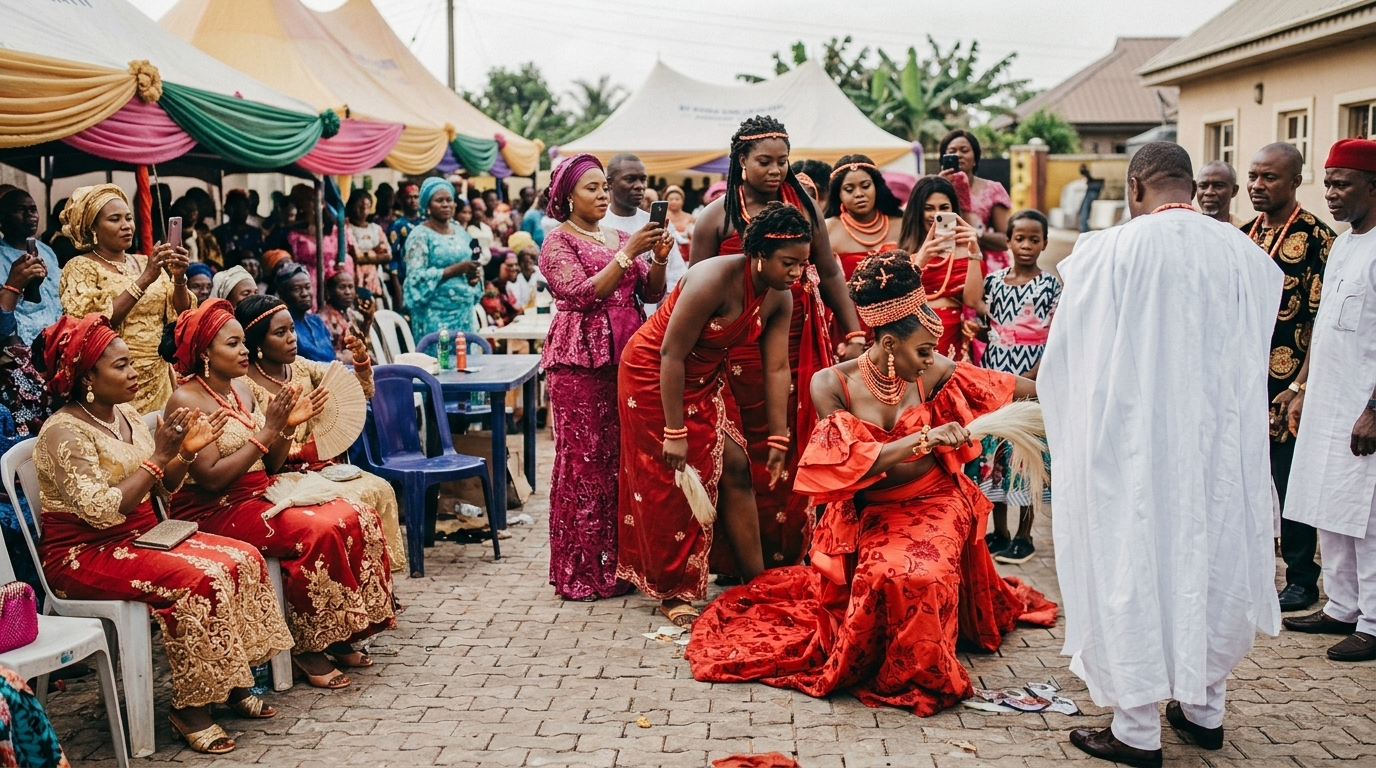
In other words, the bride's family might also have a shopping list to complete before the wedding.
The gifts are provided by the bride's family and friends to support her as she begins married life. They are not payments to the groom, nor are they the bride's family paying a groom price.
So, if anybody tells you that Igbo women traditionally pay men to marry them because their families provide gifts, you might want to ask them to explain the difference between equipping a daughter and purchasing a husband.
They are not the same thing.
So, Do African Women Pay Groom Price?
The short answer is that these three examples do not establish a widespread African tradition where women pay men to marry them.
Bridewealth remains a common marriage practice across many sub-Saharan African societies, although customs differ from one community to another.
There are also other arrangements, such as bride service, where a prospective groom works for the bride's family instead of presenting money or livestock.
Social Insight
Navigate the Rhythms of African Communities
Bold Conversations. Real Impact. True Narratives.
What these examples show is that African marriage traditions are not always as simple as the popular image of a man arriving with money while the bride's family sits down to collect.
Sometimes the bride contributes. Sometimes her family presents gifts. And sometimes both families have financial responsibilities that make the entire process look like a major project.
Perhaps the bigger lesson is that traditions are not completely disconnected from economic realities. As the cost of living rises and young people struggle financially, families and couples are finding different ways to navigate expectations that have existed for generations.
Because between the bride-price list, the drinks, the gifts, the ceremony and the wedding reception, marriage can become a serious financial undertaking.
Love may be free, but in some African communities, the family meeting has a budget. And somebody needs to start saving early.