Tunisia Just Eliminated a Disease Most People Have Never Heard Of
Tunisia just became the 31st country globally to eliminate trachoma, a bacterial eye infection that has blinded nearly two million people worldwide. Here's what the disease is, how Tunisia beat it, and what it means for the rest of Africa.

What if I told you there was a disease that has been quietly stealing people's sight for thousands of years?
This one doesn't make global headlines, trend or get the dramatic documentary treatment — yet it has blinded nearly two million people and is still active in dozens of countries today.
Meet trachoma and Tunisia just beat it.
On May 14, 2026, the World Health Organization officially validated Tunisia as having eliminated trachoma as a public health problem. It sounds like another random health victory, but it isn't.
This is the result of decades of deliberate, unglamorous, persistent public health work in a country that once had more than half its population infected with a disease that eats your eyesight from the inside out.
So What Exactly Is Trachoma?
Trachoma is a bacterial eye infection caused by Chlamydia trachomatis. It is, by WHO's own description, the world's leading infectious cause of blindness.
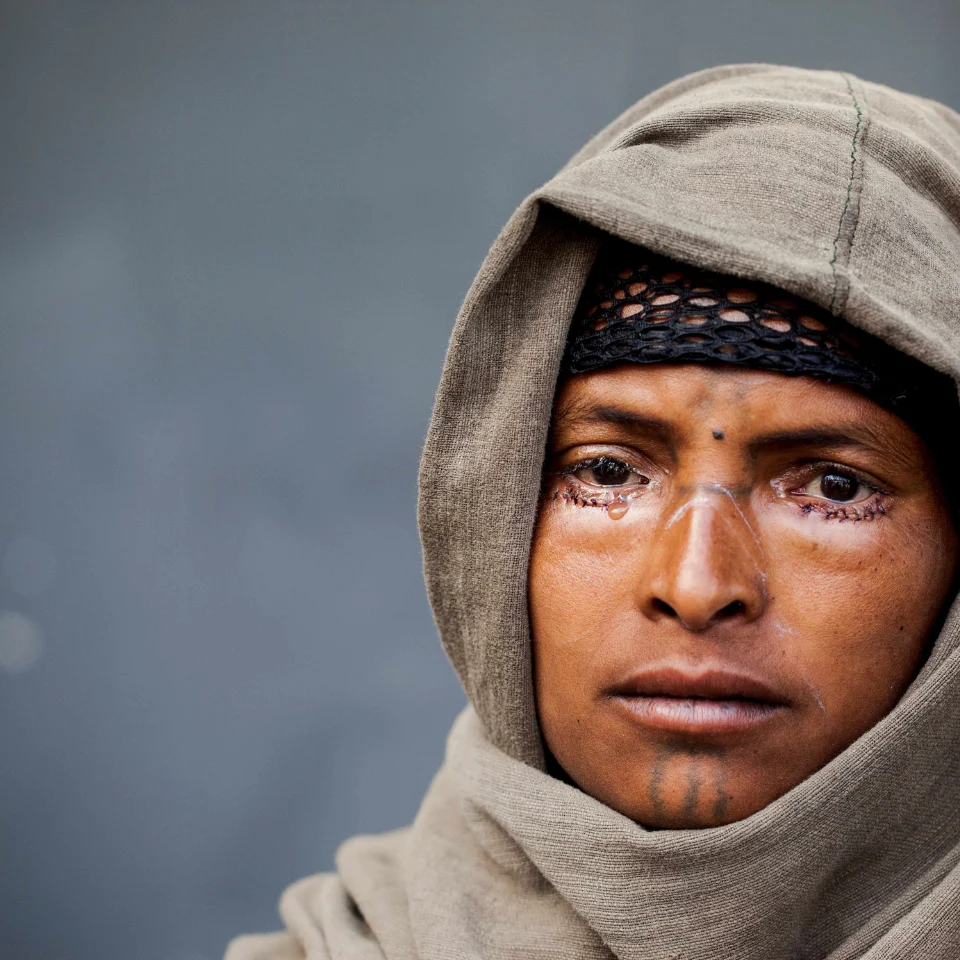
It is responsible for the blindness or visual impairment of roughly 1.9 million people globally, and as recently as late 2025, an estimated 97 million people were still living in areas where the disease is active and the risk of going blind from it is real.
The bacteria spread through contact with infected hands, shared clothing, bedding and most notably, flies that land on the discharge from an infected person's eyes or nose and then land on yours.
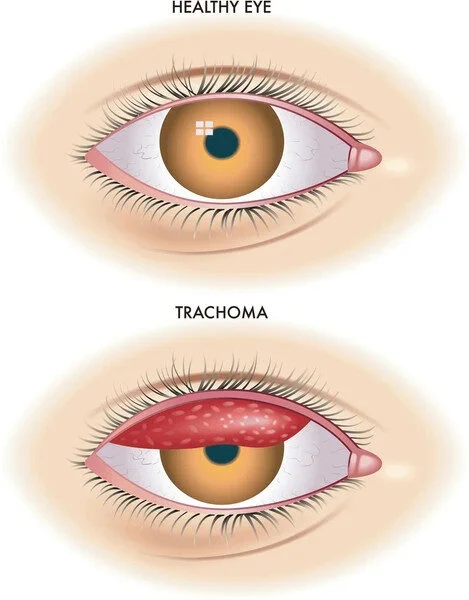
In communities where water is scarce, sanitation is poor, and households are densely crowded, the infection cycles through families over and over. Each reinfection causes more inflammation.
Over years, that inflammation scars the inner eyelid. The scarring eventually pulls the eyelashes inward so they scratch the surface of the eye with every blink. Imagine that.
Every single blink, your own lashes scraping across your cornea. Left untreated, that corneal damage becomes permanent vision loss. Blindness from trachoma is irreversible.
It gets worse when you know that women are blinded by trachoma up to four times more often than men, largely because caregiving roles mean they have the closest and most frequent contact with infected children.
It is a disease that punishes poverty and punishes women for the care work they already disproportionately carry.
Why Tunisia Specifically?
Tunisia is not a country most people would associate with a major disease burden. It is a middle-income North African country with a relatively functional health system.
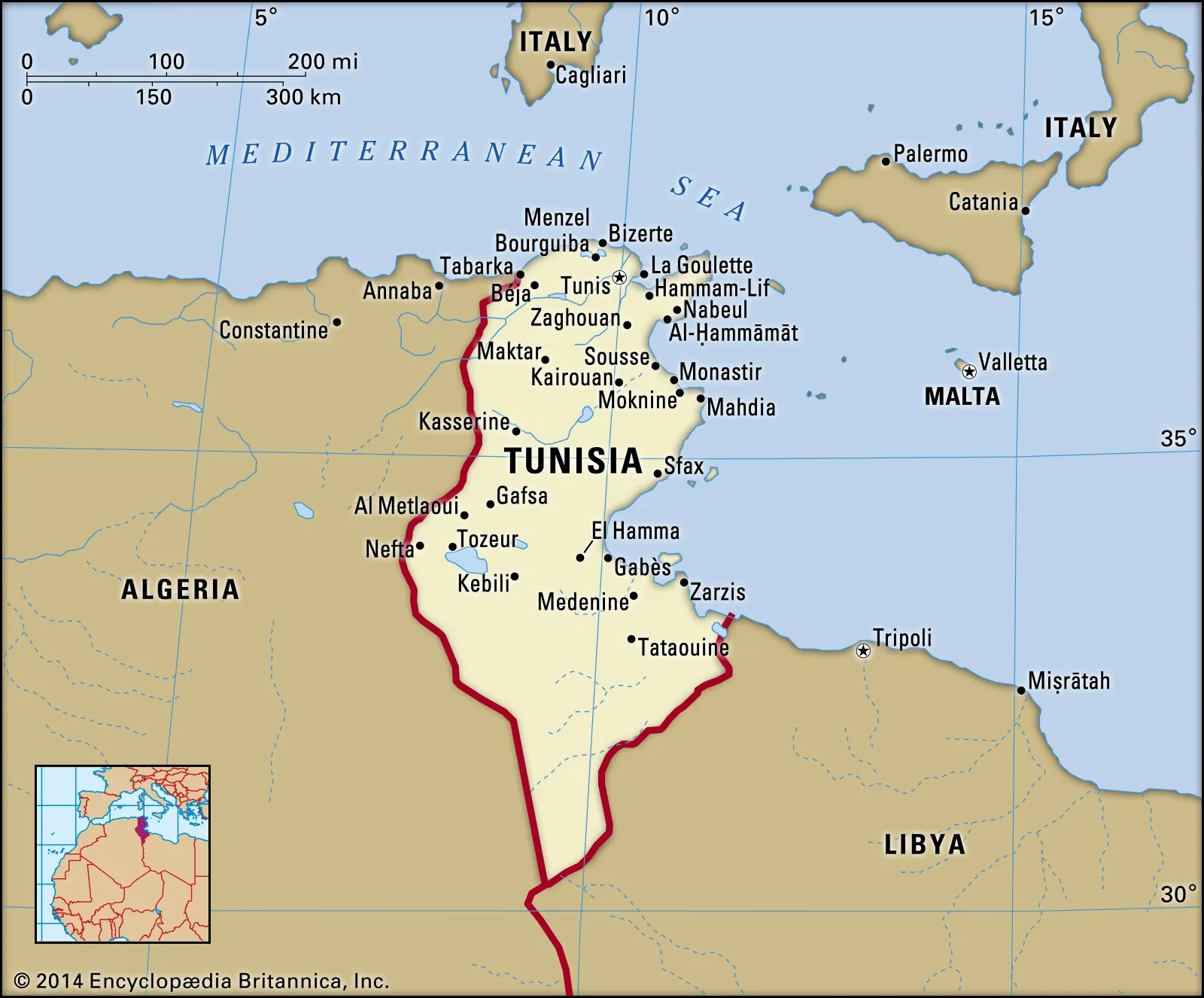
However, there is context where geography and history exist. In the early to mid-20th century, trachoma was endemic across the country, and it was not marginal.
It affected at least half of Tunisia's population, with the southern regions hit hardest. The south is arid, rural, and historically underserved in terms of clean water access and sanitation infrastructure. Those are exactly the conditions where trachoma thrives.
Africa, broadly, remains the most affected continent on earth for trachoma. The disease is hyperendemic across large stretches of sub-Saharan Africa, the Sahel, and East Africa.

In 2016 alone, over 247,000 people in Africa's WHO region underwent surgery for trachoma complications, accounting for 95% of all such surgeries globally that year.
Nigeria, Ethiopia, Sudan are still in the thick of it.
How Tunisia Did It
Tunisia's path to elimination was not an overnight thing. It required a full national commitment to the WHO-recommended SAFE strategy.
Surgery for people who had already developed the inward-turning eyelash stage; Antibiotics to clear active infections; Facial cleanliness campaigns to break transmission; and Environmental improvement, meaning serious investment in water access and sanitation infrastructure.
These four pillars had to work together. Any visible gap and the cycle restarts.
Beyond SAFE, Tunisia integrated eye care into primary healthcare and school health programmes, ran nationwide screening and treatment campaigns, and built community-level hygiene promotion into public health infrastructure.
The Ministry of Health led from the front, with WHO and partners providing technical support. Crucially, Tunisia also built a post-validation surveillance system so that even now, if the disease starts creeping back, it gets caught early.
Why This Matters for the Rest of the Continent
Tunisia is the 31st country globally to be validated for trachoma elimination and the 14th in the Eastern Mediterranean Region to have beaten at least one neglected tropical disease.
Several African countries have already joined that list: Ghana, Senegal, Gambia, Mali, Benin, Malawi, and others have been validated. But plenty more, particularly in central and eastern Africa, are still fighting.
The lesson from Tunisia is methodical. Long-term political commitment; functional primary healthcare; real investment in water and sanitation in the communities that need it most.
It is the kind of unglamorous, multi-decade grind that absolutely saves lives and eyesight.