High Heels Were Invented for Men, Not Women: The Shocking History Behind the Shoe
High heels weren’t invented for women, they began as practical tools for male soldiers and nobles. Discover the shocking history behind the shoe.
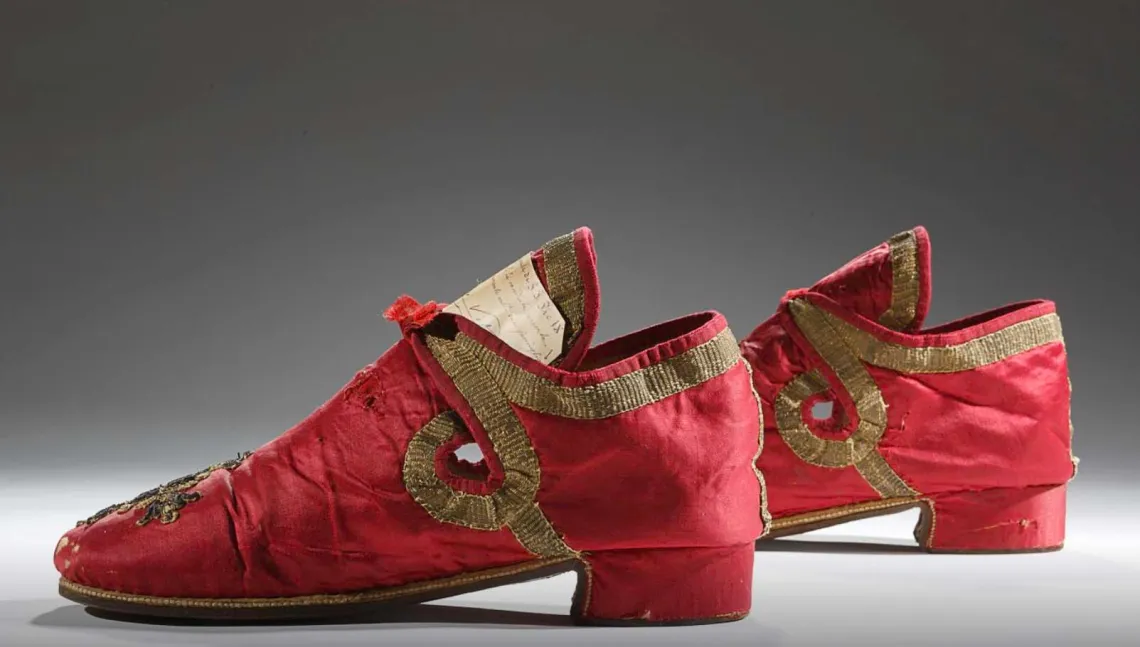
When most people think of high heels today, images of women in stilettos immediately come to mind—walking red carpets, navigating office corridors, or posing for fashion shoots. We associate heels with femininity, elegance, and sometimes power. But what if I told you that high heels were originally invented for men, and not for fashion, glamour, or female empowerment? Their story spans continents, centuries, and social hierarchies, and it reveals far more than just a curious sartorial quirk: it is a window into gender, power, and culture itself.
The Birth of the Heel: From Battlefield to Courtroom
High heels first appeared in 10th-century Persia, not Europe, and not on women. Persian cavalry soldiers wore heeled shoes to stabilize their feet in stirrups, giving them better control while riding horses and shooting arrows. This practical design gave Persian horsemen a strategic advantage in combat.

Photo Credit: Shoegazing |Persian cavalry soldiers wore heeled boots starting around the 10th century to securely grip their stirrups, which provided better stability and allowed them to stand in the saddle to shoot arrows more accurately
By the late 16th century, high heels had travelled to Europe, where male aristocrats quickly adopted them as status symbols. Wealthy men, including King Louis XIV of France, elevated their height with heels, often elaborately decorated in bright red leather, a colour reserved for the elite. Louis XIV’s red-heeled shoes became a symbol of royal authority and dominance, famously restricted to courtiers and those he favoured.

Photo Credit: Google | King Louis wore high-heeled shoes, particularly red-heeled shoes ("talons rouges"), as a status symbol to appear taller and project an image of power and wealth.
In Venice and other European cities, heel height became a marker of class, with men’s heels sometimes reaching five inches or more. The taller the heel, the higher the status. In these early days, the heel was a weapon of social signaling, demonstrating wealth, power, and rank.
From Male Authority to Female Fashion
High heels were firmly masculine until the 17th and 18th centuries, when cultural shifts began to assign them to women. Several factors contributed to this transition:
Changing male fashion: Men’s clothing gradually became more practical and less ostentatious, favouring boots and functional shoes over extreme heels.
Courtly influence: Women of European aristocracy began adopting heels to elevate their stature during balls, ceremonies, and portraits. Being taller added an air of elegance and sophistication.
Sexualized symbolism: Over time, heels became coded as a symbol of feminine allure, heightening perceived curves and posture.
History
Rewind the Stories that Made Africa, Africa
A Journey Through Time, Narrated with Insight.
By the 19th century, high heels were largely a women’s fashion accessory, while men mostly abandoned them except for ceremonial purposes. Yet the origins of the heel as a male tool of power remain largely forgotten in popular imagination.

Photo Credit: Shoegazing | Here from the early 18th century where men’s heels became sturdier, to distinguish them from women’s neater heels.
Global Perspectives on Heels
High heels did not emerge in isolation. Around the world, footwear has historically been tied to function, status, and culture:
Japan: Platform sandals (geta) were worn by both men and women, primarily to keep feet above dirt, mud, or water. Higher platforms often indicated higher social rank.
China: Foot binding for women in the Ming dynasty created an extreme form of footwear-related body modification designed to enhance aesthetic appeal, highlighting cultural differences in foot symbolism.
Europe: Heels among men were not just decorative—they were practical for horseback riding and ceremonial display. The combination of function and social signaling illustrates the dual nature of early footwear.
These examples underscore that what we think of as purely aesthetic choices often have roots in utility, social hierarchy, and power dynamics.
Heels, Power, and Workplace Culture
High heels today are a cultural battleground. In offices, heels can signal professionalism and confidence—but often at the cost of comfort and health. High-profile debates have erupted over dress codes:
In 2016, France laid a proposal to ban mandatory high heels for women in the workplace, calling such rules “a humiliation” and a “health hazard” but no law was passed.
In the United States, some professional sectors still implicitly pressure women to wear heels to convey authority or elegance, despite rising awareness of the physical toll.

Photo Credit: Zeal News Africa(X)
Statistical Snapshot: Who Wears Heels, and Why
Europe & North America: Studies suggest 70–80% of women wear heels at least occasionally, mostly in professional or formal settings.
Global orthopedic impact: Approximately 65% of adult womenreport foot or lower-limb pain attributed to footwear, with high heels as a significant factor.
Economic lens: The high-heel industry contributes billions annually to the fashion economy, illustrating how cultural pressures translate into market demand.
These numbers reveal the enduring cultural, economic, and physical impact of a design that began centuries ago for entirely different reasons.
Cultural Significance Beyond Fashion
High heels are more than shoes; they are cultural artifacts. They reflect social hierarchy, gender norms, and power dynamics over centuries. From Persian battlefields to French courts, from Japanese platforms to modern fashion runways, the heel has been a barometer of society:
Power and status: Taller = more authority, visible in both men’s and women’s heels.
Gender norms: Transitioning from male utility to female fashion reflects shifting cultural expectations.
Health trade-offs: Pain and injury are not new consequences—they are inherited from centuries of symbolic design.
Modern Reclamation
Today, some women reclaim high heels as symbols of empowerment, choosing to wear them on their own terms. Others reject them entirely, favoring comfort, safety, and authenticity. Designers have also introduced ergonomic heels, blending aesthetics with foot health.

The history of the high heel reminds us to interrogate fashion norms: what we wear, why we wear it, and who originally benefited from its design. Understanding the origin allows women to make informed choices, whether to wear, modify, or discard the heel entirely.
Conclusion: A Shoe That Walks Through Time
High heels were never inherently feminine. They began as practical tools for men, evolved into markers of aristocratic power, and eventually became fashion accessories for women, laden with cultural expectations and physical costs.

Photo Credit: Pinterest |A pair of heels for women
This journey from battlefield to ballrooms to boardrooms illuminates broader patterns in history: how objects, practices, and norms can shift gendered meaning over time. High heels are a vivid reminder that what we often take as “normal” may have origins we never imagined—and those origins continue to shape who benefits, who suffers, and who decides what is acceptable.
History
Rewind the Stories that Made Africa, Africa
A Journey Through Time, Narrated with Insight.
By tracing the history of the heel, we uncover a story of power, gender, culture, and choice—one that walks literally and metaphorically across centuries, and invites us to ask: When we wear our history on our feet, are we standing for ourselves, or for the world that came before us?
(Feature image Credit: Shoegazing)