Dollar Pricing in Nigerian Fashion: What the Law Says vs. What Brands Do
A deep dive into why Nigerian fashion brands price in dollars despite laws mandating the naira, and what this tension reveals about enforcement, economics, and exclusivity.
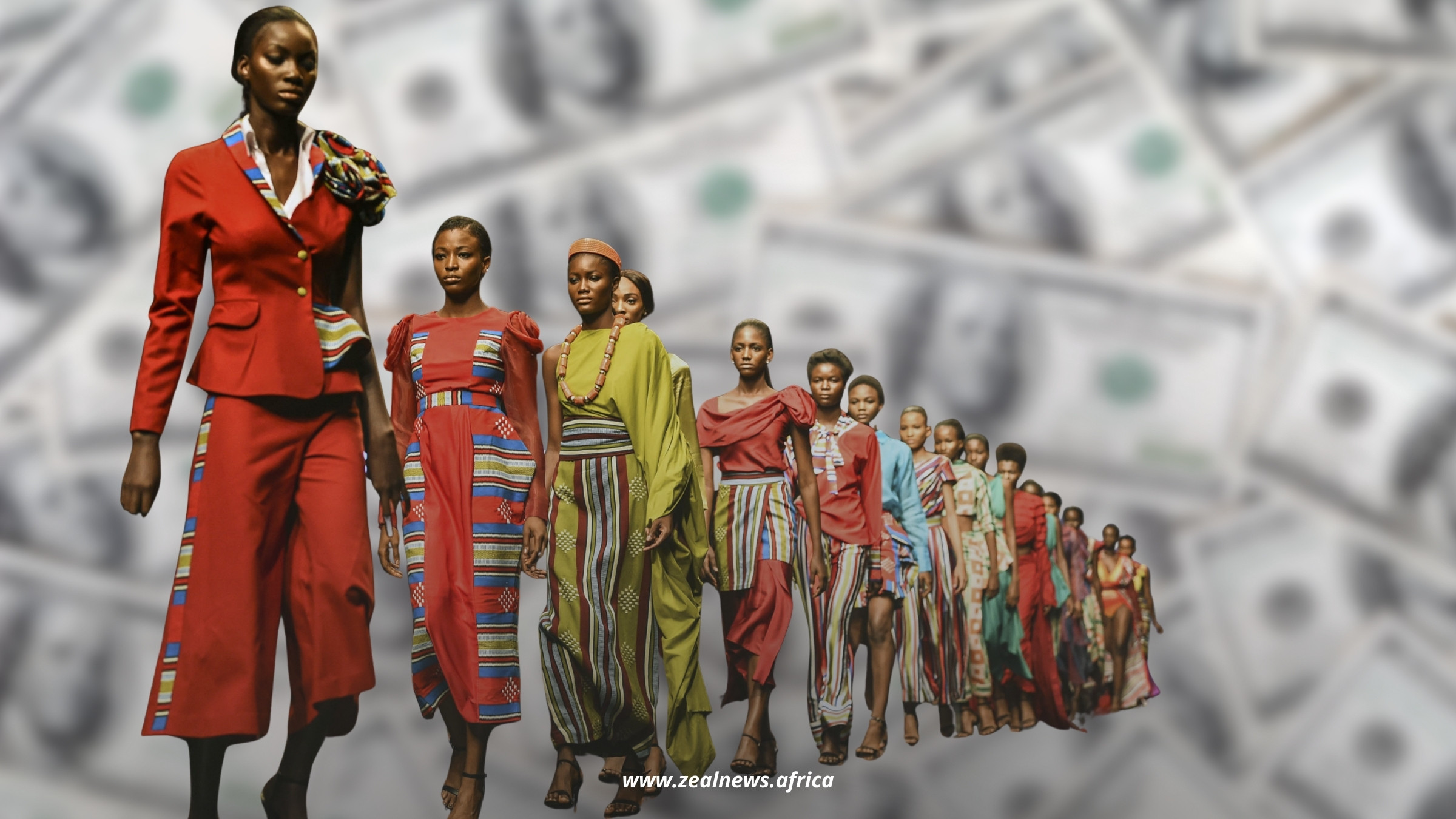
On a rainy afternoon, the whole world feels like an invitation to stay in bed. Ada accepted it. It was her day off, after all. She had no obligations, just her phone, the quiet rhythm of rain against her roof and the cold air on her skin.
As she scrolled, she stopped on a two-piece made with aso-oke with one of the most intricate beadwork and precision she has ever laid eyes on. The model looked like walking art. Ada wanted to as well.
She went to the brand's website with that urgency reserved for auctions. She found the piece fast and was three seconds from adding it to cart when $500 stared back at her.
She paused. Did the mental conversions. Checked her balance. Checked the store's location. Lekki. The rage that sat deep in her rumbling belly found its way to her mouth in the loudest hiss.
A store in Lekki, charging in dollars. Is that even legal?
Ada's experience is not isolated. Scroll through any Nigerian luxury or contemporary fashion brand's page and there is a solid chance the price tag reads in USD. This raises two questions: why are brands doing it, and what does the law actually say?

What the Law Actually Says
The short answer is dollar pricing by Nigerian businesses is illegal.
Section 20(1) of the Central Bank of Nigeria Act 2007 designates the Naira as the sole legal tender in the country, meaning any transaction within Nigeria's borders is legally required to be conducted in Naira.
Section 20(5) of the same act goes further. It makes the refusal to accept Naira as payment a criminal offence. The Federal High Court has upheld this position, ruling that non-Naira transactions or agreements entered into within Nigeria contravene the law.
The CBN has also released multiple circulars over the years reinforcing this stance and warning against the creeping dollarisation of the Nigerian economy.
Enforcement agencies have described the practice as an aberration that directly conflicts with extant financial laws.
The National Economic Intelligence Committee Act further prohibits transacting at rates outside the CBN's officially approved figure.
So on paper, the law is airtight. A brand operating in Lekki or anywhere on Nigerian soil has no legal business displaying prices in dollars.
However, it seems the enforcement might be loose. Because clearly, something is not working.

Why Brands Do It Anyway
The Naira's volatility is the most honest answer anyone will give you.
Between 2023 and 2025, the Naira lost more than half its value against the dollar, and Nigerian fashion brands that import fabrics, pay for international shipping or work with foreign vendors watched their costs swing wildly with every CBN policy shift.
Pricing in dollars became, for many, a way to insure the business against exchange rate turbulence.
A piece priced at N300,000 today could represent significantly less purchasing power in three months if the Naira slides again.
The price tag stays the same; the reality underneath it does not.

There is also the diaspora market to consider. Many Nigerian fashion labels have built loyal customer bases abroad, and quoting in Naira to a buyer in London or Houston creates a conversion friction that brands would rather eliminate.
Running one price across all markets, both domestic and international, is operationally cleaner. It makes complete business sense.
It just happens to be illegal.

The Classism No One Wants to Name
There is, however, a third reason that sits beyond business logic. For some brands, dollar pricing is a deliberate gate. It is a way of communicating to the market that the client base we are building does not think in Naira.
Nigerian luxury fashion has long had a complicated relationship with aspiration and exclusivity. The target consumer is often the Lagos elite or the diaspora — people who either earn in foreign currency or have come to associate dollar pricing with a certain tier of desirability.
Pricing in dollars tells that customer at the highest volume, this is not for everyone.
The fact that it effectively shuts out Nigerians who earn in Naira and cannot afford the final conversion is, for some brands, a feature rather than a problem.
It is financial gatekeeping dressed up as global positioning.
Nigerian brands can build extraordinary garments but when local buyers feel priced out of their own culture, something has gone wrong.
And it works which is exactly what makes it worth interrogating.
The law says Naira. The brands say dollars. And caught in the middle is Ada, doing conversion maths on a rainy afternoon and wondering why Nigerian luxury was apparently not built for Nigerians.