Do We Really Rest on Saturdays, or Just Switch Hustles?
Saturday is supposed to be for rest, but in Africa it often means weddings, errands, and side hustles. Here’s why reclaiming rest may be radical
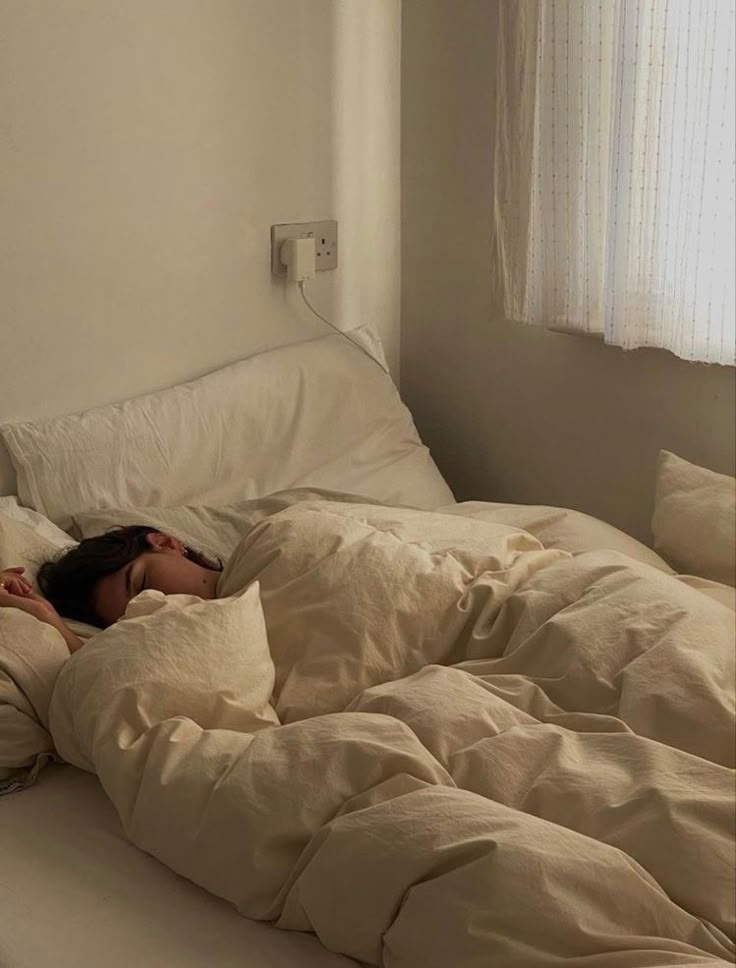
Do We Really Rest on Saturdays, or Just Switch Hustles?
The word “Saturday” carries an almost mythical promise. For schoolchildren, it’s the reward for surviving a week of math and science lessons. For workers, it’s the long-awaited escape from endless meetings, Lagos traffic, or Nairobi deadlines. For everyone else, it’s supposed to be the day of exhale, the day that belongs to us.
But in reality, the so-called “day of freedom” often feels more like a trap disguised as leisure. Instead of resting, we find ourselves overbooked with errands, weddings, church rehearsals, side gigs, and “catch-up work.”
The laptop may be shut, but the hustle hasn’t ended. We’ve only changed costumes.
The African Saturday: Weddings, Funerals, and Endless Errands
If you live in Nigeria, you already know this truth: Saturday is the official day of owanbe. The Yoruba word loosely translates to “it is there,” but in practice, it means extravagant parties—mostly weddings—that swallow entire weekends.
It is not just about showing up. It’s about finding the right aso ebi (uniform fabric), visiting the tailor in advance, attending the church service, navigating traffic to the reception, and spending hours dancing and spraying money on the bride and groom. A single Saturday can feel like a part-time job.
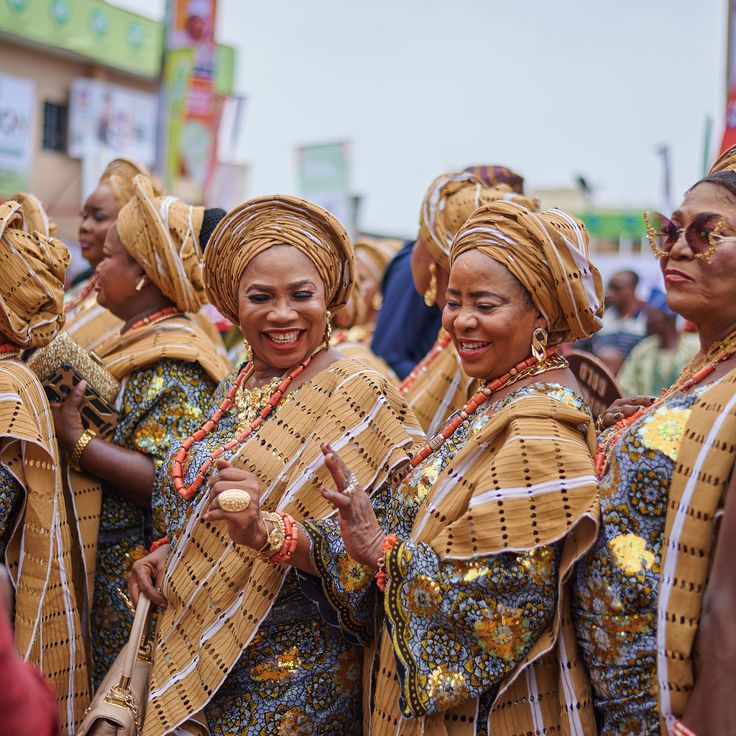
Photo Credit: Pinterest
And it’s not just weddings. Across Africa, funerals also claim Saturdays. In Ghana, for instance, funerals are massive cultural events, often bigger than weddings, with food, music, and full community participation. To skip one is to risk being branded disrespectful. In South Africa’s townships, Saturdays are also reserved for funerals—sometimes stretching from morning into evening.
Meanwhile, in the diaspora, Africans flock to weekend markets. In London’s Peckham or New York’s Bronx, Saturday mornings mean bargaining over plantain, fish, and egusi, while afternoons are for cultural events, community meetings, or church programs. Even abroad, the African Saturday is full, not free.
Rest? That’s a luxury squeezed between obligations.
The Global Side Hustle Saturday
Outside of cultural duties, the modern economy has hijacked Saturdays through the rise of side hustles.
A 2023 Harvard Business Review survey revealed that 58% of workers worldwide use weekends for freelance projects, gig work, or entrepreneurial hustles. In Africa, the numbers are even higher due to the economic squeeze. Nigeria’s National Bureau of Statistics notes that nearly 40% of employed Nigerians run a side hustle, from Uber driving to fashion businesses.
Saturdays become the prime time for this second economy. A banker in Abuja might sell Ankara dresses online on Saturday. A teacher in Nairobi might spend Saturdays tutoring or coding on Upwork. Content creators push reels, vendors open market stalls, and software developers debug code.
Instead of a rest day, Saturday becomes the unofficial office of the gig economy.
And the culture even glorifies it. Instagram captions read: “Weekend grind,” “Team No Sleep,” “Sleep when you’re rich.” The pressure to monetize every spare moment turns rest into guilt.

Photo Credit: Pinterest

Rest as Resistance: The Case for Doing Nothing
But what if the bravest act in this generation is not hustling harder—but choosing rest?
African American scholar Tricia Hersey, founder of The Nap Ministry, argues that rest is a political and spiritual act. “Rest is resistance,” she says, “because it refuses to allow capitalism and white supremacy to consume our bodies and minds.”
Her words ring loudly in Africa, where colonial and capitalist systems still glorify overwork. For many Africans, leisure is viewed with suspicion. A young person who spends Saturday sleeping risks being called “lazy” or “unserious.” Yet psychologists argue that rest improves creativity, mental health, and long-term productivity.
Countries like Sweden have institutionalized this mindset through fika—a cultural practice of pausing for coffee and reflection. Italians embrace la dolce far niente—“the sweetness of doing nothing.” Meanwhile, Africans, with our rich traditions of communal leisure—storytelling by the fire, palm wine evenings, moonlight games—ironically abandon rest in favor of constant busyness.
If Saturday is supposed to be our “reset button,” why do we keep pressing “fast forward” instead?
The Cost of Restless Saturdays
The cost of refusing rest is visible—and rising.
The World Health Organization (WHO)reported in 2024 that over 20% of urban African workers suffer from chronic stress and burnout.
A South African health study found that prolonged workweeks without quality rest increase risks of hypertension, depression, and anxiety by 30%.
Think about it: if every Saturday is spent in traffic, events, freelance deadlines, and errands, then when exactly do we pause to breathe? When do we sit still enough to hear ourselves think?
The danger is not just physical exhaustion but also spiritual emptiness. If we are always busy, we risk becoming strangers to ourselves.
So why do we do it? Why do we switch hustles instead of resting?
Psychologists suggest two reasons:
Cultural Expectation: In Africa, communal living and obligations mean weekends are rarely individual. A Saturday wedding is not just for the couple; it’s for the whole community. Saying no is often seen as rebellion.
Economic Pressure: With inflation, job insecurity, and unstable currencies, many Africans simply cannot afford a Saturday off. For a keke driver in Abuja, every Saturday trip pays school fees. For a Kenyan gig worker, skipping a Saturday means less money for rent.
This combination—cultural duty + economic reality—creates a cycle where Saturdays become another workday, just dressed differently.

Photo Credit: Pinterest
Towards a New Saturday Philosophy
But what if we reclaimed Saturday? What if we redefined it not as a second office but as a sanctuary?
Here are some shifts worth considering:
Set Boundaries: Choose one Saturday a month to decline weddings, gigs, or errands. Call it “Sabbath Saturday.”
Redefine Productivity: See rest as fuel, not waste. The mind works sharper after downtime.
Cultural Balance: Attend weddings and funerals, yes, but don’t attend all. Cultural respect should not equal self-destruction.
Micro-Rests: Even on busy Saturdays, insert pauses, an afternoon nap, an hour-long walk, or reading time.
Imagine a Lagos where, alongside the owanbe, there is also a movement of “Silent Saturdays”—spaces where people gather not to dance, but to rest. Imagine Nairobi youth dedicating Saturday mornings to communal yoga or storytelling. Imagine Ghanaians preserving funeral culture while still setting aside one Saturday monthly just to breathe.
Conclusion: Saturday, Reclaimed
So, do we really rest on Saturdays—or just switch hustles? For most Africans, the uncomfortable truth is the latter. We restlessly run from obligation to obligation, gig to gig, errand to errand. We call it leisure, but it is simply labour in disguise.
But it doesn’t have to stay that way. Perhaps the true revolution of our generation will not be in how many businesses we build, but in how much silence we allow ourselves. Perhaps the boldest African dream is not just economic freedom but the freedom to rest without guilt.
Because if we never reclaim Saturdays, then we are not truly free. We are simply hustlers trapped in prettier clothes.
And maybe, just maybe, the most radical thing you can do next Saturday is nothing.