Democracy or ‘Them-O-Crazy’? Asking for a Country
Every June 12, Nigeria celebrates democracy—but for many citizens, it feels more like "them-o-crazy." This bold article questions the true state of Nigerian democracy, from cancelled elections to corrupt politics and voter fatigue.
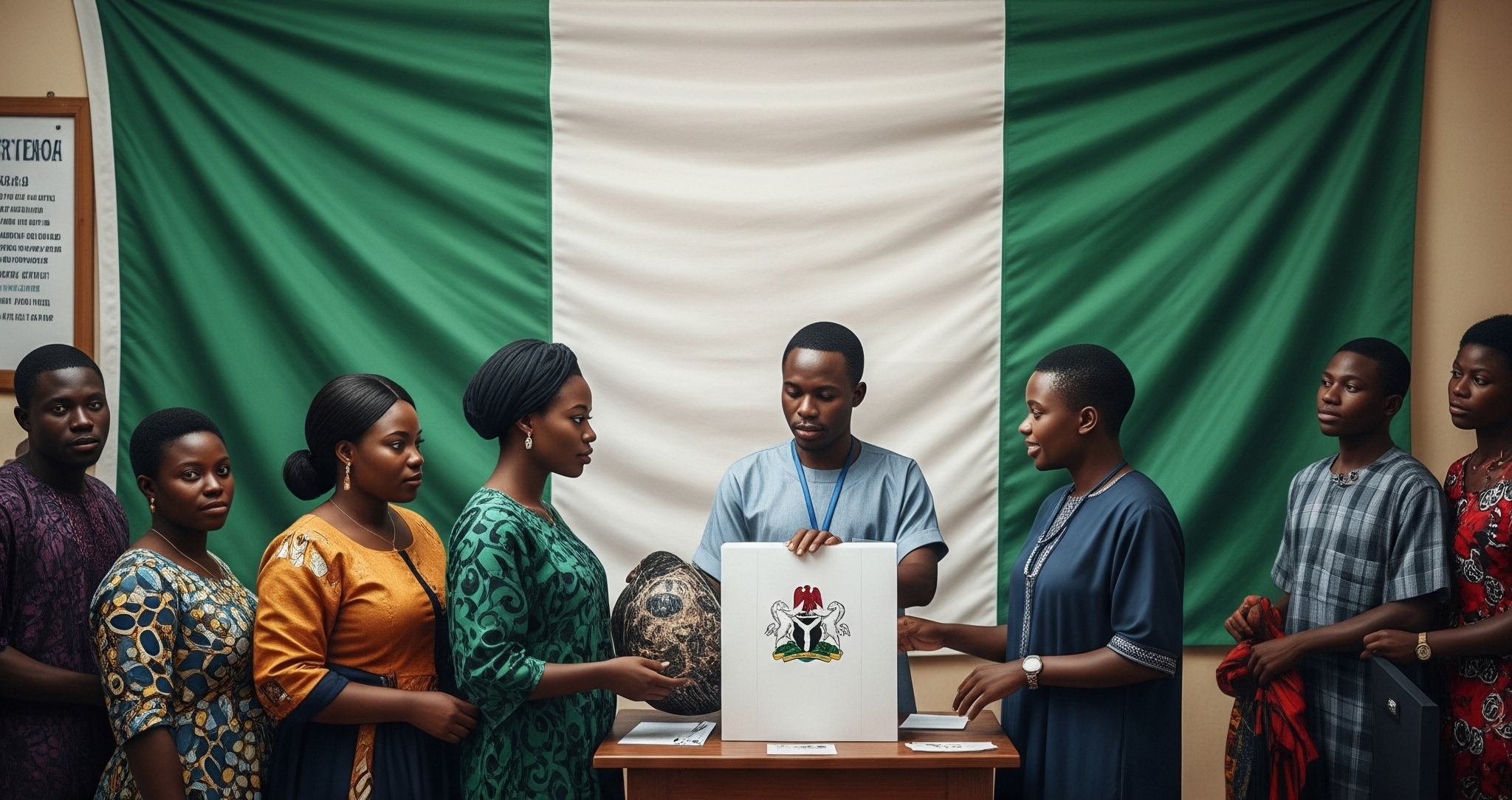
Every June 12, Nigeria puts on its best agbada and reminds itself that “power belongs to the people.” There’ll be speeches, parades, and a fresh round of promises. But for many Nigerians watching from the sidelines—or from the trenches of fuel scarcity and constant blackouts—this so-called democracy is starting to look like something else entirely.
Them-o-crazy.
Because what else do you call a system where the people vote, but the politicians choose themselves?
A Brief History of How We Got Here
June 12 didn’t become a big deal by accident. It all started in 1993, when Nigerians came out in droves to vote in what is still considered the freest and fairest election in our history. The goal was to elect a leader who would pilot the affairs for the next four years.
The election involved two parties: the Social Democratic Party (SDP), which had Chief MKO Abiola as its candidate, and the National Republican Convention (NRC).
The presumed winner? Businessman and philanthropist Moshood Kashimawo Abiola, a man so popular that even people who didn’t vote believed he’d won.
But then—plot twist.
The military government at the time, led by General Ibrahim Babangida, decided to cancel the results. Just like that. No valid explanation. According to him, he stated that there were a huge number of malpractices in all the states of the federation.
In defiance of the actions of the military, Abiola rejected the decision and later declared himself President at an event that took place in Epetedo Area of Lagos Island.
Because of this act, he was detained and died four years later while in detention.
The man who won was locked up. The people who voted were left hanging. And the country spiraled into a democratic coma.
Although the election was declared by the local and international observers as the freest and fairest election in the history of the country, the outcome never came to fruition.
On June 6, 2018, President Muhammadu Buhari declared June 12 as Nigeria’s new Democracy Day, replacing May 29. A nice gesture, no doubt. But gestures won’t pay rent—or fix governance.
Social Insight
Navigate the Rhythms of African Communities
Bold Conversations. Real Impact. True Narratives.

Two Decades In, What Are We Really Celebrating?
Let’s be honest. Nigeria has been practising democracy for over 20 years now. That’s enough time to raise a child, send them to school, and even marry them off, (Joke, but still). But if democracy were your child, by now you’d be asking for a DNA test.
Because something is not adding up.

Voter turnout is getting lower with every election. Nigerians are tired. In 2023, more people posted about the elections than actually voted in them.
Ballot boxes still go missing. Thugs still show up. And courtrooms now decide winners more than polling units.
The cost of running for office can buy you two universities and a refinery. Yet, somehow, we keep recycling the same tired faces.
Freedom of speech? Say too much and someone in uniform will remind you to keep quiet.

Where’s the Power?
They say democracy is “government of the people, by the people, for the people.” But in Nigeria, it often feels like “the government of the connected, by the wealthy, for their circle.”
Senators earn more per month than a civil servant makes in ten years.
Local governments receive funds, but good luck finding out where that money went.
Social Insight
Navigate the Rhythms of African Communities
Bold Conversations. Real Impact. True Narratives.
Political campaigns come with bags of rice, promises of heaven, and enough noise to cause tinnitus. But after the elections? Silence louder than NEPA blackout.
Meanwhile, the average Nigerian is battling everything from fuel queues to food inflation, with no visible sign that their vote did anything beyond making someone richer.
Let’s Call It What It Is
This version of democracy we’re practising? It’s not just flawed. It’s confusing.
We vote, but the votes don’t count.
We complain, but no one listens.
We ask questions, and they arrest the questioner.
They tell us democracy is about participation, yet town hall meetings happen like secret cult gatherings. They preach transparency, but budget breakdowns are more mysterious than Nollywood plots.
Every four years, we hope. Then we regret it. Then we rinse and repeat.

Why It Matters
This isn’t just banter. When democracy becomes a performance instead of a process, everyone suffers.
Corruption gets comfortable.
The youth loses interest.
Social Insight
Navigate the Rhythms of African Communities
Bold Conversations. Real Impact. True Narratives.
The nation stagnates.
A broken system pretending to work is more dangerous than no system at all.
So What Do We Do?
We can’t japa our way out of this. At some point, we’ll have to do the uncomfortable thing: hold the system accountable.
Demand answers. From your local government, from your representative, from that loud senator on TV.
Get involved. Politics isn’t just for the elite. It’s for anyone who eats, breathes, and pays rent in this country.
Vote with your head. Not your stomach. Not your tribe. And not because someone promised you a generator.
Final Thoughts
Democracy, in its true form, is a beautiful thing. But in Nigeria, we’ve turned it into a theatrical production. The cast is rich, the script is tired, and the audience is fed up.
So as we have marked Democracy Day yesterday, let’s be honest:
We don’t hate democracy. We just want the real one.
Not the "them-o-crazy" version that’s making a mockery of our votes and our voices.
Until then, when next someone says “power belongs to the people,” just smile and ask,
“Which people exactly?”