Dangote at 69: Some of the Milestones That Built Africa's Biggest Empire
Aliko Dangote turns 69, with a legacy that spans a $3,000 start-up loan, continental industrial dominance, and the creation of Africa’s most powerful private sector empire.
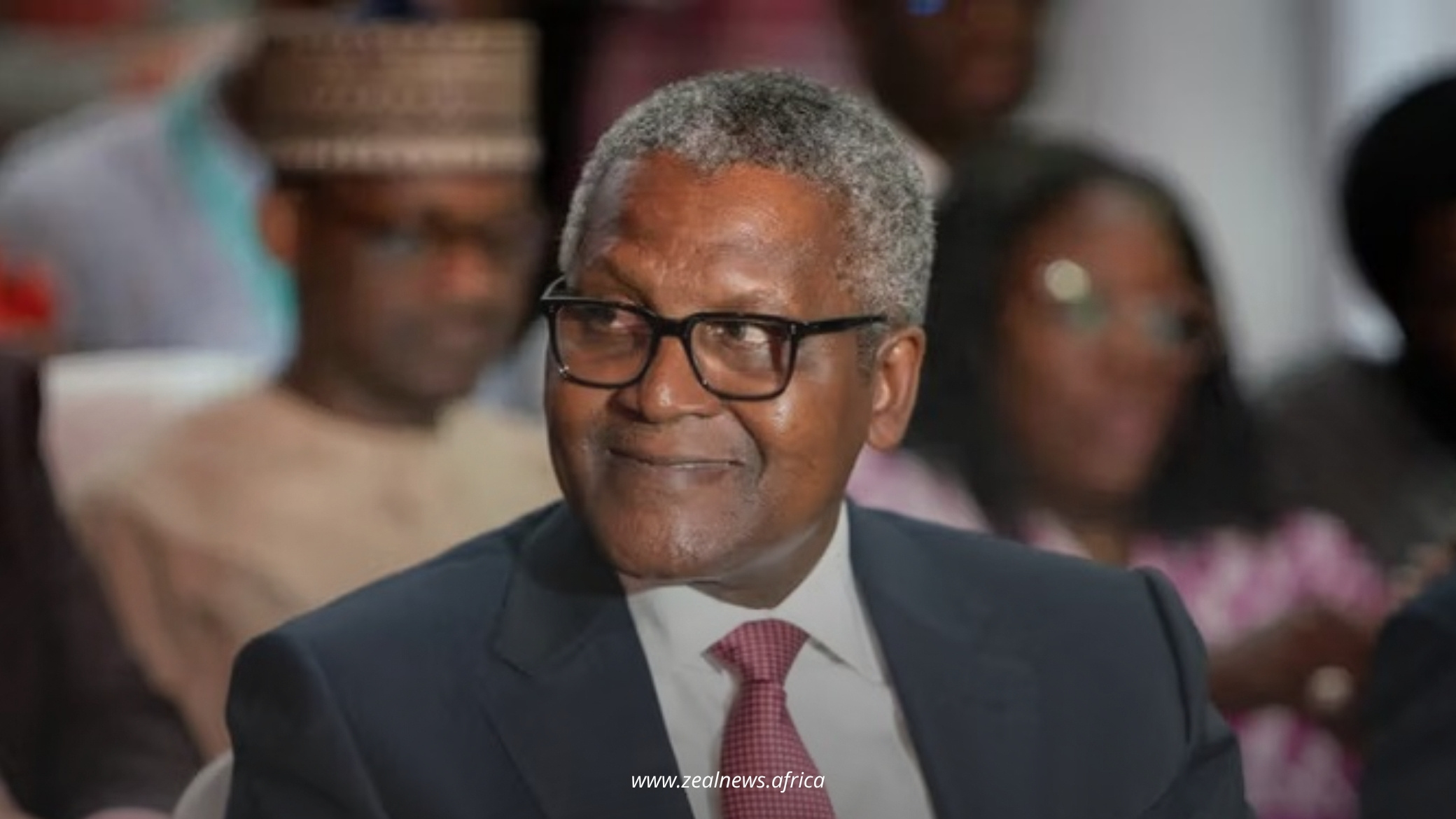
Today, Aliko Dangote turns 69. From a $3,000 loan and a bag of sugar, he assembled the largest industrial empire the African continent has ever produced, sector by sector. Here are the milestones that tell the full story.
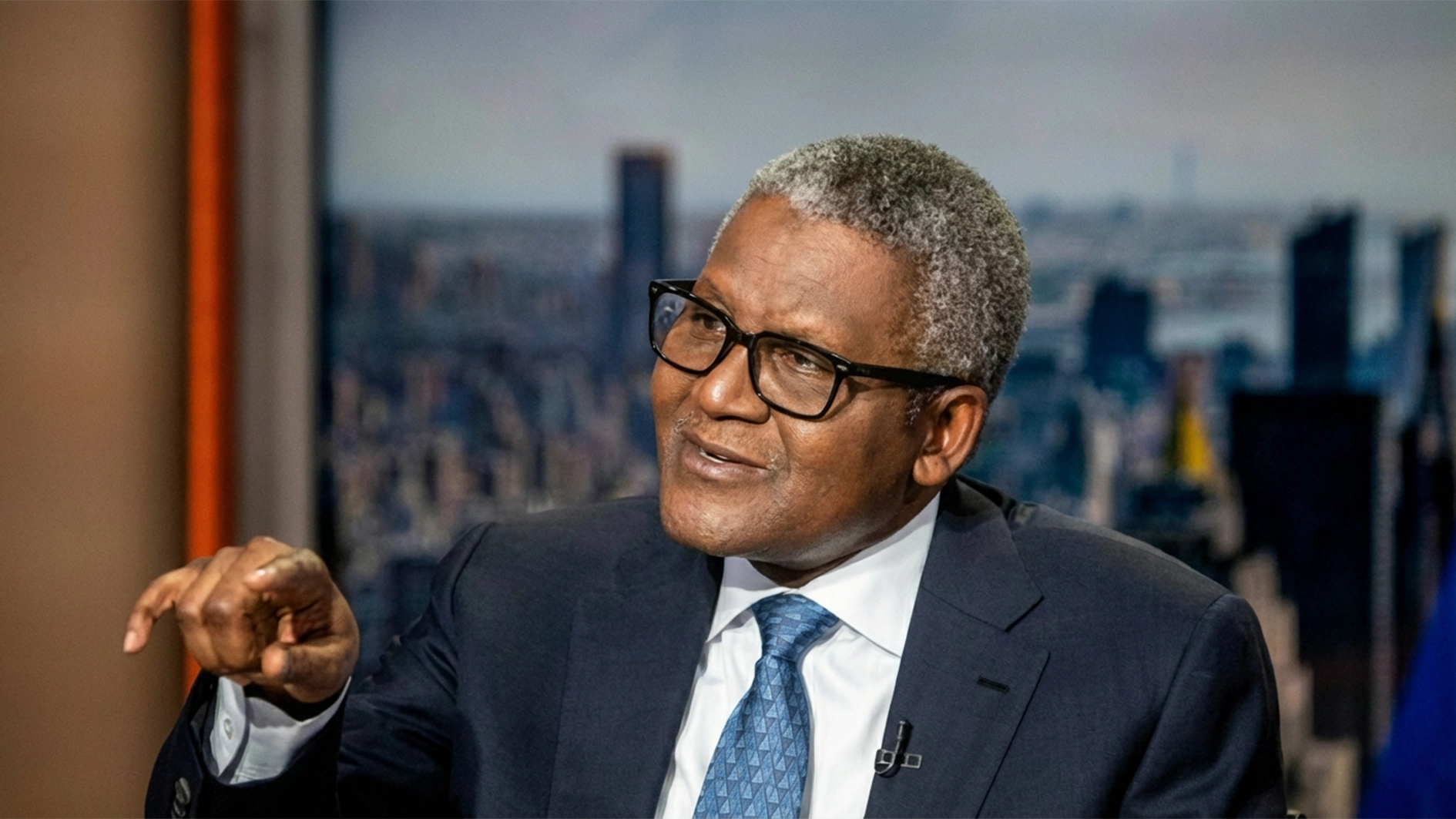
1. He started his first company with a $3,000 loan. In 1977, after graduating from Al-Azhar University in Cairo with a degree in business, Dangote returned to Nigeria and borrowed $3,000 from his uncle to start a commodity trading enterprise dealing in sugar, rice, and cement.
2. He formally incorporated the Dangote Group in 1981. What began as a trading operation became a registered conglomerate, Dangote Nigeria Limited, moving food staples and building materials across Nigeria and gradually expanding its reach.
3. He made his first move into manufacturing in 1989. The Dangote Group launched textile mills in Kano and Lagos, its earliest experiment with producing goods rather than simply importing and distributing them.
4. He established the Dangote Foundation in 1994. Long before the billions made international headlines, Dangote had formalised his philanthropic ambitions. The foundation would later become the largest private foundation in Africa.
5. He pivoted the entire Dangote Group from trading to manufacturing in 1997. This was the most consequential internal decision of his career. Rather than continuing to profit from imports, he began building the factories that would replace them.
6. Dangote Sugar Refinery began local production in 1999. Nigeria grew sugarcane and imported refined sugar. Dangote ended that particular contradiction by launching one of the largest sugar refineries in Sub-Saharan Africa, competing directly against imported products from Brazil and Europe.
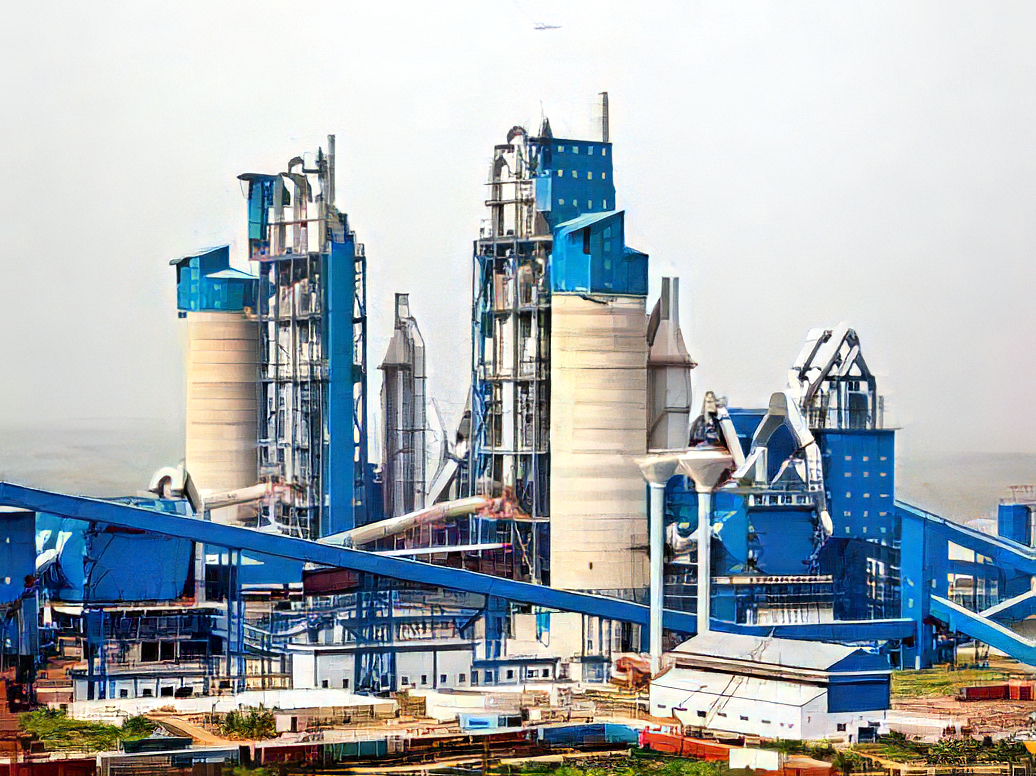
7. He commissioned the Obajana Cement Plant in 2003. Located in Kogi State, it became the largest cement plant in Sub-Saharan Africa. Nigeria was entering a construction boom. Dangote did not just supply it; he made it structurally possible at scale.
8. He broke Lafarge's dominance of the African cement market.Lafarge, the French cement giant, had long controlled African cement supply by importing products into the continent. Dangote's entry into manufacturing forced direct competition and fundamentally altered the market dynamic.
9. Dangote Cement listed on the Nigerian Stock Exchange in 2010.The listing made it one of the most capitalised companies on the exchange almost immediately, at various points representing close to 20 percent of the exchange's total market capitalisation.
10. Dangote Cement became the first Nigerian company on the Forbes Global 2000 list. A list of the world's largest public companies and a Nigerian manufacturing business made it.
11. He debuted on the Forbes World's Billionaires list in 2008. He was the first Nigerian to be individually profiled on the list, entering with a net worth of $3.3 billion. The number would grow considerably from there.
12. He topped Forbes' first Africa Rich List in 2011 and has never left the top spot. Since Forbes launched its dedicated African wealth ranking in 2011, Dangote has held first position every single year.
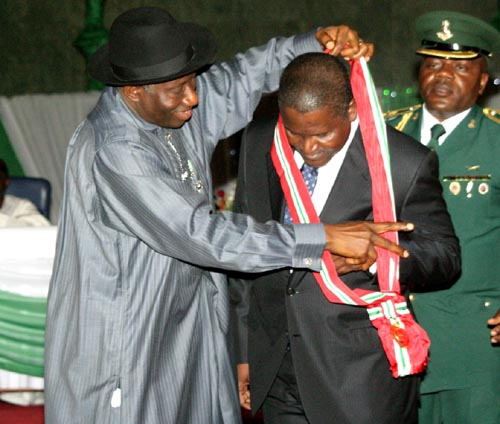
13. He became the first non-government official to receive Nigeria's GCON honour. In 2011, President Goodluck Jonathan awarded him the Grand Commander of the Order of the Niger, Nigeria's second highest national honour. No private citizen had received it before him.
14. He was appointed to Nigeria's Economic Management Team in 2011. Dangote was placed at the table where Nigeria's fiscal policy was being shaped — a formal acknowledgement that his influence on the country's economy had become impossible to ignore.
15. Forbes named him the Most Powerful Man in Africa for six consecutive years. From 2013 to 2018, the designation was his every year without interruption. He was also named the Africa Person of the Year in 2014.

16. TIME Magazine listed him among its 100 Most Influential People in the World in 2014.He was placed alongside heads of state, scientists, and cultural figures who were reshaping global affairs.
17. Bloomberg Markets named him one of the 50 Most Influential Individuals in the World in 2015. Three of the world's most authoritative publications had, within two years, independently placed him on their global influence lists.
18. He endowed his foundation with $1.25 billion in 2014. Making it, at the time, the largest private foundation in Africa. He said the aim was to give back to the continent that made his success possible.
He donated N150 million during the 2014 Ebola crisis, making Dangote's foundation among the fastest private responders.
19. A partnership with the Bill and Melinda Gates Foundation helped eradicate polio from Africa. The Aliko Dangote Foundation was a key partner in the vaccine programme that led to the World Health Organisation confirming in 2020 that polio was no longer endemic in Africa. Nigeria was the last country to achieve the milestone.
20. He received national honours from four African countries outside Nigeria. Benin (2013), Cameroon (2021), Niger (2022) and Senegal (2024) each conferred national honours on him, a recognition that his impact had become genuinely continental.
21. He announced the Dangote Petroleum Refinery in 2013. Nigeria, Africa's largest oil producer, was importing its own refined fuel back. Dangote announced he would build a refinery capable of processing 650,000 barrels per day and fix the contradiction himself.
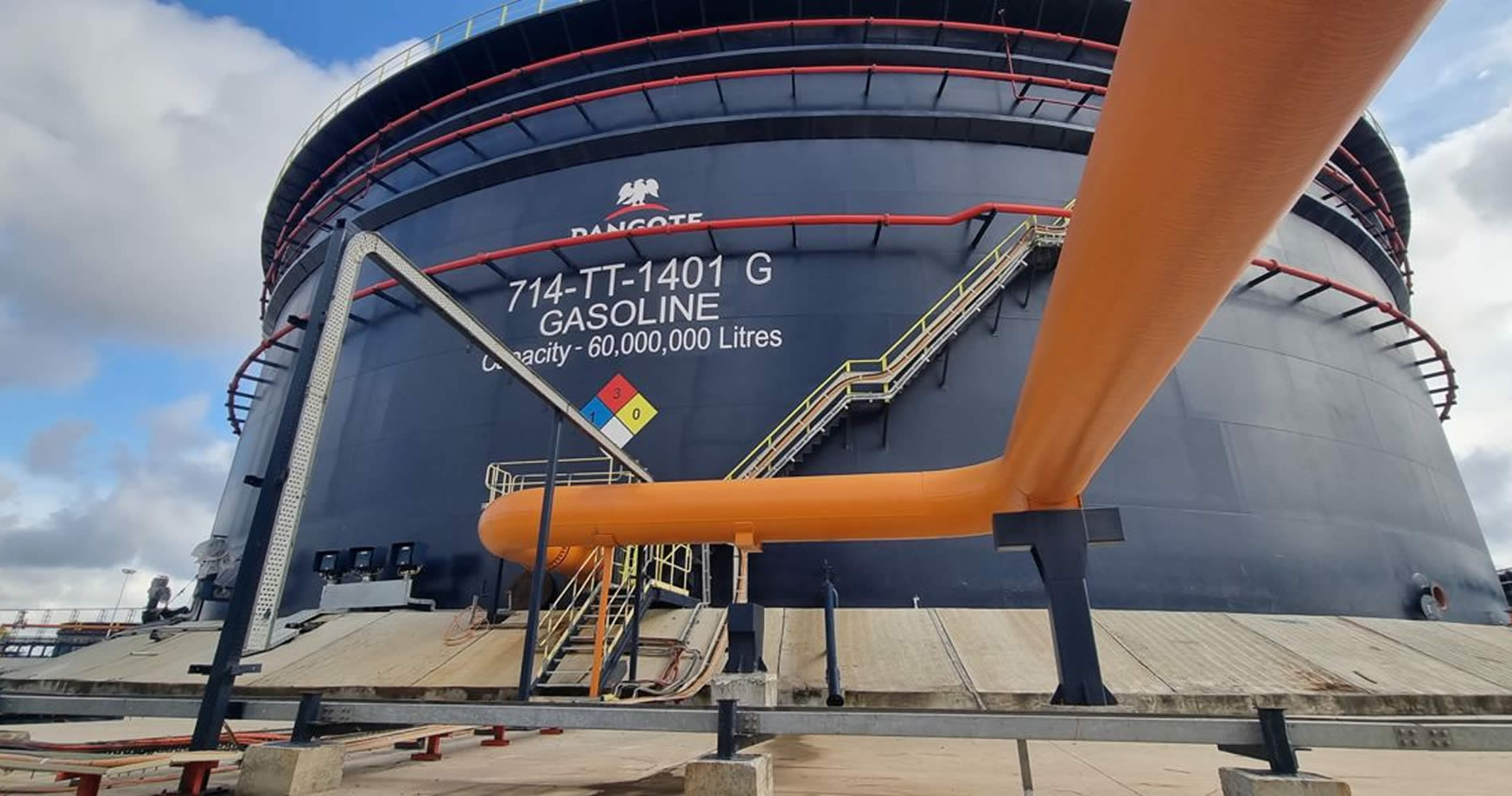
22. The Dangote Refinery became operational in 2023–2024. It is Africa's largest refinery and one of the largest single-train refineries in the world. Built at a cost of $20 billion, largely without federal government financial backing. It produces petrol, diesel, aviation fuel, and petrochemicals.
23. The Dangote Group now operates in 17 African countries. Cement is the anchor — with plants and operations in Ghana, Cameroon, Zambia, South Africa, Senegal, Ethiopia, and beyond. In several of those markets, Dangote was the first large-scale manufacturer to challenge imported products.
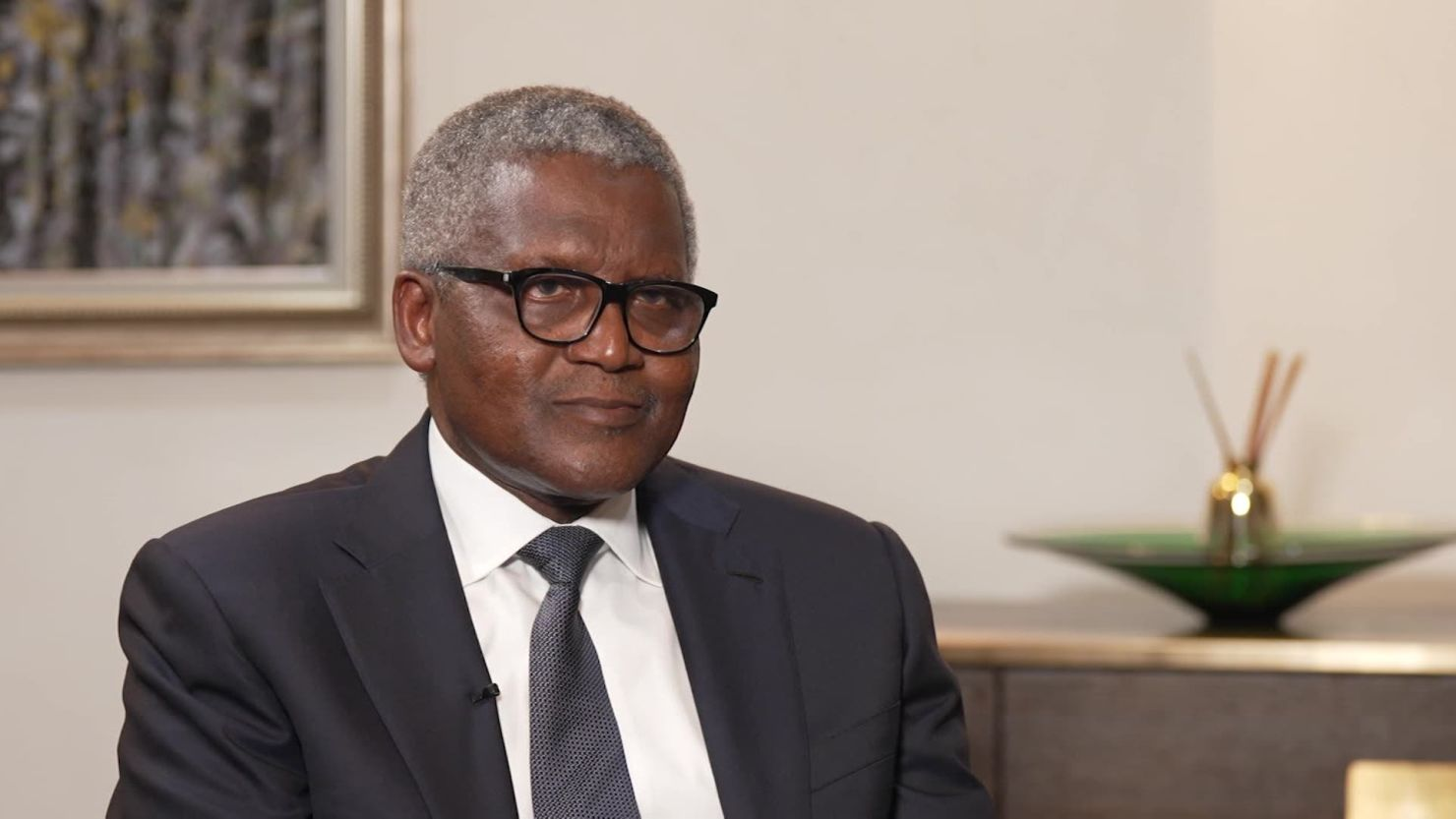
24. TIME Magazine named him a "Titan" on its inaugural TIME100 Philanthropy list in 2025. He was one of 23 Titans on the list, the only Nigerian honoured, placed alongside Michael Bloomberg, Oprah Winfrey, and Warren Buffett.
25. He signed a $2.5 billion fertiliser plant deal with Ethiopia in August 2025. African farmers have long imported fertiliser to grow food on African soil. The Ethiopia plant, with a production capacity of three million metric tonnes annually, is Dangote's latest move against that particular irony.
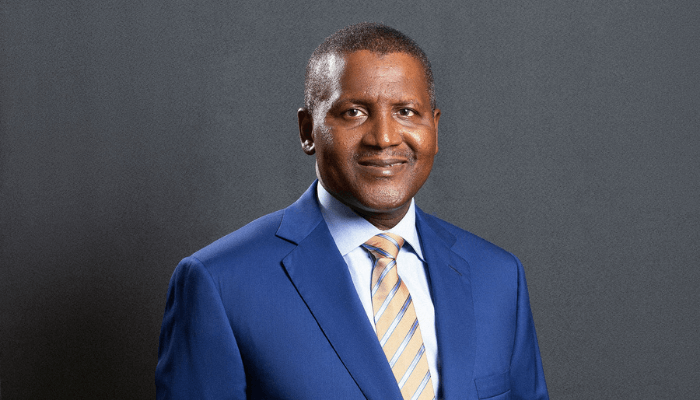
26. He is the wealthiest Black individual in the world. With a net worth of approximately $32.5 billion, Dangote holds a distinction that is simultaneously a personal achievement and a statement about what African enterprise is capable of producing.
He is 69 years old. The list is not finished yet.
Happy birthday, Alhaji.