The Second-Hand Perfume Market Is Booming, And the Reasons Are Surprising
The second-hand perfume market is growing fast as buyers turn to used luxury fragrances, discontinued scents, and affordable niche perfumes through resale and decant culture.
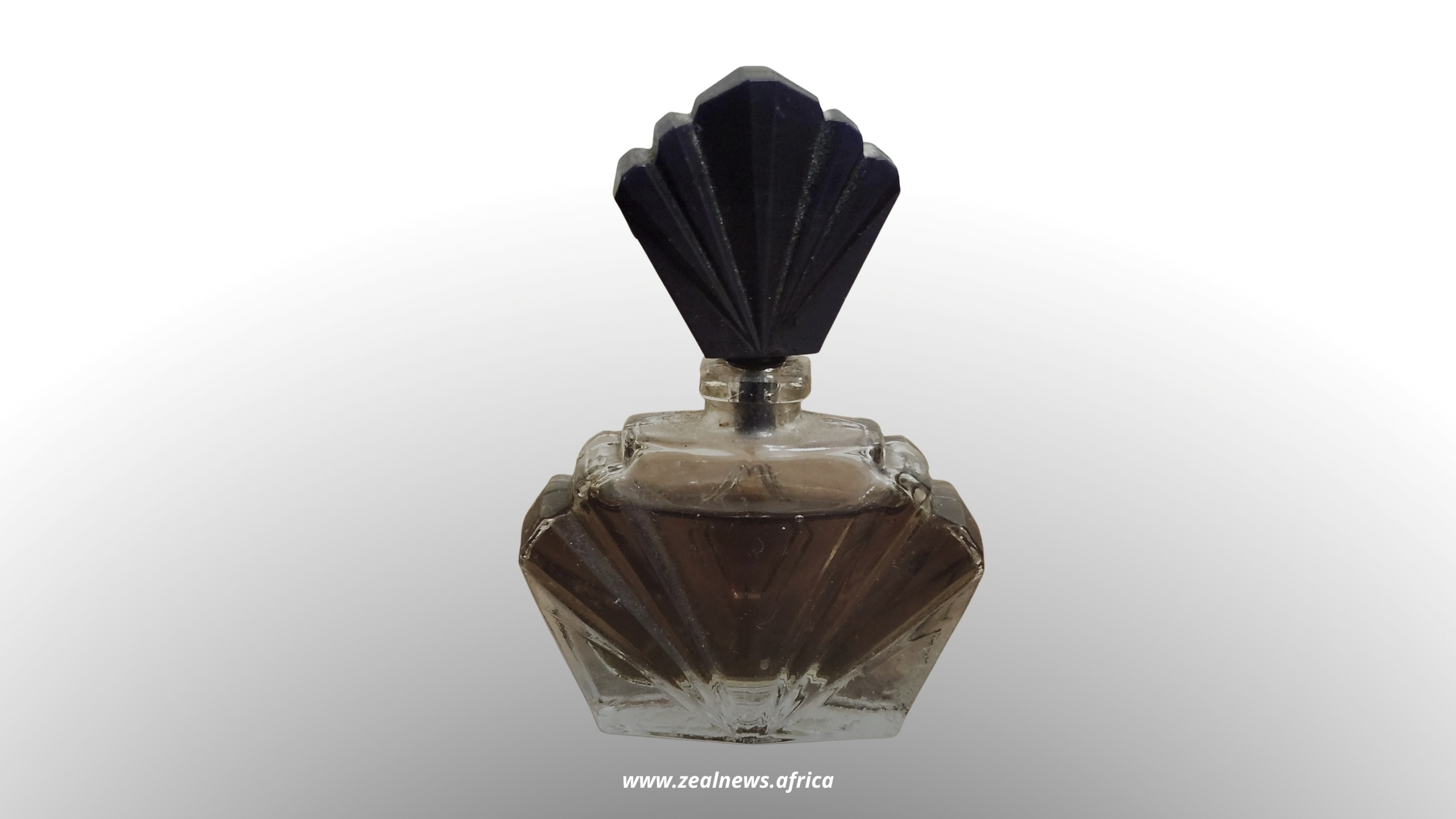
A woman films herself unboxing a package she just received. She peels back the wrapping and holds up a perfume bottle, clearly not full. The comment section doesn't waste time. "As in they use remain give you. And you paid?" "Asin okrika perfume"
The video has thousands of views, and somehow, people are still clicking "buy."
Which brings us to the question nobody in that comment section actually stopped to answer: why are people buying half-used perfumes in the first place and why is the market for them quietly, stubbornly booming?
The Economics Make Sense
Niche and luxury fragrances are expensive. A 100ml bottle of Baccarat Rouge 540 retails above $300. Maison Margiela's Replica line sits comfortably over $150.
For most people, especially in markets where the naira is doing what the naira is doing, a full bottle of a high-end fragrance is a decision you plan towards.
The pre-owned fragrance market exists precisely in that gap. A 70% full bottle of a niche or luxury perfume at half the retail price is an entry point into affordable luxury.
Platforms like Instagram, Facebook marketplace, alongside Nigerian and pan-African WhatsApp resale groups, have made buying and selling used perfume bottles remarkably seamless.
The fragrance resale market is growing globally, pushed partly by the same economic pressures driving second-hand luxury across categories. The infrastructure is already there.
Decant Culture Built the Foundation
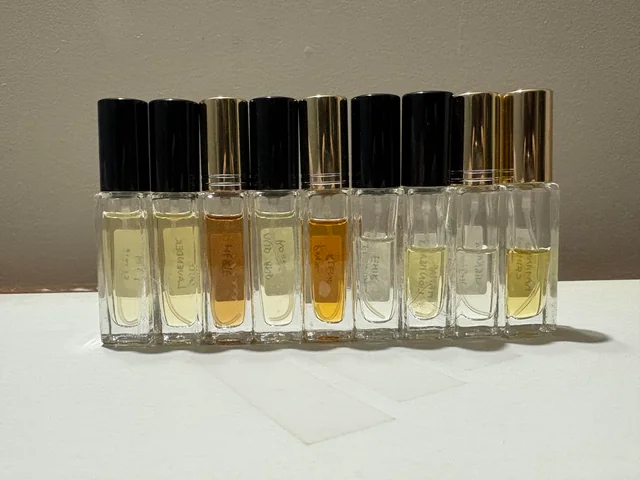
Before the resale market scaled, there was decanting. Fragrance decants, which involve small quantities of perfume transferred from original bottles into sample vials, became how the fragrance community accessed expensive or hard-to-find scents without committing to a full purchase.
Niche perfume houses rarely offer testers in conventional stores, so decanting naturally filled the gap.
What decanting really did was normalize the idea that a perfume does not have to be yours from the first spray to be worth having. The second-hand perfume market inherited that logic and expanded it.
If 5ml poured from someone else's bottle is acceptable, 60ml from a bottle someone else opened is not much of a difference.
Discontinued Scents and the Scarcity Factor
There is a specific category of pre-owned fragrances that commands serious money: discontinued perfumes. Fragrance houses retire scents more often than most people realize. Sometimes, formulas get phased out, licensing expires and ingredients face regulatory restrictions.
Once a scent disappears from retail, the only way to access it is through someone who bought it when it still existed.
Culture
Read Between the Lines of African Society
Your Gateway to Africa's Untold Cultural Narratives.
Vintage fragrance collectors have understood this for decades. The internet expanded the audience considerably.
Scarcity makes the used bottle desirable. Sometimes more desirable than anything currently sitting at full retail price.
The Trust Problem Is Real
The pre-owned perfume market has a genuine authenticity problem. Counterfeit fragrances exist at every price point, and a used bottle is harder to verify than a sealed one.
Sellers can tamper with bottles, substitute original juice or misrepresent fill levels. Buyers have been burned and the comment section knows it.
The fragrance community has developed informal systems to manage this. There are reputation-based selling within dedicated groups, comparisons against known authentic batches, and batch code verification through checkers.

Although, none of it is foolproof. First-time buyers navigating the second-hand perfume space without that community knowledge are the most exposed.
What this means practically is that established sellers with documented transaction histories are a safer starting point than anonymous listings.
Photos of the batch code, the original box, and the bottle from multiple angles are the minimum any credible seller should provide. If they cannot offer that, the answer is already there.
Why the Market Keeps Growing Anyway
The skepticism in that comment section is real but the market is growing regardless. That combination says something worth paying attention to about how people relate to luxury, access, and risk in the digital age.
Sustainability is part of the story. Extending the life of a luxury product rather than generating demand for a new one fits how younger consumers are increasingly thinking about purchases.
But beyond the ethics, the pre-owned fragrance market does something more fundamental — it democratizes access. It opens niche perfume culture, long gated by price and geography, to people who were previously locked out of it entirely.
For a fragrance lover in Lagos who cannot walk into a Sephora and is tired of the same five designer scents at every duty-free counter, the pre-owned market is an access that did not exist before.