The Psychology Behind Finishing an Entire Series in One Sitting
The psychology behind binge-watching and binge-reading explained. How dopamine, the Zeigarnik Effect, hyperfocus, and narrative immersion make it hard to stop after one episode or one chapter.

I act like a drug addict when it comes to finishing a book or a series. I will refuse to part with myself until I get to the last credit or the last word. Sleep is not even a hindrance; only unavoidable activities with real consequences can tear me away, and the moment they are done, I am right back where I left off.
What might come to your mind is that I simply lack discipline, but that is not true. Psychology has a much more interesting explanation for what is actually happening inside my brain and probably yours too.
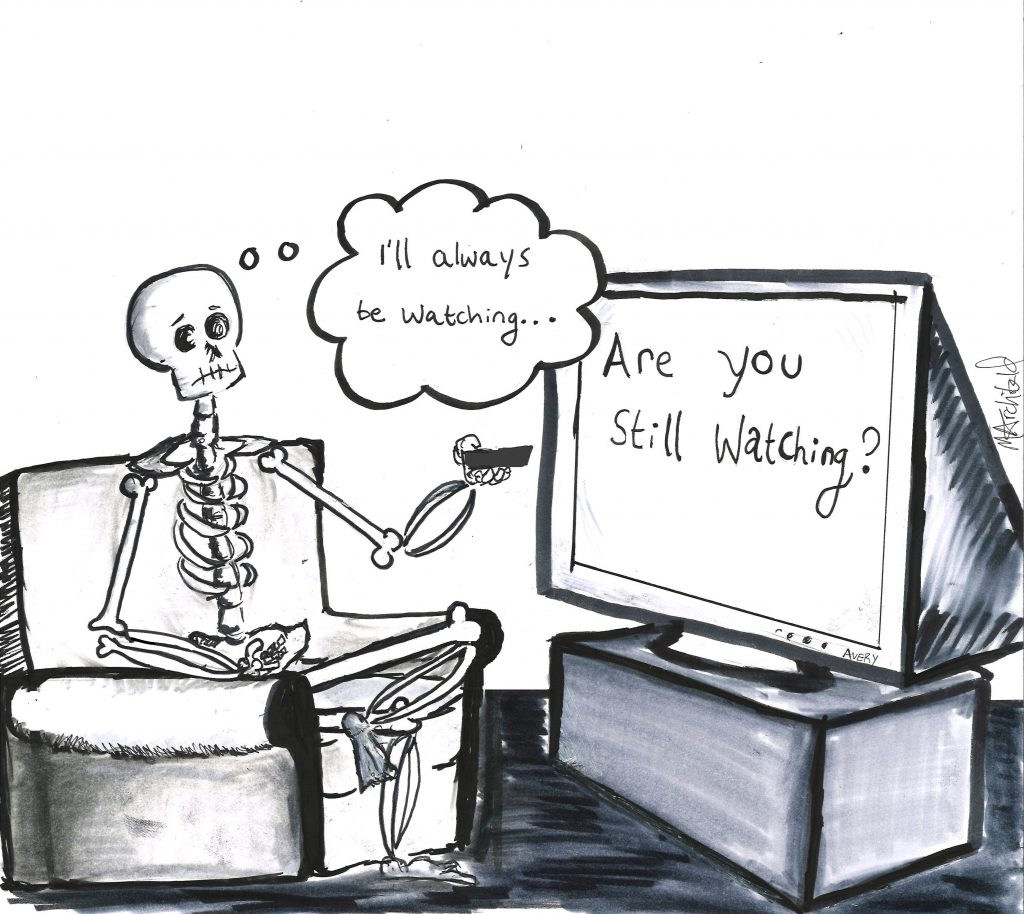
Why Your Brain Treats a Story Like a Drug
When you start a compelling book or series, your brain releases dopamine, the same brain chemical involved in addiction, motivation and reward-seeking behaviour.
People often think dopamine is released when you finish something, but that is not the case. It is released in anticipationof finishing. That cliffhanger, that conflict in the plot, that moment where you convince your eyes to take you one more episode is your brain chasing its reward.
This is called the dopamine reward loop, and it explains why binge-watching and binge-reading feel so physically compulsive.
Your brain has essentially classified the story as a survival-relevant task. To it, it is something that must be completed and it will resist interruption the same way it resists leaving food half-eaten.

The Zeigarnik Effect: Why Incomplete Things Haunt You
There is a psychological phenomenon called the Zeigarnik Effect, which states that the human brain retains incomplete tasks more vividly than completed ones.
Waiters remember unpaid orders. Students remember unfinished exam questions. And readers remember every book they abandoned at the first chapter.
This is exactly why I cannot start a series and walk away. The moment I do, my brain treats it as an open loop. An unfinished file running in the background, consuming mental energy, refusing to close.
The only way to shut it down is to finish. And once I do, the loop closes and I feel something close to peace.
There is also the other side. If I stay away too long, the loop closes, but not through the usual completion process. It closes through disinterest.
My brain gives up on the task, files it as irrelevant and moves on.

Binge Mode Was Suppressing Your Critical Brain All Along
Recently, life complicated things. My schedule no longer allows me to sit with a series for eight, ten, fifteen hours straight. So I started picking up ongoing shows that I have no options but to consume in fragments. And something unexpected happened; I became ruthless.
If my favourite actors were not there, I noticed immediately. If the plot slowed down even slightly, I clocked it and lost interest. I have quietly dropped four to five series this way and the thing that fascinated me is that I mentally filed each one as finished. Done.
This act has a name. It is called narrative transportation theory.
When you are deeply immersed in a binge, your brain enters a flow state that temporarily suspends critical evaluation. Plot holes get smoothed over and slow episodes get carried by momentum.
Your prefrontal cortex, the part responsible for judgment and analysis, essentially stands down, because the immersive experience has taken over.
Fragment that experience, and the prefrontal cortex comes back online between sessions. Suddenly you are watching with fresh, critical eyes every single time.
Imperfections you would have powered through at 2am are now dealbreakers on a Tuesday evening. The binge had been the cognitive process protecting the story from your own scrutiny.
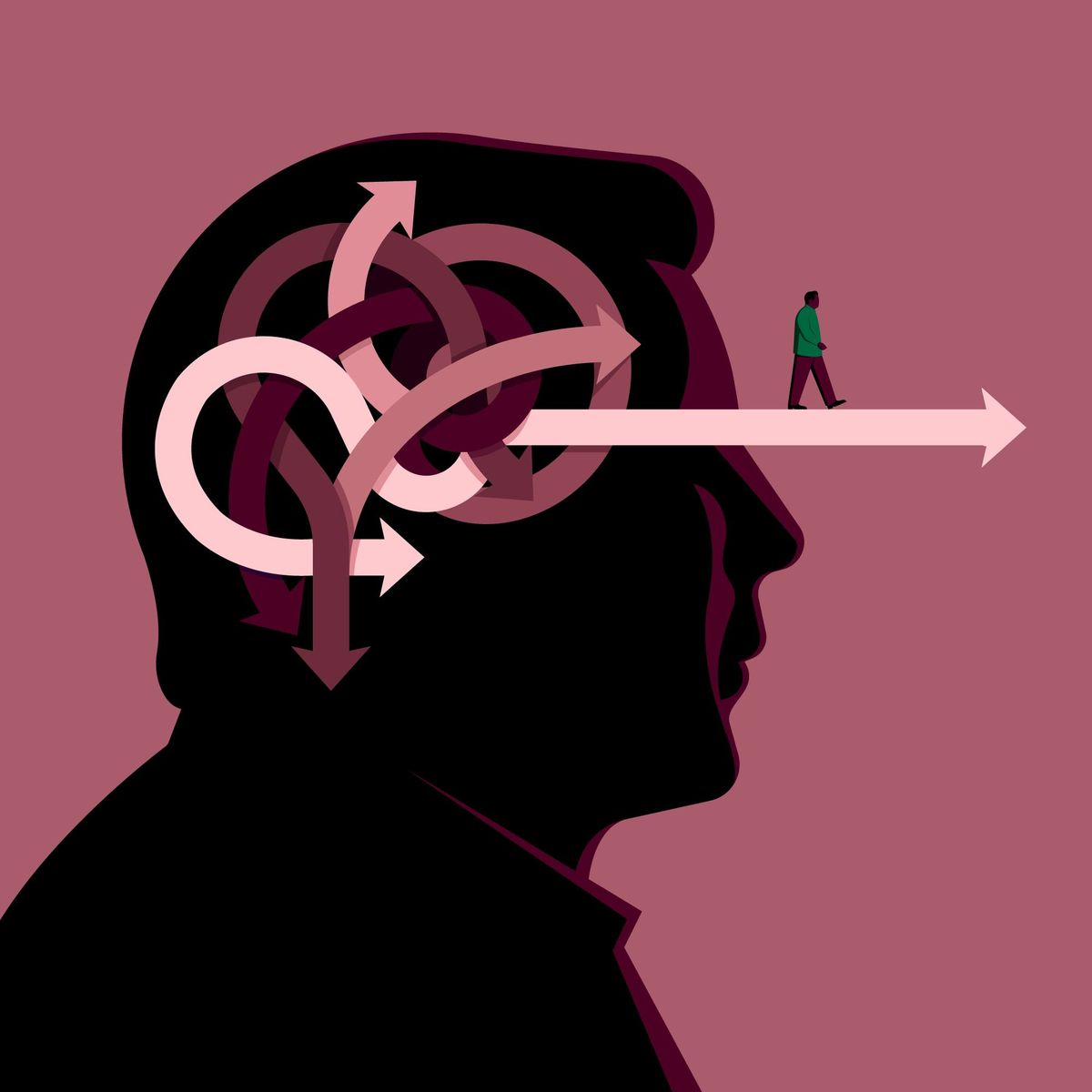
Hyperfocus, Intensity Cycles, and the Binge-Rest Pattern

This also explains why I can read five books in a week and not pick up another for three months. This is a hyperfocus-intensity cycle, a pattern common in brains wired for deep, immersive focus.
Hyperfocus feels effortless from the inside: hours dissolve, the outside world becomes noise. But it is cognitively expensive. The months of quiet afterwards might seem like laziness, but they are, in fact, recovery.
The long rest is the cost of operating at that level of intensity, and skipping it is not really an option your brain will allow.
You Are Not Undisciplined. You Are Just Wired Differently.
The popular framing around binge-watching almost always defaults to moral judgment — poor self-control, inability to moderate. But psychology tells a different story entirely.
Your brain is doing exactly what it is designed to do: seek completion, resist open loops, reward sustained attention, protect immersive states from interruption, and, when immersion is no longer possible, protect you from wasting time on something that cannot hold up without it.
That is efficiency, from all angles observed.