Mold Exposure Symptoms: How Mold Can Mimic Anxiety, ADHD, and Chronic Fatigue
Mold exposure symptoms can mimic anxiety, ADHD, and chronic fatigue. Learn how hidden mold affects the brain, causes inflammation, and impacts mental health.
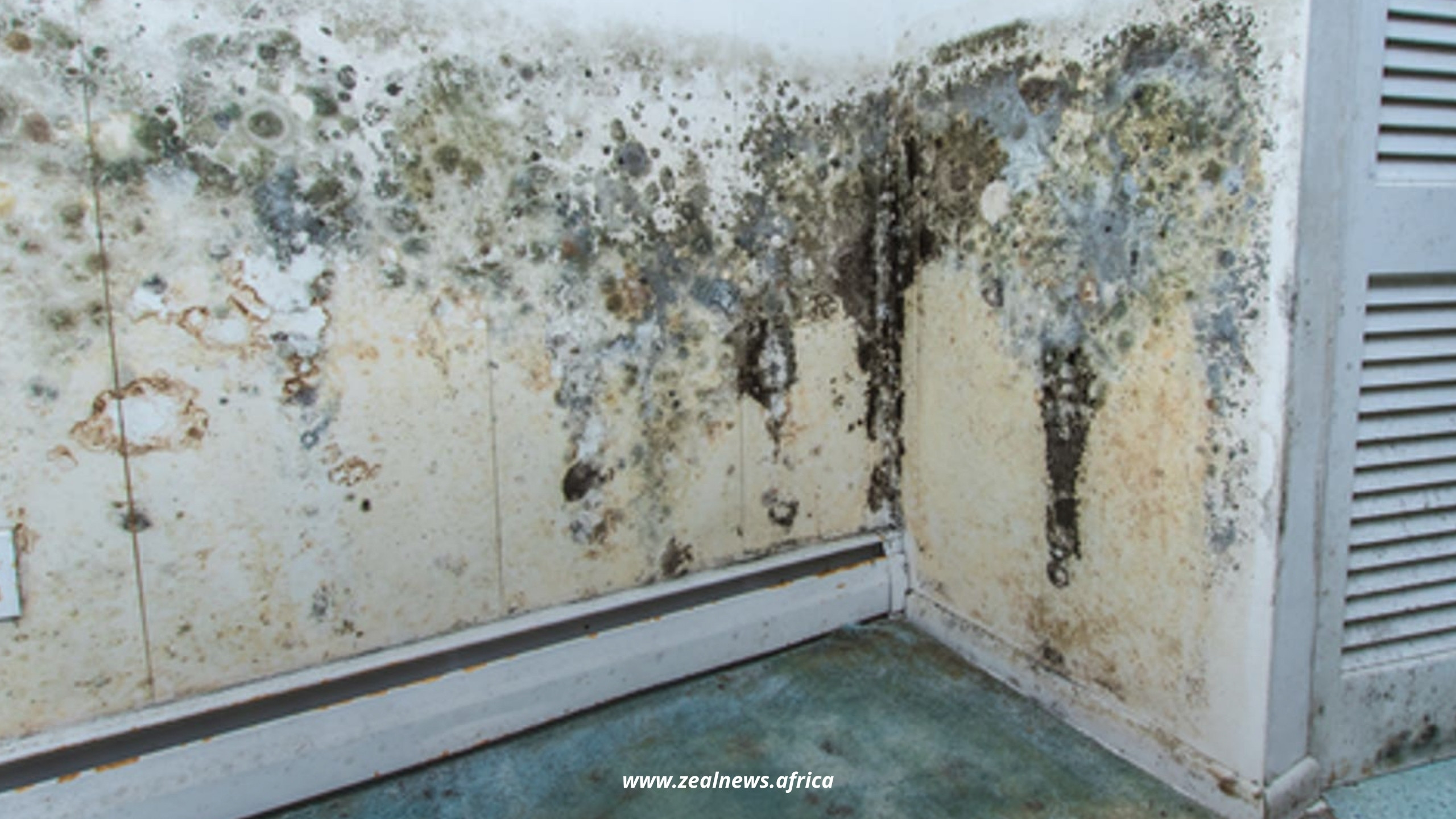
You've tried journaling. You've downloaded three meditation apps. You told yourself it is just the stress of being young and broke in this economy. But what if I told you the reason your brain feels like it is loading on 2G is the black patch spreading quietly behind your wardrobe?
Mold exposure is one of the most underdiagnosed health issues affecting young people today, especially in humid climates like West Africa's, and it doesn't just give you a stuffy nose.
It mimics anxiety disorders, ADHD and chronic fatigue so convincingly that most people spend years treating the wrong thing.
What Mold Actually Does to Your Brain
When mold grows in your environment, it releases microscopic spores and toxic compounds called mycotoxins. These compounds are neurologically active.
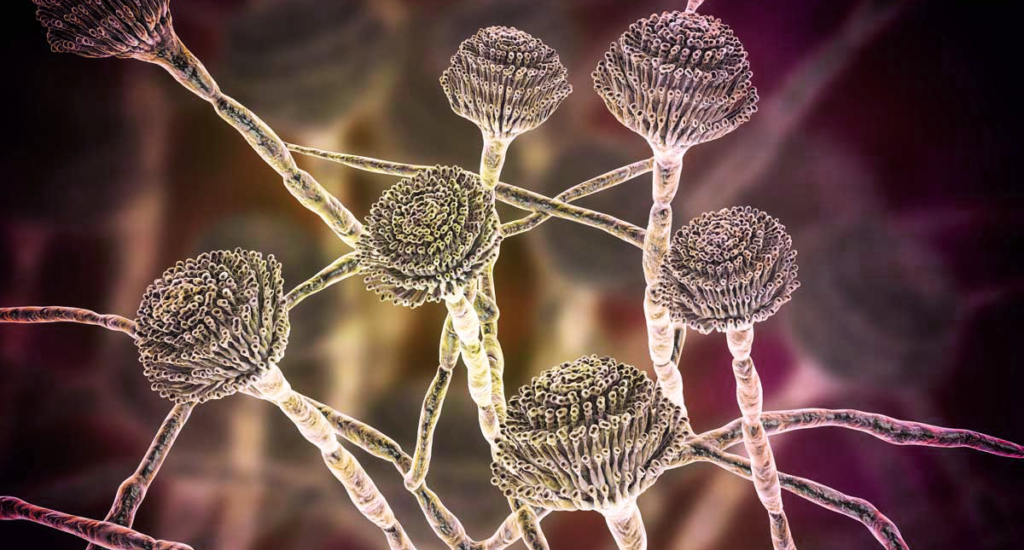
Research has found that inhaling mold triggers innate immune activation, disrupting how the brain processes emotion, memory, and attention.
Once mycotoxins enter the bloodstream, they can cross the blood-brain barrier, activating microglia, the brain's immune cells.
When these cells stay on high alert indefinitely, they release cytokines (inflammatory chemicals) that interfere with how neurons communicate, impacting mood, focus and energy. This is the biological basis of what many doctors dismiss as "stress."
Research published in the National Library of Medicine surveyed nearly 6,000 people and found that those with higher mold exposure were significantly more likely to report depression, anxiety, fatigue, and persistent headaches.
Another study in the Journal of Attention Disorders surveyed close to 2,000 children and found that higher mold exposure in the home was directly associated with ADHD diagnoses.
Mold Exposure Symptoms: When Your Environment Is Gaslighting You
One reason mold-related illness is so easy to miss is that the symptoms look exactly like common mental health conditions:
Brain fog and poor concentration — forgetting words mid-sentence, inability to stay on task, feeling mentally delayed
Unexplained anxiety and panic attacks — not because anything is psychologically wrong, but because the brain is physically inflamed
Chronic fatigue — the kind where sleeping eight hours still feels like nothing
Mood swings and irritability — often mistaken for hormonal issues or emotional dysregulation
Memory problems — misplacing things, losing track of conversations
Sleep disturbances — researchers found that mycotoxins disrupt circadian rhythms, making quality rest almost impossible
The condition that often results from long-term mold exposure is called Chronic Inflammatory Response Syndrome (CIRS). This is a multi-system illness triggered by biotoxin exposure.
Many people with CIRS spend years being treated for depression, ADHD, or burnout because standard medical tests don't screen for mycotoxin illness.
Getting Rid of Mold — The African Way

The good news is that some of the most effective tools against mold exist right in a typical African kitchen.
Cloves (Kanafuru): Clove oil contains eugenol, a compound with documented antifungal properties. Add a few drops to water and spray on affected surfaces, or place dried cloves in enclosed spaces like wardrobes and corners where mold likes to settle.

Ginger and bitter kola: Both are powerful antifungals and immune boosters. Brewing strong ginger tea with cloves and honey and drinking it daily helps support lung function and clear respiratory symptoms caused by mold inhalation.
Chewing one to two seeds of bitter kola daily supports mucus clearance and respiratory relief.

Neem leaves (dongoyaro): Known across West Africa for its antimicrobial and antifungal properties, neem is a natural solution on two fronts. Boil neem leaves and use the cooled water to scrub moldy walls. You can also burn dried neem as a natural fumigant in damp rooms.
Ventilation and sunlight: This is the oldest remedy in the book and it is free. Mold thrives in darkness and moisture. Open your windows. Move furniture away from walls. Let your room breathe.
Moringa (zogale): Rich in antioxidants and immune-supporting compounds, moringa powder added to meals or taken as tea helps the body recover from the internal inflammation mold causes.
The Bigger Picture
If you have been feeling mentally scattered, inexplicably exhausted, or emotionally unstable in a space that never quite dries out, look at your walls before you look at your mind.
Mold-related mental health symptoms are real, they are physical, and they are reversible once the source is gone.