Best and Worst Foods for Heartburn: What to Eat to Reduce Acid Reflux
That burning in your chest is not random. Read about the foods that trigger heartburn, the ones that calm it, and simple eating habits that can stop acid reflux before it starts.
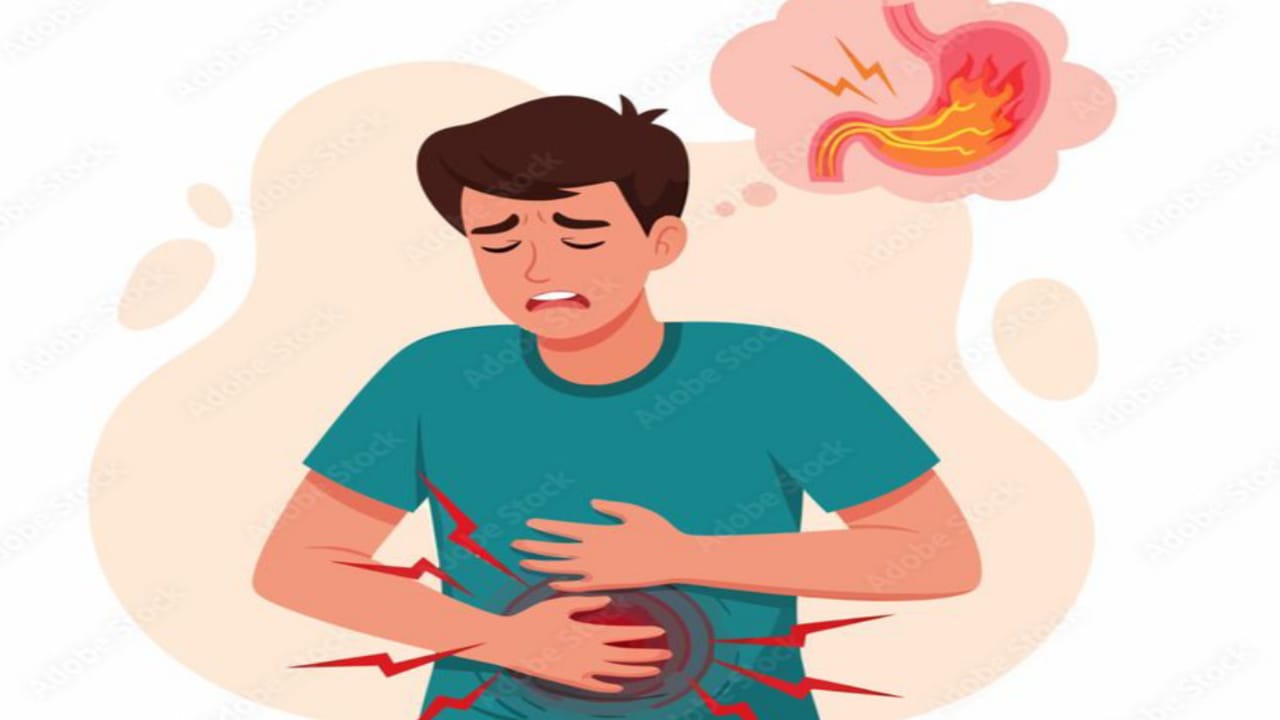
Heartburn is often treated like a random inconvenience, but it is usually the body reacting to very specific triggers. That burning sensation rising from the chest is caused by stomach acid moving where it should not.
While medication can offer temporary relief, long-term control depends largely on diet and eating habits. Knowing which foods aggravate heartburn and which ones calm it can significantly reduce how often symptoms appear and how severe they become.
What Causes Heartburn
Heartburn occurs when stomach acid flows back into the oesophagus, a condition known as acid reflux. The oesophagus lacks the protective lining found in the stomach, so even small amounts of acid can cause irritation.
Certain foods relax the lower oesophageal muscle, allowing acid to escape, while others increase acid production or delay digestion.
Large meals, late-night eating, and lying down too soon after meals increase pressure in the stomach, making reflux more likely.
Symptoms of Heartburn You Should Never Ignore
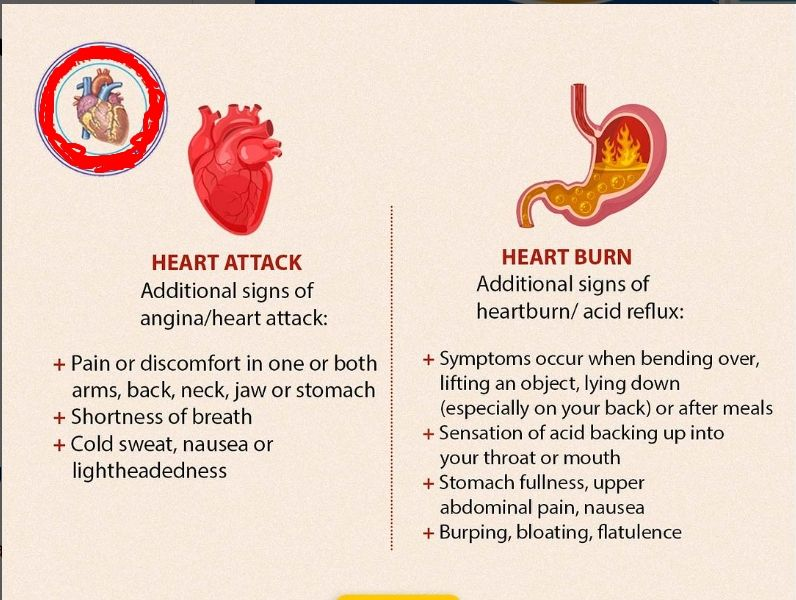
Heartburn usually begins with a burning sensation in the chest, often just behind the breastbone. This discomfort can rise upward toward the throat, especially after eating or when lying down.

Many people describe it as a warm, tight, or painful feeling that worsens after heavy meals, spicy foods, or late-night eating. The intensity can range from mild irritation to sharp discomfort that mimics chest pain, which is why heartburn is sometimes mistaken for a heart problem.
Another common symptom is acid regurgitation, where stomach acid or partially digested food flows back into the throat or mouth. This can leave a sour or bitter taste and may be accompanied by excessive burping or bloating.
Some people experience difficulty swallowing or a feeling that food is stuck in the chest. Chronic heartburn can also irritate the lining of the oesophagus, making these symptoms more frequent and uncomfortable over time.
Heartburn can also affect areas beyond the chest. Persistent reflux may cause chronic coughing, hoarseness, or a sore throat, especially in the morning. Some people notice worsening symptoms at night, leading to disrupted sleep and fatigue.
When heartburn becomes frequent or severe, it may signal an underlying condition such as acid reflux disease and should not be ignored.
Recognizing these symptoms early helps prevent long-term irritation and complications.
Worst Foods for Heartburn
Some foods are well-known triggers because they stimulate acid production, slow digestion, or relax the muscle that keeps acid in the stomach:
Spicy foods such as pepper, chili, and hot sauces
Fried and fatty foods, including fast food and deep-fried snacks
Citrus fruits like oranges, lemons, and grapefruits
Tomatoes and tomato-based sauces
Chocolate
Coffee and other caffeinated drinks
Alcohol
Carbonated beverages
These foods do not affect everyone the same way, but frequent consumption increases the likelihood of recurring heartburn, especially when eaten in large portions or close to bedtime.
Best Foods That Help Calm Heartburn
Certain foods help absorb excess acid, support digestion, and reduce irritation in the oesophagus:
Oatmeal and whole grains
Brown rice
Bananas, melons, and apples
Vegetables such as broccoli, cucumber, spinach, and green beans
Lean proteins like chicken, fish, and eggs
Ginger
Herbal teas
These foods are low in acid and fat, making them easier to digest. They also help maintain a steady digestive process, reducing the pressure that leads to reflux.
How to Eat to Reduce Heartburn
Managing heartburn requires attention to both food choices and eating habits. Eating smaller, more frequent meals prevents the stomach from becoming overly full.
Chewing slowly improves digestion and reduces swallowed air, which can increase stomach pressure.
Avoid lying down or sleeping for at least two to three hours after eating. Choosing grilled, baked, or steamed foods over fried options also helps limit acid production.
Long-term relief comes from consistency. Identifying personal trigger foods through observation or a food diary allows for smarter choices.
Staying hydrated, maintaining a healthy weight, and limiting late-night snacking further reduce the risk of reflux.
When diet and habits are aligned, heartburn becomes far less frequent and easier to manage without heavy dependence on medication.