Directors Vow Bolder, Bigger 'KPop Demon Hunters' Netflix Sequel
Directors Maggie Kang and Chris Appelhans discuss the phenomenal success of Netflix's "KPop Demon Hunters," including its Oscar nominations and global fan impact. They reveal insights into its unique character designs, the challenges of filmmaking, and the cultural significance of the animated feature for Korean cinema, all while teasing an even more ambitious sequel.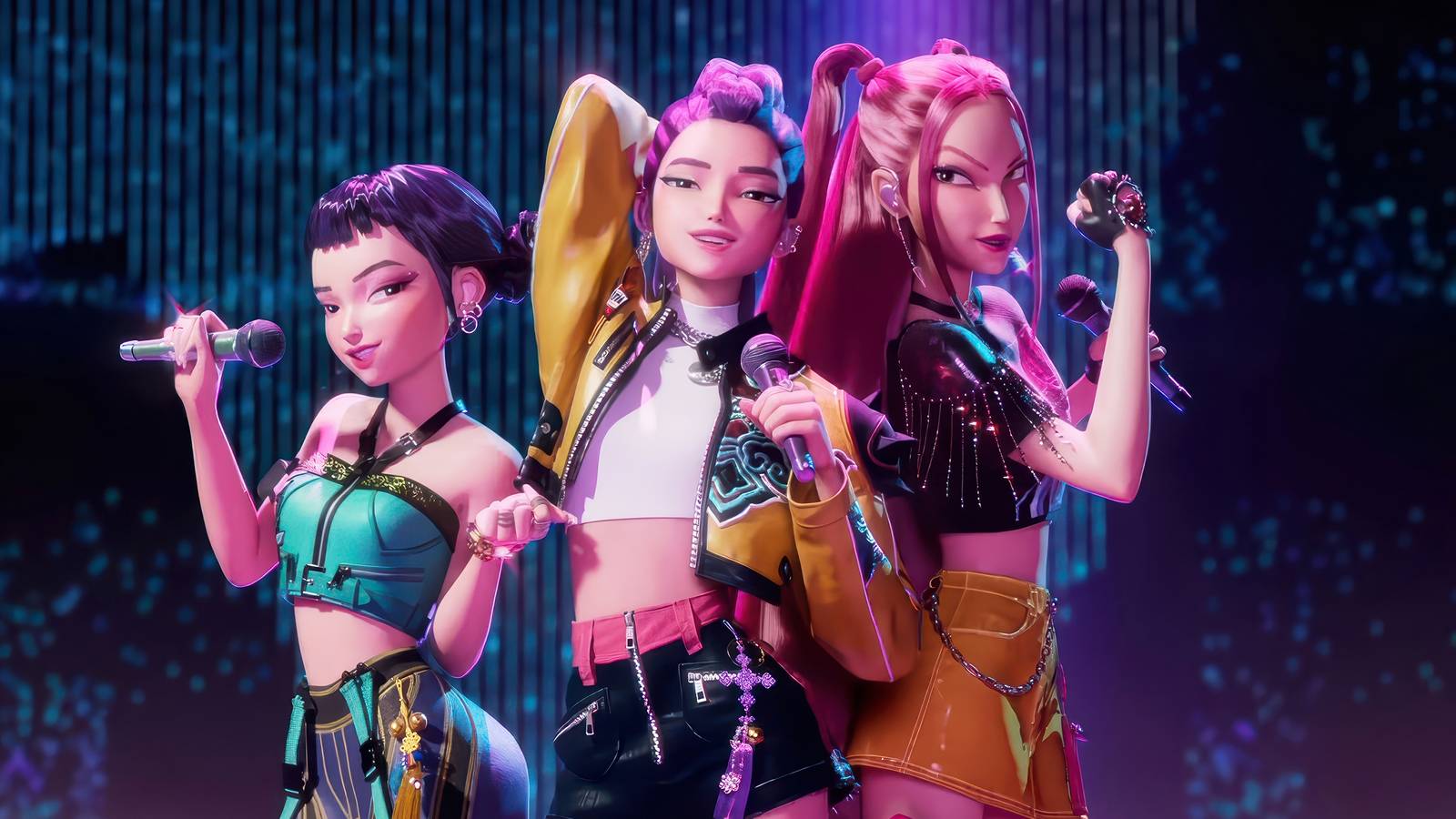
Netflix's "KPop Demon Hunters," directed by Maggie Kang and Chris Appelhans, has achieved monumental success since its summer 2025 debut, soaring to the top of the streamer’s Top 10 chart and becoming its most-watched feature of all time. Beyond its brilliant visuals and original storytelling, the film's K-pop-inspired soundtrack went platinum, earning a Grammy Award win and attention from the Golden Globes and Critics Choice Awards. The animated feature has now garnered two Academy Award nominations for Best Animated Feature and Best Original Song for “Golden,” marking an “epic” achievement for Korean filmmaking.
In a recent exclusive Q&A moderated by Collider's Perri Nemiroff, Kang and Appelhans reflected on the film’s whirlwind eight months of success. Maggie Kang, who penned the story of the demon-hunting K-pop trio — Rumi (voiced by Arden Cho and singer-songwriter EJAE), Mira (May Hong/Audrey Nuna), and Zoey (Ji-young Yoo/Rei Ami) — shared the profound personal significance of the Academy recognition. As a Korean filmmaker, Kang highlighted how seeing “Parasite” win Best Picture was a monumental moment for Korean culture, and she views "KPop Demon Hunters" taking a culturally Korean film to the Oscars in the animation category as equally epic, proving that taking bold risks in Hollywood pays off.
Chris Appelhans expressed immense gratitude and pride for their team, likening animation to a symphony orchestra that simultaneously writes and performs its music. He emphasized their initial goal of doing something new: crafting interesting female characters, blending pop music with storytelling in an unprecedented way, and infusing "Koreanness" into every aspect of the film. Appelhans felt that the Oscar nomination solidified their place in history, celebrating a "weird, fun film" being recognized on such a grand stage.
The directors also spoke about the surreal experience of seeing their fictional K-pop band, HUNTR/X, come to life on stage. Kang recalled the early discussions about forming a brand-new K-pop group, a challenging endeavor that nonetheless resonated with fans immediately. The vocalists performing live validated their vision, proving they could create a beloved group from scratch. Appelhans noted how the voice actors, who had recorded their parts separately, connected deeply with their dimensional, "weird" characters, such as those with "cavernous nostrils" and an insatiable appetite for Ramen, symbolizing aspirations for young women.
The film’s unique release strategy, going directly to Netflix during COVID, allowed for immediate global reach in 98 countries and 45 languages. Kang, a first-time director, was grateful for the opportunity to release the original IP. Appelhans observed the "effortless and passionate word of mouth" generated by fans on social media, who created viral supercuts and mash-ups that sometimes moved even the directors themselves. This "meritocracy of streaming" allowed the story to travel the world and win people over on its own merits, inspiring many to create their own fan content, often capturing the filmmakers' original intentions with astonishing accuracy.
The creative partnership between Kang and Appelhans was crucial. Appelhans admired Kang's courage in portraying goofy, funny, and weird female characters, a risk that mirrored the film's core theme of bravery and vulnerability. Kang, in turn, praised Appelhans for his unwavering support of her vision, especially the cultural specificities and minute details like character expressions. She highlighted his deep musical expertise, which complemented her own passion for music and significantly shaped the film's song structures and scene crafting. Both directors acknowledged the immense personal sacrifices, including countless late nights and weekends, driven by a shared hunger to push boundaries and create something truly unique and different.
Despite the perception of a smooth process, the directors faced significant battles. One early epiphany, as Appelhans noted, was deciding that "KPop Demon Hunters" would *not* be an origin story, despite introducing original mythology and characters. They tried numerous versions of the opening 15 minutes, but the film kept rejecting heavy backstory. Instead, they focused on letting audiences quickly understand the characters' personal stakes. A delicate plot detail that proved instrumental was the realization, during the creation of the final song "Golden," that the girls had nowhere to turn but each other. This brief but powerful narrative snippet conveyed their desperation and made audiences root for their all-or-nothing journey.
Regarding character evolution, both directors agreed that Gwi-ma, the main villain, underwent the most significant transformation. Initially conceived with comical elements, the studio's insistence on a threatening antagonist led them to explore designs beyond a man or monster. The pivotal idea was Gwi-ma representing an "inner demon," the voice in one's head that instills self-worthlessness. This concept manifested in Gwi-ma becoming a "flaming mouth," imbued with supernatural presence and brought to life by Lee Byung-hun's charismatic voice. This portrayal allowed the film to explore themes of connection and vulnerability as positive forces against Gwi-ma's toxic, wearing-down influence, making the characters' choices to overcome their inner voices more compelling than a simple physical battle.
The design of the other Korean-inspired demons also captivated audiences. Kang explained their intention to feature three or four types of Korean demons. The black cat Saja Boys, inspired by Korean Grim Reapers, were conceived early on as a "horrible demon boy band." Other plain demons, resembling shapeshifting goblins, were designed with a "puppety" feel, drawing inspiration from colorful wooden masks used in traditional Korean ceremonies and vibrant temple aesthetics. Water demons were depicted with slithering movements, akin to salamanders. Character designer Jeannie Lee masterfully balanced threat with visual appeal, ensuring the demons were scary but not overly so. Lee also designed the three ajummas (grandmothers), a film idea Kang jokes she would love to see.
The finale song sequence was deemed a "monster" to design. An eight-minute storytelling piece, it had to serve as a climax while also being an anthemic, inevitable triumph. This complex sequence required blending Rumi's closing philosophy, the girls' reconciliation, Gwi-ma's response, Jinu's sacrifice, and a powerful build-up. The directors meticulously crafted the song structure and choreographed visuals, likening it to a Super Bowl halftime show, ensuring each element supported the plot points and delivered a thrilling emotional experience.
Looking ahead, the confirmed sequel promises to be even more boundary-pushing. Appelhans humorously teased more "sexy clavicles," but both directors affirmed their commitment to challenging themselves and maintaining the high standards set by the first film. They will continue to create what they want to see, while also considering fan desires, viewing the sequel as an opportunity to level up in story, theme, and animation. Their journey with "KPop Demon Hunters" taught them that being scared is a positive sign, indicating they are creating something different and unseen. This embrace of fear, coupled with supportive partners and passionate crew members, fueled their drive to push boundaries and deliver a truly unique animated story.