Algeria's Economy Is Growing, But 3.7% Raises Bigger Questions
Algeria’s 2026 growth forecast has been raised to 3.7% by the World Bank, but a closer look reveals deeper concerns about oil dependence, youth unemployment, and structural economic challenges.
The World Bank just upgraded Algeria's growth forecast for 2026 to 3.7 percent which is a modest but notable increase from the 3.5 percent projection made in January.
On paper, that is good news. Algeria is one of only three countries in the Middle East and North Africa region to see its forecast revised upward this year, while the region as a whole is expected to grow at just 1.8 percent.
The numbers seem promising. However, in Algeria's case, the story is far from what the World Bank bulletin suggests.
The Headline Looks Better Than It Is
As much as the growth is real and tangible, context still matters.
Algeria's improved outlook is driven largely by higher export revenues from oil and gas, which are expected to narrow the country's current account deficit from 5.9 percent of GDP in 2025 to 2.4 percent in 2026.
That sounds like progress until you realise that the engine behind it is the same engine Algeria has been running on for decades:hydrocarbons. Oil and gas account for over 90 percent of the country's export revenues and nearly half of government income.
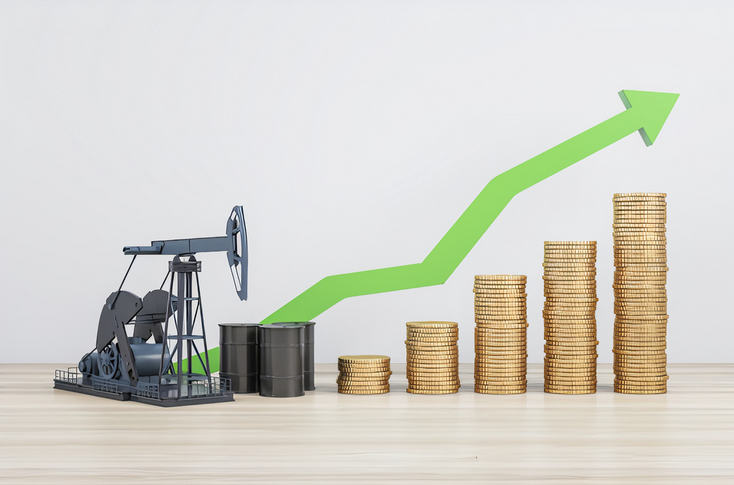
When global energy prices go up, Algeria does well. When they fall, the economy bleeds. That is just a gamble dressed up in economic language, making it vulnerable to global price shocks.
Although, this is not a new problem. Algeria has been warned, by the IMF, the World Bank, and its own protest movements, that building an economy on a single commodity is a structural trap.
The 1980s oil crash triggered years of austerity and social unrest that culminated in a brutal civil war in the 1990s.
The memory of that period is still politically charged. Yet, the fundamental dependence has not changed in any meaningful way.
The Youth Problem No One Wants to Say Out Loud
Even with such increased GDP, youth unemployment is sitting at roughly 30 percent. Nearly one in three young Algerians who want to work cannot find a job.
Outside the hydrocarbon sector, the economy has not developed enough to absorb the wave of young people entering the labour market each year. The education system produces graduates but employers say those graduates lack the practical skills the job market actually needs.
The informal economy has become the unofficial safety net. Around 39 percent of Algeria's workforce operates outside formal employment — no contracts, no protections, no long-term stability.
For a country with the 10th largest natural gas reserves in the world, that is a great contradiction. Algeria sits on enormous natural wealth, and yet large portions of its population, especially young people, are not getting any real share.
The Bureaucracy Trap
Even when young Algerians try to create their own economic opportunities through entrepreneurship, they run into an obstacle. Setting up a business in Algeria means navigating a slow, paperwork-heavy system that discourages the kind of risk-taking any diversified economy needs.
The Algerian Council for Economic Renewal has publicly flagged delays in project approvals and a lack of administrative responsiveness. Major international oil companies like BP and Equinor have quietly exited the market, citing regulatory and profit-sharing challenges.
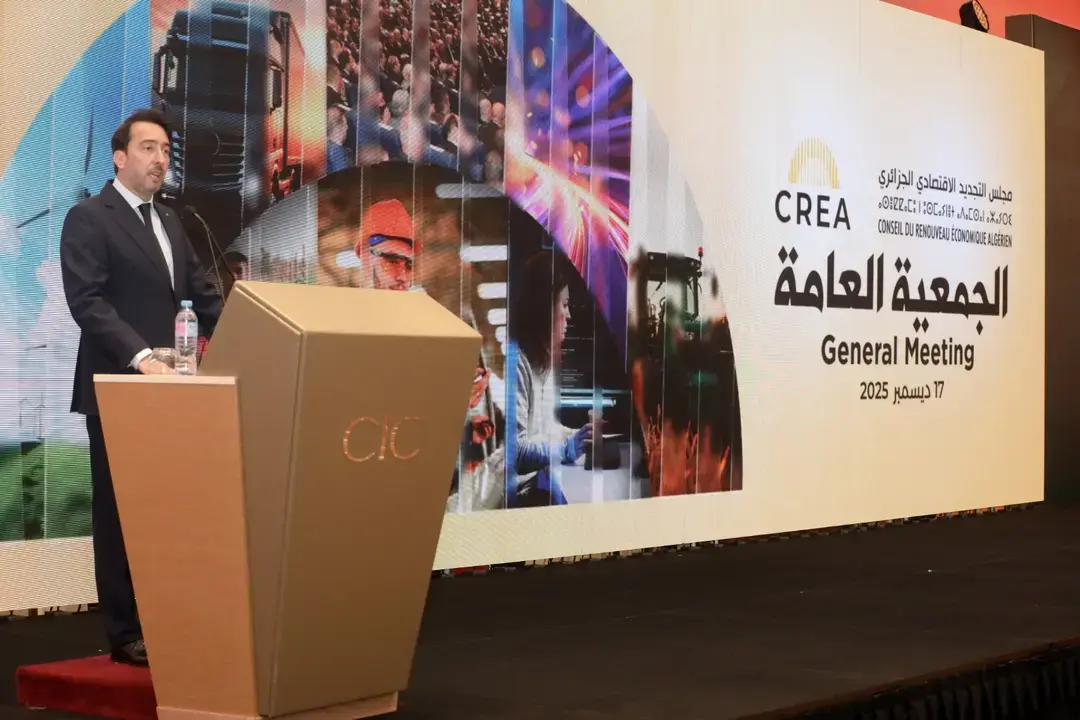
If experienced multinationals are walking away, it signals deeper issues in how Algeria manages its investment climate.
President Tebboune's administration has made economic reform a priority. The government approved its largest-ever budget for 2026, worth around $135 billion, and there has been movement toward industrial policy and anti-corruption measures.
However, the structural dominance of state-owned enterprises, the influence of entrenched business elites and bureaucratic resistance mean that private sector growth remains stunted.

Algeria's fiscal deficit stood at 11.5 percent of GDP in 2025 — the largest of any oil-exporting country in the region — and debt is projected to reach 80 percent of GDP by 2030.
What This Means for Africa
Algeria is a case study in the resource curse that has affected economies across the continent. The pattern is familiar: natural resource wealth that concentrates power, suppresses diversification and ultimately fails the majority of the population, especially the young.
Africa's fastest-growing economies are increasingly the ones that have built non-extractive industries — logistics, fintech, manufacturing, creative sectors.
Algeria's 3.7 percent forecast is a reminder that growth and development are not the same thing.