8 Controversial Laws Still Enforced in African Countries
From anti-LGBTQ+ crackdowns to colonial-era defamation laws and witchcraft accusations, these eight controversial African laws continue to challenge modern human rights and social progress.
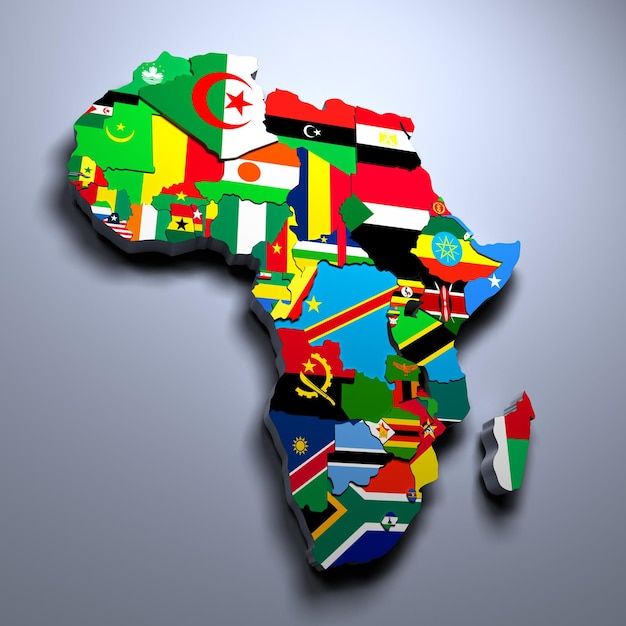
Across the African continent, legal systems carry the weight of deep histories, some rooted in indigenous customs, many born from colonial blueprints, and others shaped by evolving political landscapes. But even in an era of growing democratization and digital activism, some laws remain stubbornly stuck in the past—or serve as tools of state control.
From the right to love, speak freely, and dress how one chooses, to fundamental questions of citizenship and belief, legal frameworks in several African countries continue to spark fierce debate.
Here are 8 controversial laws still enforced across African nations—laws that raise serious questions about justice, human dignity, and the road ahead.
1. Anti-LGBTQ+ Laws – Uganda, Nigeria, Ghana & Others
More than 30 African countries criminalize same-sex relationships. But Uganda and Nigeria, in particular, have adopted especially punitive measures.
Uganda: Death Penalty for “Aggravated Homosexuality”
In 2023, Uganda passed one of the harshest anti-LGBTQ+ laws in the world. The Anti-Homosexuality Act prescribes life imprisonment for same-sex intimacy and introduces the death penalty for "aggravated homosexuality"—defined as repeat offenses or acts involving minors, vulnerable people, or HIV-positive individuals.
Nigeria: The 2014 Ban on Marriage, Affection, and Advocacy
Nigeria’s Same-Sex Marriage (Prohibition) Act criminalizes not only same-sex marriage (up to 14 years in prison), but also public displays of affection, and even supporting or joining LGBTQ+ groups.
Why it’s controversial:
These laws not only violate international human rights standards but also fuel violence, blackmail, and discrimination. While defenders claim they reflect “African values,” historians note that many precolonial African societies had more fluid and tolerant views on sexuality than British colonial penal codes.
2. Criminal Defamation and Insult Laws – Zimbabwe, Senegal, Ethiopia
Across parts of Africa, it remains a criminal offense to insult or criticize the President or government—even on social media.
Zimbabwe: Section 33 of the Criminal Law Act
This law criminalizes statements that “undermine the authority” of the President. Citizens have been arrested for WhatsApp posts, protest slogans, or satire perceived as offensive.
Senegal: The Pape Alé Niang Case
In 2022 and 2023, prominent journalist Pape Alé Niang was arrested multiple times under cybercrime and defamation laws after reporting on Senegalese police practices. His case sparked global outcry from press freedom advocates.

Ethiopia: Broad Defamation and “Fake News” Charges
Ethiopia has prosecuted journalists under laws against “dissemination of false information,” sedition, and terrorism—raising concerns about shrinking civic space.

Why it’s controversial:
These laws are widely criticized for stifling dissent, silencing journalists, and weaponizing legal systems against free speech. Legal scholars argue that civil remedies—not criminal punishments—are the appropriate response in democratic societies.
3. Public Decency and Dress Code Laws – Sudan, Eritrea
In several African countries, how you dress—especially as a woman—can be deemed a legal offense.
Sudan: Flogged for Trousers
Until 2020, Sudan’s Article 152 allowed women to be flogged in public for wearing “indecent clothing”—a term never clearly defined. Trousers, short skirts, and even dancing in public could prompt arrests.
Eritrea: State-Enforced Conservatism
While Eritrea does not publish detailed legal codes publicly, U.S. State Department reports describe enforcement of vague public morality laws—restricting hairstyles, clothing, and youth gatherings, particularly for women and students.
Why it’s controversial:
Such laws often reflect patriarchal control, target women disproportionately, and criminalize cultural expression. They also leave enforcement to the subjective discretion of police—often leading to harassment and abuse.
4. Witchcraft and Sorcery Laws – Tanzania, Ghana, DRC
In parts of Africa, belief in witchcraft coexists with the law—and sometimes becomes the law itself.
Tanzania: Deadly Superstition
Hundreds of people—mostly elderly women and people with albinism—are murdered annually after being accused of witchcraft. While the government has laws criminalizing sorcery, enforcement is patchy, and mob violence is common.
Ghana: The Witch Camps
In northern Ghana, several “witch camps” still house women banished by their communities after accusations of witchcraft. While technically illegal, the camps remain a tolerated solution to social fears.

Why it’s controversial:
These laws lack clear definitions and frequently become tools for property disputes, gender-based violence, or scapegoating vulnerable individuals. Reform advocates are pushing for community education and dismantling of these extrajudicial practices.
5. Sedition and Anti-Terror Laws – Ethiopia, Rwanda, Cameroon
Initially created to combat extremism, many anti-terror and sedition laws in Africa are now used to suppress opposition and civic activism.
Ethiopia: The Case of Eskinder Nega
Journalist and activist Eskinder Nega has been imprisoned multiple times under anti-terror laws for speeches and articles critical of government policies. Ethiopia’s sweeping definitions of terrorism allow for long-term detention without trial.
Rwanda: Silence in the Name of Unity
While Rwanda has made remarkable development gains, its government has used laws against genocide denial, hate speech, and “divisionism” to prosecute critics, media workers, and exiled dissidents.
Why it’s controversial:
Vague definitions and politicized enforcement mean these laws often conflate criticism with crime. While national unity is important, so is space for pluralism and disagreement in democratic societies.
6. Adultery Laws – Mauritania, Somalia, Sudan
In some countries, adultery isn’t just a social taboo—it’s a criminal offense with severe penalties.
Mauritania: Death by Stoning (on the Books)
Under certain interpretations of Sharia law, adultery is punishable by stoning to death in Mauritania. While executions are rare, the law remains codified and legally enforceable.
Somalia: Floggings Under Militant Rule
In regions of Somalia controlled by groups like Al-Shabaab, public whippings and even executions for adultery have been reported, often without trial.
Why it’s controversial:
Adultery laws disproportionately affect women, and in some tragic instances, rape survivors have been prosecuted after failing to prove coercion. These laws violate international human rights norms and fail to provide equal protection.
7. Restrictions on Protest and Assembly – Egypt, Eswatini, Algeria
In many countries, the constitutional right to protest is undermined by secondary laws or violent crackdowns.
Egypt: Protest Law (2013)
This law requires prior government approval for any public gathering. In practice, this amounts to a de facto ban on protest, with activists routinely jailed for “unauthorized assembly.”
Eswatini: Monarchy vs. Democracy
Eswatini, Africa’s last absolute monarchy, has faced growing pro-democracy movements—met with live ammunition, arrests, and disappearances. Protest leaders have been killed, imprisoned, or forced into exile.
Algeria: Post-Hirak Repression
After the mass Hirak protests in 2019, thousands of Algerians were arrested for participating in or organizing peaceful demonstrations. Laws criminalizing "unauthorized gatherings" remain in effect.

Why it’s controversial:
Suppressing peaceful protest not only violates international human rights treaties, but also breeds resentment and political instability. Many argue that genuine reform, not repression, is the key to long-term peace.
8. Ban on Dual Citizenship – Tanzania, Equatorial Guinea, Eritrea
As migration and diaspora engagement grow, some African countries continue to ban dual nationality—limiting opportunities for their own citizens abroad.
Tanzania: Lose Your Citizenship or Choose One
Tanzanian law does not allow adults to hold dual nationality. Citizens who naturalize in another country must renounce their Tanzanian citizenship, even if they were born there.
Equatorial Guinea & Eritrea: Strict National Loyalty
Both countries enforce outright bans on dual citizenship, stripping diaspora members of rights to vote, invest, or inherit property unless they forfeit other passports.
Why it’s controversial:
These restrictions are seen as outdated in a globalized world. Dual citizens could offer vital investments, skills, and political participation—yet are pushed away by policies of exclusion.
The Law, the People, and the Future
These laws—some inherited, others invented—reflect a deep tension between tradition and transformation, security and freedom, order and rights.
Yet across the continent, young Africans, legal scholars, civil society groups, and activists are pushing back—demanding laws that serve people, not oppress them.
Change won’t come overnight. But by shining a light on these controversial codes, Africa inches closer to a legal system that reflects not just its past—but its future aspirations.