7 Social Media Security Habits You Should Have in 2026
From location tracking to weak passwords, these are the social media security habits every internet user needs in 2026 to stay safe online and offline.
Most of us are out here posting our lives online without thinking twice. A birthday dinner photo here, a "finally in Lagos" check-in there, a reel showing off the new apartment.
It feels harmless. However, it isn't always.
In 2026, the threats to your online safety are not just about hackers in dark rooms trying to break your password.
They live in the metadata attached to your photos, in the apps silently tracking your location, and in the small details you are giving away without realising it.
If you are reading this, here is what you actually need to know on protecting yourself as a social media user.
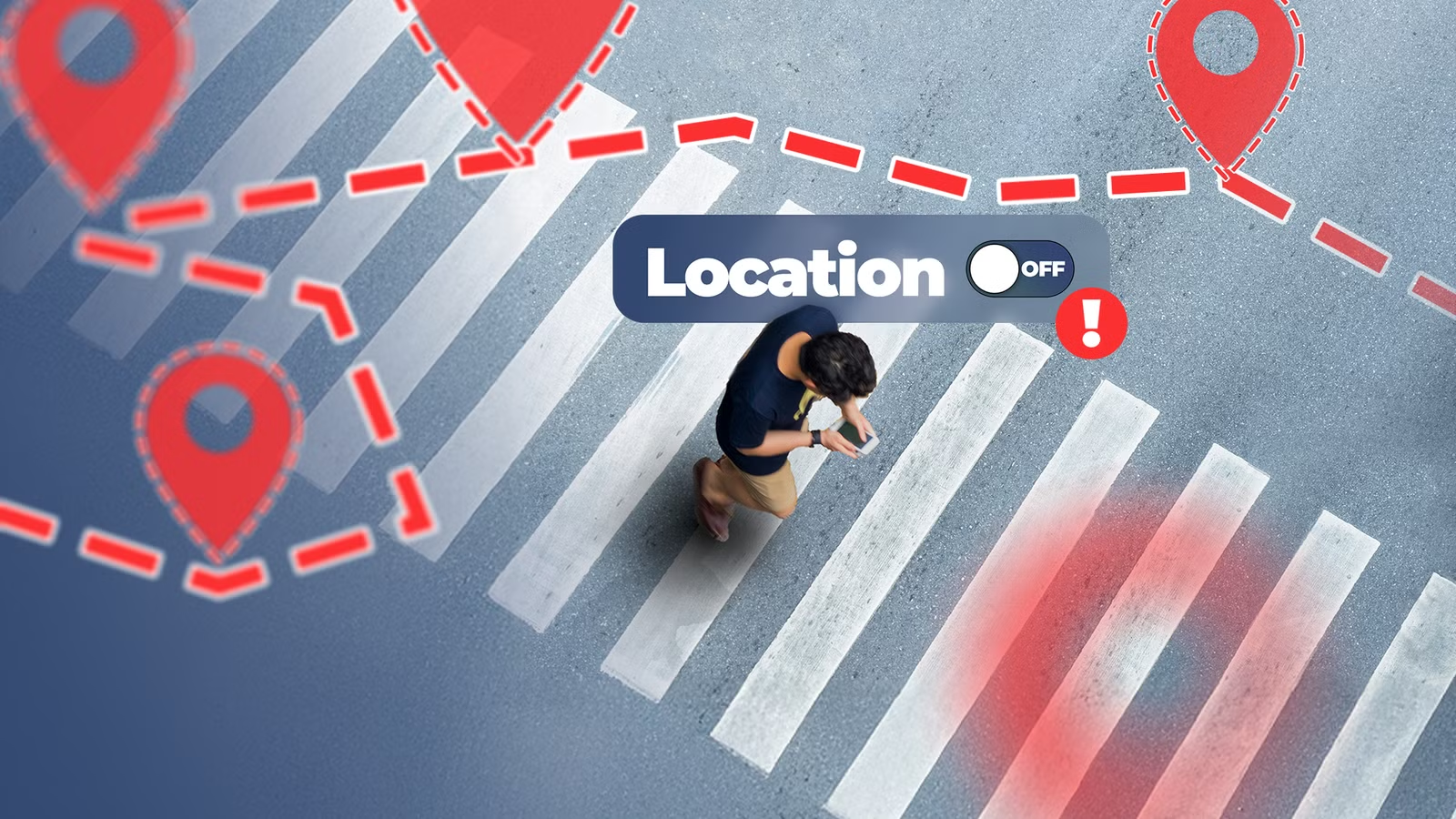
Stop Letting Apps Know Where You Are 24/7
This is the one. Location tracking is probably the biggest security risk most people aren't taking seriously.
When you download an app and it asks for access to your location, there are three options: always, while using the app, or never.
Too many people tap "always" without a second thought and move on.
Did you know apps you haven't opened in weeks are quietly logging your location in the background? Some even sell that data. Some get breached.
Either way, someone somewhere knows where you sleep, where you work, and where you go on weekends.
The fix is simple. Go into your phone settings right now and audit every app's location permission. Most of them do not need your location at all.
For the ones that do, set it to "while using the app" only. Your maps app can know where you are when you are navigating. It does not need to know where you are at 2am on a Tuesday.
Geotagged Photos Are Telling on You
You know that feature that tags your location when you post a photo? Turn it off.
Better yet, understand that even when you think you have turned it off, the photo's metadata, the invisible data attached to the image file, might still contain your exact GPS coordinates.
Latest Tech News
Decode Africa's Digital Transformation
From Startups to Fintech Hubs - We Cover It All.
This matters especially when you are posting photos from home. Someone with the right tools can pull the location data from an image you posted and find out exactly where you live.
This is how stalking cases have played out, here on this continent and everywhere else.
Before posting, check that location services are disabled for your camera app. On most phones, this is a separate permission from your gallery app.
And if you are sending photos directly through WhatsApp or DMs, know that WhatsApp strips metadata automatically, but many other platforms don't.

Post Later, Not Live
When you post in real time, a story from the exact venue you are at, a photo captioned "currently at XYZ", you are broadcasting your precise location to everyone watching, including people you didn't invite.

The safer habit is to post after the fact.
Enjoyed a dinner? Post about it when you are already home. Attended an event? Share the photos the next morning. Took a trip somewhere? Let the world know once you have landed back safely.
The content is still just as engaging. The difference is that by the time anyone sees it, you are no longer there.
This is especially important for women, for people who have dealt with unwanted attention or stalking, and honestly for anyone living in a city where security is already a daily calculation.
Real-time posting is handing people a live map of your movements. There is no reason to do it.
Your "Private" Account Is Not as Private as You Think
A private Instagram or X account feels secure, but think about who actually follows you.
That mutuals-of-mutuals situation you approved six months ago? The old classmate you accepted because you didn't want to be rude? You don't control what your followers do with what they see. Screenshots exist. Downloads exist. People talk.
Be intentional about what you post, even on private accounts. If you wouldn't want a stranger to know it, treat it as though a stranger can see it. Because eventually, they might.
Two-Factor Authentication Is Not Optional Anymore
If your accounts are still running on just a password in 2026, you are one phishing link away from losing everything. Enable two-factor authentication (2FA) on every platform.
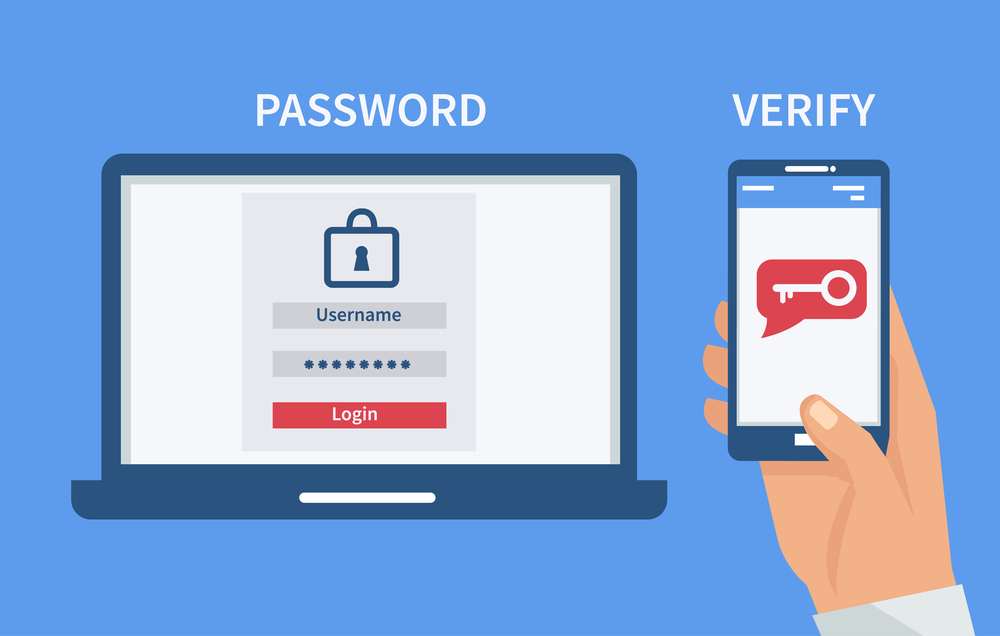
Use an authenticator app like Google Authenticator or Authy rather than SMS codes when you can, because SIM swapping, where someone convinces your network provider to transfer your number to their SIM, is a real and growing threat across Africa.
Latest Tech News
Decode Africa's Digital Transformation
From Startups to Fintech Hubs - We Cover It All.
Once they have your number, SMS-based 2FA is useless.
Think Before You "Check In"
Checking in at the airport is basically announcing you are not home. Posting "finally on holiday!" with a location tag is telling anyone paying attention that your house is empty.
Criminals, including people you might know, watch social media. Post the holiday photos when you are back. The memories will still be just as good.
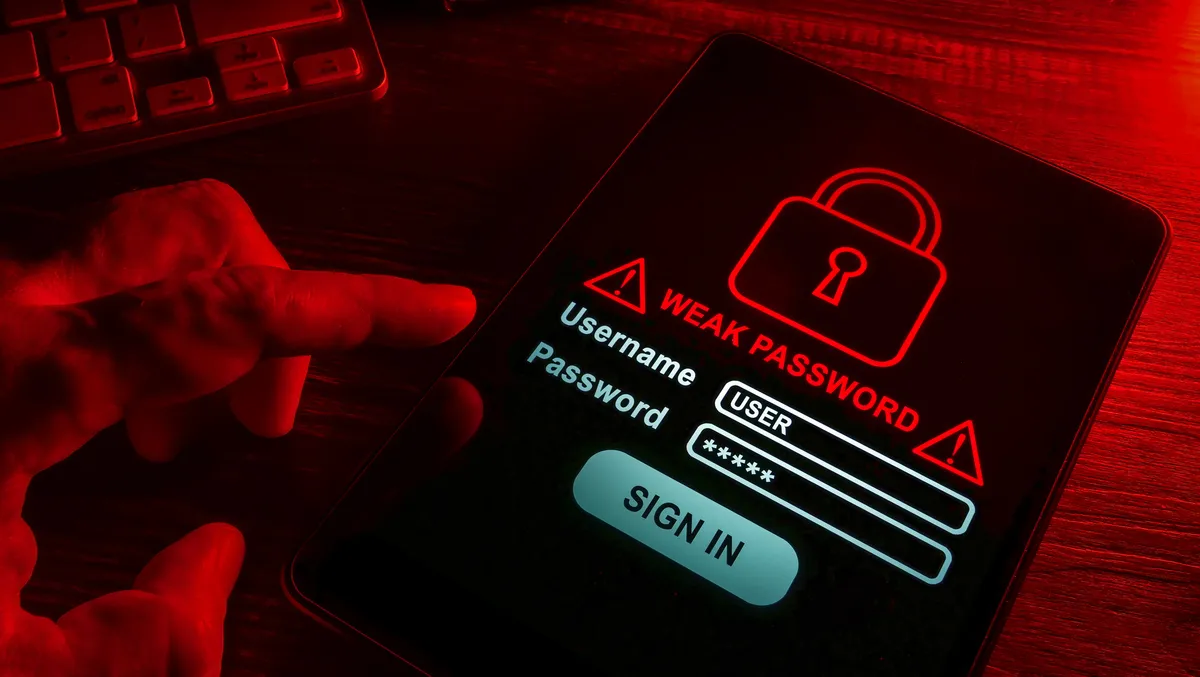
Weak Passwords in 2026 Are Embarrassing
"Nigeria2024" is not a password. Your name plus your birth year is not a password. Use a password manager and let it generate long, random passwords for each account.
Stop reusing the same password across platforms. One breach means all your accounts are exposed.
The Bottom Line
Your online life and your offline safety are not separate things anymore. What you share, where you share it, and who can see it all have real-world consequences.
Taking five minutes to lock down your location settings and tighten your privacy controls is not being paranoid. In 2026, it is just being smart.