Your Phone Might Be Fake Before You Even Turn It On. Kenya Wants To Change That.
Kenya's new licensing rules for phone and router importers go beyond counterfeit devices. They raise bigger questions about digital trust, cybersecurity, supply chains and the future of Africa's increasingly connected economy.
Twenty years ago, a phone was simply a phone. Today, it is your bank, your office, your camera, your wallet and, increasingly, your identity. Before most of us leave our homes in the morning, we check our phones before we check the weather. They know where we sleep, where we spend our money, who we speak to and, in many cases, who we are.
Yet perhaps the strangest thing about all of this is how little most people know about the devices they trust with their entire lives. We know the brands. We rarely know where they came from.
Across Africa, millions of people buy phones every year based on recommendations, social media reviews, familiarity and price tags. Few stop to ask who imported them, whether they meet safety standards, or how they found their way into the market in the first place. We trust the logo on the back of a device far more than we trust the supply chain behind it.
Perhaps the question isn't whether your phone is original, but whether we know who sold it to us in the first place. Kenya believes that question has become important enough to regulate.
The country's Communications Authority has introduced a mandatory Communications Equipment Distributor (CED) Licence for companies importing and wholesaling communications equipment such as phones, routers and modems.
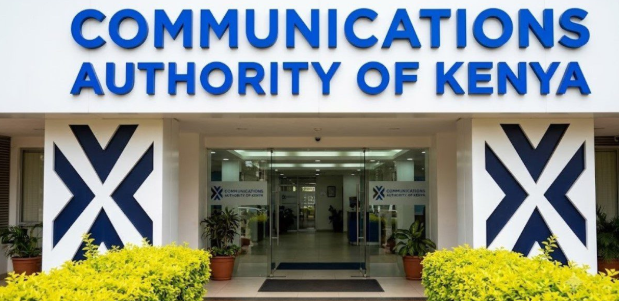
The move is designed to tighten oversight of a market that has become increasingly vulnerable to counterfeit and substandard devices while ensuring imported equipment meets the country's technical and cybersecurity standards before reaching consumers.
For many Kenyans, nothing may seem different from when this news was officially announced. You'll probably still walk into the same stores, compare prices online, and buy the same brands you've always trusted.
The difference is that the government now wants to know who brought those devices into the country long before they ever reached your hands.
At first glance, it sounds like another regulatory announcement. It isn't. It is a conversation about trust.
Africa Has A Counterfeit Technology Problem We Rarely Talk About
Africa is one of the world's fastest-growing markets for smartphones and digital services, but it is also one of the world's largest destinations for counterfeit and grey-market electronics.
Counterfeit technology rarely arrives announcing itself. It often looks identical to the genuine product sitting beside it. Sometimes it is sold as refurbished without proper disclosure. Other times, it carries a familiar logo but lacks the quality controls, security standards or software support consumers expect.
The problem extends beyond smartphones. Fake chargers, cloned accessories, substandard batteries, imitation routers and poorly manufactured communications equipment have quietly become part of everyday digital life across the continent.
Consumers usually discover the difference too late. The battery begins to swell after a few months. The device stops receiving security updates. Performance deteriorates unexpectedly. In worse cases, poor-quality batteries become safety hazards capable of overheating or exploding.
If you're in Kenya, that phone in your pocket or the router quietly powering your home Wi-Fi is now part of a much bigger conversation than most people realise. It is no longer simply about whether your device works.
It is also about whether anyone can confidently trace where it came from and whether it meets the standards consumers assume it already has.
Kenya's new licensing framework attempts to address part of that problem by holding distributors accountable before products enter the market. Importers must now meet specific regulatory requirements, obtain approvals, and ensure devices comply with established standards before they are sold.
More importantly, the framework shifts attention to a part of technology consumers rarely think about: supply chains.
Most people can tell you whether they use an Android or an iPhone. Far fewer can tell you who imported their device or whether it passed through approved distribution channels before landing in their hands. That gap matters more today than it did a decade ago.
Your Phone Is No Longer Just A Phone
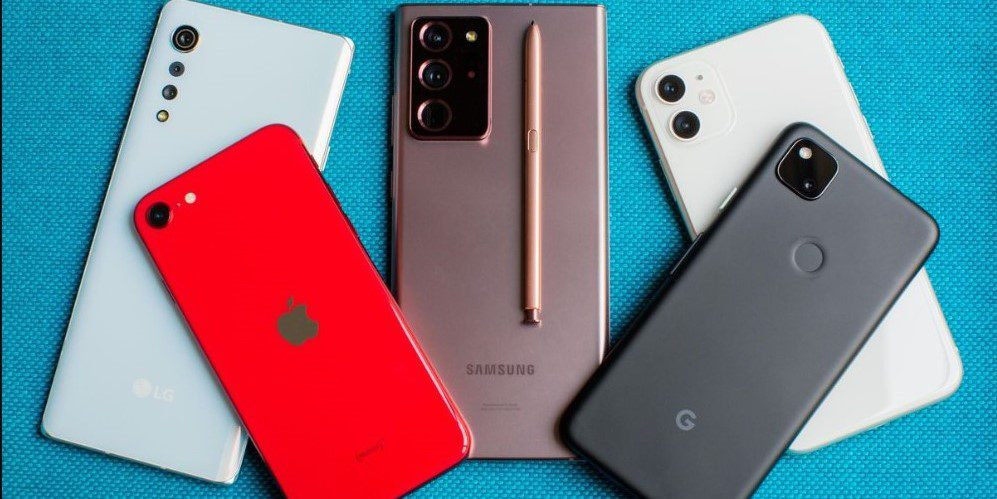
A counterfeit phone in 2026 is no longer merely a counterfeit phone. It can become a cybersecurity problem. Our devices now store far more than photographs and contacts. They carry our fingerprints, banking applications, private conversations, digital identities and financial histories.

Across Africa, governments are increasingly building digital economies around the assumption that citizens can safely interact with digital systems.
Rwanda recently launched its national instant payment infrastructure. Ghana has made biometric verification compulsory for transactions involving its national identity card. Nigeria continues expanding its digital identity ecosystem through NIN-linked services, while mobile money platforms across East Africa process billions of dollars annually.
The continent is becoming increasingly digital, and trust in the devices powering that transformation matters just as much as trust in the systems themselves.
Kenya's new licensing framework arrives at an interesting moment. As more Kenyans bank, learn, work and make payments through their phones, the question of who imported those devices quietly becomes a consumer protection question rather than merely a regulatory one.
Cybersecurity conversations often focus on artificial intelligence, data breaches or sophisticated hackers operating halfway across the world. Less attention is given to the hardware sitting quietly inside our pockets every day.
Can the device receive critical security updates? Was it manufactured to recognised standards? Has anyone verified the communications equipment connecting millions of people to digital services?
Those questions are becoming increasingly important as our phones become extensions of ourselves rather than mere communication tools. Technology has changed. The questions consumers ask before buying it have not.
We Don't Just Buy Products In Africa. We Buy Trust First
Africans have always bought trust before products. We buy what our siblings recommend. We buy what our friends use. We buy what social media influencers suggest and what appears reliable inside our favourite markets. Sometimes we trust the seller more than we trust the brand itself.
Trust has always been part of commerce on the continent. Ironically, we often spend more time researching restaurants than researching the devices that carry our identities. We compare dozens of food reviews before placing an order but rarely ask where our smartphones came from.
Perhaps that trust should begin extending beyond the logo printed on the back of a device.
Who imported it? Was it certified? Will it continue receiving software support? Who becomes responsible when it fails? Those questions may sound technical, but they are increasingly becoming consumer questions rather than regulatory ones.
Kenya's licensing framework does not solve every counterfeit technology problem facing Africa, nor was it designed to. What it does accomplish is something equally important: it acknowledges that supply chains matter.
The future of Africa's digital economy will not be built on software alone. It will also be built on whether consumers can trust the hardware they carry every day.
We live in a world where our phones know where we work, where we bank, where we travel, and who we love. They have quietly become repositories of our lives.
Perhaps that should make us a little more curious about how they arrived in our pockets.
Kenya may be regulating phones and routers today, but it is really asking a much larger question. In a digital economy increasingly built on trust, should we care more about who sold us the devices we trust with everything else?
If you're in Kenya today, this policy is ultimately about making sure the phone you buy tomorrow is exactly what it claims to be. Its implications, however, travel far beyond Kenya's borders. It asks a question many African countries have yet to answer: how much do we really know about the technologies we use every day?
Maybe the question was never whether your phone is fake before you turn it on. Maybe it is whether we have spent too long giving our trust to brands rather than demanding it from the systems behind them.