At What Age Does Being Single Become Everybody's Business?
Marriage at 30 brings pressure from family, social media, and economic realities. A commentary on African expectations, adulthood, and choosing when to settle down.

Pressure, panic and pretence. These were the waves of emotion Kunle had experienced in the few months since turning 30. They seemed to arrive most reliably at family gatherings, naming ceremonies, weddings and any occasion that required him to sit with his extended family, especially the older ones. There was always someone ready to ask the question, but nobody asked it quite like Aunty Folake.
She was his father’s elder sister, the oldest in the family and, by an authority nobody remembered formally granting in African society, the family's acclaimed Mummy. Her questions carried the weight of a family meeting, even when everyone else was simply trying to enjoy their food. Why was Kunle still single? When would he settle down? Did he realise he was no longer getting any younger? As though marriage came with an agreement to suspend ageing.
The pressure was becoming ridiculous. Sometimes Kunle laughed it off, insisting he was fine and had more important things to worry about. Other times, alone with his thoughts, he wondered whether time really was running out.
The words were beginning to occupy space in his heart, and that was the irritating part. He did not particularly care what anyone thought about his marital status, except for the moments when he did. His pretence of indifference was not entirely convincing, even to himself.
Kunle and Aunty Folake may be fictional, but their conversation is familiar across many African homes. Somewhere, a young man or woman is being asked to explain why marriage has not happened yet, as though adulthood is an examination and a wedding ring is the final certificate.
The Wedding Is a Celebration. The Marriage Is a Life.

African society has many beautiful things to say about marriage. Families gather, clothes are sewn, money is contributed, prayers are offered, and photographs are taken. Two people become the centre of an occasion that can bring together relatives who have not seen one another in years.
Marriage is celebrated not only as a personal decision but as the joining of families, the beginning of a home and, often, the continuation of a lineage.
There is nothing wrong with celebrating that. For many people, marriage is a deeply desired commitment, a source of companionship and a foundation for raising children. The problem begins when the celebration becomes a standard against which everybody else is measured. Suddenly, a person’s age, career, finances, and even character are assessed through one question: When are you getting married?

For Gen Z, this question can arrive while someone is still trying to understand what a stable adult life should look like. People are talking about solo living, protecting their peace, travelling alone, building careers and learning to enjoy their own company. Then they return home for Christmas and receive a lecture on marriage before they have finished their first plate of rice.
The contradiction is almost comical. Society tells young people to become responsible, financially independent, and emotionally mature, but sometimes treats the time required to achieve those things as evidence of delay.
A person can be building a career, supporting family members, paying rent, and trying to save, yet still be considered behind because there is no spouse in the picture.
Love Is One Thing. The Cost of Building a Home Is Another.
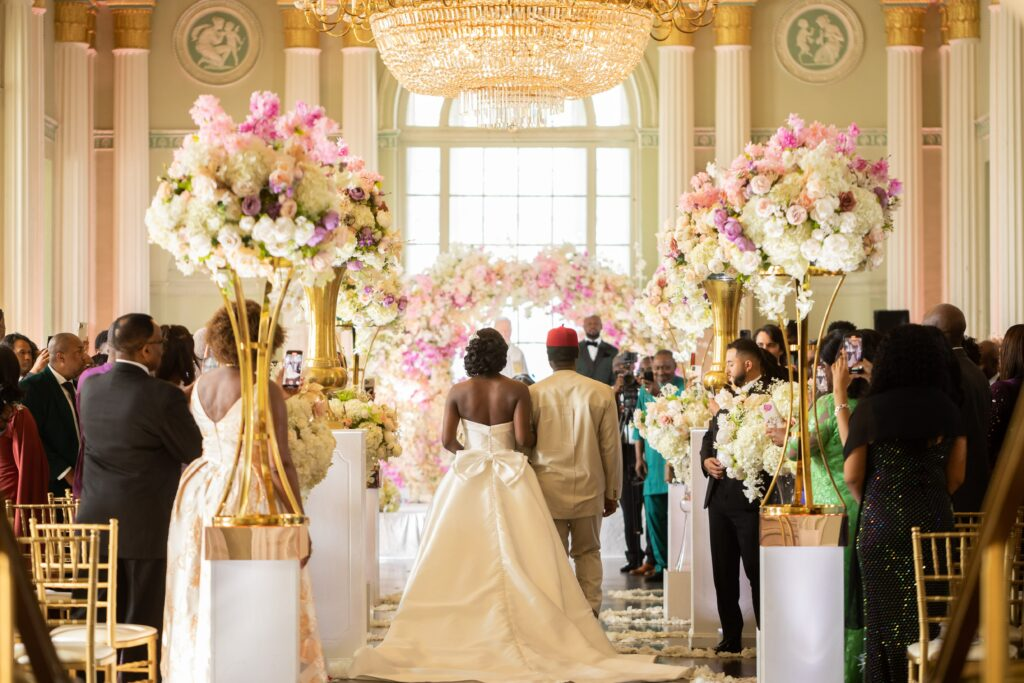
Marriage is not simply the wedding day. It is the life that begins after the guests leave, the hired chairs are returned, and the photographs stop circulating on WhatsApp. For Kunle, getting married could mean becoming responsible not only for himself but also for a wife and, eventually, children. Those responsibilities can be rewarding, but they require emotional readiness, practical commitment, and money.
The economic reality facing many young Nigerians is considerably different from the one Aunty Folake may remember at Kunle’s age. Housing costs, food prices, transportation, healthcare, and unstable employment can make ordinary independence difficult, before the additional expenses of building a family are considered.
A wedding can be expensive, but sustaining a household is a longer financial commitment. Wanting to have enough to care for oneself before bringing another person into the picture is not necessarily an excuse. Sometimes, it is an attempt to be responsible.
Social Insight
Navigate the Rhythms of African Communities
Bold Conversations. Real Impact. True Narratives.
Women face their own version of this pressure, often with additional expectations around fertility, age, and the assumption that professional ambition should not interfere with starting a family. Men may be asked whether they can provide; women may be asked whether they are running out of time. Both are pushed towards decisions that can have lifelong consequences, often by people who will not have to live with those consequences.

And the pressure does not always produce a wedding. Some people become anxious about choosing the wrong partner. Others enter relationships they are not ready for, hoping to satisfy family expectations. Some begin to question whether marriage is worth pursuing at all.
In the middle of the social media noise, engagement announcements, anniversary posts, elaborate weddings, and carefully curated pictures of happy homes, it can be difficult to remember that nobody uploads every disagreement, financial worry, or lonely evening.
So, is marriage for everyone? It is certainly not a compulsory milestone that every person must reach by a particular birthday. Some people genuinely want marriage; others are uncertain, uninterested, or content with a different life. Their choices deserve consideration without turning every family gathering into a public defence of their circumstances.
Perhaps Kunle will marry at 31, 35, or whenever he meets someone with whom he wants to build a life. Perhaps he will choose differently. Neither possibility should make him less of an adult today.

Aunty Folake may be asking out of love, concern, or the belief that she is helping him avoid regret. But concern can become pressure when it leaves no room for another person’s timing. Marriage should be an invitation to build a life with someone, not a deadline imposed by everyone else.