Your Fave Is Not Your Friend: The Parasocial Trap of Nigerian Fandom
Nigerian fandom can create intense emotional connections with celebrities who may not know their fans personally. Understanding the parasocial trap matters.
Felix had spent years defending his favourite musician.
He had argued with strangers online, fought through endless fan wars, and personally taken criticism of the artist as if somebody had insulted a member of his family. So, when Felix finally got the opportunity to meet his fave, he expected something memorable.
Instead, after repeatedly trying to get closer, Felix was pushed aside. In the confusion, the celebrity reportedly referred to him as a nuisance.
Felix was furious.
How could this person treat him that way? Had he not defended them against all and sundry? Had he not streamed the music, attended conversations about them, and argued that they were the best at what they did?
But there was one uncomfortable detail Felix had forgotten: his fave did not know him.
DISCLAIMER: Felix is a composite, but his story will feel familiar to anyone who has spent time in a fandom.
How Fandom Becomes a One-Way Street
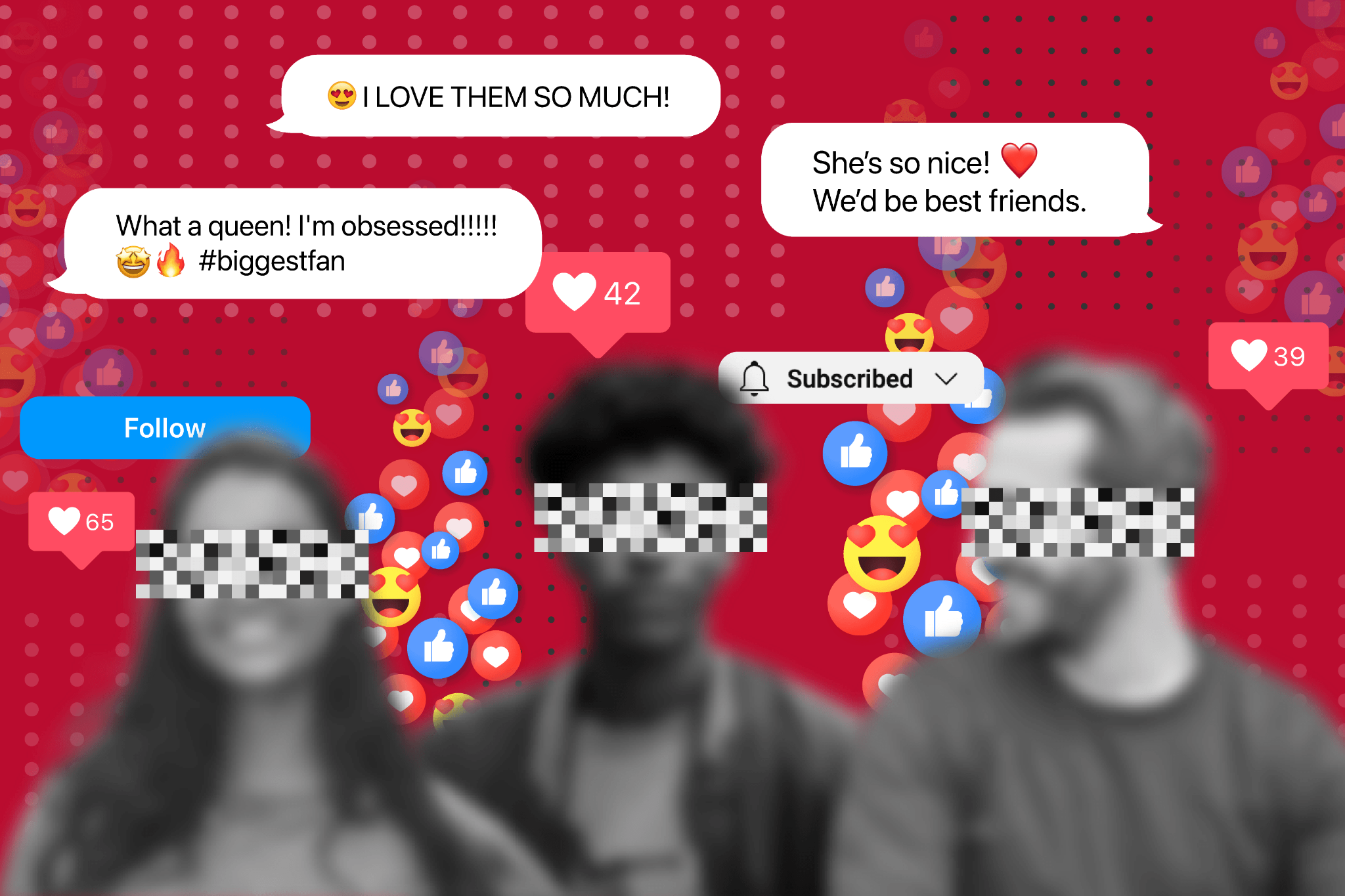
This is the delicate reality behind what researchers call a parasocial relationship.
Parasocialdescribes the one-sided bond a fan feels with someone who doesn’t know them. A fave is a fan’s favourite artiste, actor, or public figure. Nigerian fandomis the passionate online community, often organised into fan clubs and fan wars, that rallies around these stars, in this context a Nigerian online community.
Parasocial relationships are not new. Researchers Donald Horton and Richard Wohl introduced the idea in 1956 to describe how audiences bond with television personalities.
People have always admired public figures long before social media arrived. But the internet has made the experience more intense. Celebrities post from their bedrooms, share personal thoughts, go live, reply to comments, and occasionally reveal pieces of their everyday lives.
That access can create familiarity. Soon, “I like this artist” quietly becomes “I know this person.” And that is where the trap can begin.
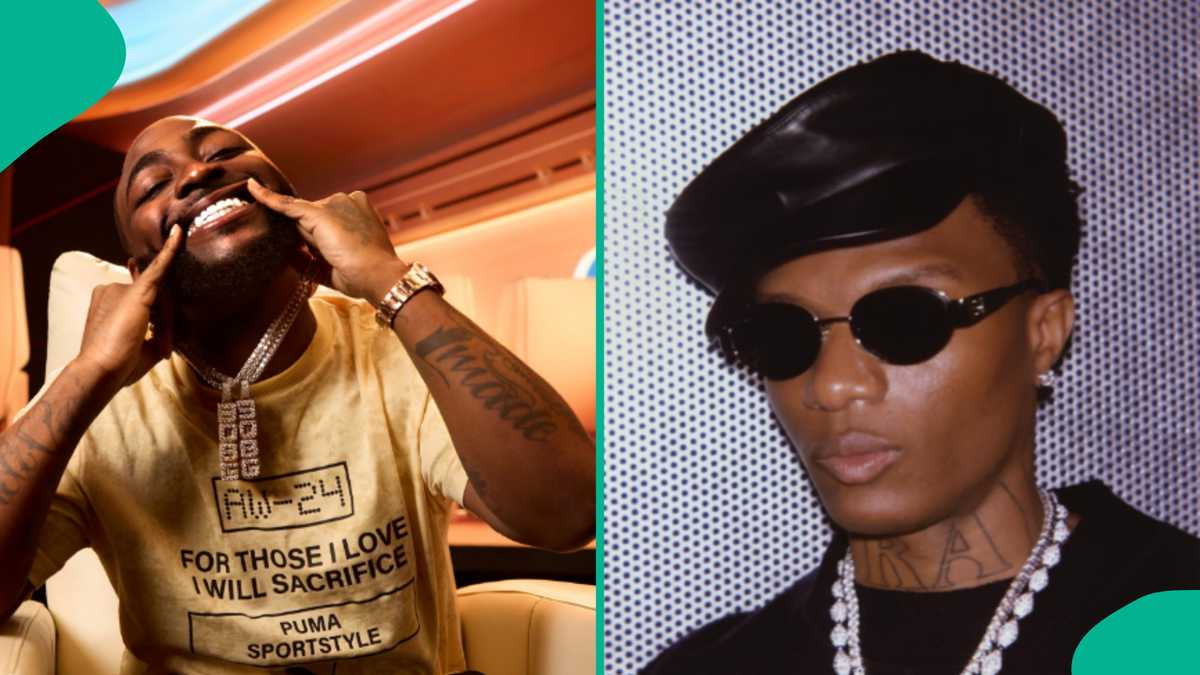
Nigeria’s fandom space has seen this repeatedly. Fans defend celebrities with extraordinary passion, argue endlessly with rival fanbases, and sometimes treat criticism of their fave as a personal attack. Many proudly call themselves “Wizkid FC” or part of Davido’s “30BG” family, so following a star starts to feel like a personal obligation.
Of course, admiration is not the problem. Loving somebody's music, films, comedy, or work is perfectly normal. The problem begins when appreciation becomes ownership, and a fan starts believing their emotional investment guarantees a personal relationship.
Social Insight
Navigate the Rhythms of African Communities
Bold Conversations. Real Impact. True Narratives.
Your fave may be exceptionally talented. You may have supported them from the beginning. You may even know every lyric they have released. Yet they can still have absolutely no idea who you are.
Your Fave Is Famous, Not Your Friend
Celebrities are human beings like everyone else. The major difference is visibility. Their work, faces, and lives are known by millions of people who may feel connected to them in different ways.
Imagine trying to remember everyone who has ever loved your work. That's quite impossible if you look at it honestly.
A musician may meet hundreds of people in a week. An actor may receive thousands of messages. A celebrity cannot realistically know, remember or form friendships with everyone who admires them.
This is not an excuse for rude behaviour. Being famous does not give anyone permission to disrespect people. If a celebrity behaves badly, that behaviour can and should be criticised, and the person held accountable.

But fans must also recognise the other side of the reality.
Sometimes, a celebrity is tired. Sometimes, they want personal space. Sometimes, they simply do not want to meet someone. Just like you would not automatically accept every person who wants to become your friend.
Popularity does not remove a person's right to boundaries.
The difficult part is that fame creates expectations. A fan sees a celebrity as special because that celebrity occupies an important space in their life. The celebrity, meanwhile, may simply see another face in a very large crowd, and that imbalance can hurt.
Admiration Does Not Come With Ownership
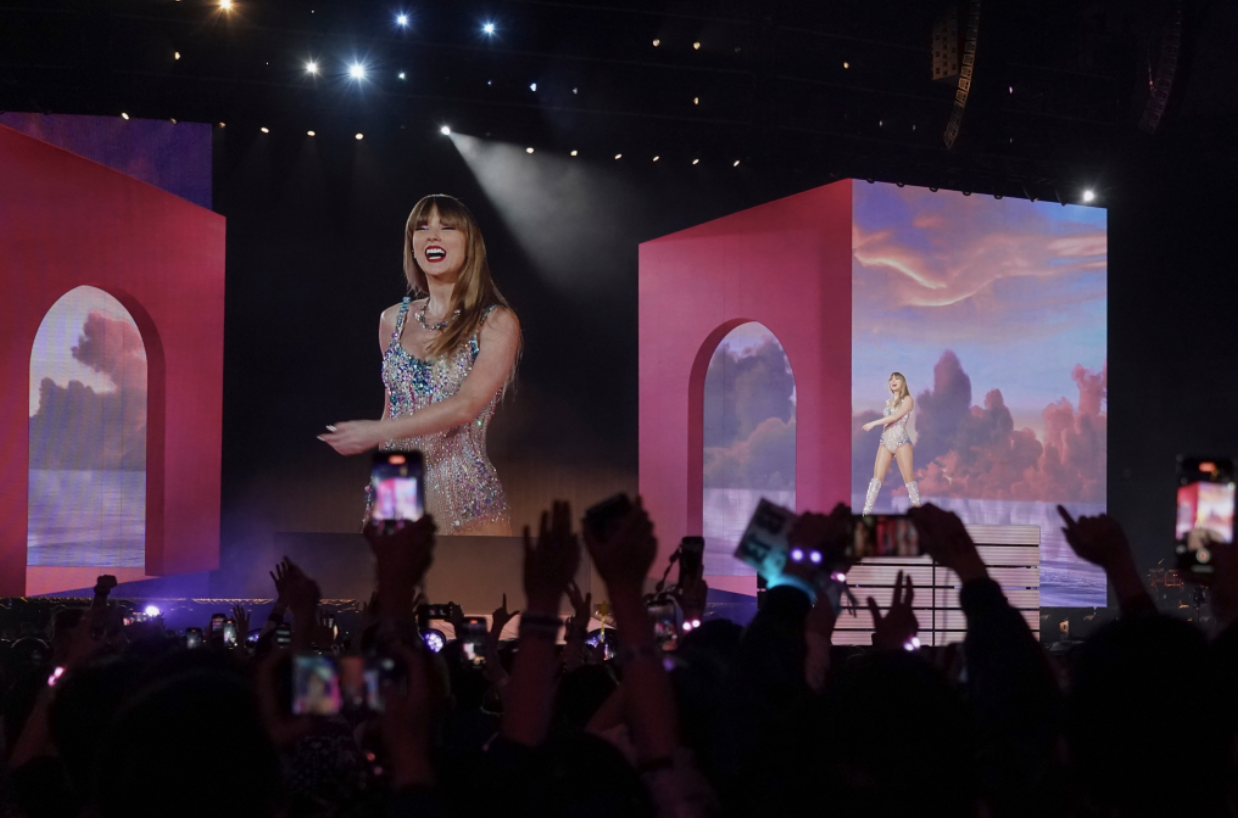
Maybe the healthiest thing fandom can remember is that support does not automatically create access.
You can love somebody's work without demanding friendship. You can admire their talent without defending every decision they make. And you can disagree with criticism of your fave without turning social media into a battlefield that requires emotional casualties.
Your favourite celebrity has beliefs, preferences, moods, and people they genuinely choose to know. They have friendships that existed before you became a fan and boundaries you may never fully understand.
That is perfectly fine, and accepting it will save you a lot of stress. It will also keep you from ending up like Felix.
Just as you cannot be friends with everyone who likes you, your fave cannot be friends with everyone who likes them.
So yes, enjoy the music. Watch the films. Attend the shows. Celebrate the wins.
Social Insight
Navigate the Rhythms of African Communities
Bold Conversations. Real Impact. True Narratives.
But remember Felix.
Sometimes, the person you have spent years defending does not know you exist. And that does not automatically make them your enemy, or even your friend.
Love the art. Cheer the wins. But keep your peace, because a fave can matter deeply to you without ever knowing your name.