What Trump's New US Tariffs Mean for African Jobs and Businesses
Trump's new 12.5% US tariff on Nigerian exports could affect jobs, small businesses, and non-oil industries. Here is what the forced labour tariffs mean for ordinary Nigerians and other African economies.
Nigeria just got hit with a new US tariff, and this time the reason has nothing to do with oil prices, trade deficits or the usual "America First" talking points. It is about something quite shocking: forced labour.
Starting July 24, 2026, the United States is charging a 12.5% additional duty on nearly every product Nigeria ships to American shores, and seven other African countries are caught in the same policy.
For the average Nigerian business owner, this might sound like a distant policy fight but that is not the case. It, in fact, touches the price of goods, the survival of export businesses and the jobs that depend on them.
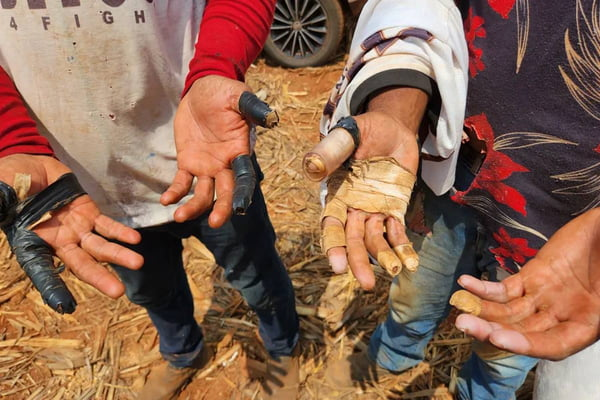
What Exactly Are the New US Forced Labour Tariffs
The tariffs come from something called a Section 301 investigation,a legal tool under US trade law that allows the President to punish countries for practices Washington considers "unreasonable" or unfair to American commerce.
This particular investigation was launched in March 2026 and it examined 60 of America's trading partners and asked one question: does this country have a law banning the importation of goods made with forced labour and does it actually enforce that law?
Fifty-four of the 60 economies investigated had neither a forced labour import ban nor any meaningful enforcement of one. Six others, including Canada, Mexico and the European Union, had laws on paper but weak enforcement in practice.
Based on that finding, the US government split the punishment into two tiers. Countries that had at least some form of forced labour import prohibition, or had agreed to build one through a trade deal with Washington, got a 10% tariff.
Everyone else, a group that includes Nigeria, Algeria, Angola, Egypt, Libya, Mauritania, Morocco and South Africa, got a higher 12.5% rate. The order was signed on July 23, 2026, and took effect just after midnight.
Why Nigeria and Other African Countries Were Targeted
To be clear, this tariff is not a punishment for Nigeria using forced labour to produce goods for export. It is a punishment for not having a domestic law that blocks imports made with forced labour elsewhere in the world and for not enforcing such a law effectively.
In other words, Nigeria is being taxed for a regulatory gap. The US Trade Representative's office argues that this gap allows forced labour goods from other countries to pass through global supply chains unchecked, which it says creates unfair competition for American workers and businesses.
Critics, including many of the affected governments, argue the connection is thin and that ordinary exporters are being punished for a policy failure that has little to do with the goods they actually sell.
Is This a Fair Reason to Impose a Tariff
Supporters of the tariff point out that the US did give Nigeria and other countries months of warning, invited written comments and held public hearings before finalising the rate.
They argue that trade pressure is one of the few tools that reliably pushes governments to pass and enforce anti-forced-labour legislation, and point to countries like Guatemala, Honduras, India and Sri Lanka, which adopted new forced labour import bans during the comment period specifically to dodge the higher rate.
Opponents see it differently. Nigeria does not export the volume of goods that would typically justify sweeping economy-wide tariffs, and many local exporters have no connection whatsoever to forced labour anywhere in the supply chain.
Applying a blanket 12.5% tax on all Nigerian goods, from cocoa to leather to processed foods, punishes small and mid-sized businesses that had no part in the practices the US says it wants to stop.
There is also the matter of timing. Nigeria is already adjusting to earlier rounds of Trump-era tariffs and this new duty lands right on top of that pressure.
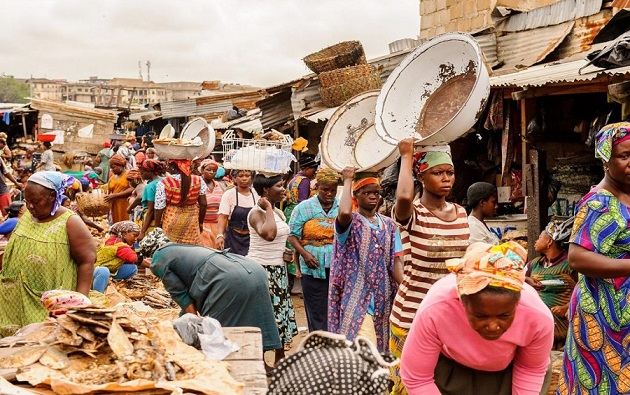
How the Tariffs Could Affect the Ordinary Nigerian
For most Nigerians, the phrase "Section 301" means nothing. What matters is what happens to jobs, prices and small businesses once the tariff kicks in.
Export businesses face thinner margins. Nigerian exporters selling to US buyers, particularly in agriculture, leather, textiles and light manufacturing, will either absorb the extra 12.5% cost themselves or pass it on to American buyers.
Either way, Nigerian goods become less competitive against suppliers from countries with lower or zero tariff rates, and some US buyers may simply switch suppliers.

Jobs tied to export supply chains are at risk. Cocoa processors, cashew exporters, garment producers and leather goods manufacturers often support entire communities of workers, from farmers to factory hands to logistics staff.
A drop in US orders because of higher landed costs could mean fewer hours, layoffs or businesses scaling back altogether.
Oil and gas may be spared, but everything else is exposed. Nigeria's oil exports, which make up the bulk of its trade with the US, are likely to fall under broad energy exemptions built into the tariff order.
That is some relief for government revenue, but it means the pain concentrates on the non-oil sectors Nigeria has spent years trying to grow and diversify into. These are the very sectors that create the most jobs for ordinary people outside the oil industry.
Small businesses have the least room to adapt. Large multinationals can shift sourcing or absorb costs for a while. A small Lagos-based export startup does not have that cushion.
A sudden 12.5% cost increase can be the difference between a viable contract and a cancelled one.
What Happens Next
Nigeria technically has a path to a lower rate if it introduces and enforces a forced labour import prohibition of its own, something a handful of other affected countries did during the comment period specifically to reduce their exposure.
Whether Aso rock moves quickly on this, or whether the tariff simply becomes another cost of doing business with America, will shape how deep the damage runs for exporters and the workers who depend on them.
For now, the ordinary Nigerian trader, farmer, and factory worker is left absorbing the consequences of a policy decision made thousands of miles away, over a law their country has not yet passed.