What Every Child Should Understand About Money Early
Teaching kids about money early builds responsibility, confidence, and smart decision-making. Learn essential money lessons every child should learn to grow into financially secure adults.
Let’s be honest.
Most of us didn’t grow up with thoughtful money conversations, we grew up with warnings.
What many of us didn’t receive was context, how money works, why it matters, and how to think about it.
So we entered adulthood knowing how to spend, but not always how to decide.
That’s why teaching children about money early isn’t about raising little accountants.
It’s about shaping future adults who feel confident, not anxious, when financial decisions arise.
Money Is Earned — Not Summoned
Children today grow up in a world of invisible transactions.
Where we can just tap a card, click a button and a package arrives.
The mechanics of earning are hidden behind convenience.
If we don’t deliberately connect money to effort, children subconsciously absorb a dangerous assumption: money simply exists.
When a child understands that money represents time, skill, and labor, their relationship with it changes. They begin to respect it, not fear it but value it.
This doesn’t require turning childhood into a contract negotiation.
It requires transparency, let them see the effort behind income, let them understand that work produces results.
The goal is not to burden them with adult stress, it is to ground them in reality.
Needs, Wants, and the Psychology of Desire
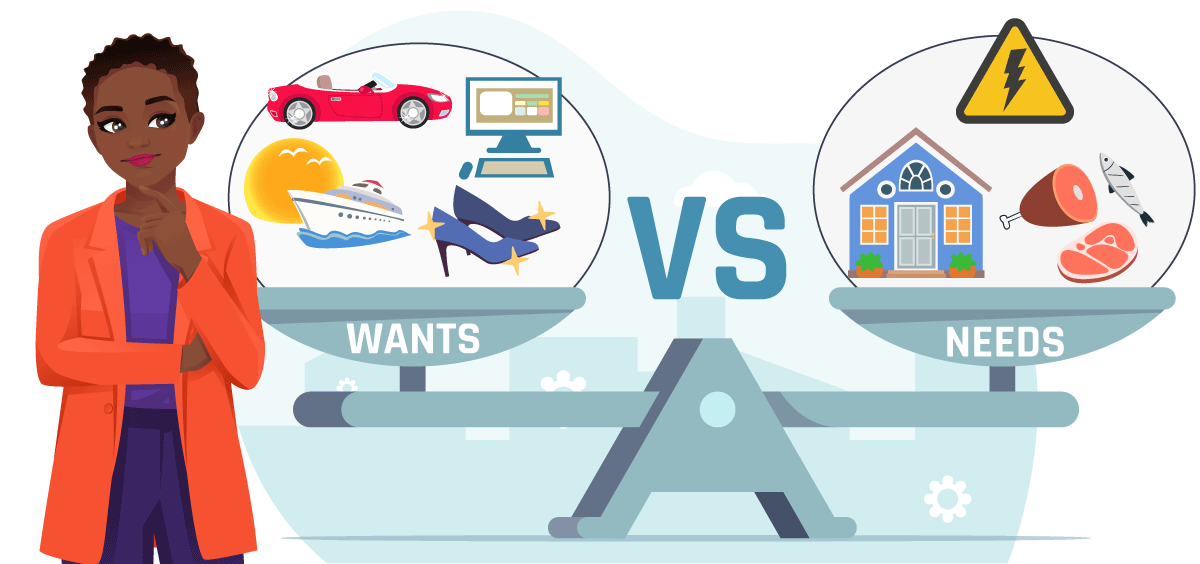
Distinguishing between needs and wants sounds basic but it isn’t.
Even adults struggle with it.
A child sees a trending item and experiences it as urgent and his/her emotional desire feels like necessity.
That tension between impulse and discernment is where financial character is formed.

When parents calmly ask, “Is this a need or a want?” They are not just discussing a purchase, they are teaching cognitive pause, they are inserting thought between desire and action.
Over time, that pause becomes internal.
And that internal pause is what prevents debt, impulsive decisions, and lifestyle inflation later in life.
Saving and Budgeting: The Art of Intentional Living
Saving teaches something far deeper than accumulation.
It teaches delayed gratification.
It teaches goal-setting.
It teaches self-trust.
When a child saves toward something meaningful, they experience the satisfaction of restraint.
They learn that patience is powerful, they discover they are capable of planning ahead.
In a culture built on instant access, that lesson is revolutionary.
Children who practice saving early don’t just grow into adults with savings accounts, they grow into adults who believe they can prepare for the future.
That belief changes everything.

Budgeting often carries an adult stigma like restriction, limitation, sacrifice.
But at its core, budgeting is simply intentional allocation.
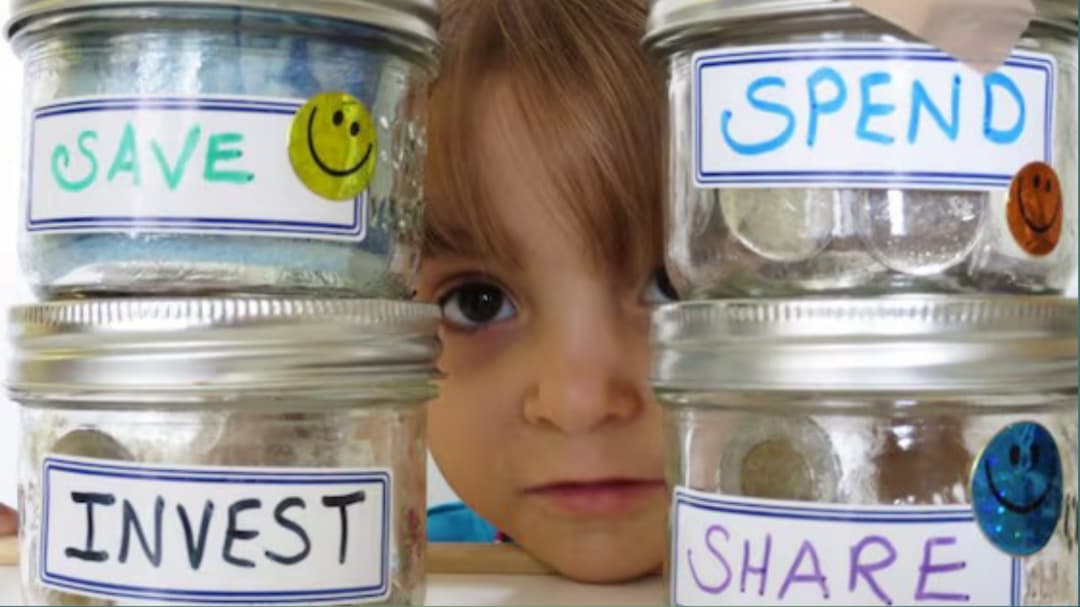
When children divide money into categories like spending, saving, giving, they learn that money must be directed. Otherwise, it disappears.
This early structure builds mental organization. It reinforces that enjoyment, preparation, and generosity can coexist.
Later in life, budgeting won’t feel like punishment.
And familiarity reduces financial anxiety.
Let Them Experience Safe Financial Failure
This is where many parents struggle.
When a child spends impulsively and regrets it, the instinct is to rescue, to replace or to soften the lesson.
But controlled discomfort builds wisdom.
A small financial mistake in childhood like spending all their allowance too quickly is a contained consequence. It teaches foresight without long-term damage.
Shielding children from every misstep delays maturity.
Allowing them to feel the weight of small decisions prepares them for larger ones.
Responsibility grows through experience, not lectures.
The Role of Generosity

Financial education without generosity produces imbalance.
Children who only learn to save may grow protective to the point of fear.
Children who only learn to spend may grow entitled, but children who learn to give understand that money is relational.
Encouraging them to contribute even in small amounts, cultivates empathy. It shifts money from being purely personal to being purposeful.
Generosity reframes wealth as stewardship rather than possession.
That mindset sustains healthy financial behavior long into adulthood.
Why Starting Early Matters
By adolescence, many financial attitudes are already forming.
And when children understand money in the context of effort, restraint, planning, and generosity, they are equipped for more than financial survival.
They are equipped for financial stability.
One day, your child will sign contracts, accept salaries, take loans, invest, donate, and make choices that affect their freedom.
You will not be there to guide every decision.
But if you start early with clarity, with consistency, with openness, your voice will echo in their judgment.
And that is the true purpose of teaching money lessons early.