The Untapped Tourism Economy Sitting Inside Nigeria
Nigeria has waterfalls, mountains, wildlife reserves, beaches and cultural sites that remain largely untapped. Could domestic tourism become a major consumer market and economic opportunity for the country?

Ese has always loved travelling. Even as a child, she would spend hours searching for places she wanted to visit, saving pictures of beautiful landscapes and reading about destinations she hoped to see one day.
She did not always have the money to travel, so she travelled in the only way she could: through pictures, videos, articles and the occasional day trip whenever money allowed.
So she was genuinely surprised when she began discovering places in Nigeria she had never heard of. There were waterfalls tucked away in places she had never considered visiting, hills that looked like they belonged in another country, forests carrying centuries of history and beaches she had previously assumed were ordinary.
It took more than a few videos to convince her best friend, Chioma, that some of these places actually existed, and Ese is probably not alone.
For a country as large and geographically diverse as Nigeria, it is remarkable how little many Nigerians know about what is within their own borders. The Nigerian government itself describes many of the country's tourism attractions as largely untapped.
That is not simply a cultural problem. It may be an economic opportunity sitting in plain sight.
Nigeria Has More Than Enough Places to Visit
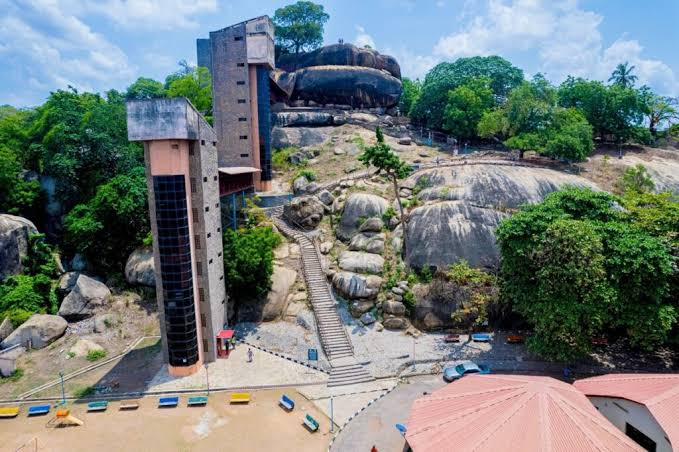
Nigeria's tourism story does not begin and end with Lagos beaches or the occasional trip to Obudu.
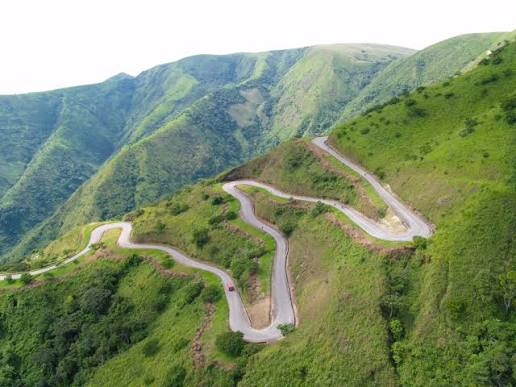
There is Yankari National Park in Bauchi, home to wildlife and the famous Wikki Warm Spring. There is Obudu Mountain Resort in Cross River, sitting on the Obudu Plateau with its cooler climate and dramatic mountain landscape. There are Idanre Hills in Ondo, Olumo Rock in Ogun, Erin-Ijesha Waterfalls in Osun, and Ikogosi Warm Spring in Ekiti, where warm and cold springs meet.
The country also has the Osun-Osogbo Sacred Grove, a UNESCO World Heritage Site, and Gashaka Gumti National Park, Nigeria's largest national park.
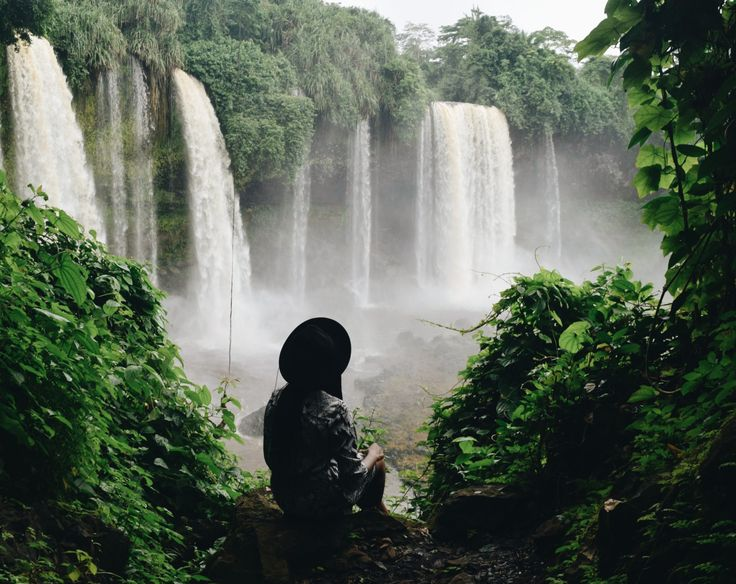
There are places such as Awhum Waterfall in Enugu, Kajuru Castle in Kaduna, the Mambilla Plateau in Taraba, the crystal-clear Ethiope River in Abraka, and the Lekki Conservation Centre in Lagos.
There are cultural sites, ancient cities, festivals, museums, forests, mountains, caves and waterways scattered across the country. The problem is that having attractions and having a tourism industry are not the same thing.
A beautiful waterfall does not automatically become a destination. A mountain does not become a tourism economy simply because it exists. Someone has to make the journey possible, tell people the place exists, provide accommodation, create activities around the destination, maintain the environment, ensure safety, and make the entire experience worth the price. That is where Nigeria's opportunity begins to become complicated.
The Tourism Economy We Are Not Fully Using
Tourism is not just about hotels and people taking photographs. One visitor can create economic activity for a driver, hotel worker, food vendor, tour guide, photographer, farmer, artisan, event organiser and small business owner. When that visitor stays for two or three days, the economic chain becomes even larger.
The potential is not hypothetical. The World Travel & Tourism Council has previously projected that Nigeria's tourism sector could create millions of jobs and increase its contribution to GDP substantially.
Globally, domestic travellers are also a major part of the tourism economy: WTTC says domestic visitors spent $5.63 trillion globally in 2025, compared with $2.02 trillion from international visitors.
This is why Nigeria's domestic market matters. Before asking how to bring millions of foreigners to Nigeria, there is a more immediate question: how many Nigerians can we convince to travel around Nigeria?
Imagine a Lagos resident taking a weekend trip to Osun. That means transportation, accommodation, food, entrance fees, souvenirs, and perhaps a tour guide. Now multiply that by thousands of people making similar trips across different states.
That is a consumer market. Countries have demonstrated what can happen when tourism becomes part of economic planning rather than simply an attraction listed on a government website.
Dubai welcomed 19.59 million international overnight visitors in 2025, while tourism and travel contributed significantly to the UAE's economy. Mauritius recorded more than 1.4 million tourist arrivals in 2025, and Seychelles generated hundreds of millions of dollars in tourism revenue.

Nigeria has the population, the geography and the cultural diversity to build a substantial domestic tourism market. What it lacks is the infrastructure and ecosystem capable of converting those advantages into consistent economic activity.
But You Cannot Sell a Destination People Cannot Safely Reach
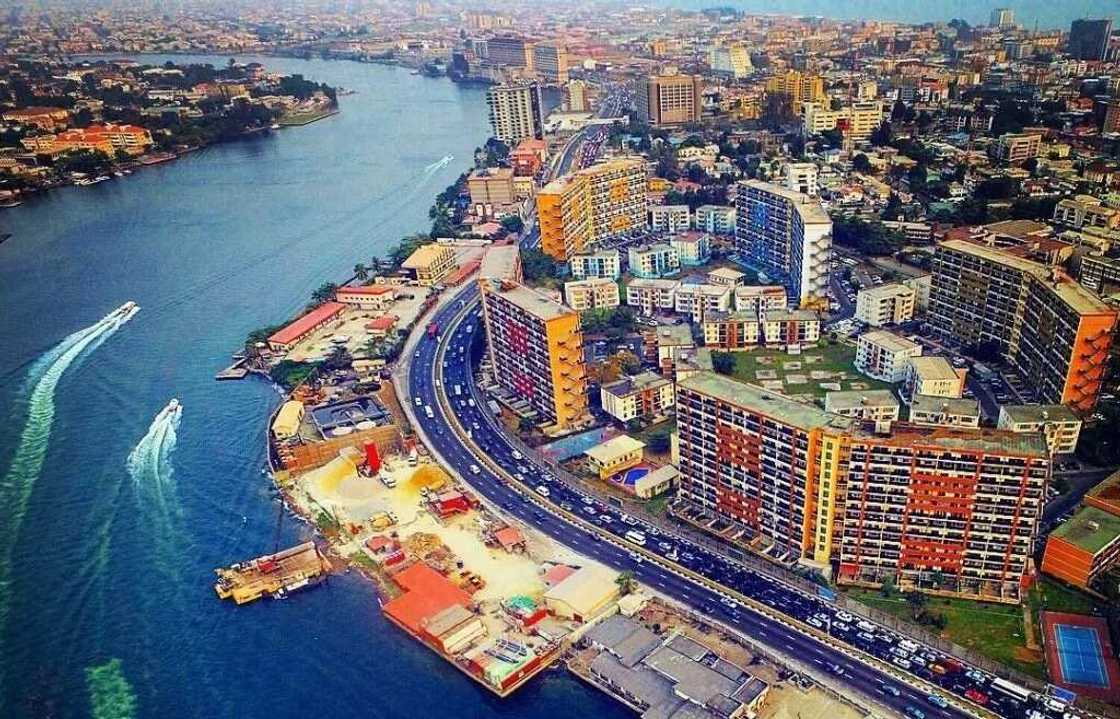
This is where the romantic version of Nigerian tourism meets reality. It is easy to say Nigerians should travel more within Nigeria until you remember that some destinations are difficult to reach.
Roads can be poor or unmotorable, transportation can be expensive, accommodation can be inadequate, and information about destinations is often scattered.
Then there is security. A person planning a holiday is not simply asking, “Is this place beautiful?” They are also asking, “How do I get there? Is the road safe? Where will I sleep? What happens if something goes wrong?”
Those questions matter. The Federal Government has identified inadequate infrastructure and insufficient data, amongst other issues has continued to slow growth in the sector, holding back the tourism and creative sectors.
There is another problem that is easier to overlook: many Nigerians are simply not taught to see their country as a tourism destination.
We learn about foreign landmarks. We see Dubai's skyline, Mauritius' beaches, European cities and African safari destinations repeatedly presented to us as places worth saving for.
Meanwhile, someone can live in Nigeria for 30 years without knowing that a remarkable waterfall, mountain or historical site exists a few hours away.
That is partly a marketing failure. The tourism industry cannot expect people to visit places they have never heard of.
Could Domestic Tourism Become Nigeria's Next Big Consumer Market?
There is a version of Nigeria's tourism economy that does not require millions of foreign visitors arriving at Murtala Muhammed International Airport.
It begins with Nigerians travelling. A couple from Lagos spending a weekend in Cross River. A group of friends visiting Idanre. A family travelling to Yankari. Young Nigerians discovering the Ethiope River of the Delta.
Students visiting historical sites. Creators documenting destinations that have barely appeared on social media. Each trip moves money, and if the infrastructure around those destinations improves, the benefits can extend beyond tourism itself.
Roads will improve. Hospitality businesses will emerge. Local artisans will gain new customers. The transport sector will boost in operation, and transport operators will gain passengers. Communities around attractions can become economic participants rather than simply spectators.
There are already signs of what this could look like. Osun, for instance, has been pursuing upgrades to tourism sites and exploring public-private partnerships for destinations including Erin-Ijesha Waterfalls.
Lagos has also moved to regulate beach operators and improve safety and service standards across its tourism landscape. But Nigeria needs to think beyond individual projects.
The real opportunity is to build a tourism ecosystem where discovering a destination is easy, getting there is predictable, staying there is comfortable and spending money there is worthwhile.
Of course, not everyone can afford a holiday. For millions of Nigerians struggling with food, rent, transport and electricity, tourism is understandably not a priority. A person trying to survive the month cannot simply be told to take a vacation.
That reality must remain part of the conversation, but there is another side to it. If Nigeria can gradually build a domestic tourism market, it can create opportunities for people whose businesses depend on people moving, eating, staying, exploring and spending.
Nigeria does not have a shortage of places to visit; it has a shortage of reasons to visit them.
Ese's surprise is therefore more significant than it first appears. If someone who actively loves travelling can still discover major Nigerian attractions by accident, there is clearly a gap between what Nigeria possesses and what Nigerians know.
The country may already be sitting on a tourism economy. The question is whether it will continue waiting for someone else to discover it.