One Country, Competing Authorities, and the UAE at the Centre of Somalia's Power Struggle: The Story Behind the Fallout
Who gets to make deals for Somalia? A growing row with the UAE puts the country's federal government and regional leaders at odds over foreign partnerships.
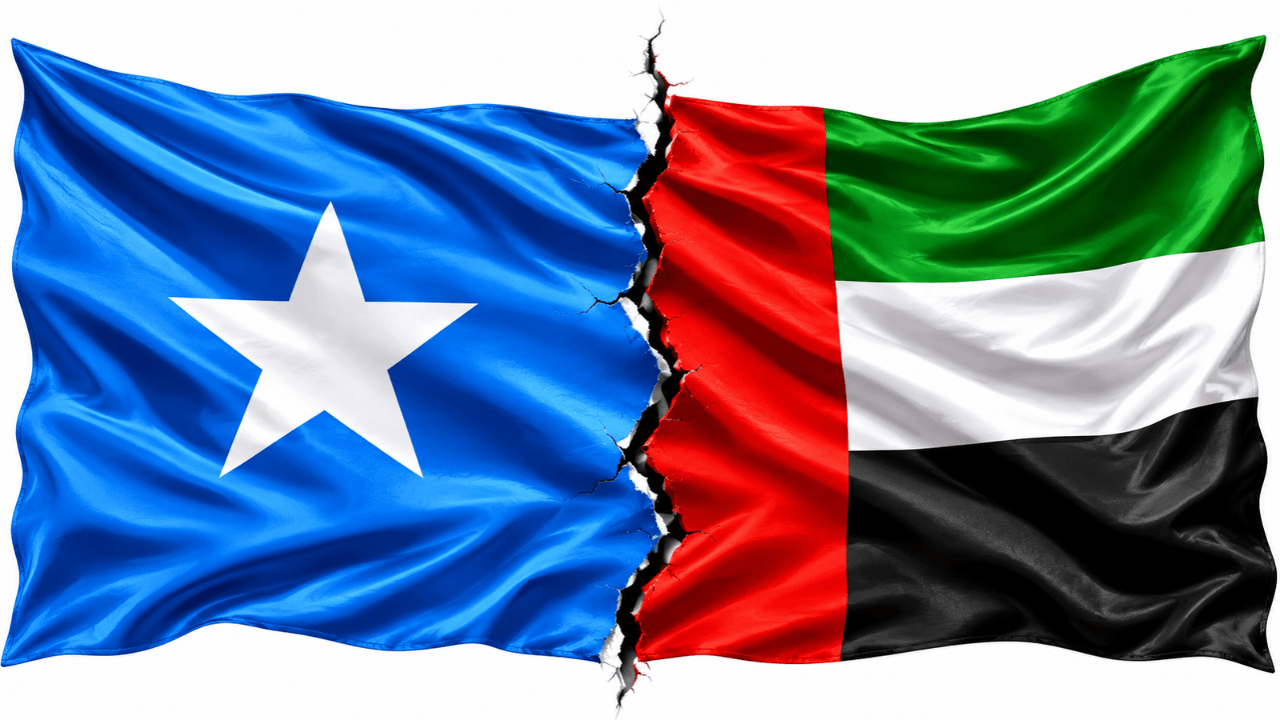
For some time now, Somalia's federal government has been unhappy with the UAE's relationships with regional administrations that have signed their own deals with foreign governments and companies.
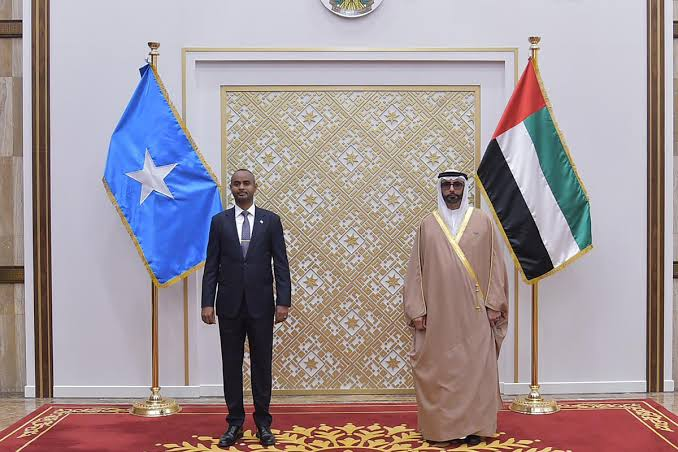
And so on November 19, Somalia gave the United Arab Emirates' ambassador72 hours to leave the country. The Somali government accused the UAE of interfering in its internal affairs and working with authorities outside the control of the federal government.
But then, the UAErejected the allegations, saying Somalia was trying to pull it into its internal political disputes.
This didn't come out of nowhere
The expulsion is the loudest moment in a fight that has been building for months. Somalia also recalled its own ambassador from Abu Dhabi.
The UAE says it hadalready closed its embassy in Mogadishu in January, so the order is more of a political statement than a practical one.
On January 12, Somaliacancelled all its agreements with the UAE. That covered federal institutions and regional administrations, the ports of Berbera, Bosaso and Kismayo, and security and defence cooperation.
This came during the tension over Israel's recognition of Somaliland and reports that the UAE helped a Yemeni separatist leader leave the region.
The regions didn't go along with it. Somaliland, Puntland and Jubaland all dismissed the decision, and DP World said Berbera port operations were continuing under existing agreements.
Why the UAE is all over Somalia
Location, mostly.
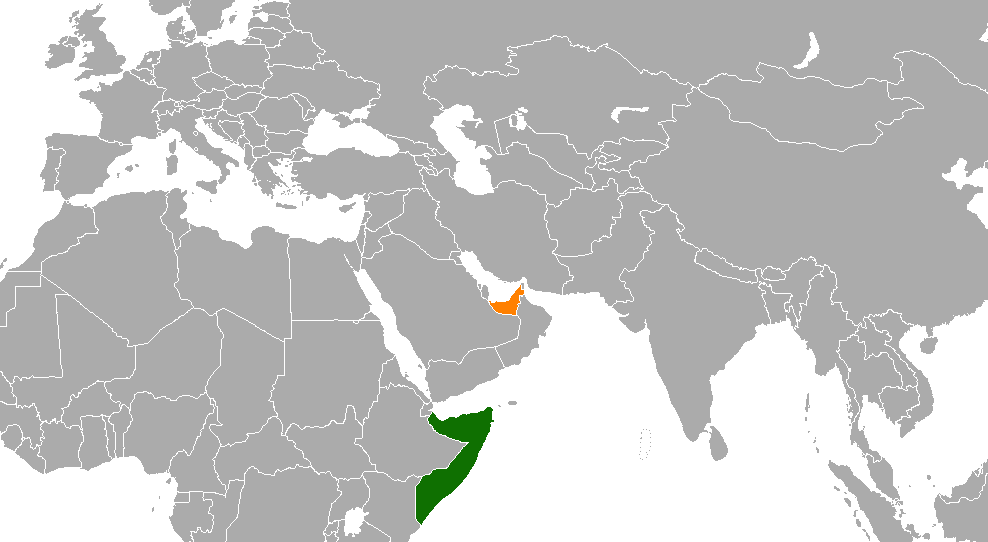
Somalia sits on the Gulf of Aden, right beside the shipping routes linking the Indian Ocean to the Red Sea and the Suez Canal. Whoever has a foothold in its ports has a foothold in some of the world's busiest trade lanes.
The UAE has gone after that through port deals:
Berbera, Somaliland (2016): DP Worldwon a 30-year concession to develop and run the port, with investment of up to $442 million.
Bosaso, Puntland (2017): P&O Ports, another Dubai-linked company,won a 30-year concession worth $336 million.
Notice what both deals have in common: neither was signed with the federal government in Mogadishu. Both were signed with regional authorities.
It goes beyond ports, too. The UAE trained Somali troops from 2014 to 2018, and it still pays salaries and provides logistics for around 3,400 military police and special forces personnel in and around Mogadishu.
For the regions, this is a good deal: investment and security support they might not get otherwise. For Mogadishu, it feels like foreign powers are building their own relationships with parts of the country while the central government watches from the sidelines.
So who's actually allowed to make these deals?
Technically, it's a bit of both.

Under Somalia'sprovisional constitution, foreign affairs and national defence belong to the federal government (Article 54). But Article 53 says Mogadishu has to consult the federal member states on big international deals, like aid, trade and treaties.
If a deal especially affects one state, that state's representatives should join the negotiating team.
So the regions aren't meant to be shut out, but they're not meant to go freelance either. The trouble starts when a region signs something on its own. Mogadishu sees a challenge to its authority.
The region sees a decision about its own territory.
The headache for foreign partners
Imagine you're DP World. You signed a 30-year deal and committed serious money to build up a port. Then the national government of the country you're technically operating in says the whole arrangement is cancelled.
You still have a signed agreement with the authority that runs the territory. But another authority disputes the whole thing. For a project that needs years of planning and heavy investment, that kind of uncertainty is a real risk, even if the port keeps running day to day.
Security deals face the same problem. A foreign country can train and fund forces in one region, then find the federal government insisting those forces should answer to the national command.
What this really tells us
Strip away the diplomatic language and this is a fight over who speaks for Somalia.
The UAE has done well by dealing directly with whoever can deliver, whether that's a port authority or a regional leader. That works until the central government decides it has had enough and starts treating those relationships as a threat to the state.
Expelling an ambassador doesn't answer the real question, though. As long as Somalia's regions keep signing their own deals, and as long as foreign partners keep finding it worthwhile, this tension won't go away.