10 Public Projects That Became Symbols of Government Waste
Billions were approved, contractors were paid, and grand promises were made. But what did Africans actually get? These 10 government projects tell a disturbing story of public money and unfinished promises.
A government project looks impressive at its groundbreaking ceremony. The real test comes later: does it get completed and serve the people who paid for it?
Across Africa, public money has gone into projects that stalled, remained unusable or delivered far less than promised. Some were abandoned after political transitions; others never became functioning public services.
1. Rivers State Monorail, Nigeria
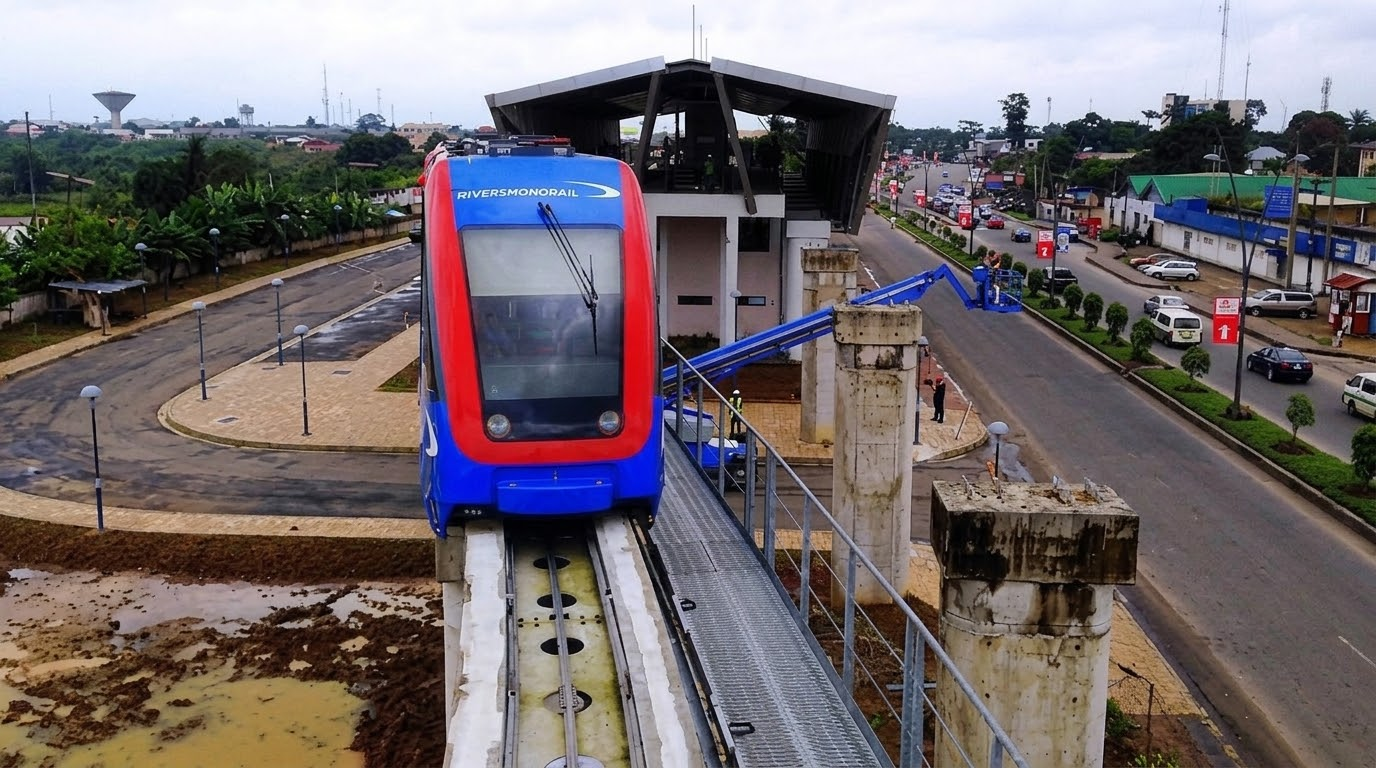
Port Harcourt was promised a monorail to ease traffic and improve local public transport services. Initiated under Governor Rotimi Amaechi, the project was estimated at about ₦50 billion.
Only a short stretch of elevated track was built, and the system never became an operating transport network. Reports put spending at roughly ₦33.9 billion before work stalled.
The succeeding administration did not continue it, and the result was a transport promise that never carried passengers.
2. Minna City Centre, Nigeria
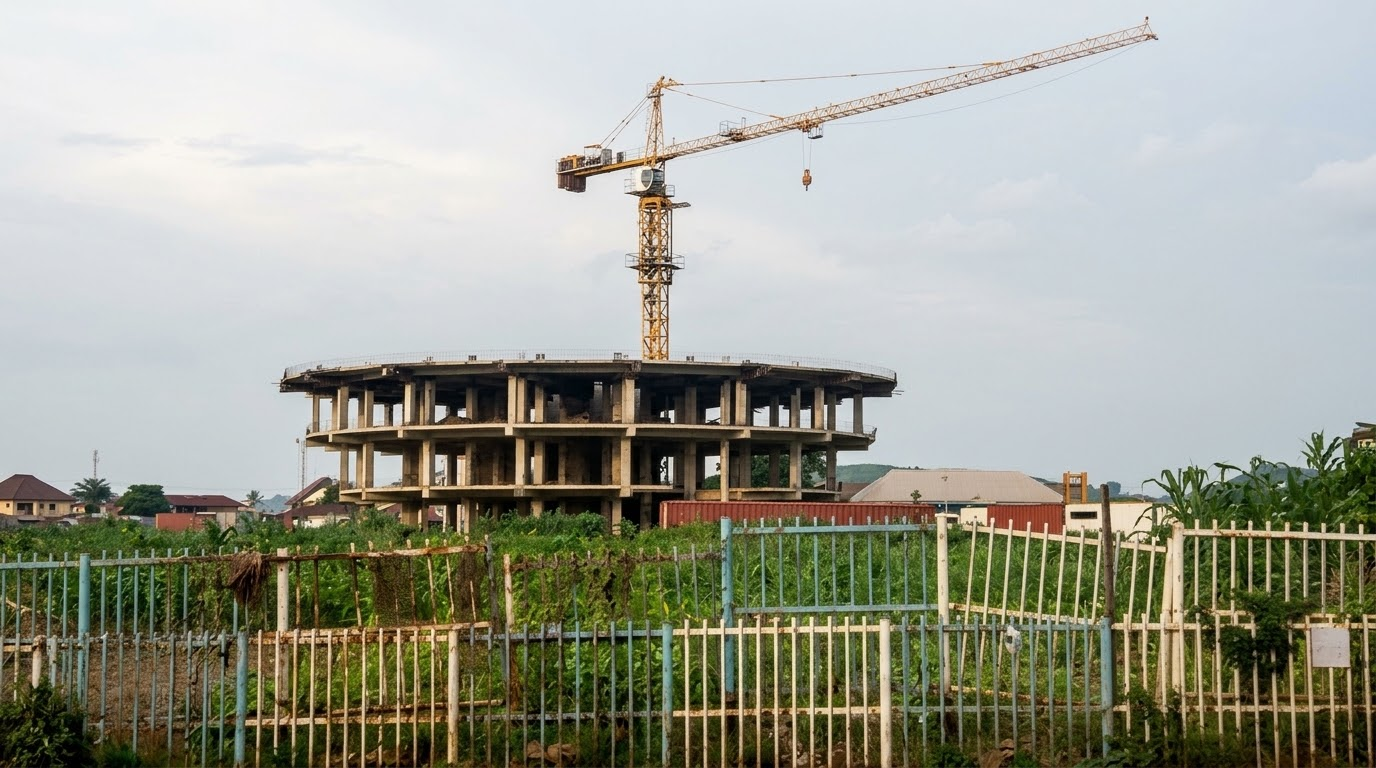
Niger State planned a modern Minna City Centre with a shopping mall, offices, cultural centre and amusement park.
Initially estimated at ₦5 billion, it stalled after about ₦800 million had reportedly been spent. The International Centre for Investigative Reporting found that ₦3.935 billion was budgeted between 2013 and 2015.
The site had previously housed Abdul Street market and homes. Traders and residents lost their spaces for a development that remained unfinished.
3. Minna Five-Star Hotel, Nigeria
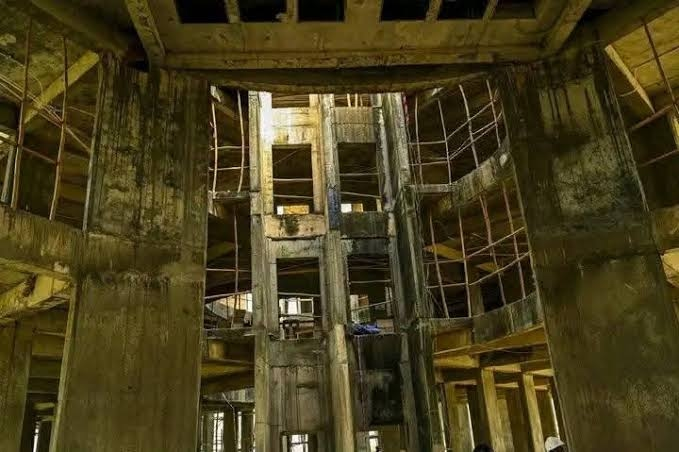
The proposed Minna five-star hotel was another expensive hospitality project inherited by a new administration. Its construction cost was put at ₦19.6 billion.
The Nation reported that the state had provided a bank guarantee of ₦1.4 billion and land valued at ₦400 million, yet the hotel remained unfinished after Governor Babangida Aliyu left office.
An unfinished hotel cannot attract visitors or generate the tourism revenue used to justify it.
4. Bayelsa International Hotel, Nigeria

The Bayelsa International Hotel in Yenagoa was valued at about ₦13.9 billion. The project was reportedly among those used to secure a ₦50 billion capital-market loan in 2009.
A financial review committee report cited by The Nation put the hotel at just 26 per cent completion when the bond was obtained.
This is the danger of borrowing against ambitious projects: repayment obligations remain even when construction does not.
5. Ibom Tropicana Entertainment Centre, Nigeria
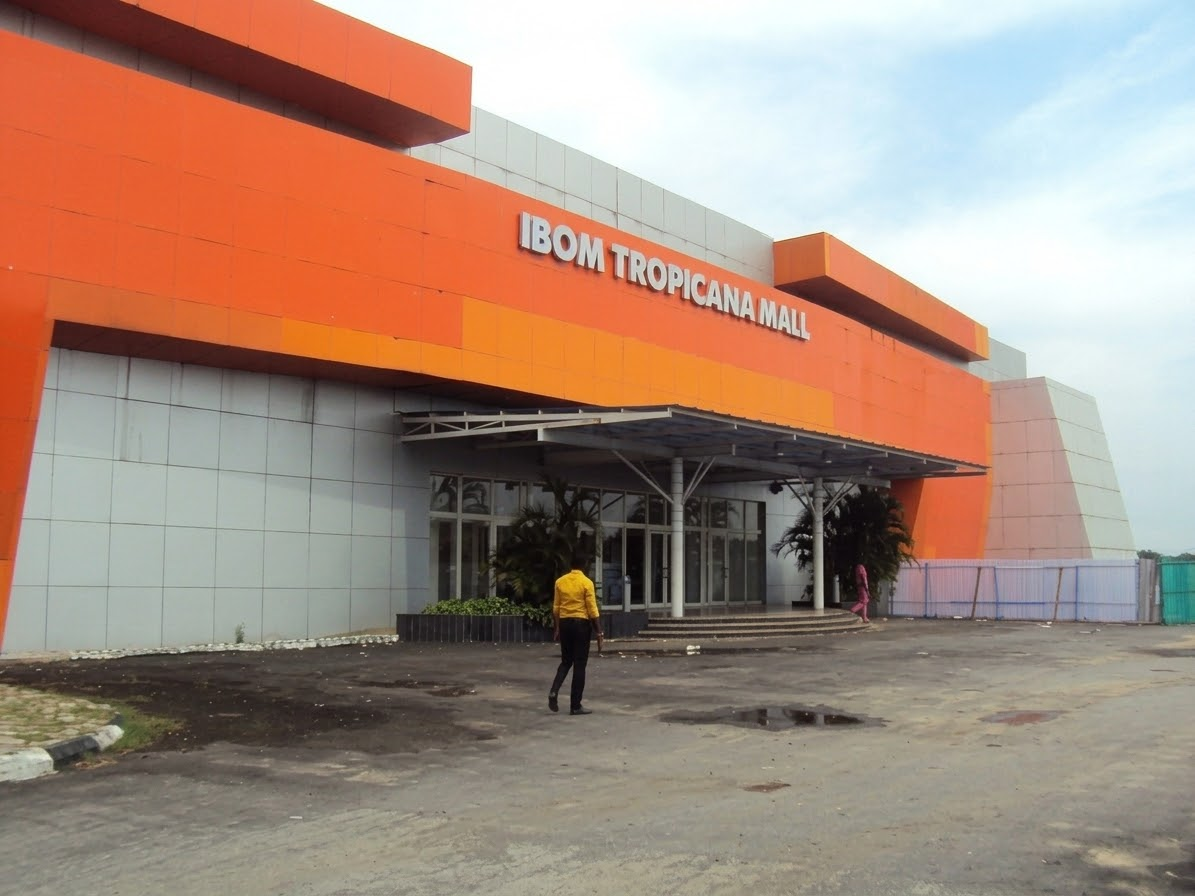
Akwa Ibom conceived Ibom Tropicana as a tourism destination, with hospitality, shopping and leisure facilities. The project was reported to have an estimated cost of about ₦33 billion.
Its ambition was to attract visitors and create a commercial hub, but the full destination originally promised did not materialise.
Such developments depend on several components working together. If the larger plan is not delivered, expensive parts may fail to generate the economic activity used to defend their cost.
6. Ibom Specialist Hospital, Nigeria
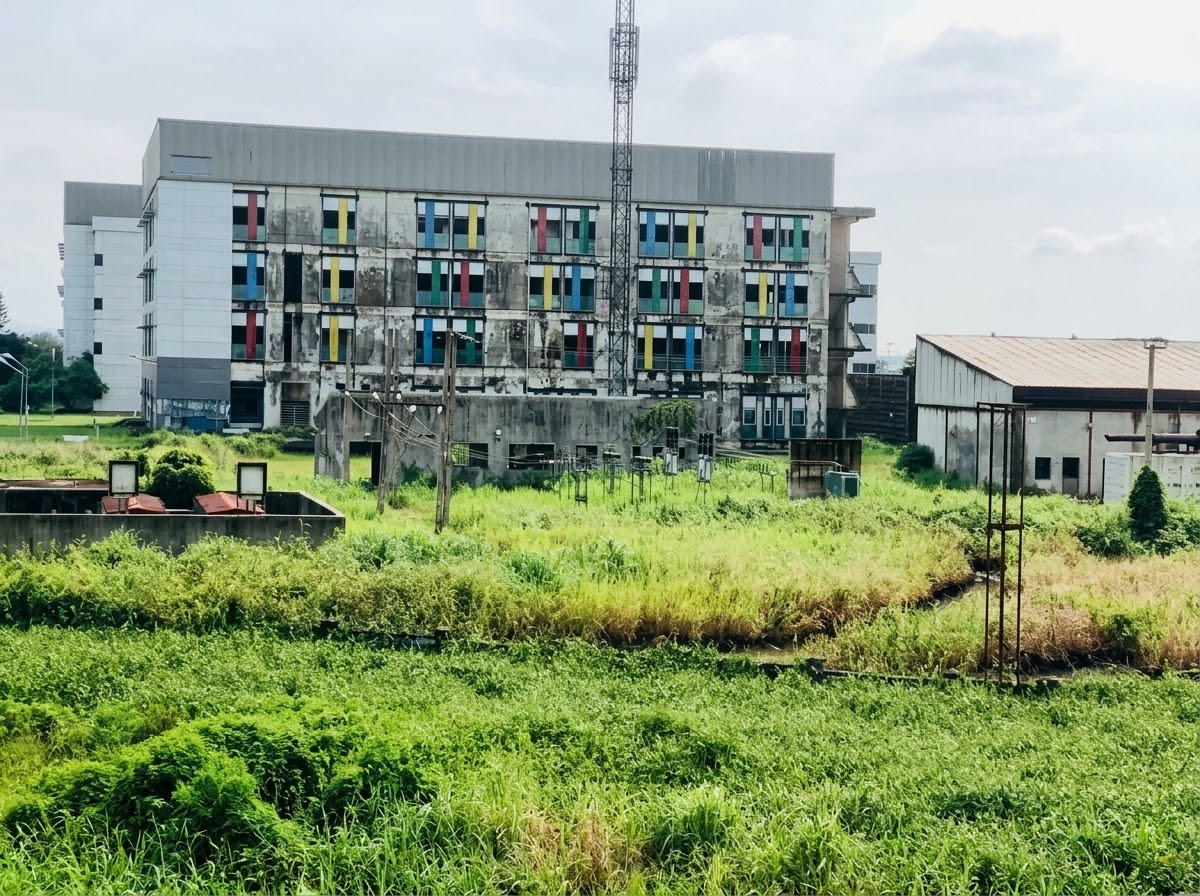
The Ibom Specialist Hospital shows that a project does not have to be unfinished to fail the public.
Reported to have cost about ₦41 billion, the facility was completed but listed as shut down in a 2017 investigation by The Nation and Premium Times.
The N41 billion Ibom Specialist Hospital in Uyo, Akwa Ibom State, was shut down in September 2017 after its private operator, Cardiocare Medical Services Ltd, terminated its management contract with the Akwa Ibom State government amid funding disputes and operational disagreements
A hospital building is not a healthcare system. It needs equipment, trained staff, supplies and an operating budget.
Without them, a completed facility cannot provide the healthcare residents were promised.
7. Saglemi Affordable Housing Project, Ghana
Ghana launched Saglemi in 2012 to deliver 5,000 affordable homes for US$200 million. Three contract amendments reduced the target to 1,506 units.
The housing ministry said US$195.85 million, about 98 per cent of the funds, had been spent, yet none of the units was habitable at the time of its assessment. Water, electricity and other essential infrastructure were missing.
A technical assessment valued the work on site at about US$64.98 million. The government later sought private-sector involvement. Thousands of homes were promised; ready homes were not delivered.
8. Africities Convention Centre, Kenya
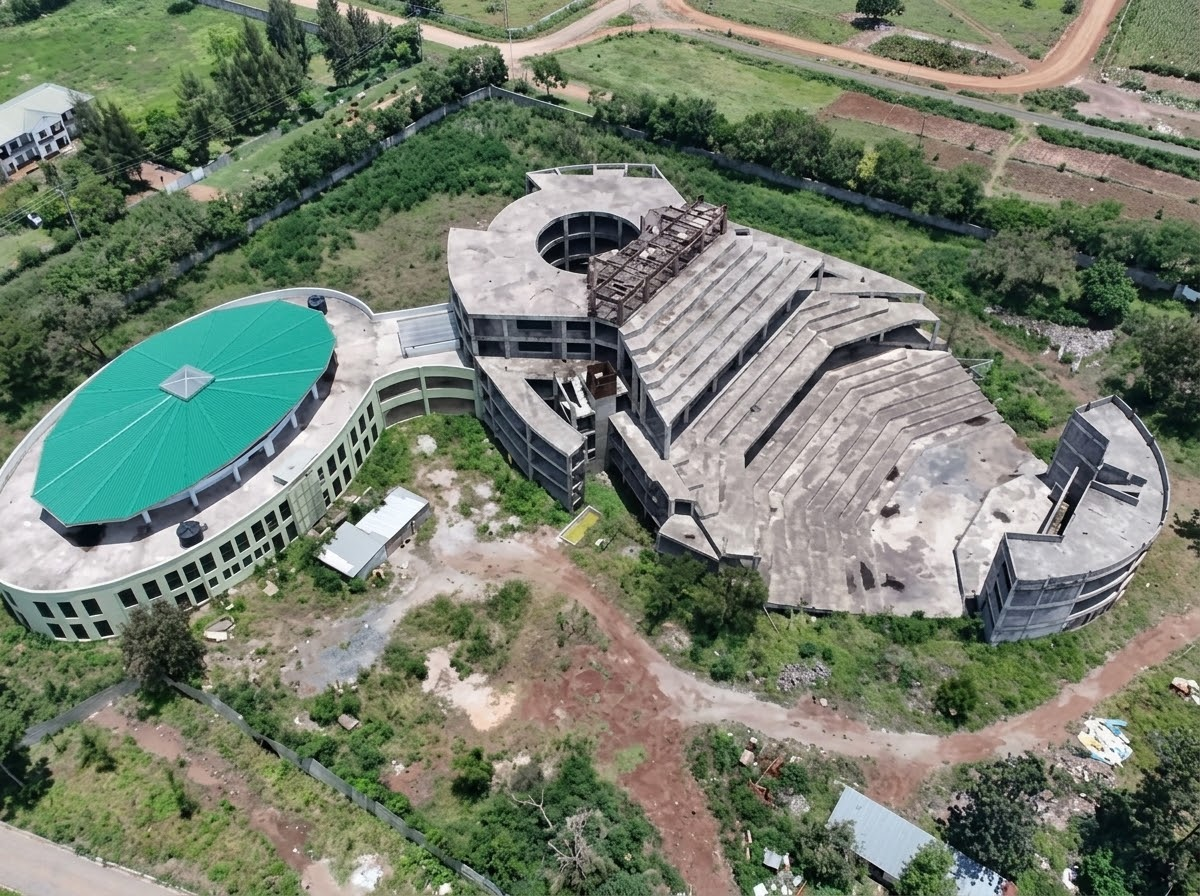
The proposed Africities Convention Centre in Kisumu was meant to attract conferences and investment.
Kenya's Auditor-General recorded a contract sum of KSh890.8 million, including an advance payment of KSh250 million to the contractor.
The 38-week contract began in July 2021, but received repeated extensions. By December 2024, it remained about 60 per cent complete, with no recent progress. The audit said value for money could not be confirmed.
A centre that cannot host conferences cannot deliver the promised economic benefits.
9. Ghana @50 Jubilee Parks, Ghana
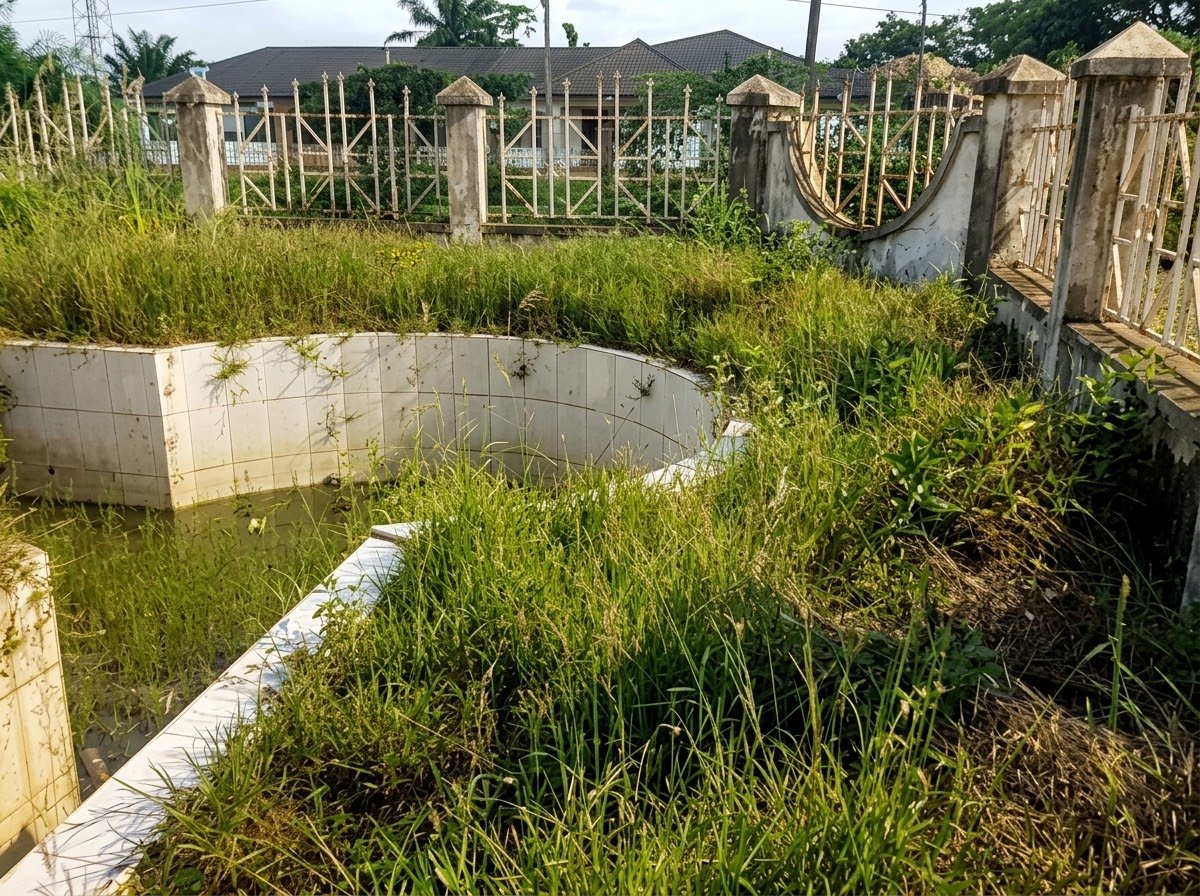
Ghana's 2007 fiftieth-independence anniversary programme included Jubilee Parks in regional capitals, intended as lasting public spaces.
Research into the country's project record reported that many parks were abandoned or failed to serve their intended purpose.
The irony is striking: infrastructure planned to celebrate national progress became associated with poor follow-through. Parks still require proper planning, construction and maintenance. Without these basics, a public asset becomes neglected.
10. Ghana @50 Public Toilets, Ghana
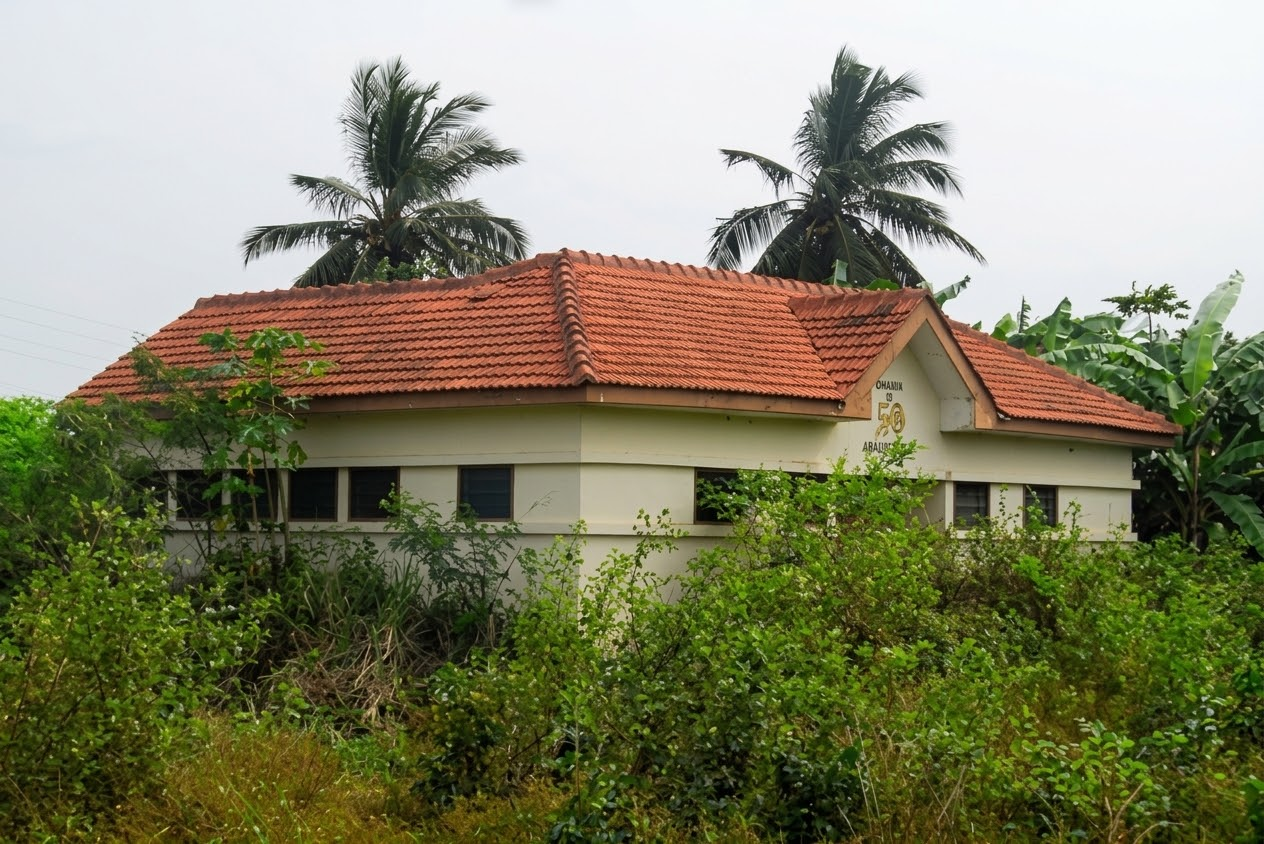
The same anniversary programme included public toilets intended to improve community sanitation. Research on the Ghana @50 projects reported that the facilities were abandoned and not in use.
Public toilets rarely feature in grand speeches, but they affect health, dignity and the environment.
When facilities are built and then left unused, the failure is measured not only in expenditure but in the sanitation service communities still lack.
A ribbon-cutting ceremony cannot substitute for a working toilet.
The Price of Announcements
These cases are not identical. Some projects were abandoned, some stalled midway, and others were completed without delivering their intended services.
Not every delay proves corruption: funding shortages, poor planning, contract disputes and political changes can all contribute.
But governments must account for what they spend and what citizens receive. They should publish costs, contracts, deadlines and independent progress reports.When work stops, the public deserves an explanation and a plan.
A country is not developed by the number of projects announced at press conferences.
It is developed when hospitals treat patients, transport systems carry passengers, homes shelter families and public facilities work long after the politicians who commissioned them have left office.