Behind Every Lagos Street Food Plate Is a Vendor Who Deserves a Profile and Not Pity
Lagos street food vendors may not look like fine-dining restaurants, but they remain an essential ecosystem feeding workers, commuters, and everyday Nigerians.
There is a popular saying: belle no be show glass. Meaning nobody can see what’s inside your stomach, or where it came from. That’s the street food ecosystem feeding Lagos every day: it runs on trust, not branding.
That neatly describes the street food ecosystem feeding Lagos every day.
That fresh-faced colleague in the 9 a.m. meeting? Mama Put breakfast. The man in the crisp shirt? Roadside rice before his first call. The person who says “I’ll just order in tonight”?Ewa aganyin and bread, courtesy of Lagos traffic.
Street food does not always announce itself, and that is why the people behind it do not always receive the recognition they deserve.
The People Feeding a City That Cannot Wait
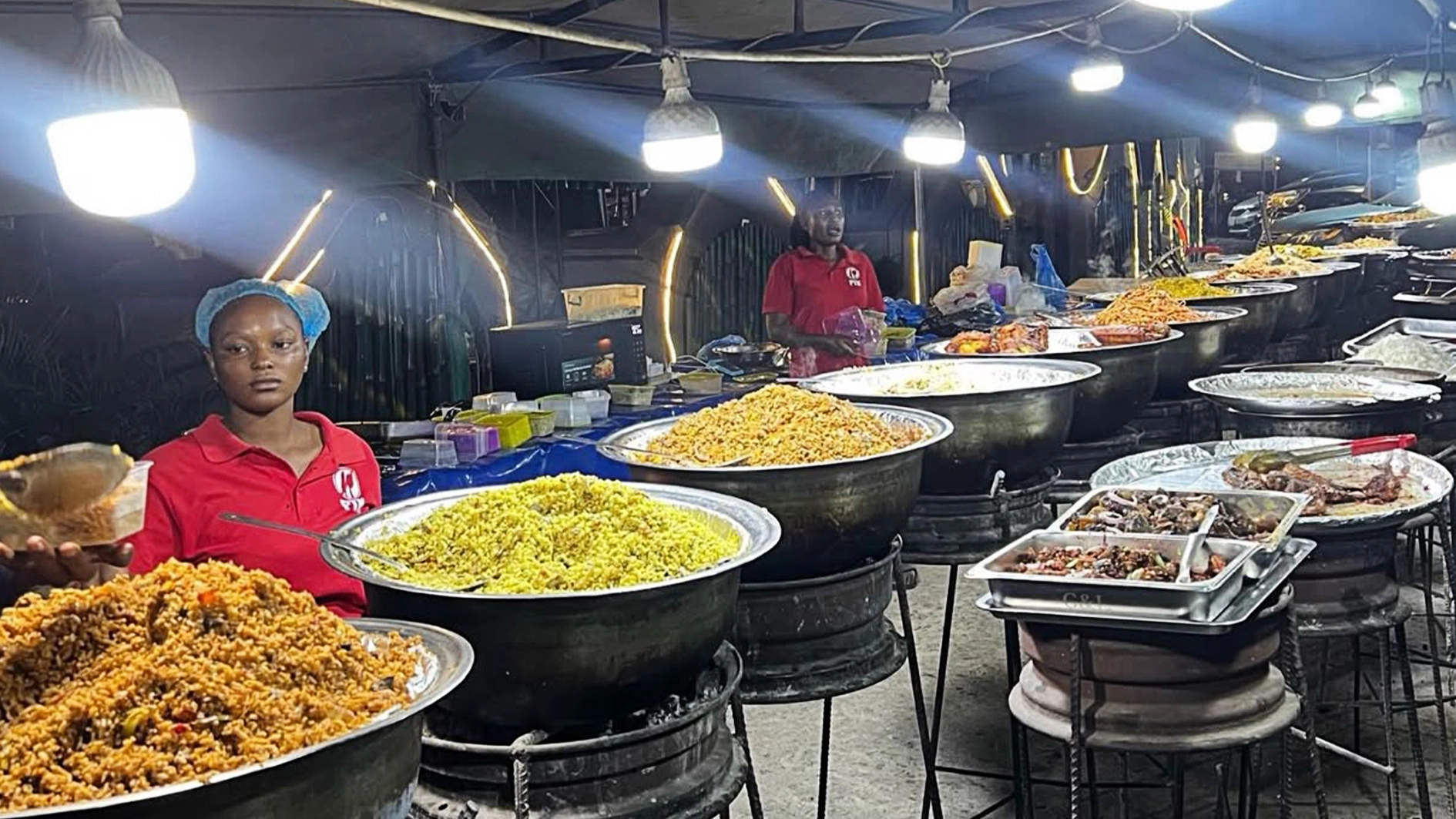
Lagos begins early. Before many people have considered breakfast, somebody is already standing beside a pot of steaming food, preparing meals for workers, students, drivers, traders and commuters.
For the person trying to leave home before traffic becomes a full-time relationship, cooking may not be possible. For someone living alone, cooking every day is a full-time job. For another Lagosian, restaurant prices are simply not it.
That is where the street food vendor enters the economy.
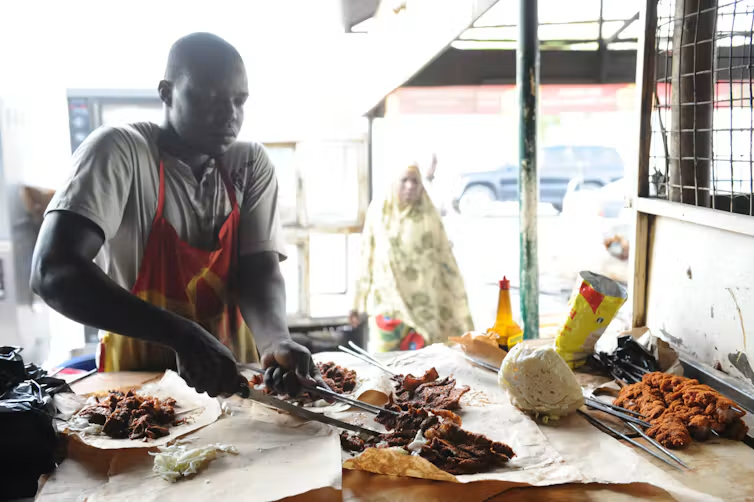
Known by different names—Mama Put, buka, food joint, or roadside vendor—these businesses have long formed part of everyday Nigerian food culture. They may not come with polished interiors, online reservations, or beautifully designed delivery applications, but they serve something equally important: accessibility.
And yes, they save pockets. Abeg, not every meal needs a branded bag to deserve respect.
A Food Ecosystem, Not a Charity Case
This is why I believe the street food vendor deserves a profile, not pity.
The person selling food is often supporting an entire chain: farmers and market traders supplying ingredients, people transporting goods, assistants washing plates, cooks preparing meals, and customers whose daily routines depend on affordable food.
The customer does not deserve pity either.
Buying affordable food is not evidence that somebody has failed at life. Belle nor be showglass, after all.
But let’s be clear: respecting the ecosystem is not endorsing every pot. Almost everyone has a story of a bad stomach after a questionable plate. Sometimes it’s food poisoning from stale food left out too long, reused oil, unclean water, or hands that handled money and then meat.
Other times it’s simply taste: too much salt, too much pepper, soup that tastes like a rushed Monday. Add flies, open drains, and unwashed plates, and “it’s cheap” stops being an excuse.
Hygiene, taste and good service are not luxuries, even on a budget plate. Vendors who invest in them deserve our loyalty, and the rest deserve honest feedback. Regulation and training should support them, not just shut them down.
The solution, however, should not be to dismiss an entire culture as inferior because it does not look like fine dining. Lagos needs restaurants. It needs delivery platforms. But it also needs the woman serving hot food to commuters at 7 a.m.
For decades, these vendors have helped feed a city constantly in motion. They may not always have the glamour. Lagos knows where the food is. Respectfully, we should know who’s feeding most Lagosians too.