The Sky Isn’t the Limit—It’s the Next Casualty of Nigeria’s Neglect
Nigeria’s failing air traffic system exposes a deeper crisis of neglect, where aging infrastructure, poor funding priorities, and government inaction are pushing even the skies toward collapse.
"Nigeria will be better one day." — Nigerians, 1960. 1999. Also now. Maybe forever.
Pessimism has become the default emotion of most Nigerians. If the grid isn't collapsing today, the pothole on your street keeps widening like a sinkhole, or the primary healthcare centre has no equipment, or the terrorists responsible for a growing body count are still chilling in Sambisa or worse, being rehabilitated into society.
In a country like this, you'd think the sky at least was out of reach. You'd be wrong.
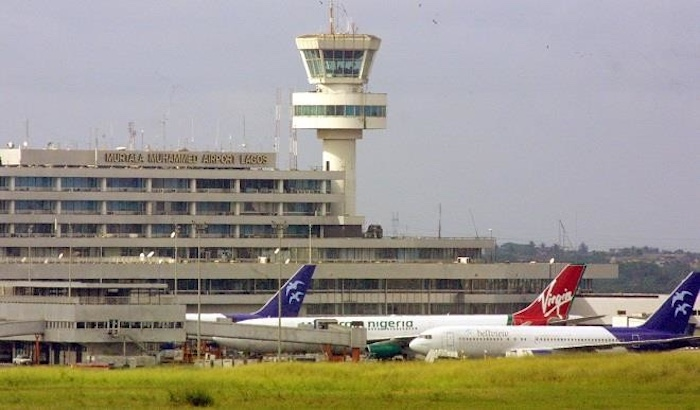
On April 10, news broke that Nigeria's air traffic control infrastructure, the system responsible for monitoring every aircraft moving through the country's airspace, was on the verge of failure.
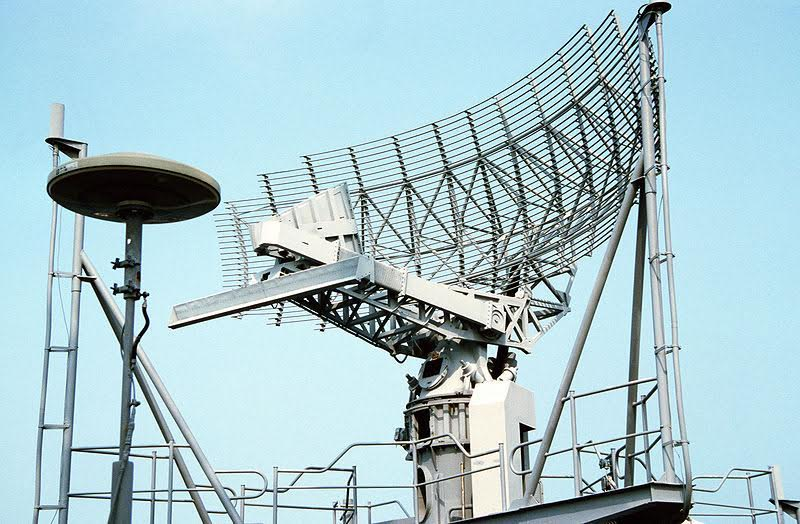
The Nigerian Airspace Management Agency (NAMA) publicly admitted that the Total Radar Coverage of Nigeria (TRACON) system, commissioned in 2001 and fully deployed by 2010, has far outlived its ten-year lifespan.
Its components are already obsolete. Spare parts no longer exist. Most of the system is running without backup.
In plain terms, Nigeria's skies are being managed by equipment the rest of the world abandoned over a decade ago.
A Failure That Was Always Coming
NAMA's Managing Director, Farouk Umar, noted that the technology had been out since 2014, with many countries already migrating to more advanced systems.
Rwanda and Ethiopia — two nations not typically associated with surplus budgets — are actively modernising their aviation infrastructure\ and leading Africa's push toward a unified continental air transport market.
Even Tanzania has announcedplans to replace its obsolete radar at Julius Nyerere International Airport.
Nigeria, meanwhile, has been sitting with the same decaying system, charging airlines the same N11,000 per aircraft it set in 2008, a rate that has not been updated in nearly two decades.
There is a word for this kind of situation. Several, actually. None of them are printable.
To be fair, NAMA is not entirely to blame. The agency flagged that a 30 per cent federal government deduction from its internally generated revenue directly undermines its ability to meet critical obligations.
Nigeria's 2026 aviation budget tells the rest of the story. The sector received N87.3 billion, a decrease from the N105.9 billion allocated in 2025, even as infrastructure needs have only grown louder.
NAMA specifically was handed N6.3 billion, all of it for capital expenditure, which sounds responsible until you read the fine print of the broader ministry budget: N700 million quietly earmarked for vague "consultancy" fees, N500 million for something called "masterplan analysis", and two separate N350 million allocations that appear to cover the exact same landing system upgrades at the exact same airports.
The lights stay on for the bureaucrats. The radar quietly dies.
The Sky Is Just the Latest Symptom
This is, unfortunately, the consistent rhythm of Nigerian governance.

The country's infrastructure stock still sits at30 per cent of GDP, less than half the World Bank's benchmark of 70 per cent, and trailing 23 other African nations on the continent's own Infrastructure Development Index.
Power outages cost Nigeria an estimated $29 billion annually, roughly 10 per cent of GDP, while businesses already allocate another $14 billion a year on private generators just to stay alive.
As of February 2026, thermal plants, which produce over 70 per cent of the country's electricity, were receiving less than half their required gas supply.
The national grid has collapsed 138 times in the last decade.
The parliament also approved the 2026 budget in March and on the same day extended implementation of the 2025 capital budget to June because the previous year's infrastructure spending had still not been spent.
What makes the aviation crisis particularly appalling is not that the infrastructure is failing, it is that the failure was predictable, documented and ignored.
ICAO's 2023 universal safety audit gave Nigeria a score of 44 per cent in Air Navigation Services, one of its lowest scores across all evaluated categories.
The federal government was not unaware. It simply had other priorities, which appear to include maintaining a full payroll while capital projects collect dust.
Africa already accounts for roughly 19 per cent of global aviation fatalities despite generating only 3.9 per cent of global air traffic.
A country of over 220 million people, with one of the continent's busiest domestic aviation markets, cannot afford to run its airspace on nostalgia and bureaucratic inertia.
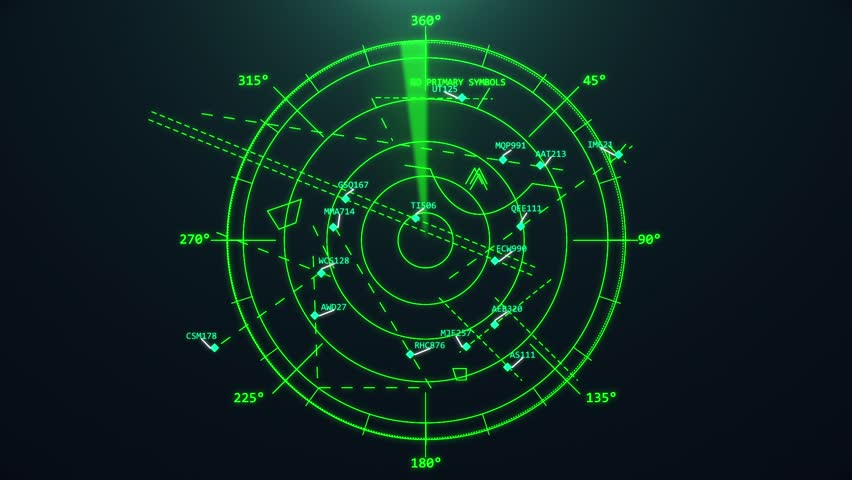
Without reliable radar surveillance, maintaining safe distances between aircraft becomes guesswork.
An airspace managed by guesswork is not an airspace. It is a liability.
Conclusion
The Permanent Secretary of Aviation, Mahmoud Kambari, responded to NAMA's concerns with a pledge of collaboration and alignment to international standards.
This is the Nigerian government's favourite genre: the aspirational press statement. The same government that announced a "Budget of Restoration" in 2024 managed to end the year with just 30 per cent infrastructure delivery.
Announcements are cheap. Radar systems, apparently, are not.
Nigeria's TRACON failure is not, in the end, an aviation story. It is a story about a government that has perfected the art of presiding over collapse.
The act of signing ambitious plans, holding commissioning ceremonies and watching infrastructure quietly expire while salaries of government officials are paid on time and speeches are delivered with confidence.
The sky, it turns out, is not the limit. In Nigeria, it is just the next thing that will need to be fixed. One day, maybe.