The Life Of Rev. Jesse Jackson: The Man, The Activist And Human Rights Advocate
The life Rev. Jesse Jackson’s life tells the story of a preacher who became a political force, a civil rights organizer and a strategist who expanded the struggle for racial justice into a broader fight for economic equity and democratic inclusion. From the pulpit to presidential campaigns, his journey reflects the evolution of America’s civil rights movement and the enduring demand for conscience in public life.
There are public figures, and then there are moral presences. The kind whose voices do not merely echo through microphones but travel through history.
Reverend Jesse Jackson belonged to that rare category. When he spoke, it was not simply rhetoric, it was cadence shaped by conviction and a belief that was impenetrable. His speeches were not performances, they were summons—and they did summon the attention it deserved.
To watch him address a crowd in his prime was to witness a preacher who understood the mathematics of hope and how deeply he could pass his message.
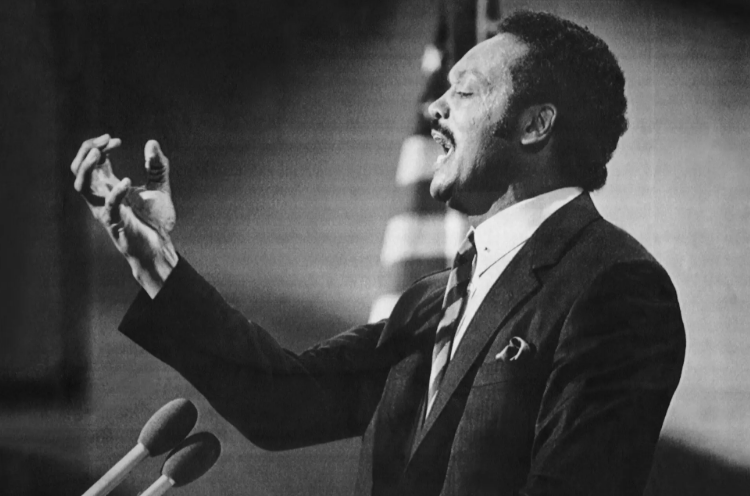
He could lift despair from a room heavy with injustice and turn it into resolve. He believed in the moral weight of words. He believed that language could mobilize the forgotten and unsettle the comfortable.
His public life was deeply intertwined with that of Martin Luther King Jr., whose assassination in 1968 marked not just a national tragedy but a generational turning point.
Jackson had stood within King’s orbit, not merely as an observer or a passerby in his life, but as an apprentice of nonviolent resistance, economic justice advocacy, and the politics of dignity.
After King’s death, many wondered who would sustain the rhythm of the movement. Jackson seems to have stepped into that void or maybe he filled King's shoe, not as a replacement, but as a continuation of the legacy for truth.
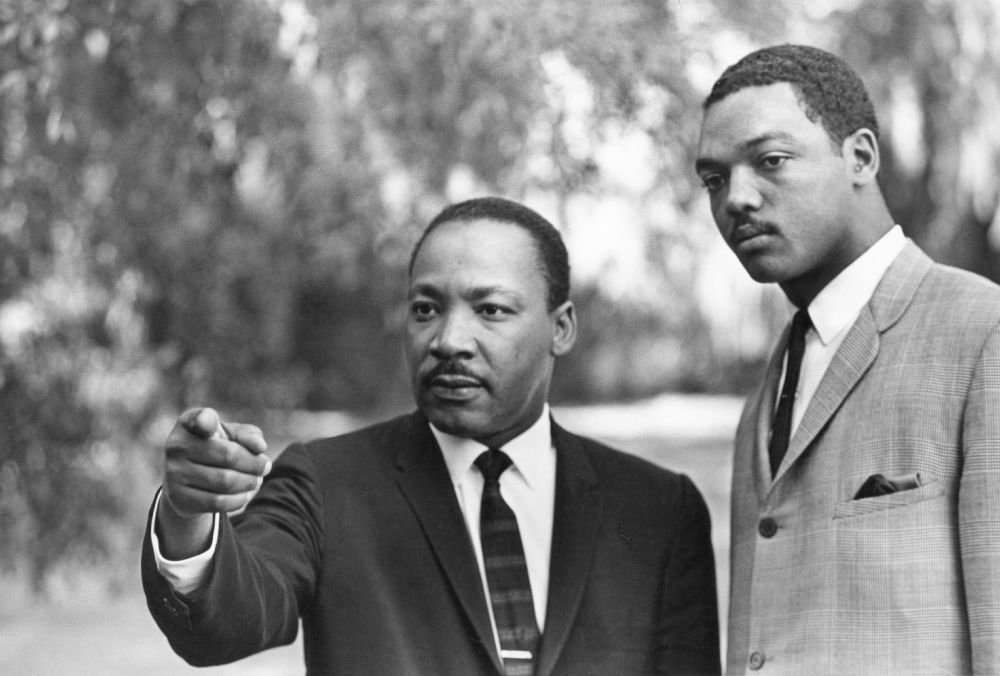
He carried the dream forward, not in identical form, but with his own inflections. Where King had been poetic and prophetic, Jackson was strategic and relentless.
He definitely understood media optics, coalition building, and the expanding language of American democracy.
In his life, he insisted that civil rights were inseparable from economic rights. That poverty was not incidental to inequality, it was engineered and was the base that held summation of the rights of any man.
To some, he was controversial—maybe he was or he wasn't—that is for you to judge as the basis of being controversial is different across various regions and cultures.
To others, he was necessary and he was needed in the trajectory of history.
But to history, he remains a figure who refused to let silence settle over injustice.
From Greenville to the National Stage
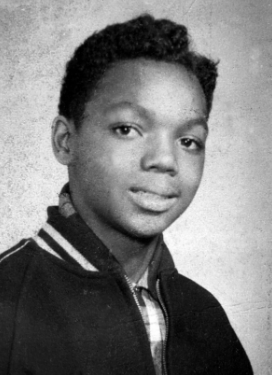
Jesse Jackson’s journey began far from the glare of national cameras. Born October 8, 1941 in Greenville, South Carolina, his early life was shaped by the segregated realities of the American South.
Those formative experiences, navigating racial barriers, absorbing the coded hierarchies of Jim Crow society, would later fuel his activism.
Education became both a pathway and a platform. He distinguished himself academically and athletically before entering theological training.

The pulpit, however, did not confine him nor did it dilute his message. Ministry, for Jackson, extended beyond sanctuary walls and demanded public confrontation with injustice.
During his lifetime he was associated with the Southern Christian Leadership Conference which placed him at the center of civil rights organizing.
He was involved in voter registration drives, economic justice campaigns, and negotiations that required both courage and composure.
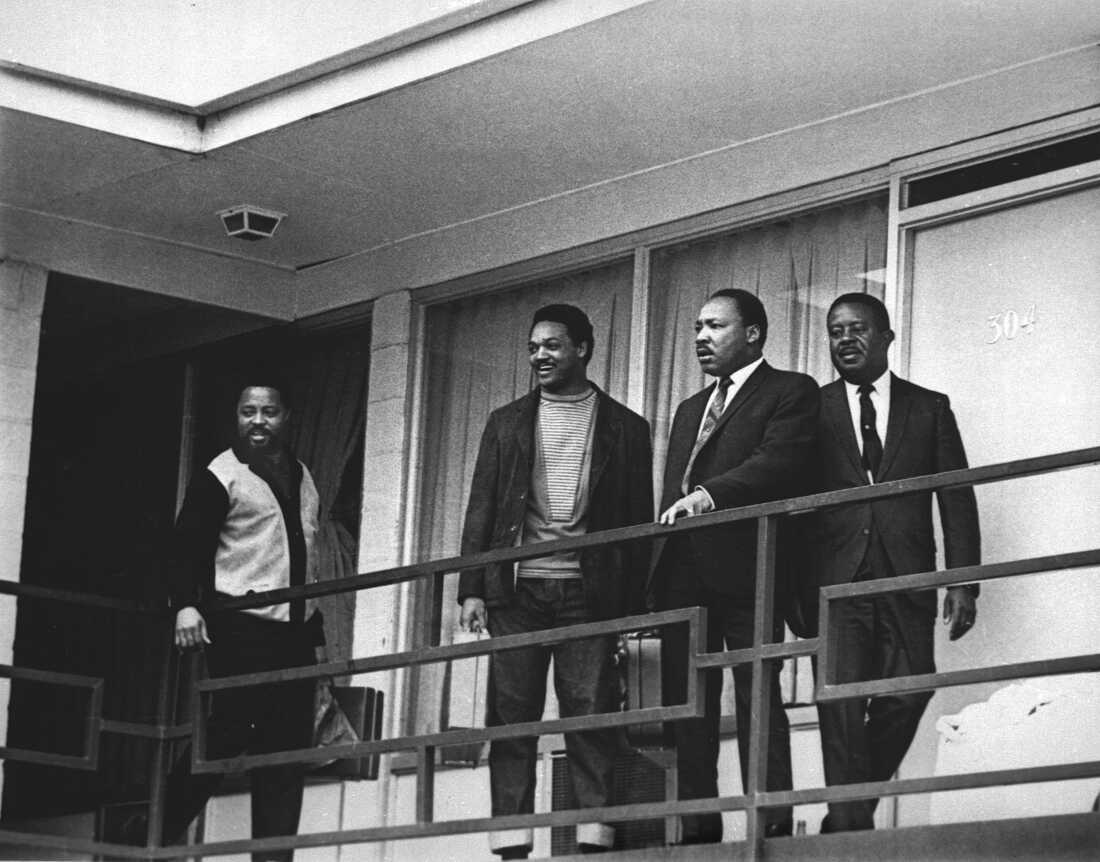
The Poor People’s Campaign, which emphasized economic inequality across racial lines, left a lasting imprint on him. He saw clearly that racial justice without economic restructuring would remain incomplete and possibly futile.
In the decades that followed, Jackson built institutions of his own, most notably the Rainbow Coalition, a political and social movement aimed at uniting marginalized communities: African Americans, Latinos, working-class whites, farmers, and laborers.
The coalition was not merely symbolic or interest based. It represented an ideological expansion of civil rights into a broader democratic struggle.
He pursued to be president of the united states and ran campaigns twice in 1984 and 1988 and although he did not win the democratic nomination, his candidacy was groundbreaking and felt across during the time.
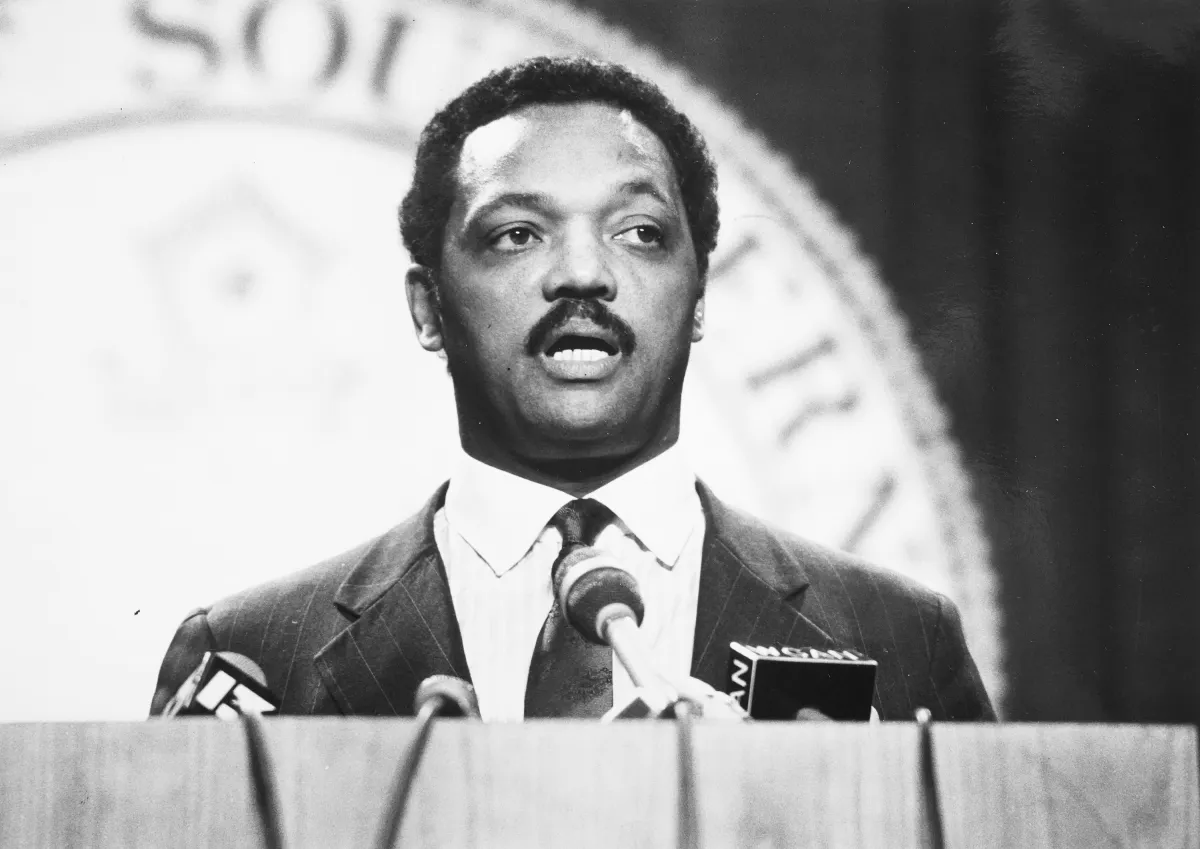
His ambition expanded political participation, registered new voters, and reframed what was possible for Black leadership in American politics.
He secured millions of votes and compelled mainstream political actors to engage with issues they might otherwise have sidelined.
His life was not without personal complexities or political criticism, yet even critics acknowledged his capacity to convene, to negotiate hostage releases abroad, to intervene in moments of crisis, and to speak when others hesitated.
In his later years, as illness slowed his public engagements, the image of Jackson remained fixed in collective memory: the raised arm, the rhythmic chant of “Keep hope alive,” the insistence that democracy must include those historically excluded.
His death, which occurred on the 17th of February 2026 marked the end of a chapter, but not the end of the questions he forced societies to confront.
From the small town of Greenville in South Carolina, Jesse has made a remarkable impact that outlives him and will inspire generations to come.
The Man And His Mobilization: Oratory, Strategy, and the Architecture of Hope
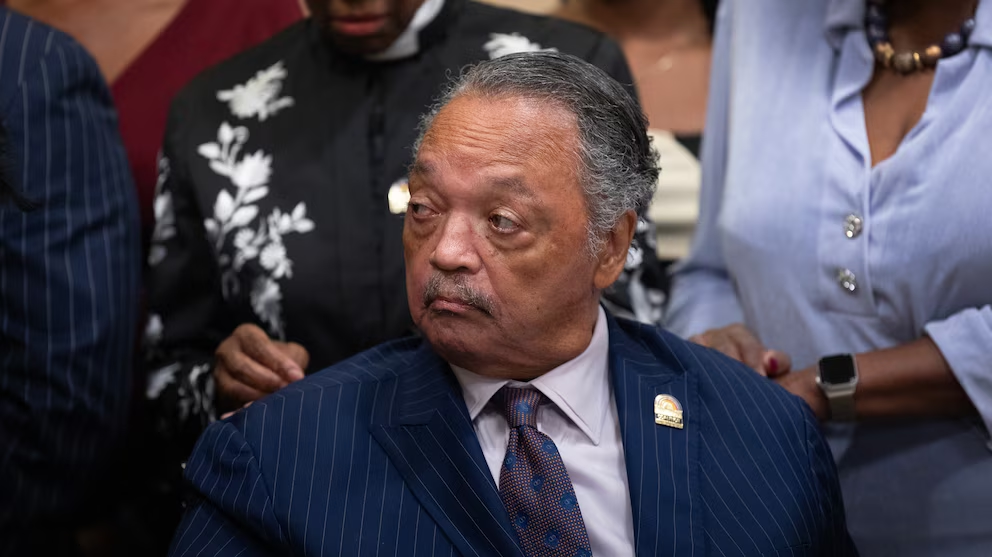
Beyond charisma, there was a method, Jackson’s activism wasn't spontaneous passion, it was structured persuasion. He understood crowd psychology, how repetition reinforces belief, how rhythm builds emotional cohesion, how moral framing transforms policy debates into ethical imperatives.
His sermons and speeches often followed a deliberate arc: identify injustice, connect it to shared human values, personalize its impact, and conclude with collective agency.
It was a formula rooted in Black church tradition but adapted for national politics.
As regards economics, his emphasis on boycotts and corporate accountability revealed a strategic grasp of leverage. He recognized that moral protest without material consequence could be ignored.
By targeting corporations, negotiating employment agreements, and demanding minority representation in executive structures, he translated activism into measurable outcomes.
His presidential bids further demonstrated institutional literacy. He did not merely run symbolic campaigns; he built voter infrastructure, expanded delegate counts, and reshaped party platforms. Political participation, he argued, was itself a form of resistance.
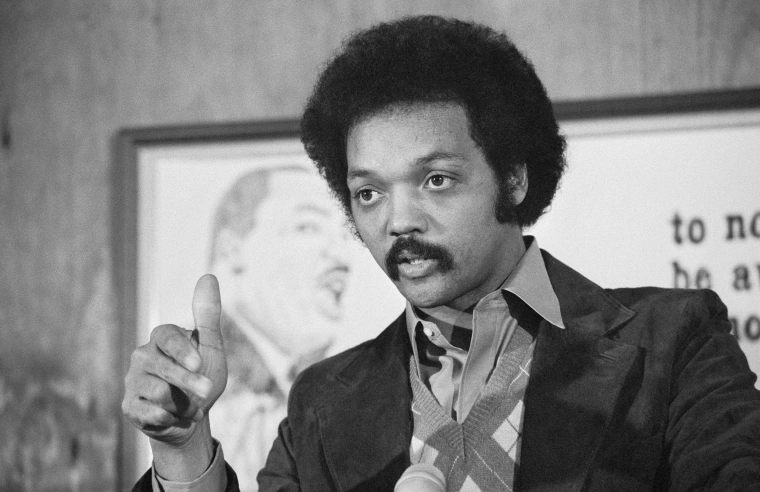
Jackson understood media ecosystems from the onset of his life. In an era before digital virality, he mastered television presence. He framed civil rights in language accessible to middle America while retaining authenticity with grassroots communities. This balancing act required both rhetorical agility and ideological clarity.
Perhaps most importantly, he recognized that movements require narrative continuity. After King’s assassination, fragmentation threatened momentum.
Jackson’s constant refrain, hope as discipline, not sentiment, functioned as psychological reinforcement for communities fatigued by slow progress.
The science behind his activism was simple yet profound: moral conviction plus organizational strategy equals sustainable change.
What the World Often Missed
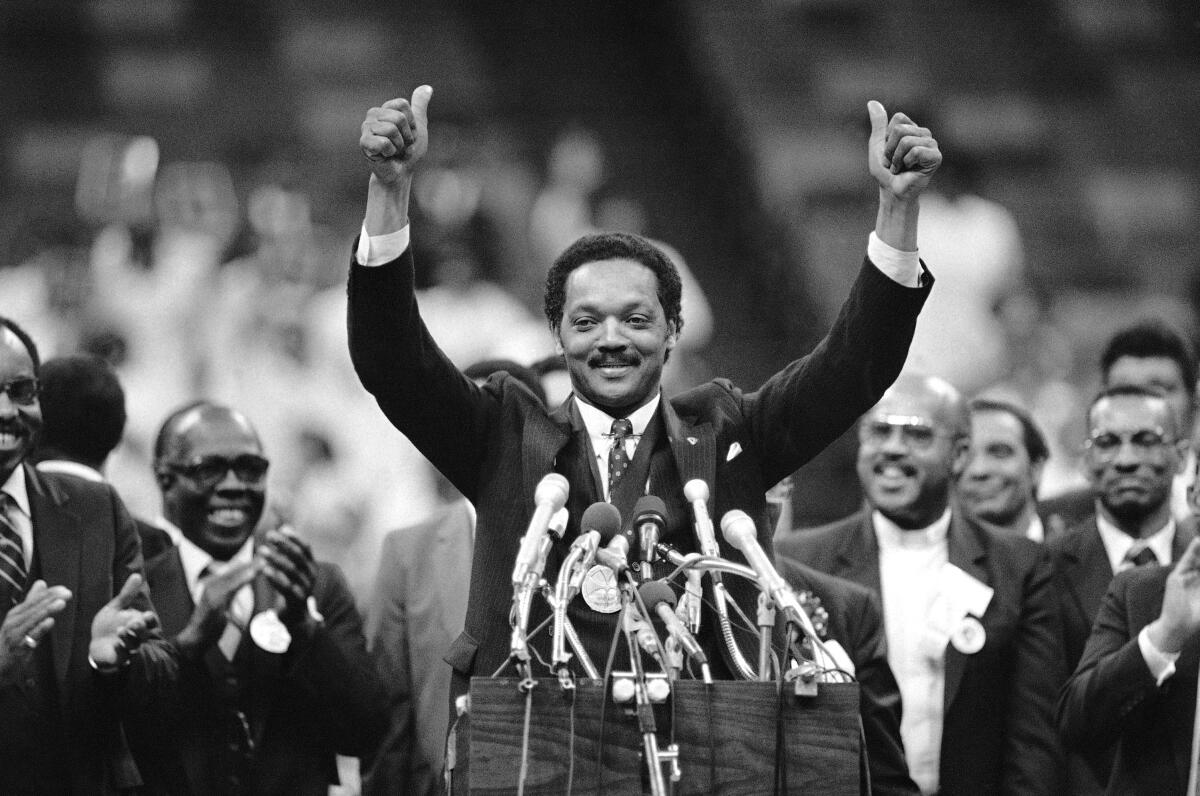
Public memory tends to flatten figures into caricatures — hero or agitator, saint or opportunist. What is often missed about Jesse Jackson is the breadth of his engagement.
He was not confined to one issue or demographic. He intervened in international crises, advocated for farm workers, engaged labor unions, negotiated corporate reform, and pushed for educational access. His politics were intersectional before the term gained popularity.
Another overlooked dimension is his resilience. Sustaining relevance across decades of shifting political climates requires adaptability.
Jackson navigated the post–civil rights era, the Reagan revolution, the globalization wave, and the dawn of a new millennium, adjusting tactics without abandoning core principles and ideologies that he stood for as a person.
He also bore the psychological weight of representation. To stand as one of the most visible Black political figures in America meant carrying scrutiny few people experienced.
Every misstep was magnified, every success contested. Yet he remained present in the public arena long after many contemporaries retreated.
History may debate his effectiveness in particular negotiations or campaigns, but it cannot deny his persistence.
Conclusion: A Legacy Written in Time
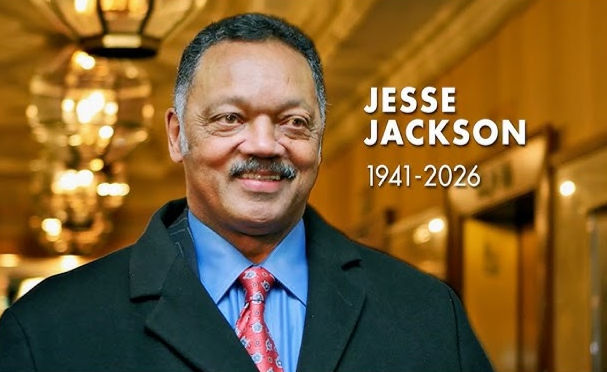
Jesse Jackson’s life resists a simple summary and all his impact can not be fitted into one article.
He was a preacher and politician, strategist and symbol, agitator and negotiator. He inherited a movement in mourning and refused to let it dissolve into memory.
His contribution was not merely in victories secured but in spaces opened and the impact that was felt and visibly seen.
He expanded the vocabulary of American politics to include voices once peripheral. He insisted that democracy was incomplete without economic equity and demonstrated that faith-based conviction could coexist with political pragmatism.
Elections come and go, movements evolve and personalities fade from headlines. But certain refrains and impacts endure.
“Keep hope alive” was never naïve optimism. It was a directive, a reminder that progress requires maintenance.
In carrying the dream forward, Jesse Jackson did not claim perfection or the man who knew it all. He claimed participation, showed it, invited everyone that he could get to and in doing so, he ensured that the politics of conscience would not and never go quiet.
Mr. Jackson picked up the mantle of Dr. King after his assassination in 1968 and ran for president twice, long before Mr. Obama’s election in 2008.
He definitely would have wanted to achieve either the commanding moral stature of Dr. King or the ultimate political triumph attained by Mr. Obama.
But would we see someone that would fit in that shoe and continue the belief that these men had?