The Daily Migration: The Cost Of Working in Lagos, And Living Somewhere Else
Rents on the Lagos mainland have jumped from ₦500,000 to ₦2.5 million in two years. The housing shortage stands at 3.4 million units. Workers are commuting four hours from Ogun State. Lagos is growing, just not for the people inside it.
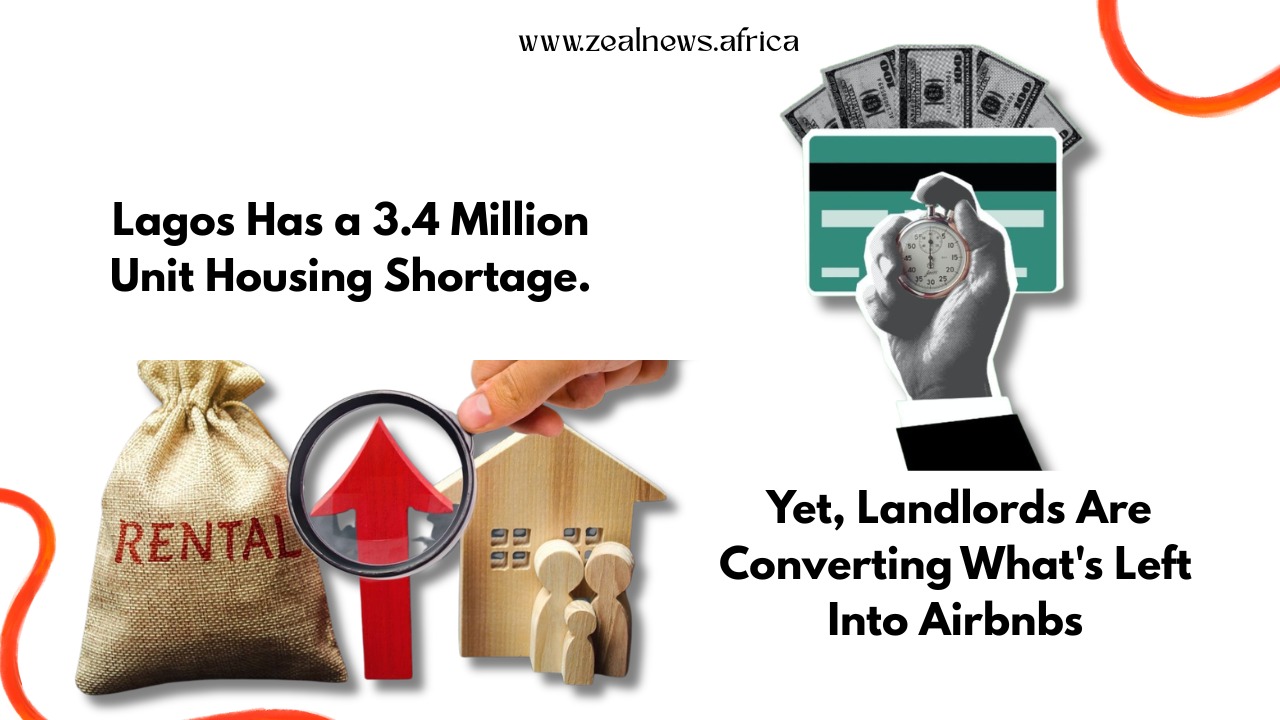
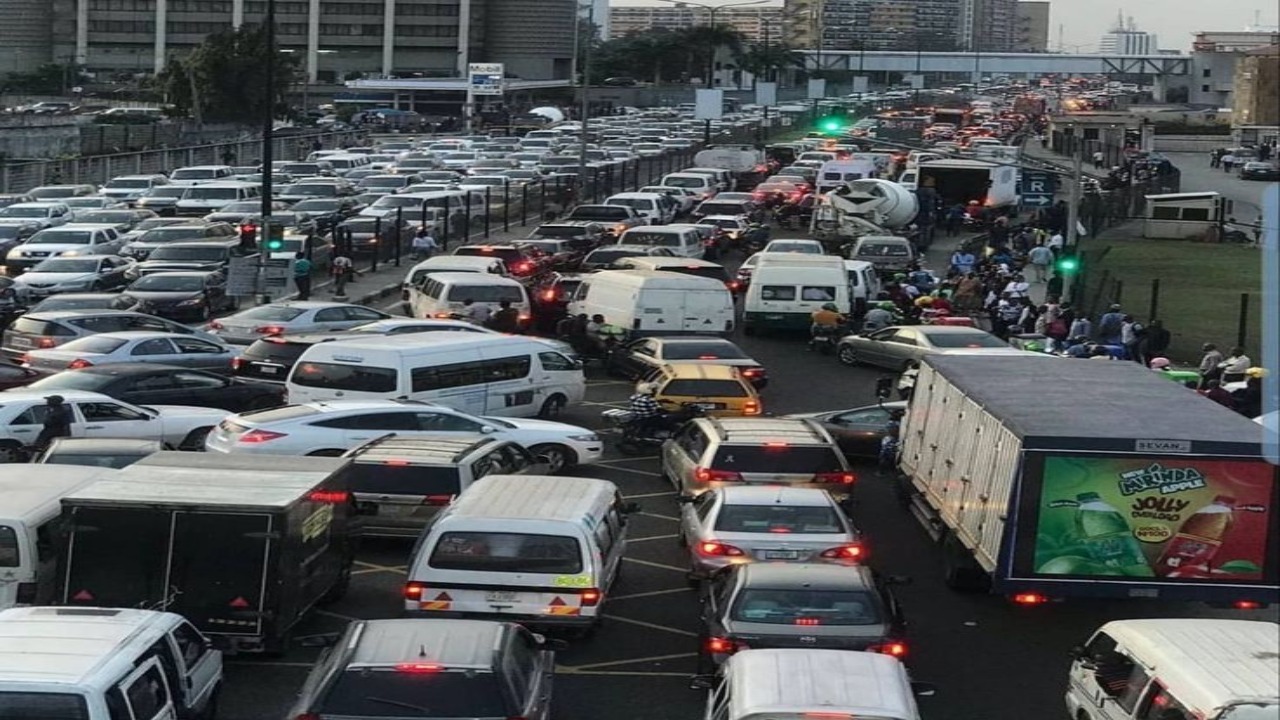
There is a man who wakes up before dawn every day, takes a four-hour commute through Lagos traffic, arrives at work in one of the city's glass towers on Lagos Island, and then does it all again in reverse, just to get back to a small flat in Sango Ota, Ogun State.
He is 32 years old. He works in tech. And he cannot afford to live in the city where he works.
His name is Oluwatobi Ogundipe, and his story is not new, like hellooooo, this is Lagos in 2026.
The Numbers Tell You Everything
Two years ago, a basic flat on the Lagos mainland rented for around ₦500,000 a year. Today, that same flat costs up to ₦2.5 million. On the island, rents have tripled, yet the national minimum wage still remains ₦840,000 a year.
Sit with that for a second. The minimum wage is ₦840,000. A modest flat costs ₦2.5 million. And that is before agency fees, agreement fees, and whatever additional charges landlords have decided to invent this season.
A self-contained room close to Lagos Island that rented for ₦900,000 in 2023 nearly doubled once all the extra charges were added. People who found that price unaffordable moved further and further out until they crossed state lines entirely.
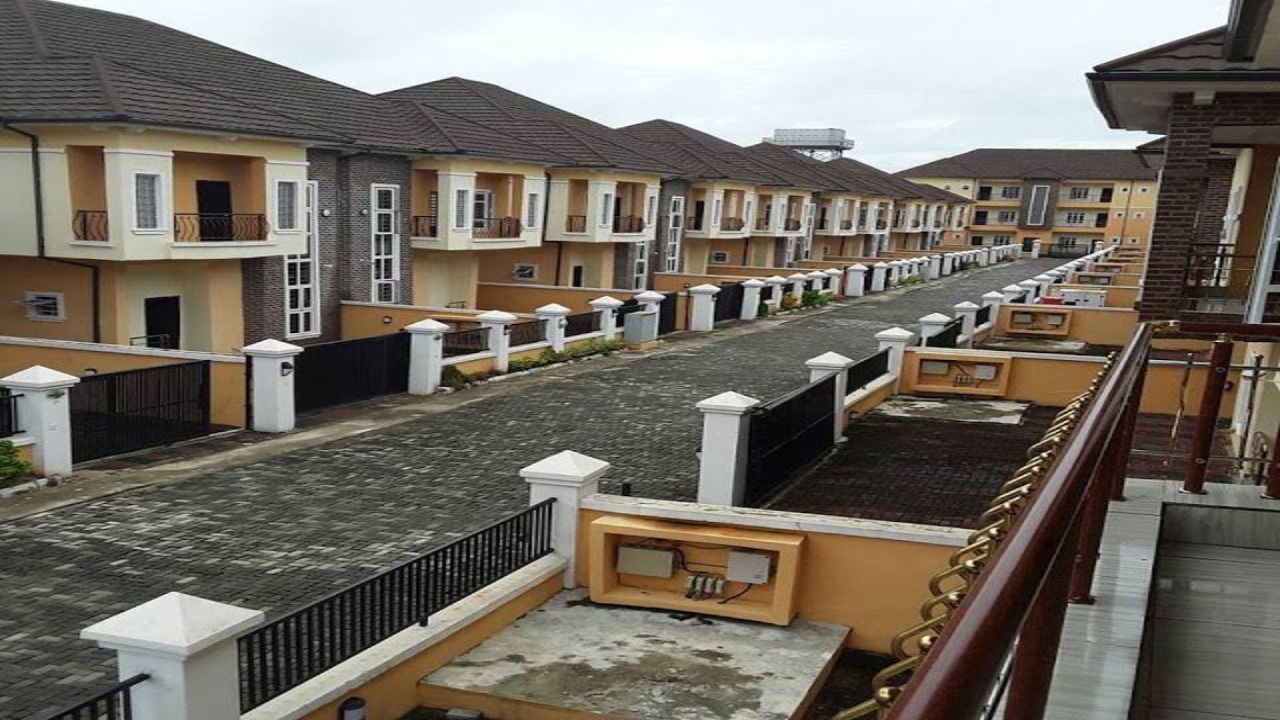
This is not a story about one person. This is the structure of life for a significant portion of Lagos workers.
Civil servants, teachers, junior executives, mid-level professionals, people who are doing everything right and still cannot afford a dignified place to sleep near their place of work.
3,000 People Leave Lagos Every Day. 6,000 More Arrive.
According to the state's own deputy governor, Dr Kadri Obafemi Hamzat, Lagos absorbs a net gain of approximately 3,000 new residents daily. People keep coming because Lagos is where the opportunities are. The jobs, the clients, the industries, the connections; they all live here.
But the city is not building fast enough to house the people it keeps attracting. Professor Taibat Lawanson of the University of Lagos puts the housing shortage at more than 3.4 million units.
Not 3,400. Not 34,000. Three million, four hundred thousand units. That is not a housing gap. That is a housing catastrophe that has been quietly building for decades while successive governments issued master plans and held press conferences.
And the supply that does exist is being actively pulled away from the people who need it most.
Landlords Found a Better Business. You Are Not It.
Lagos landlords are converting long-term rental properties into short-let apartments at scale.
Airbnb, corporate housing platforms, and the explosion of business travel into Lagos have made it far more profitable to rent your flat to a visiting consultant for a week than to a Lagos resident for a year.
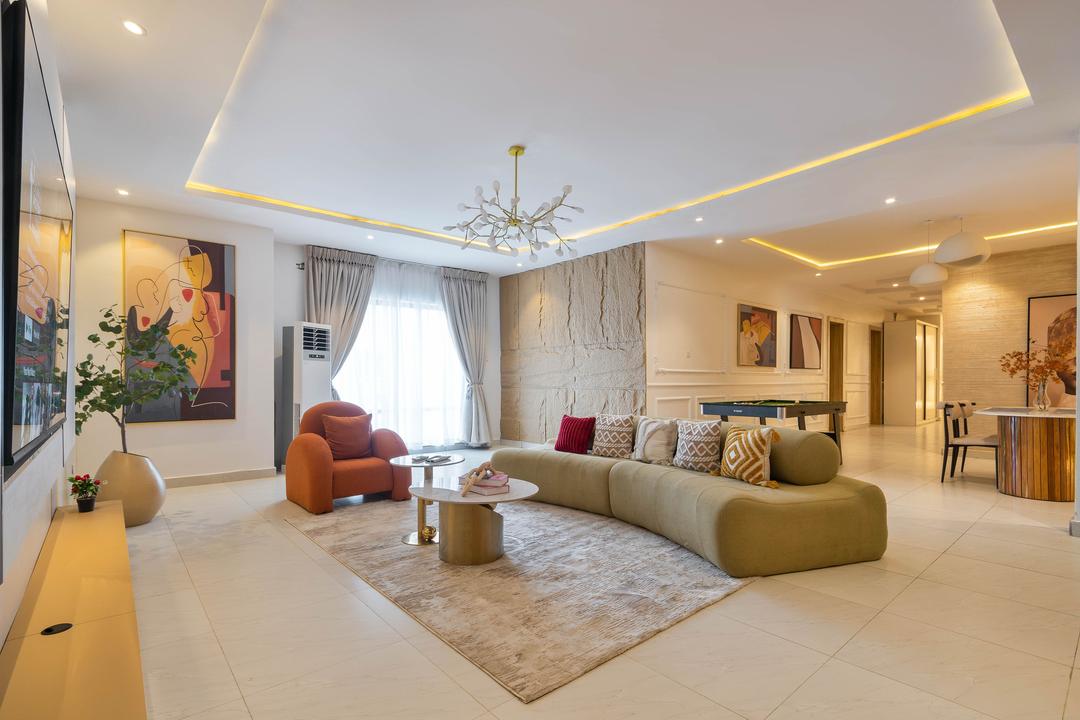
One Lekki landlord told the Guardian, plainly, that a short let can earn in a week what a long let earns in a month. That is not villainy. That is rational economic behaviour in a city where the incentives are perfectly designed to extract maximum value from property while providing minimum housing to residents.
Every landlord in Lagos, as one civil servant put it, seemed to have held a secret meeting and agreed to raise rents simultaneously. He is not wrong about the feeling, even if the mechanism is more structural than conspiratorial.
When the entire market moves in one direction because the incentives all point the same way, the effect on ordinary people is identical to collusion.
The City Is Building, Just Not for You.
High construction costs. Soaring land prices. Limited housing finance. Weak government incentives for affordable development. The result is predictable: developers build luxury. Not because Lagos people want luxury. Because luxury is where the profit margin is.
So you get gleaming towers in Ikoyi and Eko Atlantic while civil servants share apartments in Ijaiye and product managers commute from Ogun State.

You get a city that is simultaneously one of the most exciting places in Africa and one of the most hostile to the ordinary people who built it.
Ayodeji Monsuru is a civil servant and father of two. He earns ₦240,000 a month. He spends ₦3,500 every week on transport to work. His rent went from ₦300,000 to ₦500,000, and he had to move further out to survive.
"Sometimes I wonder if working in the city is even worth it."
That sentence should not exist. A man who shows up every day, serves the city, raises his children, and manages his finances should not be questioning whether his own labour is worth the suffering it costs him. That is not a personal failure. That is a policy failure wearing a personal face.
So What Is Lagos Trying To Communicate To Its People?
Lagos projects an image to the world. Afrobeats. Tech hubs. Billionaires. The most dynamic city in Africa. Come and see what we have built.
But what it says quietly, through its housing market, its traffic, its rent agreements, and its conspicuous absence of affordable housing policy, is something else entirely.
It says: Come and work here, but do not expect to live here with any dignity.
It says: your labour is welcome. Your comfort is not our problem.
It says: if you cannot afford it, move further away and commute longer. We will not adjust the city to accommodate you. You will adjust yourself to accommodate the city.
"We all come to Lagos chasing something,"Ogundipe told the Guardian. "But these days, it feels like the city is slowly pushing us away."
Lagos is not pushing people away by accident. It is pushing them away by design. By the design of a housing market with no meaningful regulation. By the design of a development sector with no affordable housing mandate.
The state government did not respond to a single request for comment on the housing crisis affecting millions of its residents.
The city is not broken. It is working exactly as it was designed to work; for the people who already have enough, and against the people who are still trying to get there.
That is the crisis. And until Lagos decides to design a city for the people who actually live in it, the four-hour commutes will get longer, the rents will keep climbing, and the question Monsuru is asking himself every morning will be asked by more and more people who have given everything to a city that keeps asking for more.
This piece was written in response to Valentine Benjamin's report for The Guardian. Read the original report here: theguardian.com