The Biggest Sources of Power in Africa: Where Each Country Gets Its Energy
Africa’s energy mix is full of paradoxes: rich in oil, gas, coal, and renewables, yet over 600 million people still lack electricity. Read about Africa’s biggest power sources, from hydropower and solar to coal and geothermal, and the continent’s path to a clean energy future.
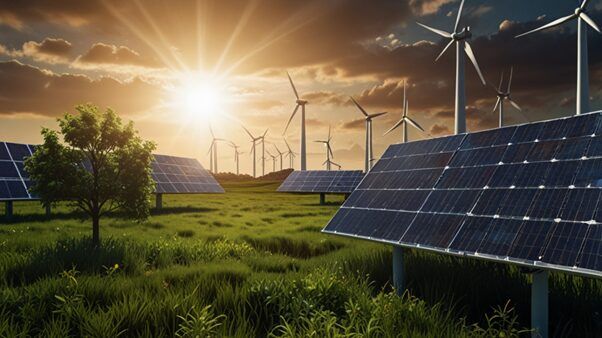
Africa is a continent of contradictions when it comes to energy. On one hand, it is home to vast reserves of oil, natural gas, coal, and uranium, alongside some of the world’s best solar, wind, and hydropower potential.
On the other hand, over 600 million Africans still lack access to electricity according to the International Energy Agency (IEA). This paradox has shaped national policies, influenced foreign investments, and determined how countries power their homes, industries, and cities.
But where exactly do African nations get their power? From the hydropower-driven dams of Ethiopia, to South Africa’s coal-heavy grid, to Kenya’s world-leading geothermal fields, the answer is as diverse as the continent itself.
Africa’s Main Sources of Power
According to Word in Data, energy in Africa comes from seven primary sources, each dominant in different regions. Hydropower is widely used across East, Central, and Southern Africa. Fossil fuels, including oil, gas, and coal, dominate in North and West Africa, especially in Nigeria, Algeria, Egypt, and South Africa.
Solar power is growing rapidly in North Africa, the Sahel, and parts of Southern Africa, while wind energy is expanding along coastal and desert regions such as Morocco, Kenya, and South Africa. Geothermal energy is concentrated in the East African Rift Valley, especially in Kenya and Ethiopia. Nuclear energy is operational only in South Africa but under construction in Egypt. Meanwhile, bioenergy in the form of wood, charcoal, and agricultural waste remains the primary energy source for many households across the continent.
.jpeg)
Photo Credit: Pinterest | Infographic showing the various sources of energy in Africa, according to our world in data
How Countries Use Their Energy
Hydropower
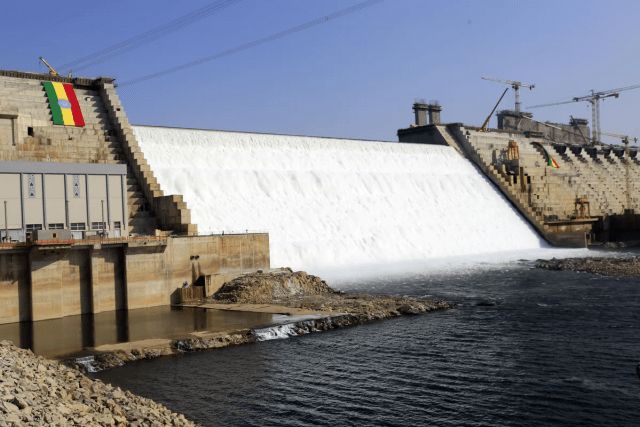
Hydropower supplies about 17 percent of Africa’s electricity. Ethiopia relies almost entirely on dams, with the Grand Ethiopian Renaissance Dam (GERD) expected to generate over 6,000 megawatts. The Democratic Republic of Congo is home to the Inga Dams, which have the potential to power half of Africa if fully developed.
Zambia and Mozambique also depend heavily on hydropower, with dams supplying as much as 80 percent of their electricity. Hydropower fuels industrialization in these countries, powering factories, cement plants, and mining operations. However, droughts and climate change make it highly vulnerable, as seen in Zambia and Zimbabwe when water levels at the Kariba Dam dropped dramatically.
Fossil Fuels
Africa holds around 7 percent of the world’s oil reserves and an equal share of natural gas. Nigeria, the continent’s largest oil producer, depends heavily on gas for its electricity, though blackouts remain common due to aging infrastructure.
South Africa generates about 80 percent of its electricity from coal, a source that powers its industries but also makes it the continent’s largest carbon emitter.
Egypt and Algeria depend on natural gas, which fuels power plants and also positions them as major exporters to Europe. Beyond electricity, fossil fuels support transport, petrochemicals, and heavy industries.
Solar Power
The Sahara Desert receives some of the highest levels of sunlight on Earth, making Africa ideal for solar energy. Morocco built the Noor Solar Complex, one of the largest in the world, which provides power for over a million homes. South Africa has integrated large-scale solar farms into its national grid to ease electricity shortages.
READ ALSO:Morocco’s Green Data Vision: Powering Sovereignty Through Wind, Sun, and Strategy

Nigeria is turning increasingly to decentralized solar systems, with startups such as Lumos and Arnergy powering rural communities. Solar energy is particularly useful for agriculture, where it powers irrigation pumps and cold storage systems.
Wind Energy
Though less dominant than solar or hydropower, wind power is expanding rapidly. Kenya’s Lake Turkana Wind Farm is the largest in Africa and supplies about 17 percent of the country’s electricity.
Morocco has invested in both onshore and offshore wind projects, aiming to reach 52 percent renewable energy by 2030. Egypt and South Africa also run large-scale wind farms that feed directly into their grids. Wind power contributes to both national electricity generation and rural mini-grids, particularly in coastal regions.
Geothermal Energy
The East African Rift Valley contains vast geothermal potential. Kenya leads the continent, generating over 40 percent of its electricity from geothermal plants.
Ethiopia is also developing major geothermal projects such as Corbetti and Tulu Moye. Geothermal energy is primarily used for electricity but in some regions it also supports agricultural and industrial heating.
Nuclear Energy
South Africa remains the only African nation with an operational nuclear facility: the Koeberg power station, which supplies about 5 percent of its electricity. Egypt is building the El Dabaa Nuclear Plant with Russian assistance, expected to produce nearly 4.8 gigawatts. Nuclear energy is used exclusively for large-scale electricity generation, providing a stable source of baseload power.
Bioenergy
Despite Africa’s modernization, bioenergy remains the most widely used source of energy. Roughly 60 percent of households rely on firewood or charcoal for cooking and heating. In Nigeria, charcoal production is a major industry, though it contributes to deforestation.
In Ethiopia and Uganda, rural populations depend almost entirely on biomass. The reliance on firewood and charcoal has severe health implications: the World Health Organization estimates that indoor air pollution from biomass cooking causes more than 400,000 premature deaths annually in Sub-Saharan Africa.
Photo Credit: Google | The Grand Ethiopian Renaissance Dam, formerly known as the Millennium Dam and sometimes referred to as the Hidase Dam, is a gravity dam on the Blue Nile River in Ethiopia.
The dam is in the Benishangul-Gumuz Region of Ethiopia, about 14 km east of the border with Sudan
Challenges Facing Africa’s Energy Mix
Africa’s energy landscape faces significant challenges. Climate change threatens hydropower through prolonged droughts and unpredictable rainfall. Heavy dependence on fossil fuels, such as South Africa’s coal and Nigeria’s oil, locks economies into unsustainable pathways.
Access remains uneven, with rural electrification lagging far behind urban areas, leaving hundreds of millions without reliable power. Investment is also a critical bottleneck; the African Development Bank estimates that the continent requires about $100 billion annually to meet its energy goals.
Finally, infrastructure and governance remain problematic, with poor transmission grids, corruption, and widespread power theft undermining progress.
Future Outlook
Despite these challenges, Africa’s energy future shows promise. Renewables, particularly solar and wind, are growing fastest thanks to falling costs and international climate finance.
Countries are building regional power pools such as the Eastern Africa Power Pool to share surplus electricity across borders. Natural gas is being promoted as a transitional fuel before full renewable adoption.
Nuclear power is set to expand, with projects planned not just in Egypt but also in Ghana and Nigeria. If policies align and investments remain steady, Africa could leapfrog traditional development models and move directly toward a clean energy future.
The Human Angle
For millions of Africans, energy is not about megawatts but about daily life. A farmer in Kenya uses a solar-powered pump to irrigate his crops, doubling his harvest.
Families have switched to Solar energy rather than the day to usage of generators which has also helped to reduce noise pollution.
In Uganda, a mother who switched from firewood to a clean cookstove dramatically reduced smoke-related illness in her household. These are very few stories show that energy is not just an economic issue but a matter of human dignity and opportunity.
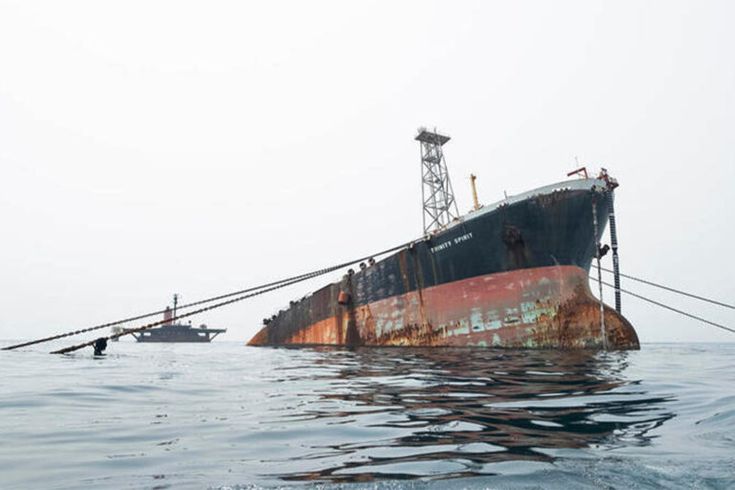
Photo Credit: Google | Nigeria is a major player in the global oil market, holding the position of Africa's largest oil producer and a significant global producer
Conclusion
Africa’s power story is a complex mix of potential and paradox. Rich in resources yet energy-poor, the continent straddles an old world of biomass and fossil fuels and a new era of renewables. The future will depend on how African nations balance sustainability, affordability, and accessibility.
From the sun-drenched Sahara to the steam-filled Rift Valley, Africa holds the keys to an energy revolution. The challenge lies in ensuring that every African, from city skyscrapers to rural villages, gets a share of the light.