Sun King Is Betting $150 Million on Ethiopia's Energy Gap, And It Could Be the Company's Biggest Play Yet
Sun King is putting $150 million into Ethiopia by 2030. The target: two million homes that the grid forgot. Here's what's really driving the bet.
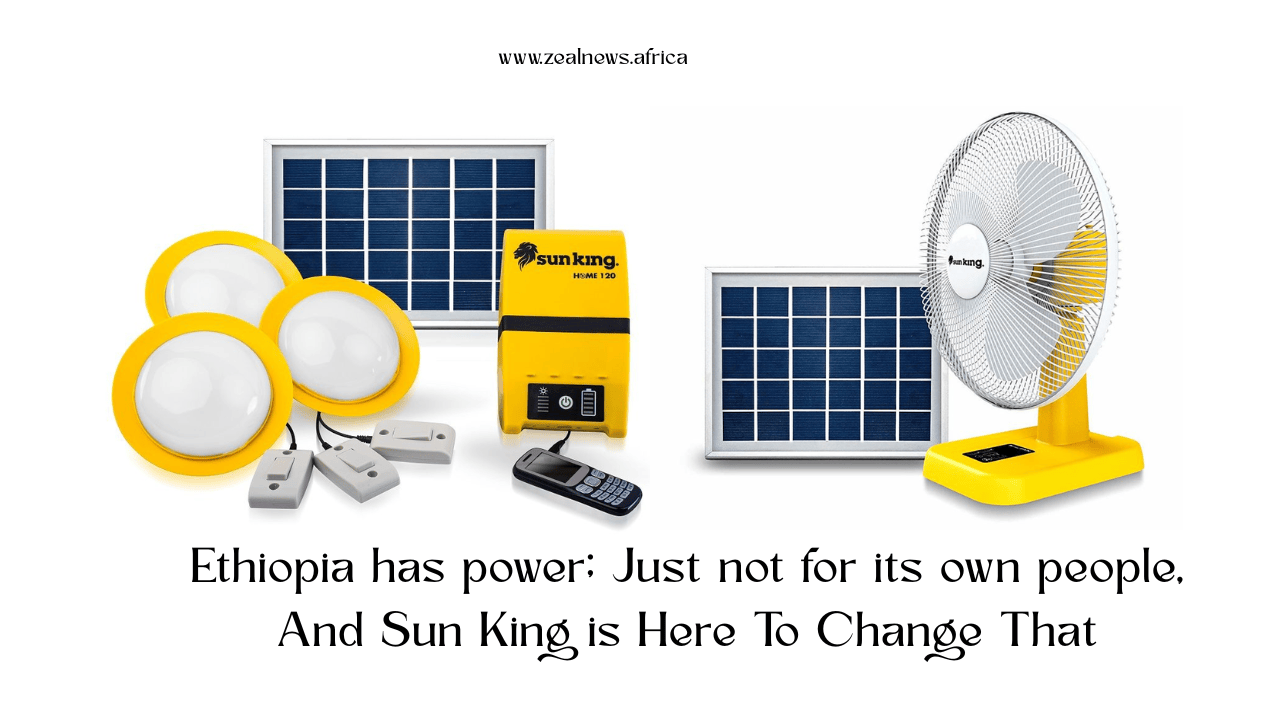
Ethiopia has a peculiar energy problem.
The country generates enough electricity to sell to its neighbours, powered largely by the Grand Ethiopian Renaissance Dam on a tributary of the Nile. Yet somehow, millions of its 120-plus million people still go to bed without light. Not because the power doesn't exist. But because the grid never reached them.
That's the gap Sun King is walking into.
The $150 Million Deal and What It Actually Involves
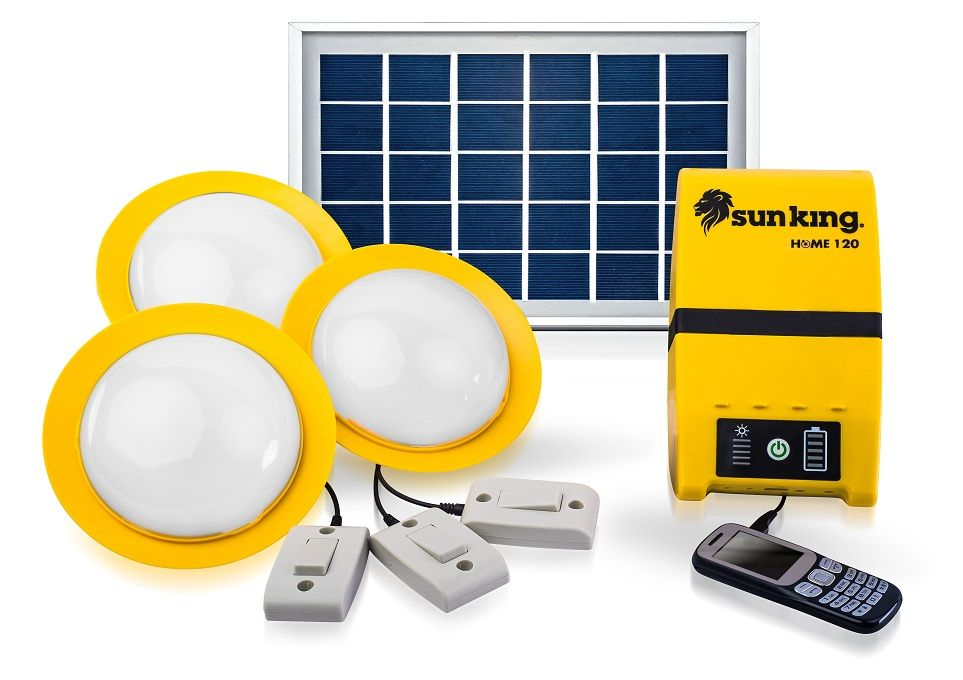
The world's largest off-grid solar company just signed a deal with the Ethiopian Investment Commission to plant its flag in the country. The plan: pour up to $150 million into Ethiopia by 2030, reach two million households and businesses, and set up a local subsidiary to make it work on the ground.
The Ethiopian Investment Commission, for its part, has committed to cutting through the red tape, helping the company secure the permits and licences it needs to move fast.
And fast is exactly the pace Sun King is setting. "We are moving with urgency to build our team, establish our network and bring affordable solar solutions to the millions of Ethiopians who deserve access to reliable electricity,"
said Kota Kojima, Sun King's Chief Operating Officer.
From Three College Graduates to 35,000 Field Agents
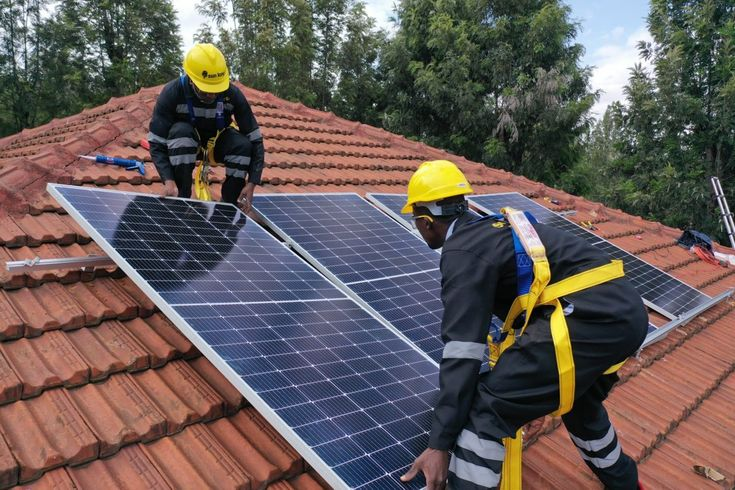
Building transmission lines to remote communities is slow and expensive. Distributed solar, small panels, home kits, mini-grids, gets there faster and cheaper. Sun King knows this model intimately.
Founded in 2007 by three University of Illinois graduates, Patrick Walsh, Anish Thakkar, and Mayank Sekhsaria, under the name Greenlight Planet, the Kenya-based company has been quietly building one of the most impressive grassroots energy networks on the continent.
It rebranded to Sun King as it scaled, and today it connects around 300,000 homes and businesses every single month, up from just 10,000 in 2017, through 450 stores and roughly 35,000 field agents across sub-Saharan Africa.
That growth didn't happen by accident. The secret is in how customers pay. Sun King sells its solar equipment on pay-as-you-go terms, meaning people pay in small instalments over time rather than one heavy upfront cost. Payments start from as little as $0.19 per day through mobile money.
That one tweak has put solar within reach of households who could never afford the lump sum. To date, Sun King has extended $1.3 billion in solar loans to almost 10 million individual customers across Africa.
Why Ethiopia and Why Now
Ethiopia fits this model almost perfectly. The country is Africa's second most populous nation, but electrification, especially in rural and peri-urban areas, remains deeply uneven. Despite generating nearly all its grid electricity from renewable sources, tens of millions of Ethiopians still live without consistent access to power.
The terrain makes traditional grid expansion both capital-intensive and painfully slow. Distributed solar doesn't have that problem. It scales on the ground, community by community, agent by agent.
To back this Ethiopian push, Sun King has also been shoring up its finances. The company recently secured $40 million in equity funding from UK-based investor Lightrock, and earlier raised over $156 million through a securitisation deal backed by future customer repayments. The Ethiopia entry is not a stretch move; it's a calculated one, made by a company with serious capital behind it.
This is a coincidence because the World Bank and the African Development Bank are running the Mission 300 programme, a continental push to connect 300 million Africans to electricity by 2030.
The World Bank has stated that off-grid solar is likely to be the most cost-effective way to provide about half of all new connections under Mission 300. Billions of dollars are moving in this direction. Sun King is positioning itself right in the middle of that flow.
The Bigger Picture: 600 Million People and One Dominant Player
Beyond Ethiopia, the company is also building out its manufacturing presence. Sun King is planning large-scale manufacturing facilities in both Kenya and Nigeria, with the Kenyan plant capable of producing up to 700,000 units annually.
The logic is straightforward: if you're going to deploy clean energy technology at this scale across Africa, more of the industrial base should sit in the countries you're serving.

Zooming out, the numbers explain everything. Nearly 600 million people across Africa still lack reliable grid access. That's not just a crisis; it's also the single biggest growth market for off-grid solar anywhere on the planet.
Sun King has already become the dominant player in that market. Ethiopia, one of the last major countries it hadn't entered, just changed that.
The company's broader continental expansion plan sits at $1.3 billion by 2030. Ethiopia is one piece of that. But given the country's scale, its population size, and the sheer depth of its energy gap, it may well turn out to be one of the most consequential moves Sun King has ever made.