South Africa Adds a New Dollar Billionaire as Paul van Zuydam Joins Forbes List
South Africa adds a new dollar billionaire as Le Creuset owner Paul van Zuydam joins the Forbes list with a $1.7 billion net worth built on manufacturing and brand discipline.
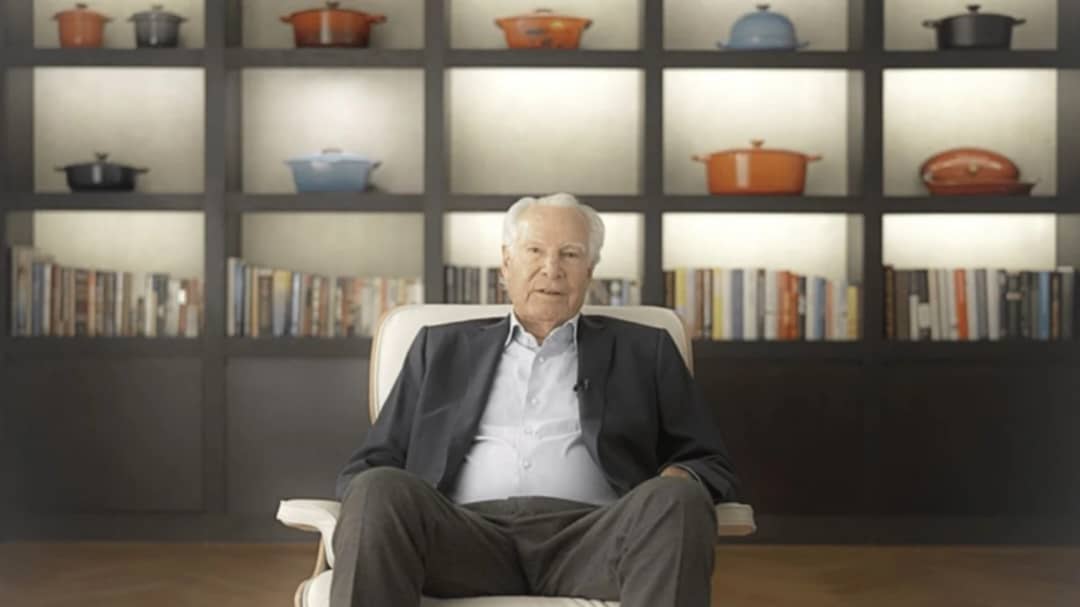
South Africa has added a new name to its billionaire ranks with the inclusion of Paul van Zuydam on the Forbes Real-Time Billionaires Index in December 2025. Forbes estimates his net worth at $1.7 billion, placing him among the world’s top 2,200 richest individuals and bringing the total number of South African dollar billionaires on the list to eight.
At 87 years old, van Zuydam is also the oldest South African currently featured on the global ranking.
Van Zuydam’s wealth is tied almost entirely to Le Creuset, the French cookware manufacturer best known for its enamelled cast-iron pots. His rise to billionaire status did not come from speculative finance or rapid acquisitions, but from decades of disciplined industrial management, brand stewardship, and a long-term commitment to manufacturing quality. His story is closely intertwined with the survival and global expansion of a century-old European brand.
From a South African Farm to Global Business Exposure
Paul van Zuydam was born and raised in South Africa, growing up as one of seven children on a farm. That upbringing shaped a practical outlook rooted in discipline, patience, and hands-on work.
Before becoming a global industrialist, he accumulated experience across multiple countries, living and working in Canada, the United Kingdom, and parts of Europe, where he developed a strong understanding of international markets and manufacturing cultures.
Prior to acquiring Le Creuset, van Zuydam served as chairman and chief executive of Prestige Group, a kitchenware and cookware business. His role at Prestige exposed him to large-scale manufacturing, international distribution networks, and brand positioning in competitive consumer markets.
This background would later prove critical when he encountered Le Creuset, a company with a powerful heritage but serious structural weaknesses.
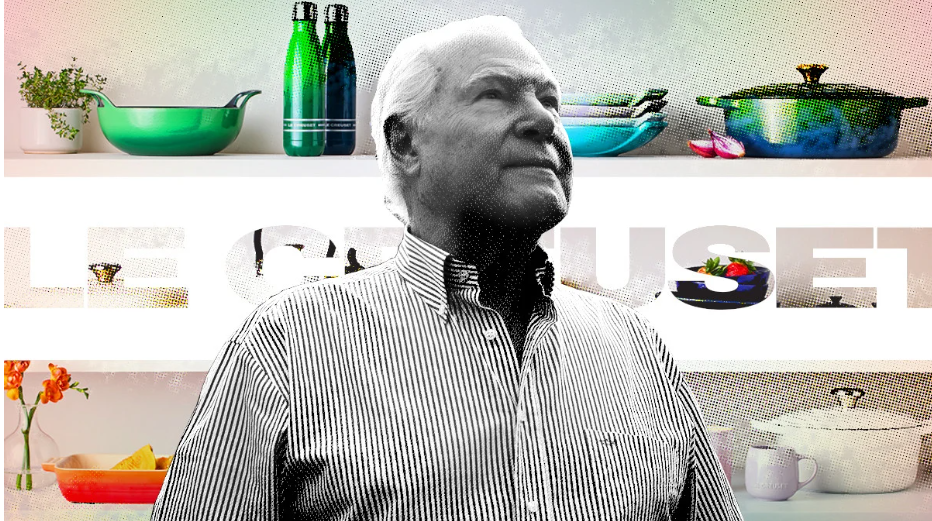
In the mid-1980s, van Zuydam became aware that Le Creuset was struggling. Founded in 1925 in Fresnoy-le-Grand in northern France, the company had built a reputation for high-quality cast-iron cookware but had fallen into difficulty due to internal family disputes, debt, and declining performance. At the time, its future was uncertain despite the strength of its brand identity.
The 1988 Acquisition That Changed Le Creuset’s Future
Van Zuydam first explored acquiring Le Creuset on behalf of Prestige after visiting the French foundry and observing its production standards. He was struck by the level of craftsmanship and quality control, even as the business itself remained financially fragile.
However, that initial acquisition attempt collapsed after Prestige was bought by an American company, triggering resistance from French workers who opposed foreign corporate ownership.
Rather than walking away, van Zuydam resigned from Prestige and pursued the acquisition independently. In 1988, after securing approval from the French government, he personally acquired Le Creuset. At the time, the decision carried significant risk, as the company required restructuring and long-term capital investment.
Once in control, van Zuydam implemented a turnaround strategy that prioritised manufacturing integrity over short-term profit. Production was consolidated at the historic Fresnoy-le-Grand site, reinforcing oversight and consistency. He invested heavily in automation while preserving the core casting process that defined the brand’s identity.
Le Creuset maintained unusually strict quality standards, with a significant proportion of cast items rejected and recycled during production to ensure consistency.
This approach reflected a belief that heritage and authenticity were commercial assets, not obstacles. Rather than outsourcing or relocating cast-iron production, van Zuydam kept it firmly rooted in France, even as costs rose elsewhere.
Building a Premium Global Brand Without Debt
Under van Zuydam’s leadership, Le Creuset underwent steady expansion. Manufacturing capacity was doubled, with output rising to more than 20,000 pieces per day. The company diversified its product range into ceramics and other cookware categories while preserving its cast-iron core.
Expansion into the United States and Asian markets repositioned Le Creuset as a premium global lifestyle brand rather than a purely utilitarian cookware producer.

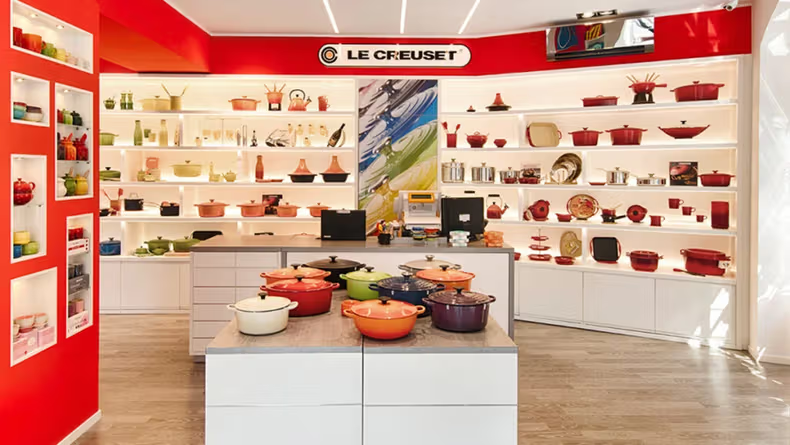
A defining feature of van Zuydam’s strategy was financial discipline. Since 2001, Le Creuset has grown without taking on external debt, an unusual achievement in capital-intensive manufacturing. This approach insulated the business from financial shocks and allowed long-term investment decisions to be made without pressure from lenders or external shareholders.
Today, Le Creuset operates in more than 80 countries and generates over $850 million in annual revenue. Its success reflects a balance between automation and craftsmanship, scale and selectivity, and global reach anchored by a single production philosophy.
Van Zuydam has maintained a low public profile, rarely granting interviews and avoiding personal publicity. Despite his age, he remains actively involved in the company’s leadership as owner and chairman, overseeing strategy rather than day-to-day operations. His management style emphasises continuity, internal expertise, and respect for institutional knowledge.
Forbes Recognition and South Africa’s Billionaire Landscape
Forbes’ recognition of Paul van Zuydam in December 2025 formalised decades of value creation that had largely gone unnoticed outside industrial and cookware circles. His inclusion places him alongside established South African billionaires such as Johann Rupert and Nicky Oppenheimer, reinforcing the country’s position as Africa’s richest nation by billionaire count.
Van Zuydam’s fortune stands out within the broader African wealth landscape because it was built almost entirely through manufacturing and brand development, rather than natural resources, finance, or technology. His career demonstrates that patient capital, disciplined operations, and commitment to quality can still generate significant wealth in traditional industries.
At 87, his rise also challenges assumptions about the timelines of success. Van Zuydam’s wealth reflects accumulation over decades, not rapid expansion or speculative growth. It is the outcome of consistent strategic choices made since the late 1980s, many of which prioritised stability over speed.
His addition to the Forbes list underscores a broader reality within South Africa’s economy. Despite structural challenges and uneven growth, the country continues to produce globally competitive businesses capable of sustaining long-term value. In van Zuydam’s case, that value was forged in a French foundry, guided by a South African industrialist who believed that quality, heritage, and discipline remain economically relevant.