Rwanda Is Betting on AI to Transform Its Public Health And Other Sectors
Anthropic is partnering with Rwanda to deploy AI tools in public health, education, and government systems, targeting malaria reduction and cervical cancer elimination in a landmark African AI collaboration.
Artificial intelligence has spent the last few years dominating headlines, chatbots rewriting essays, image generators redefining creativity, and large language models transforming software development.
But beyond the spectacle lies a more consequential question: what happens when AI enters national systems?
That question is now being tested in East Africa.
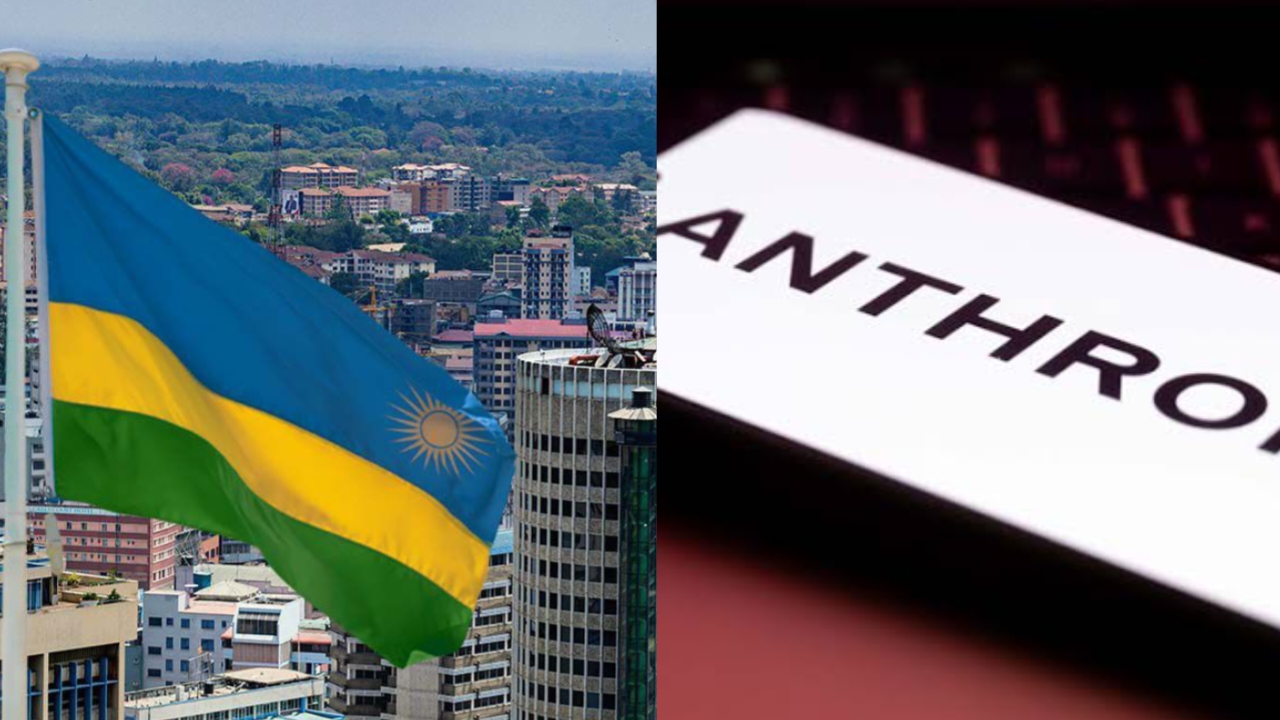
Anthropic, the U.S.-based AI research company behind Claude, has signed a three-year memorandum of understanding with the Government of Rwanda to deploy AI tools across public health, education, and government operations.
It marks Anthropic’s first formal multi-sector government partnership in Africa and signals a shift in how global AI firms are engaging the continent.
This is not just about deploying chatbots in ministries. The partnership targets high-impact national priorities: eliminating cervical cancer, reducing malaria, strengthening maternal health systems, and modernising public services.
For a country that has positioned itself as one of Africa’s most tech-forward states, the collaboration fits into a broader ambition, embedding AI not as an add-on, but as infrastructure.
And in the global AI race, infrastructure is where power accumulates.
From Policy to Practice: What the Anthropic–Rwanda Deal Actually Means
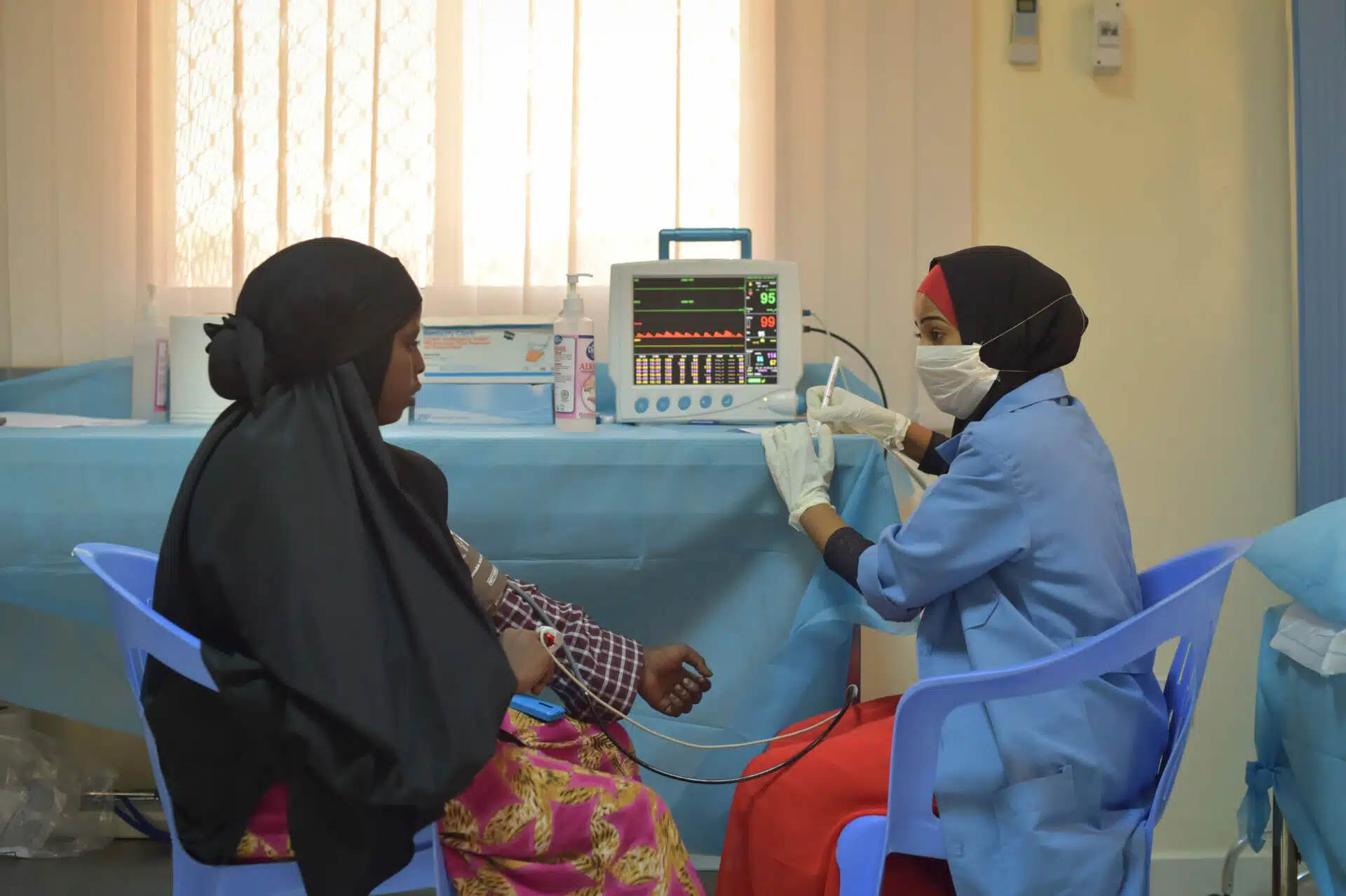
Under the agreement, Anthropic will provide access to its AI models, including Claude and Claude Code, alongside hands-on training, API credits, and support for developer teams embedded within Rwandan public health institutions. The goal is not superficial adoption, but capability transfer.
The MoU formalises an existing education initiative that already distributed 2,000 Claude Pro licenses to educators, delivered AI literacy training to public servants, and launched a Claude-powered learning companion known as Chidi across eight African countries.
But the real significance lies in healthcare.
Rwanda has already committed to ambitious health targets. In 2025, the government launched an accelerated plan to eliminate cervical cancer by 2027, years ahead of global benchmarks, supported by vaccination and screening programmes. Yet structural gaps remain: limited diagnostic capacity, fragmented health data systems, and workforce constraints in rural regions.
AI can intervene precisely in these friction points.
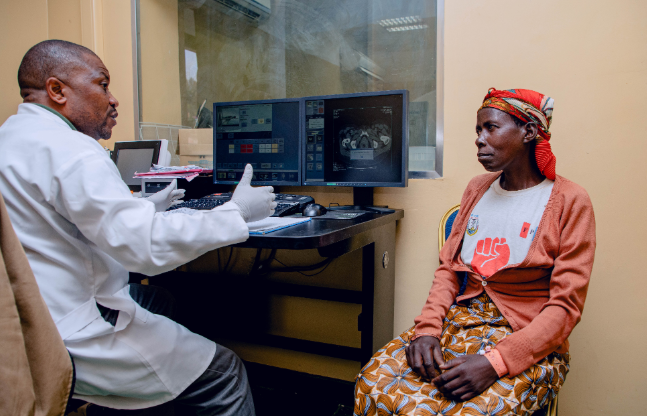
Large language models and predictive analytics systems can assist clinicians in triaging cases, interpreting screening results, analysing epidemiological data trends, and optimising resource allocation.
In malaria control, AI-driven modelling can forecast outbreak patterns using environmental and mobility data. In maternal health, predictive tools can flag high-risk pregnancies earlier.

The partnership aligns with Rwanda’s national AI strategy, which emphasises contextual deployment rather than experimental adoption.
Paula Ingabire, Rwanda’s Minister of ICT and Innovation, framed the collaboration as part of integrating AI into “core national systems” with local priorities in mind.
This distinguishes the deal from many AI announcements globally, which often remain confined to pilot projects.

Across Africa, similar but structurally different partnerships are emerging. In Nigeria, the federal government collaborated with Google and Apolitical to launch the Government AI Campus, focusing primarily on civil service training and AI literacy.
Meanwhile, OpenAI partnered with the University of Lagos to establish an AI research hub aimed at building long-term talent capacity.
What differentiates the Anthropic–Rwanda agreement is the embedding of AI directly into public health outcomes, rather than stopping at awareness-building.
Still, implementation remains the decisive variable. AI systems require high-quality data pipelines, regulatory safeguards, cybersecurity resilience, and sustained technical oversight.
Many African governments face institutional absorption challenges when adopting advanced technologies.
The success of this partnership will not depend solely on access to Claude’s APIs — it will depend on governance maturity.
The Strategic Subtext: AI, Sovereignty, and the Global South
There is a broader strategic layer to this development. Global AI companies are increasingly seeking government partnerships as a route to scale responsibly and demonstrate societal impact.
For Anthropic, whose brand emphasises AI safety and alignment, entering public health ecosystems offers both ethical positioning and long-term influence.
For Rwanda, the partnership reinforces its image as a continental innovation hub. The country has already attracted major technology investments, drone delivery networks, and digital governance initiatives. Embedding AI into health and education systems deepens that positioning.
But there are also geopolitical implications. As AI infrastructure becomes foundational to governance, questions of data sovereignty, model transparency, and dependency arise.
Who controls health data processed by foreign AI systems? Where are models hosted? How are biases mitigated in multilingual African contexts?
These are not abstract concerns, globally, debates around AI governance are intensifying, with regulatory frameworks emerging in the European Union and the United States. African nations are still in earlier stages of policy formation.
If successful, the Anthropic–Rwanda collaboration could serve as a blueprint for structured, multi-sector AI integration in emerging markets.
If poorly implemented, it could highlight the risks of technological leapfrogging without institutional readiness.
The opportunity, however, is undeniable. Africa bears a disproportionate share of the global disease burden, while often facing resource constraints in healthcare delivery.
AI’s ability to compress decision cycles, analyse large datasets, and extend expertise to underserved areas makes it particularly relevant to the continent’s demographic and epidemiological realities.
The difference between hype and impact lies in execution and not just headlines.
Conclusion: Beyond Innovation Theatre
The global AI conversation is saturated with trillion-dollar valuations and model benchmarks. Rwanda’s partnership with Anthropic shifts the lens to something more grounded: outcomes.
Reducing malaria incidence. Eliminating cervical cancer. Strengthening maternal health systems. Training civil servants. Empowering local developers.
These are not speculative use cases. They are measurable targets.
If this collaboration delivers tangible improvements in diagnostics, data analytics, and service delivery, it will demonstrate that AI in Africa need not be confined to fintech and chat interfaces.
It can operate in hospitals, classrooms, and ministries, embedded in national development strategies.
At the same time, the partnership underscores a larger truth: AI is no longer just a private-sector race. It is becoming a state-level instrument.
The next chapter of artificial intelligence will not be defined only by bigger models. It will be defined by where those models are deployed and whose problems they are solving.
In choosing health and governance as its entry points, Rwanda is making a calculated bet: that AI, properly integrated, can move from code to care.
And in the global South’s evolving tech narrative, that may prove more consequential than any product launch.