Reassurance Isn’t Security: What the U.S. Exit from Abuja Reveals
As the U.S. evacuates embassy families from Abuja over security fears, Nigeria’s government insists all is well — raising questions of the growing gap between official reassurance and the reality of insecurity.
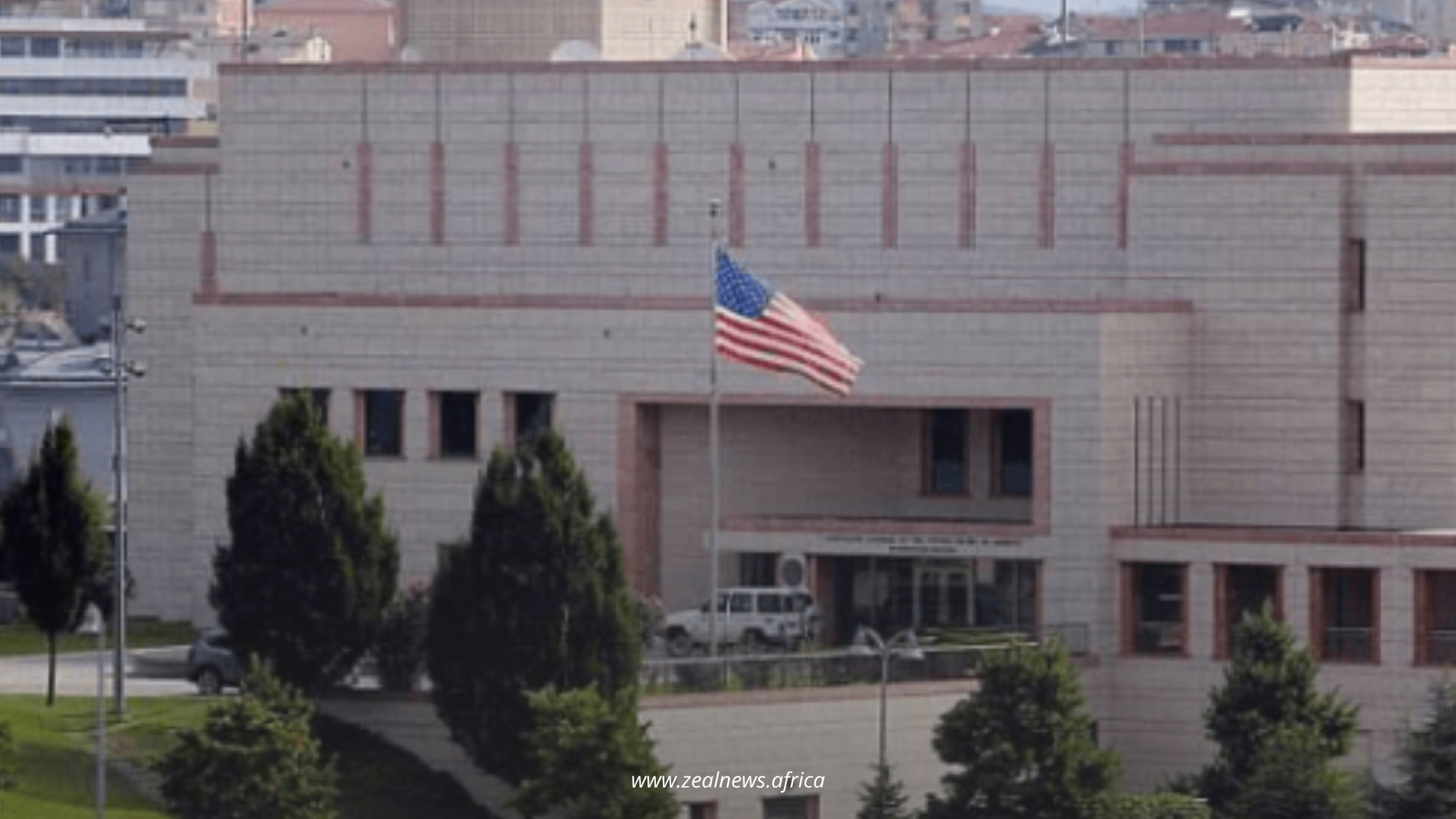
On April 8, 2026, the U.S. Department of State authorisednon-emergency embassy employees and their family members to leave their mission in Abuja, citing a deteriorating security situation across Nigeria.
Visa appointments at the Abuja embassy were suspended. Emergency services were redirected to Lagos.
The advisory classified 23 Nigerian states under Level 4, "Do Not Travel", the highest possible risk category, with Plateau, Jigawa, Kwara, Niger, and Taraba newly added to that list.
Then the Nigerian government did what it knew how to do best: talk.
"There is no general breakdown of law and order," Information Minister Mohammed Idris told Nigerians through a statement. He called the U.S. action a "precautionary measure based on internal protocols."
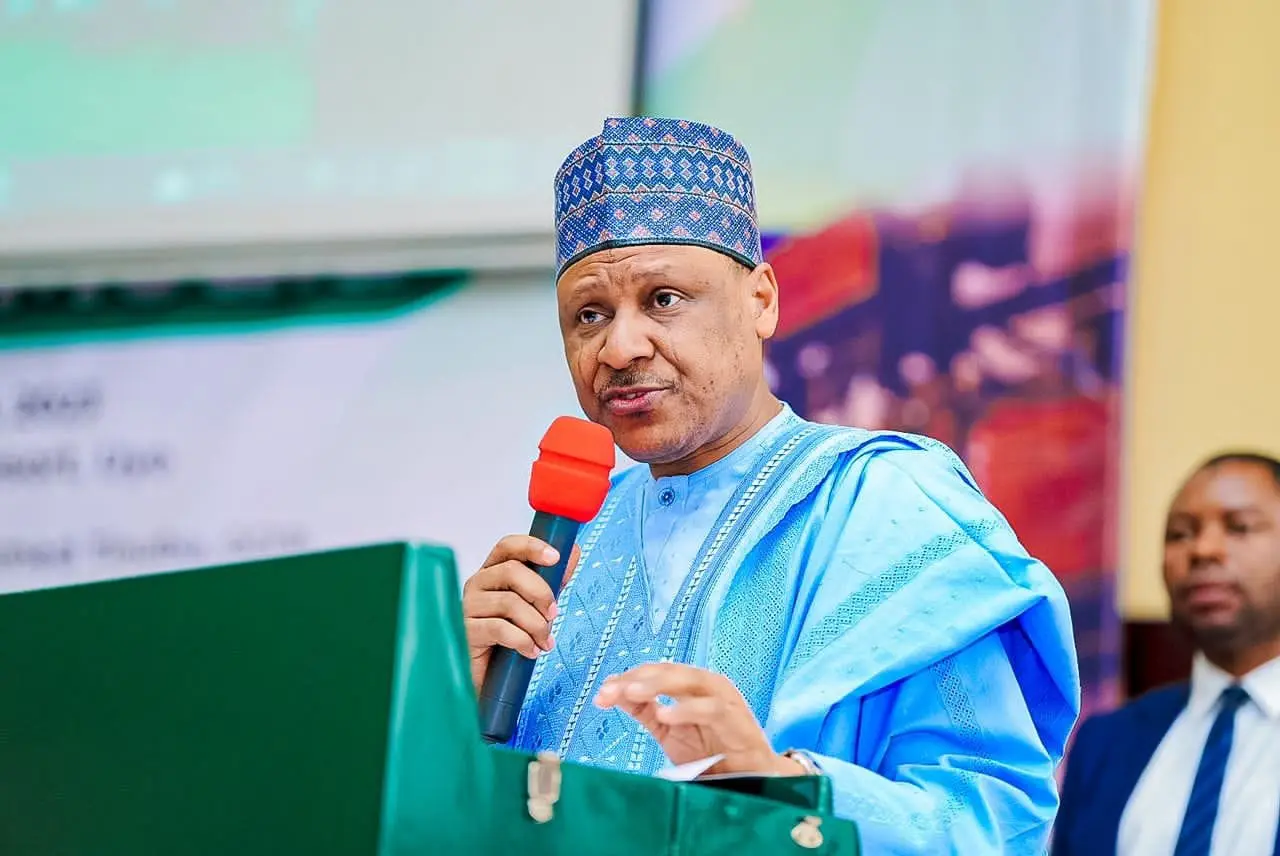
He encouraged international partners to "engage with Nigerian authorities to obtain a more comprehensive and current understanding of the situation on the ground."
The Federal Government assured everyone that Nigeria "remains a safe and welcoming destination for all."
What the Numbers Actually Say
This is not the first time Washington has sent a signal Nigeria's government chose to dismiss. The pattern of escalation leading up to April 8 alone should have been alarming enough.
On March 4, the U.S. Embassy advised Americans in Abuja to stay indoors over fears of protests that could turn violent.
On March 9, it issued a formal warningof a possible terrorist threat targeting U.S. facilities and American-affiliated schools, a warning tied partly to blowback from the U.S.-Israel-Iran conflict, which had triggered pro-Iran demonstrations in Nigeria's predominantly Shia north.
However, Nigeria's domestic security crisis predates any foreign war by decades and in the last year alone, it has compounded into something the government's language is no longer equipped to describe.
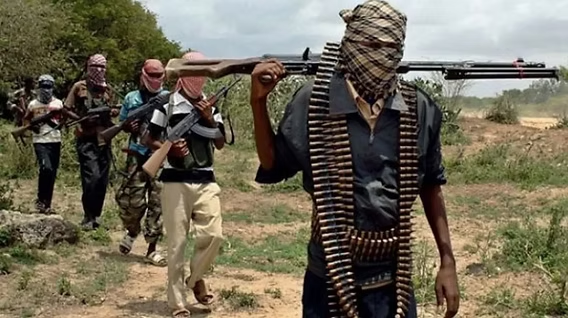
In February 2026, gunmen from the Lakurawa group, an ISIL-affiliated militant organisation that Nigerian authorities only formally designated as a terrorist group in January 2025, attacked two villages in Kwara State, killing over 160 residents after they refused to adopt Sharia law.
In September 2025, insurgents killed at least 60 people, including soldiers, in Borno State's Darul Jamal community.
In October 2025, Boko Haram seized the border town of Kirawa in Borno State, burning the district head's palace, torching a military barracks and forcing more than 5,000 residents to flee into Cameroon.
In May 2025, at least 57 people were killed after JAS fighters, a Boko Haram faction, attacked villages in Kukawa Local Government Area, marching victims into the bush.
A geopolitical research firm found that 2,938 people were kidnapped in the Northwest region alone in a single twelve-month period. That is nearly 8 people a day, every day, in one zone of one country.
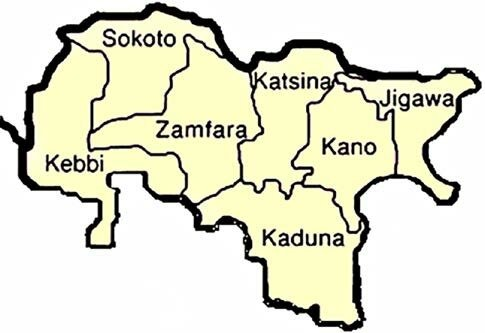
Amnesty International documentedover 273 killings and 467 abductions in Zamfara State in just two years, describing attacks that occurred not weekly but daily, sometimes multiple times in a day, with over 700 villages either sacked or currently under bandit control.

Between January 2020 and September 2025, more than 20,400 civilians were killed in attacks across the country.
The U.S. Embassy just read that data.
The Choreography of Reassurance
What makes the Nigerian government's response so consistently frustrating is not just that it minimises the crisis; it is that the minimisation has itself become a policy.
Every attack is an "isolated incident." Every foreign warning is based on an "incomplete picture." Every military operation yields "measurable gains" that somehow never translate into safety for the communities being buried.
This is the part Nigerians are already familiar with. What the U.S. withdrawal makes newly visible is that the international community has also stopped believing it.
The U.S. State Department's travel advisories do not just affect tourists. They shape how investors assess risk, how international organisations evaluate operational safety, how insurers price out their contracts with businesses working in Nigeria.
A Level 3 advisory for an entire country with 23 states at Level 4 is a full-fledged verdict with consequences that stretch far beyond the number of American tourists who will now book elsewhere.
The U.S. is not a neutral actor, and its foreign policy assessments are always threaded through its own geopolitical interests.
However, the security crisis Washington is responding to is not a Western invention. It is a crisis Nigerian civilians have been surviving and dying inside of for years while their government fine-tuned its press releases.
What Reassurance Cannot Do
There is something quite disturbing about a government that responds to a surge in mass killings with a statement about how the country "remains a safe and welcoming destination." Safe for whom? Welcoming at what cost?
Ordinary Nigerians in Zamfara, Borno, Plateau and Kwara are not waiting for an American embassy to tell them their communities are dangerous. They already know.
Some of them have been displaced more than once. Some of them are pooling food and money to give to bandits — not out of sympathy, but because the alternative is a massacre and the government they elected has not shown up in any meaningful way.
The U.S. exit from Abuja is significant not because America's comfort should be the benchmark for Nigerian security; it shouldn't be.
It is significant because it makes legible, in the blunt language of international protocol, what millions of Nigerians have been saying in the quieter language of survival for years. The crisis is real. The reassurances are not.
At some point, telling people the house is not on fire while they can smell the smoke stops being governance. It just becomes noise.