Nigeria Was Not Always This Dangerous: Tracing the Decline of Security
82 schoolchildren abducted in one week, N32 trillion spent in fifteen years, and the same communities still getting attacked. Nigeria's security collapse didn't happen overnight.
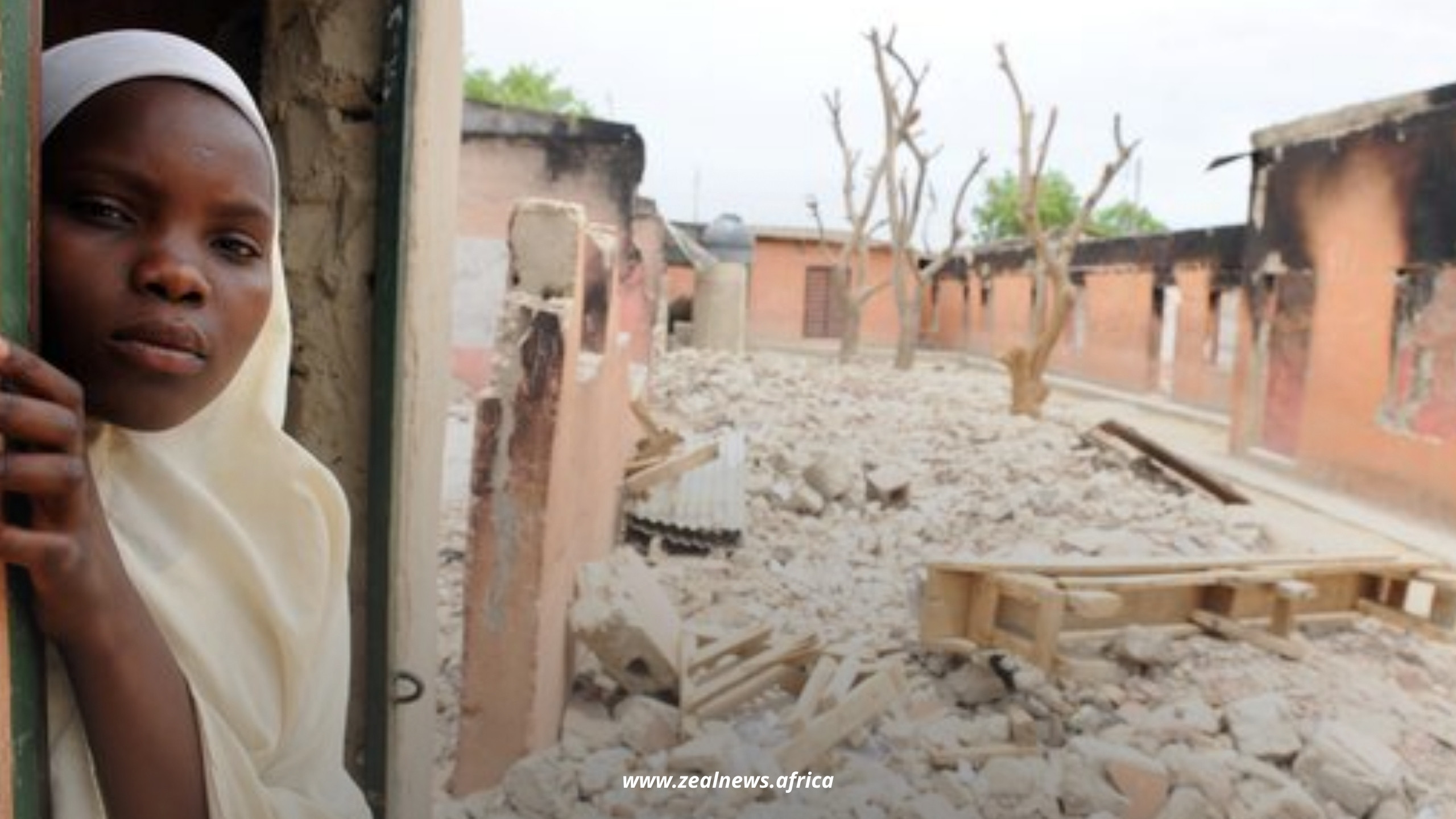
Last week, two incidents happened days apart and added a new block to what many Nigerians already knew was being built.
Between May 13 and 15, 2026, at least 82 schoolchildren were abducted in separate attacks across Borno and Oyo States. In the northeast,42 schoolchildren were taken after armed groups stormed schools in Askira Uba and Chibok Local Government Areas of Borno State.
Two days later, at least 40 more were abducted by gunmen in Oriire Local Government Area, Oyo State.
Now, you might assume these were the same armed men. Looking at geography, it is largely impossible. Oyo is in the southwest. Borno is in the northeast.
The fact that children are being taken from classrooms at both ends of the country in the same week tells you so this is not a regional problem anymore. It is a national one, and it did not happen overnight.
Where It Started
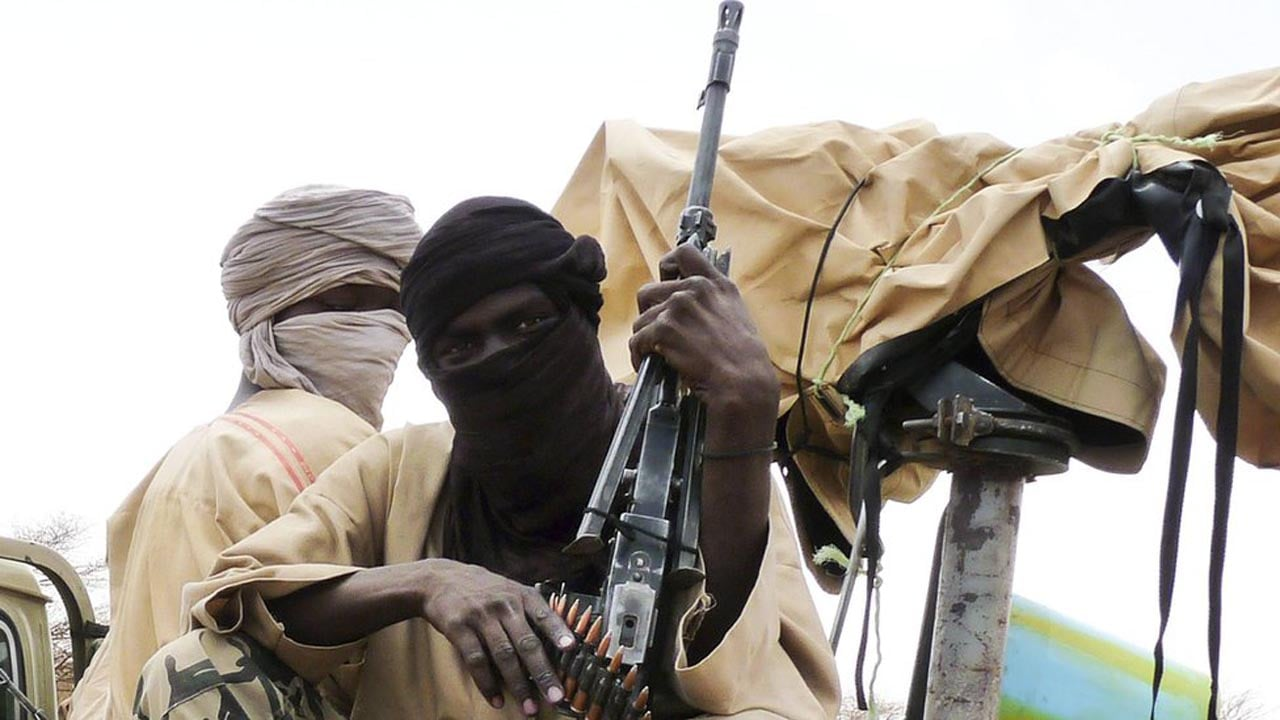
Nigeria's descent into this level of insecurity has roots that go back decades, but the modern chapter begins clearly in 2009.
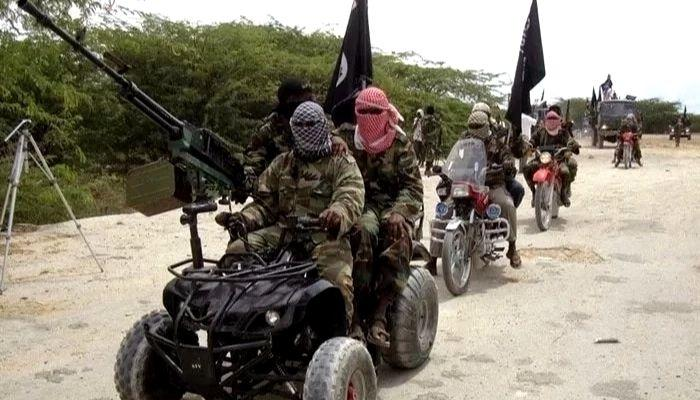
That year, Boko Haram, a jihadist group that had existed quietly in Maiduguri for years, launched an armed uprising after a deadly clash with security forces. The group's goal was to dismantle the Nigerian state and replace it with an Islamic caliphate.
They started with bombings, assassinations and raids. Within a few years, they controlled territory.
Kidnapping for ransom on a commercial scale became widespread across Nigeria from 2011, spreading across all 36 states and Abuja. What started as Boko Haram's ideological tactic, taking people to make a point, gradually became a business model that other groups copied.
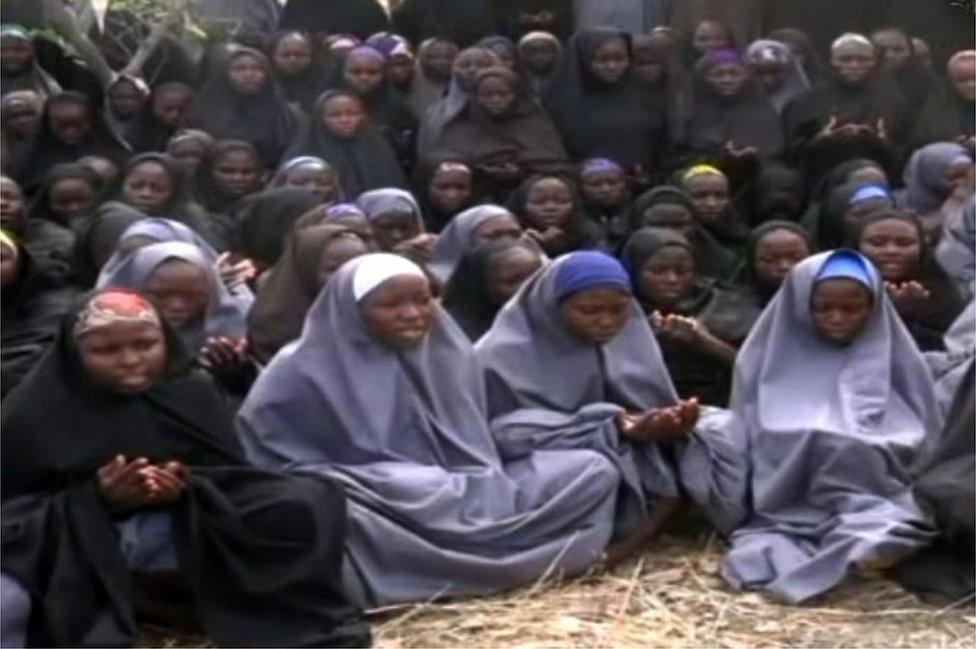
The 2014 Chibok abduction was when the world paid attention. In April of that year, almost 300 female students were taken from a school in Chibok, northern Nigeria, drawing international attention to Boko Haram and the scale of the insurgency.
The global #BringBackOurGirls campaign trended for weeks. World leaders condemned it. Nigeria promised action. Many of those girls were never returned.
How It Spread South and West
For most of the 2010s, people in Lagos, Ibadan, and Port Harcourt could tell themselves the insecurity was a "northern problem." That is no longer possible.
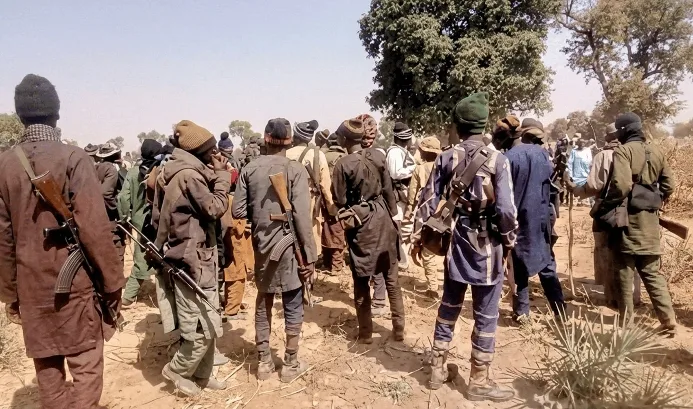
In recent years, insecurity has worsened with the rise of violent banditry in the northwest, driven by economic hardship, poor governance, and social fragmentation. Banditry is different from Boko Haram.
Bandits have no ideology; they are just criminals. They kidnap for money, raid farms, steal livestock, and kill when it is convenient.
Social Insight
Navigate the Rhythms of African Communities
Bold Conversations. Real Impact. True Narratives.
As the state failed to contain them in the northwest, they expanded. Routes opened up. Connections formed between armed groups in different zones. What were once regional crises began bleeding into each other.
In 2024 alone, at least 580 civilians, primarily women and girls, were kidnapped across several states. By late 2025, it had gotten worse.
In November 2025, at least 402 people, mostly schoolchildren, were kidnapped across four states in the north-central region, surpassing the 2014 Chibok kidnapping in scale.
Now, in May 2026, gunmen have reached Oyo State. The south are now active players in this chess of insecurity.

What the Government Did And Did Not Do
After Chibok, the Nigerian government launched the Safe Schools Initiative in 2014. The idea was to make schools in high-risk areas more secure with fencing, surveillance, community protection and emergency alert systems.

Internationally, money came in. Despite $30 million raised globally in 2014 to secure public and private schools across Nigeria, 87 students and teachers were abducted in Borno and Oyo within 24 hours last week.
Where did that money go? That is the question the Senate is now trying to answer. Government projections indicate that approximately N144.7 billion will have been spent on the Safe Schools programme between 2023 and 2026, with N82.9 billion of that earmarked for security agencies.
Schools in Chibok and Askira Uba, the same communities, keep getting attacked. The programme exists, but the attacks continue.
We can agree that this is a structural problem, but it would be misleading to simplify it to corruption and misallocation.
The Safe Schools coordination involves the Nigeria Security and Civil Defence Corps, the Police, state governments, the military, and local communities; this overlap has produced gaps and confusion, with an absence of real-time reporting systems and sluggish deployment, leading to attacks that last hours without interception. When everyone is in charge, no one is.
On the broader military front, spending has climbed every year. Over the past fifteen years, the federal government has poured over N32 trillion into defence and security, with the 2025 allocation alone reaching N6.57 trillion.
Yet Nigerians are being kidnapped in record numbers, and a Senate committee is publicly lamenting that the defence budget is not even being fully implemented.
Security spending has grown by more than 40% in the past three years, yet Nigeria continues to rank among the countries most affected by terrorism and violent crime globally.
The Cost of Getting Here
The real price of all this transcends politics. It is generational.
Amnesty International has warned that many victims of similar incidents are never released, and that the persistent threat of kidnapping is forcing families to withdraw their children from school for safety reasons.
Social Insight
Navigate the Rhythms of African Communities
Bold Conversations. Real Impact. True Narratives.
UNICEF data shows over 18.3 million out-of-school children in Nigeria. Every child pulled out of a classroom because a parent is afraid is a future that does not happen.
Nigeria was not always this dangerous. There was a time the northeast never had this problem. There was also a time when the problem was contained there.
There was a time when schools were schools, not targets.
That time is gone. And no amount of Senate condemnations, IGP visits, or promises of state police will bring it back without accountability for where the money went, coordination between the agencies that are supposed to protect people, and a government that treats this as the emergency it clearly is — not a talking point.
The children taken last week are still missing. Somewhere in Nigeria, that is normal now.