Band A, Band B, Band Chaos: Lagos Wants to Delete the Hierarchy
Lagos wants to abolish Nigeria’s electricity band system, but for millions already trapped between blackouts and rising tariffs, the real question is whether removing the hierarchy fixes the power crisis or simply renames it.
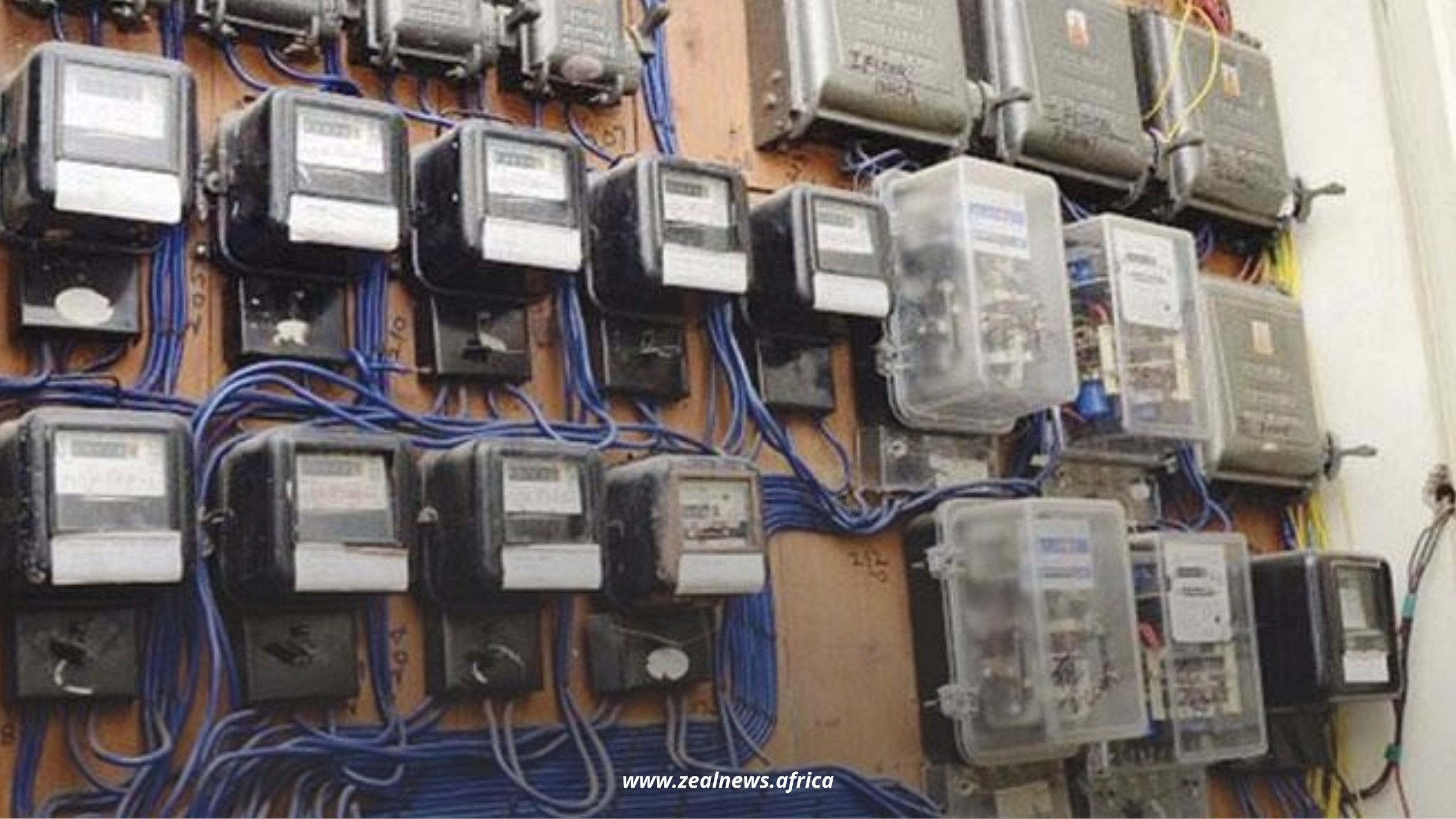
Seven days without electricity, and your friend in the area across the highway just posted a complaint that their power was out for three hours.
You have not seen light emit from your bulb since last Tuesday. You begin to wonder whether you are on band Z, because you get just three hours of electricity per week or total darkness.
Since when did the Band system start feeling less like a power distribution plan and more like a class system for who deserves light?
Lagos state just announced it wants to scrap that system entirely. The question is whether scrapping it actually helps you, or whether it is just a rebranding of the same darkness.
How the Band System Was Born
The band classification did not appear from nowhere. Nigeria's electricity sector has been in slow collapse for decades.
It started from the old NEPA era to the rebrand as PHCN, to the 2013 privatisation that broke the Power Holding Company of Nigeria into 11 distribution companies (DisCos) and six generation companies (GenCos).
None of it meaningfully fixed the problem. By 2020, the Nigerian Electricity Regulatory Commission (NERC) introduced the Service-Based Tariff framework, essentially acknowledging that not all Nigerians get the same electricity, so they should not all pay the same rate.
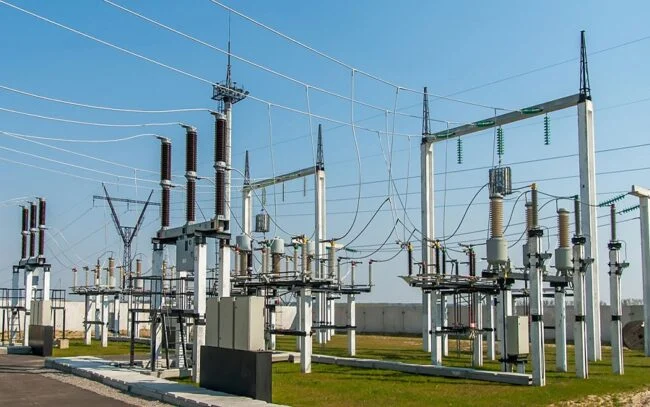
The logic was simple, even if the execution was not. Classify feeders, the power lines running from substations to specific communities, by how many hours of electricity they can realistically deliver, then charge accordingly.
In April 2024, the system went fully into effect. Band A customers, promised a minimum of 20 hours of electricity daily, were removed from the subsidy scheme and charged the full cost-recovery rate, jumping from about N66 per kilowatt-hour to N225.
Bands B through E remained subsidised, with Band B getting 16 hours, Band C getting 12, Band D getting 8, and Band E, the last rung of the ladder, guaranteed just 4 hours of power a day.
Efficient in Theory, Disastrous in Practice
The idea was not entirely unreasonable. If some feeders genuinely deliver better supply, it makes economic sense to price them differently and use the revenue to fund grid improvement.
On paper, Band A was supposed to generate enough income to attract private investment and fix infrastructure. In reality, it became a study in how regulatory ambition and operational failure can live comfortably in the same system.
The Lagos State Electricity Regulatory Commission's 2025 market report exposed the scale of the gap.
Under Band A, Excel Distribution Limited achieved only 33.8% compliance with the 20-hour supply requirement, while IE Energy Lagos recorded just 20%.
That means the majority of Band A customers were paying premium rates without receiving the service they were billed for.
Unlike a bad subscription you can cancel, there was no clean opt-out. Communities with low-income residents were moved to Band A not because of their financial capacity, but because of how their feeder happened to be classified. The tariff arrived regardless.
Lagos currently receives roughly 930 megawatts from the national grid against an estimated demand of 12,000 megawatts.
The banding system was built on top of a foundation that was already broken, and it asked consumers to pay for reliability that the grid structurally could not deliver.
What Lagos Is Now Proposing
On May 18, 2026, Lagos Commissioner for Energy and Mineral Resources, Biodun Ogunleye, signalled that the state government is working to eliminate band classification entirely.
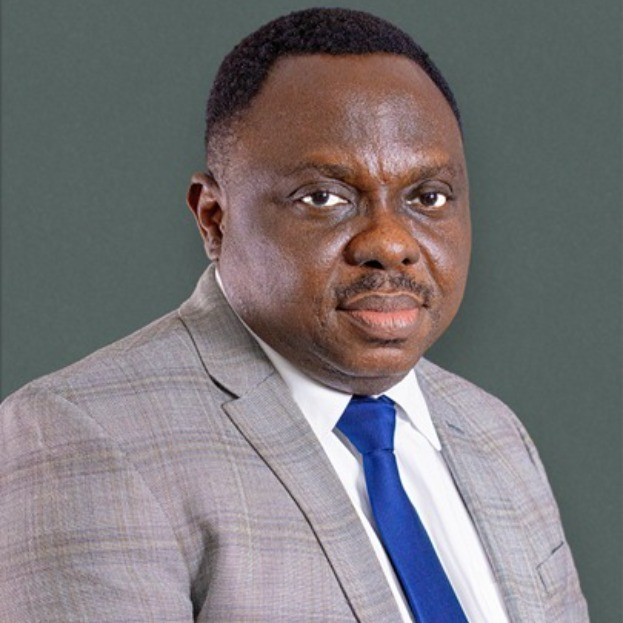

The announcement came during an inter-ministerial briefing, prompted by reports that communities in the Aboru area were sitting in Band D with under three hours of power daily while paying rates tied to that classification.
The plan is not simply to flatten the tariff structure. Lagos is moving under a new regulatory framework with the Lagos State Electricity Regulatory Commission, LASERC, formally taking over from NERC as the body governing electricity in the state.
Under this new regime, the state is targeting an additional 2,000 megawatts of embedded power generation through private sector partnerships, licensing 14 new operators, rolling out smart metering, and pushing toward fully cost-reflective tariffs across the board.
The goal, as the commissioner framed it, is near-constant electricity for everyone — a Lagos where the band conversation becomes irrelevant because supply is no longer scarce enough to ration.
What It Actually Means for Ordinary Nigerians
The proposed model is explicitly commercial and explicitly subsidy-free. Ogunleye said that Lagos intends to operate a model where every player across the electricity value chain is paid.
That means when bands disappear, what replaces them is likely a uniform cost-reflective tariff and cost-reflective in Nigeria's current economic climate is not a comfort phrase.
For the average Lagos resident already rationing generator fuel and buying units in N500 increments, the collapse of the band hierarchy could mean paying Band A prices without Band A promises.
The embedded power model, while promising, runs on six-to-twelve-month timelines in a country where projected timelines are often decorative. Fourteen new operators sound significant until you remember that the existing two are already failing compliance targets.
The band system was broken. Its replacement could be better or it could be the same inequality with a cleaner name.