Nigeria’s First Nationalists and the Fight for Self-Rule
A look at Nigeria’s first nationalists and how they led a peaceful struggle for self-rule, challenged British colonial authority, and laid the foundation for independence in 1960.
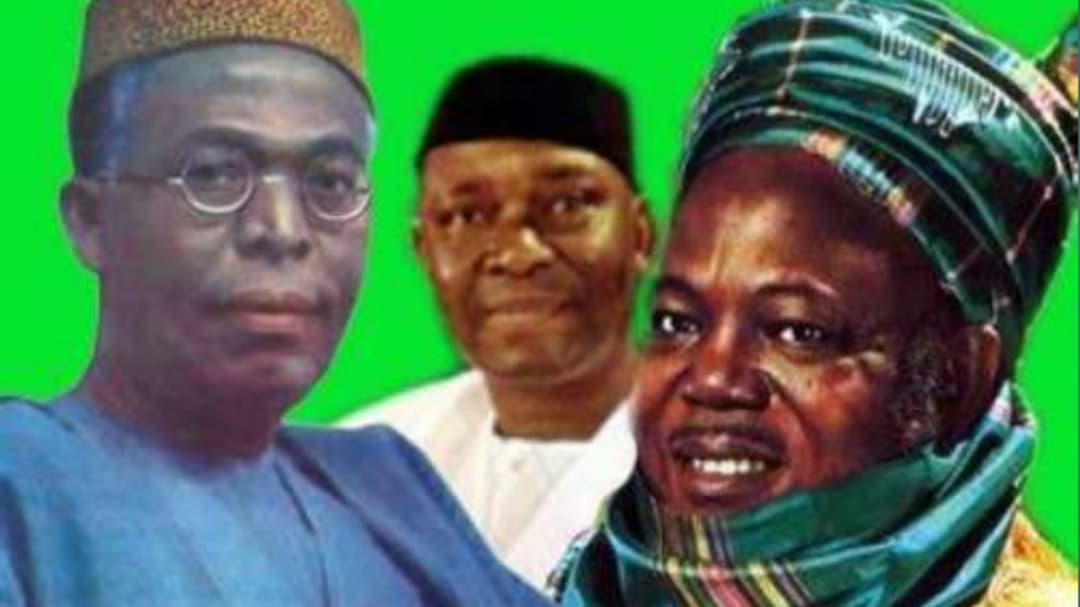
Before Nigeria became independent in 1960, it was under British colonial rule.
Nigerians had little or no say in how their country was run, and decisions about taxes, laws, and governance were made almost entirely by British officials.
In this context, Nigeria’s first nationalists emerged, educated men and women who began the long struggle for self-rule.
Nigeria’s First Nationalists
Nigeria’s first nationalists were mostly educated elites, who had learnt about ideas of democracy, equality, and rights through schools in Nigeria and abroad.
They used their knowledge to challenge colonial authority, advocating for reforms and African participation in governance.
Some of the most prominent early nationalists include:
Herbert Macaulay (1864 –1946)
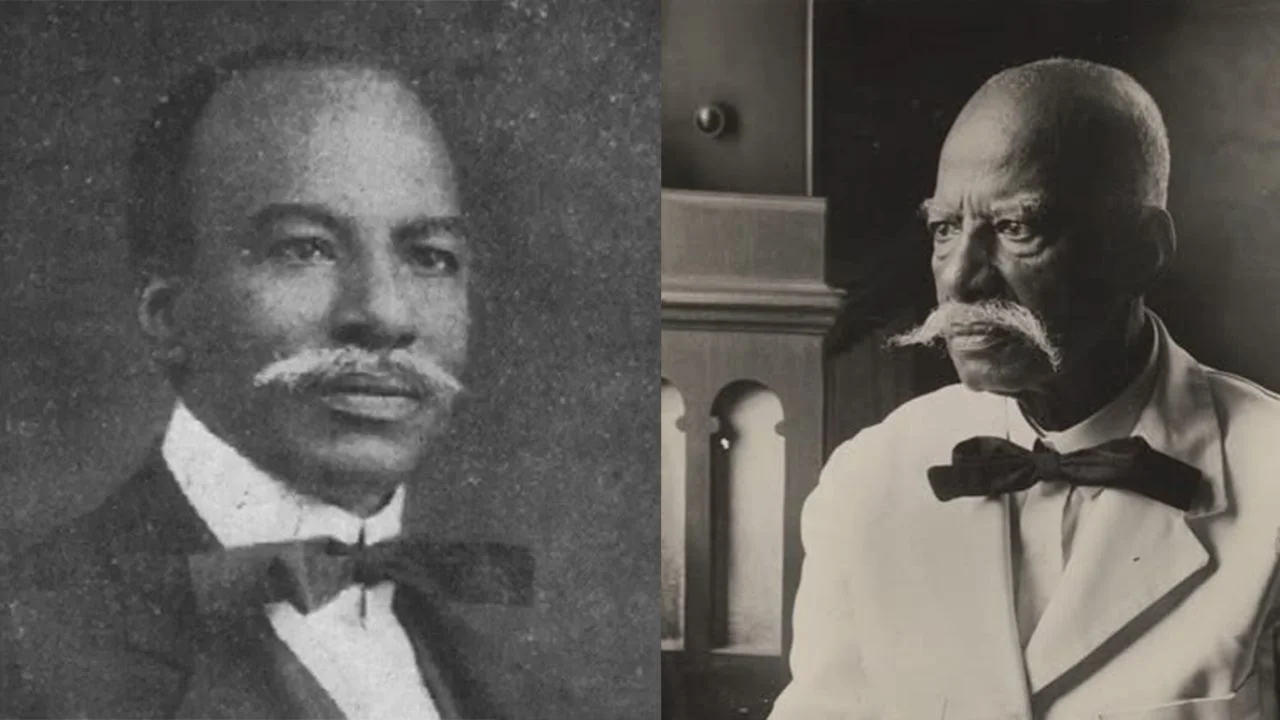
Celebrated as the father of Nigerian nationalism for transforming political awareness into organized action, he founded Nigeria’s first political party, the NNDP in 1923, creating a platform for Nigerians to participate in governance.
He challenged colonial policies through public activism and newspapers, especially the 1917 Lagos land ordinance that unfairly took land from locals.
Nnamdi Azikiwe (1904–1996)
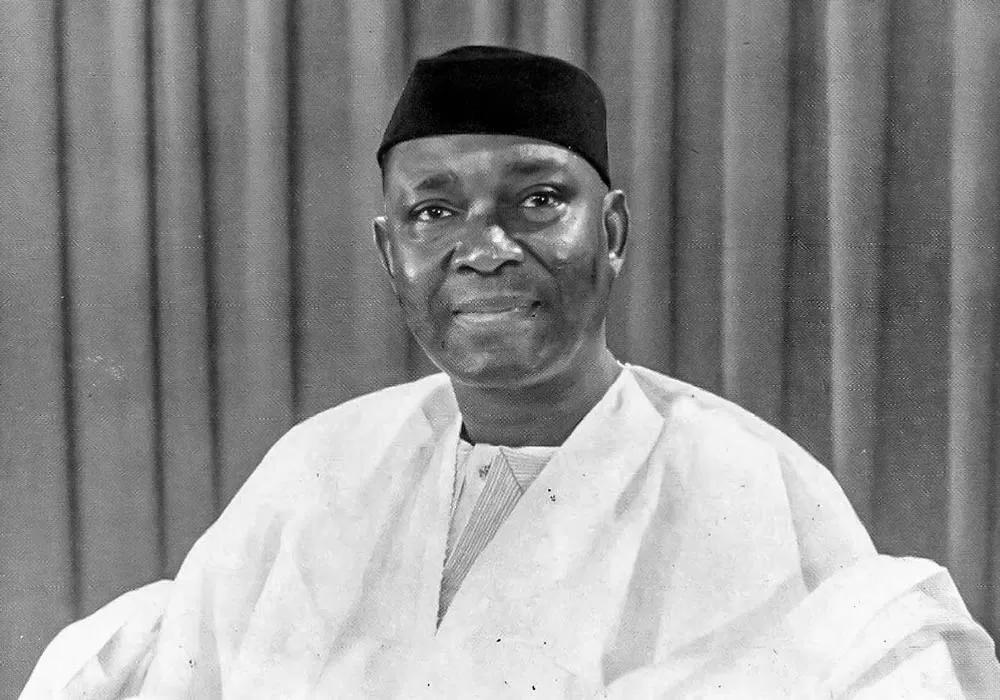
Known as “Zik,” Azikiwe was a journalist and political leader who promoted African pride, unity, and political awareness through newspapers like The West African Pilot.
He co-founded the National Council of Nigeria and the Cameroons (NCNC) and later became Nigeria’s first President.
Obafemi Awolowo (1909–1987)
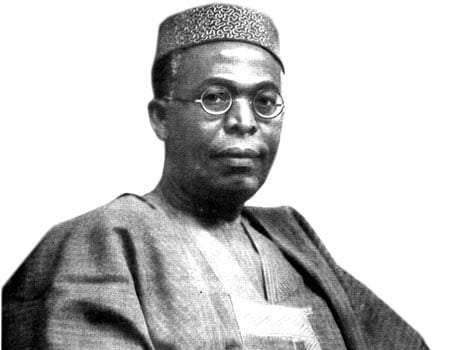
A lawyer and politician, Awolowo led the Action Group (AG) in Western Nigeria.
He focused on education reform, federalism, and preparing Nigerians to govern themselves.
Ahmadu Bello (1909–1966)


Leader of Northern Nigeria and founder of the Northern People’s Congress (NPC),
Bello worked to protect Northern interests while contributing to the broader nationalist movement.
Other early activists-teachers, lawyers, and journalists across the country, also played a key role.
They organized meetings, published newspapers, and petitioned the British government, spreading nationalist ideas and inspiring ordinary Nigerians to demand change.
The Fight for Self-Rule
Nigeria’s first nationalists initially did not demand immediate independence. Instead, they sought gradual reforms to give Africans a voice in governance. Their early goals included:
Representation in legislative councils
Fair laws and justice for Nigerians
Better wages and working conditions
Expanded educational opportunities
As time passed, their vision grew into a broader push for self-rule, the ability for Nigerians to govern their own country.
Nationalists mostly relied on peaceful and organized methods like writing articles and newspapers to inform and mobilize the public, forming political parties to contest elections, organizing rallies, petitions, public meetings and participating in legislative debates
History
Rewind the Stories that Made Africa, Africa
A Journey Through Time, Narrated with Insight.
These efforts gradually forced the British to give Nigerians more responsibility in governing their own regions.
Achievements and Path to Independence
The persistent efforts of Nigeria’s first nationalists led to several key developments: Increased African representation in legislative councils, creation of regional governments with Nigerian leaders and greater local control over internal affairs
By the late 1950s, Nigerians were managing most domestic issues, while Britain retained control over defense and foreign relations.
Finally, on 1 October 1960, Nigeria became an independent nation.
Each of these leaders played a unique role in Nigeria’s path to independence:
Macaulay: Organized and mobilized Nigerians politically.
Azikiwe: Spread ideas and inspired mass political consciousness.
Awolowo: Built governance systems and education to prepare citizens.
Bello: Integrated Northern Nigeria into the nationalist struggle.
They laid the foundation for modern Nigerian politics and inspired later generations to value self-determination and civic engagement.
Their struggle reminds us that independence was not given freely, it was earned through decades of effort, persistence, and strategic activism.