Introvert Parents Raising Extrovert Kids (and Vice Versa)
Introvert parents and extrovert kids and vice versa can clash, but it doesn’t have to be hard! Learn tips, strategies, and fun ways to understand each other and make family life smoother.
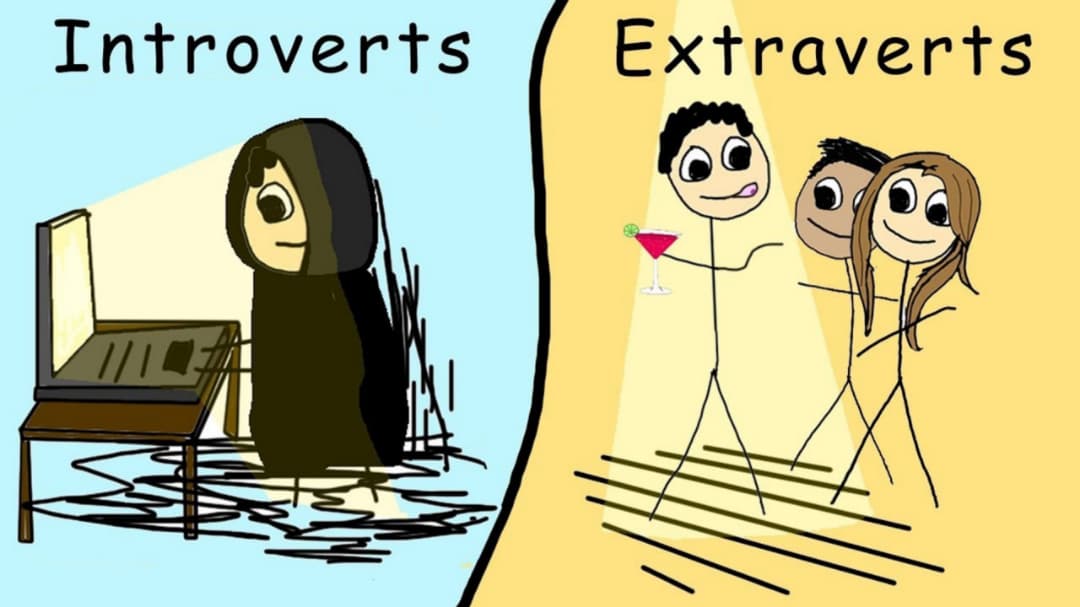
You are the type that always wants to be left alone in a quiet space, but it feels like your parents just never “get” you?, because they want you to be super social.
That is what happens when introverted parents and extroverted kids or the other way around live together.
Parenting is challenging enough on its own, but it can feel even trickier when your natural personality clashes with your child’s.
Understanding Personality Differences
I was scrolling through Reddit, when i saw a post where an introverted parent is asking for advice on raising an extroverted child and dealing with the social situations it creates
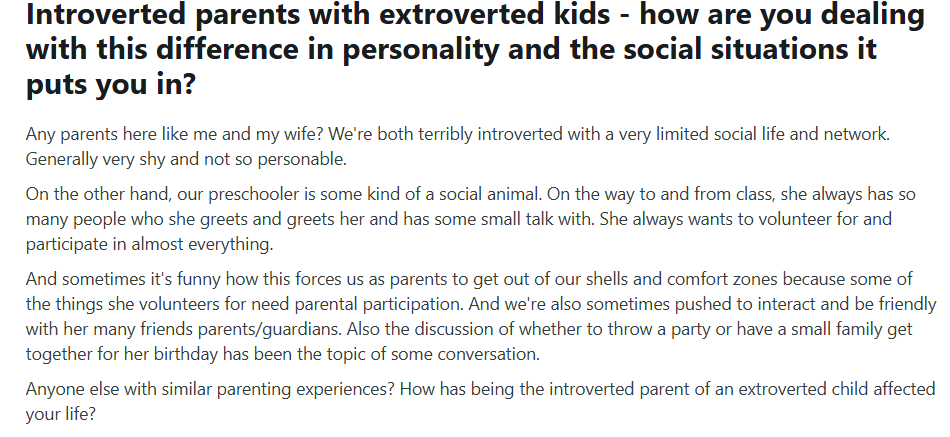
Source: Reddit
Every child comes with a unique personality.
Extroverted kids are often energetic, talkative, and drawn to social interaction. They thrive in lively environments, enjoy group activities, and may seek stimulation constantly.
Introverted kids, on the other hand, prefer quiet time, smaller groups, and solitary play. They often need more downtime to recharge after social activities.
When a parent’s personality contrasts with their child’s, misunderstandings can happen.
An introvert parent may feel exhausted by an extroverted child’s constant energy. They might see their child’s need for social interaction as “too much” or “disruptive.”
Conversely, an extrovert parent may worry that their introverted child is shy, distant, or not engaging enough, unintentionally pushing them into overwhelming social situations.
Common Challenges
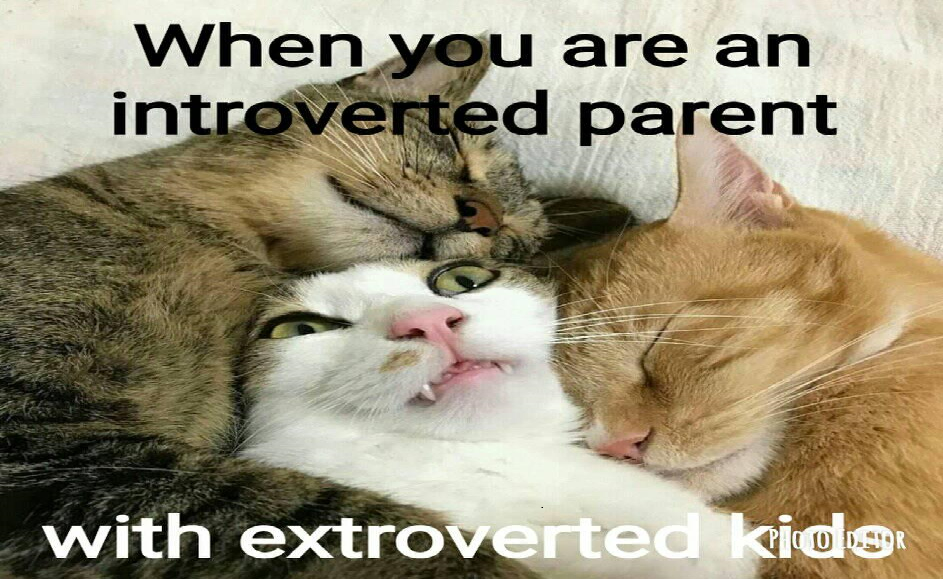
Energy Levels Don’t Match
Extroverted kids want constant activity while introverted parents need breaks. Extroverted parents want fun and social interaction, but introverted kids need alone time.Different Social Needs
While some kids love big groups, others prefer small hangouts and parents may have their own ideas about what’s “normal” or “healthy,” which can feel like pressure.Guilt or Misunderstanding
Parents might feel like they’re failing if they can’t keep up with their kid while kids might feel misunderstood or that they have to change to make their parents happy.
Practical Strategies for Harmony
Despite these challenges, there are practical ways for parents and children to thrive together:
Recognize and Accept Differences, Adapt Routines, Model Empathy and Understanding, Balance Social Exposure, Communicate Openly and most importantly, Avoid Comparing or Forcing.
Don’t try to change your child’s personality to match yours.
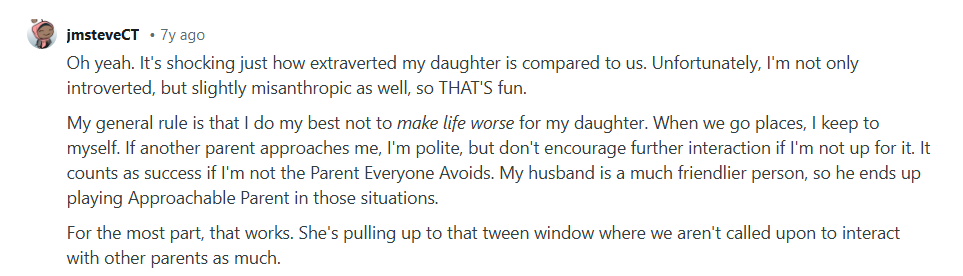

Caption: A comment under the previous reddit post
Benefits of Opposite Personalities
Raising a child with a contrasting personality can have surprising benefits:
Flexibility: Children learn to navigate different social and emotional environments.
Empathy: Kids and parents develop patience and understanding of differences.
Creativity in Routines: Families often come up with innovative solutions to meet everyone’s needs.
Stronger Bonds: Learning to honor differences can deepen trust and connection.
For introvert parents, an extroverted child can bring energy, spontaneity, and social joy into the home. For extrovert parents, an introverted child can teach calm, reflection, and mindfulness. Instead of viewing differences as obstacles, they become opportunities to grow together.
Conclusion
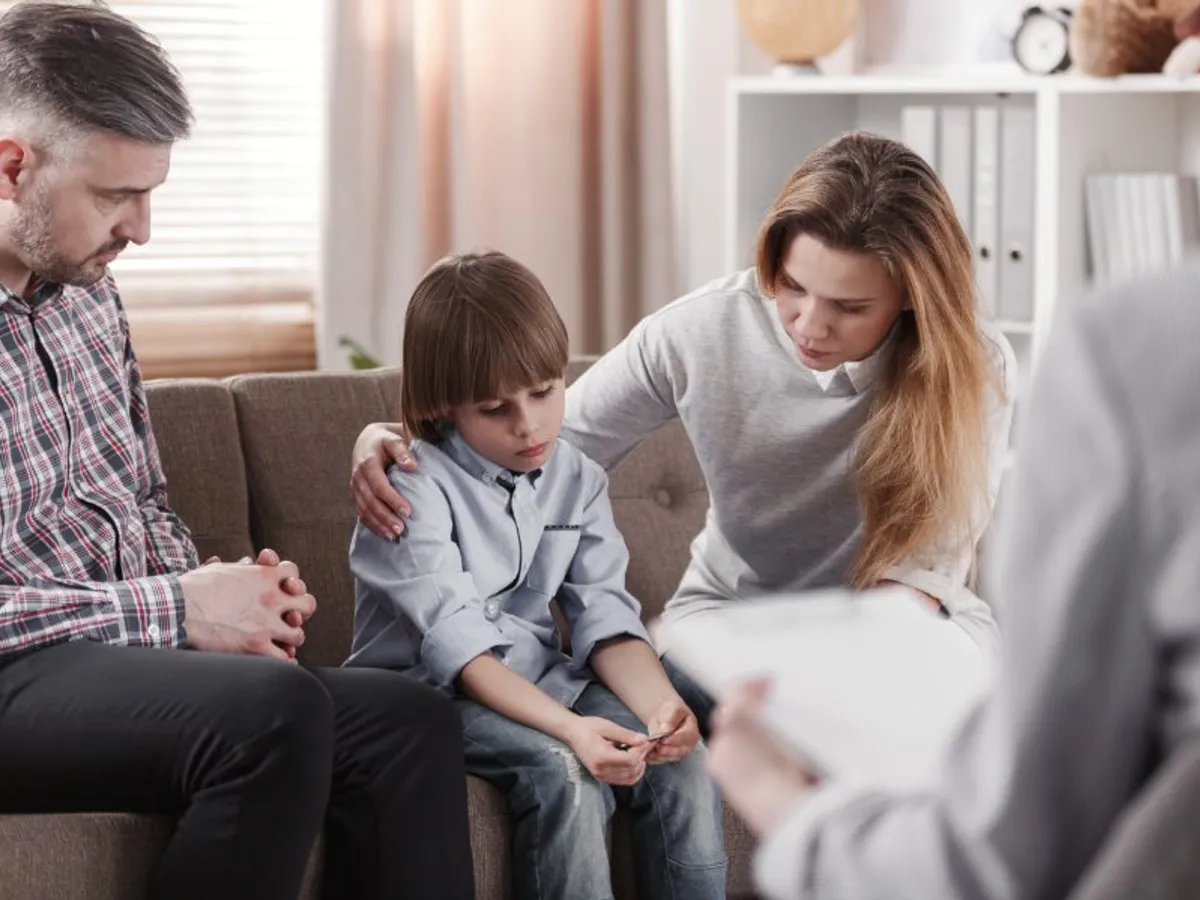
Parenting across personality differences isn’t always easy.
By recognizing and respecting personality differences, adapting routines, communicating openly, and modeling empathy, introverted parents raising extroverted kids and vice versa, can build a strong, understanding, and loving relationship.
After all, parenting isn’t about matching personalities, it’s about guiding, supporting, and celebrating your child’s unique self.