Nigeria Ranks Third Among the World’s Most Linguistically Diverse Countries
Nigeria ranks third globally for linguistic diversity, but the real story lives beyond the numbers. From code-switching and Pidgin to music, jokes, and online culture, this is how language shapes identity, power, and everyday survival in Nigeria, and why this counts.
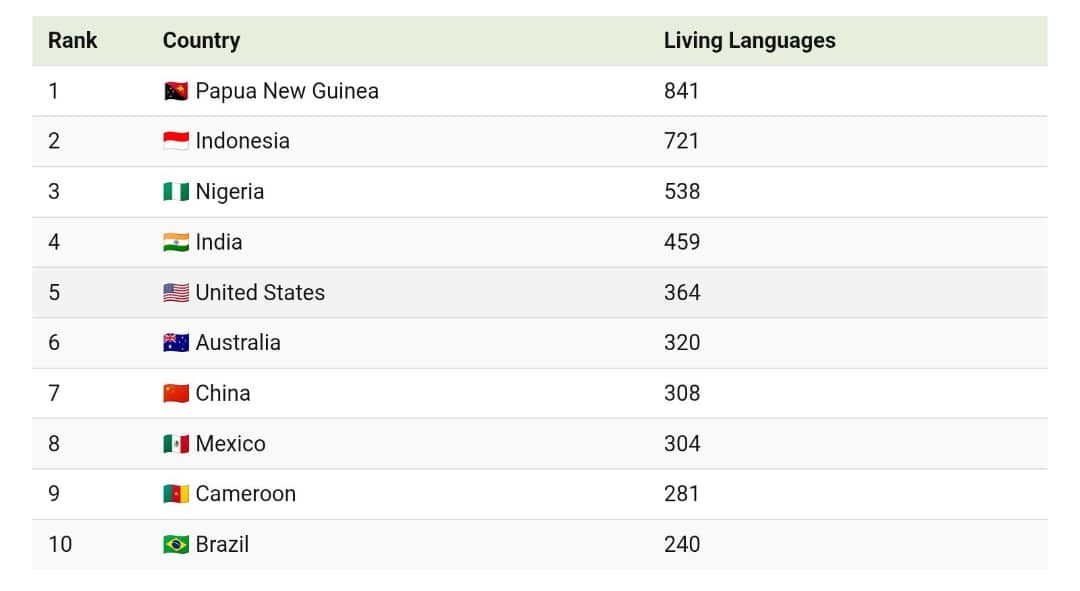
Nigeria placing third is not a patriotic slogan, it is a documented count. Ethnologue’s country ranking lists Nigeria in third place with 538 living languages, behind Papua New Guinea and Indonesia.
Ethnologue’s Nigeria profile also states that the country is home to 520 living indigenous languages, which is a reminder that different totals can exist depending on whether the count includes only indigenous languages or also other established languages used in the country.
If you have ever moved between states, visited extended family, or simply spent time on Nigerian social media, that ranking feels less like a statistic and more like an explanation. The country is a constant translation space.
Names, jokes, greetings, respect, even the way you soften a request, can shift depending on who is in the room. The point is not that Nigerians speak “many languages” in an abstract way. The point is that language in Nigeria is a daily technology for navigating identity, belonging, and survival.
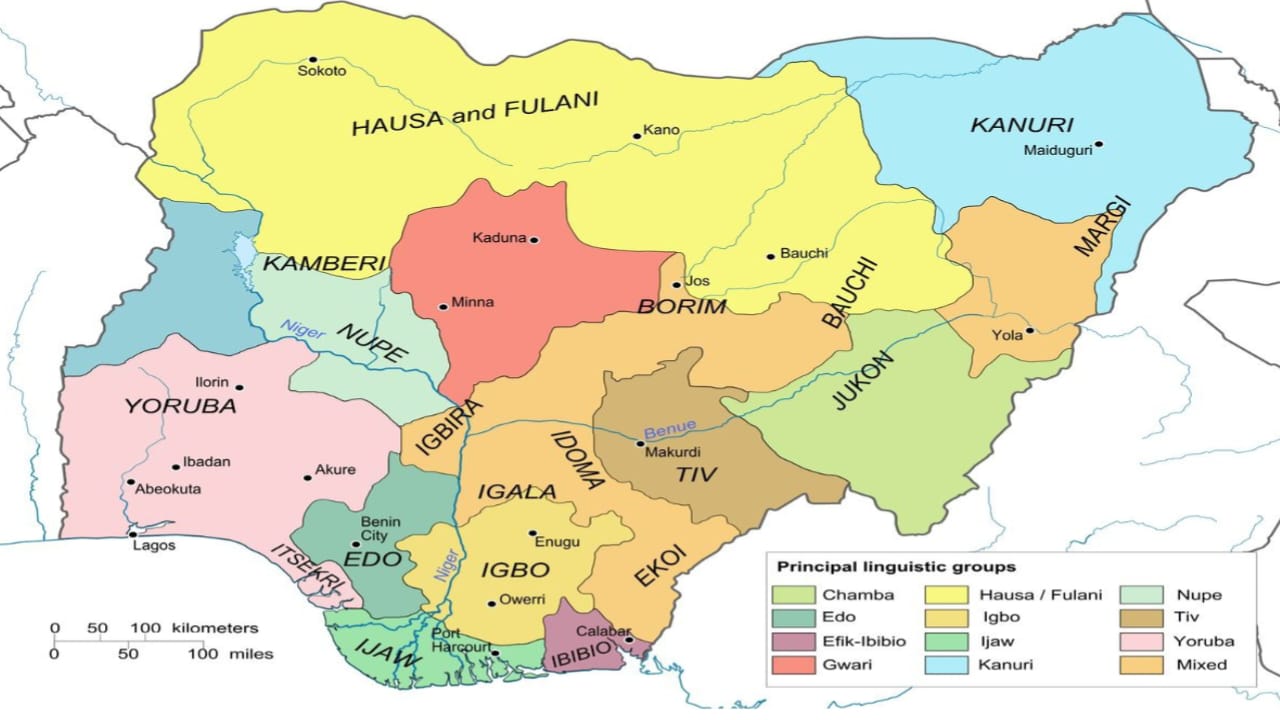
There is also a deep historical layer to this diversity. Britannica groups Nigeria’s languages into three broad families: Niger-Congo, Nilo-Saharan, and Afro-Asiatic. This is because it means Nigeria’s linguistic variety is not just one big family tree with many branches. It is closer to a whole forest where different trees have been growing side by side for a long time. When people say “Nigeria is complicated,” language is one of the most literal ways that complexity shows up.
Code Switching Is Not Confusion, It Is Competence
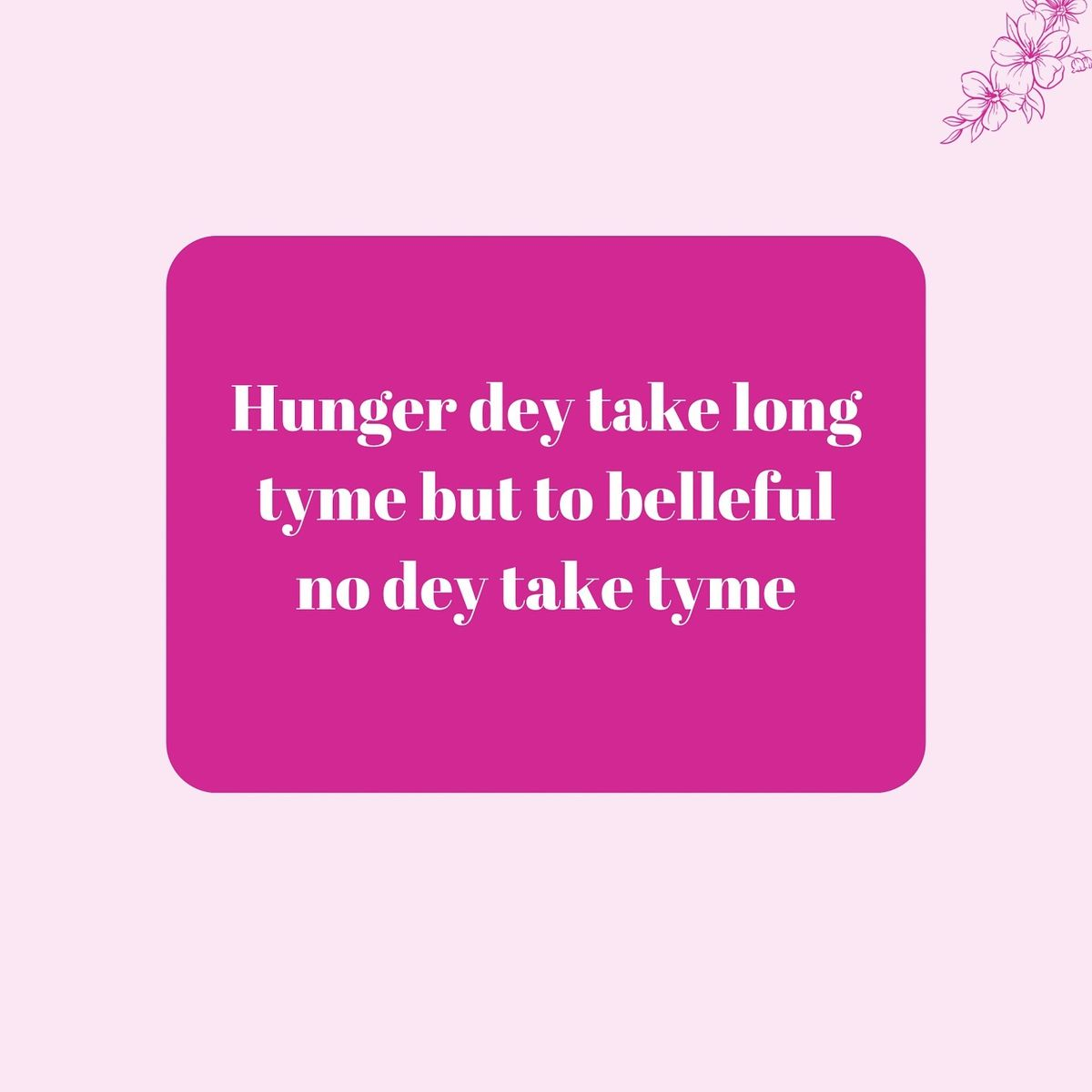
A Nigerian day can sound like a playlist on shuffle, but the shuffle is intentional. English might run your school life, formal writing, or an internship email. Nigerian Pidgin might handle the street level warmth, the quick joke, the friendly drag, the sudden bond with someone you just met.
Hausa, Yoruba, Igbo, and many other local languages can signal home, respect, community, or regional confidence. The same person can move across these layers without announcing it, because the audience already understands the rules.
This is why “code switching” in Nigeria is not the stereotype of someone trying to impress. It is social intelligence. You can speak one way to elders, another way to friends, another way to a teacher, another way online. You can soften your tone by switching languages. You can add emphasis by dropping one phrase in the language that carries the right emotion. You can hide meaning in plain sight by switching when you do not want everyone around you to understand. It is like having multiple fonts for the same sentence, each with its own vibe.
The country’s official reality reinforces this layered system. English is Nigeria’s official language, and it is the language of many formal domains. At the same time, Nigerian Pidgin is widely used as a language of wider communication, and Ethnologue describes it as an English based creole used primarily as a second language.
That pairing is part of what makes Nigeria feel so linguistically alive. English can be a national bridge, but Pidgin can be a national heartbeat, especially in informal conversation and popular culture.
And then there are the communities that complicate the usual story even more. In Èjìgbò, Osun State, the Osun State government’s profile of the town says that, alongside Yoruba and English, foreign languages spoken include French, described there as “second to Yoruba,” linked to long standing ties with francophone West Africa.
Even if you never go there, the fact that this exists tells you something important: Nigerian multilingualism is not locked inside Nigeria. It is connected to migration, trade, and the wider region.
The Soundtrack of Multilingual Nigeria
Social Insight
Navigate the Rhythms of African Communities
Bold Conversations. Real Impact. True Narratives.
If you want to understand what multilingual life feels like, do not start with a classroom. Start with Nigerian entertainment, because that is where language becomes emotion, not just information. Nigerian music constantly plays with language choice the same way producers play with drums and melodies. Artists slide between English, Pidgin, and local languages to match the mood they want. A hook might land harder in Yoruba. A warning might feel colder in English. A brag might feel funnier in Pidgin. Even when you do not understand every word, you can still feel what the switch is doing.
Comedy does the same thing, maybe even more sharply. In Nigerian comedy, switching languages can be the punchline. A character’s choice of English can signal seriousness or pretension. A sudden drop into Pidgin can signal the truth is about to come out. A proverb in a local language can carry the kind of authority that plain English cannot replicate. Online, the comments section becomes a mini Nigeria, where people respond in whatever language fits the joke, the anger, or the solidarity.
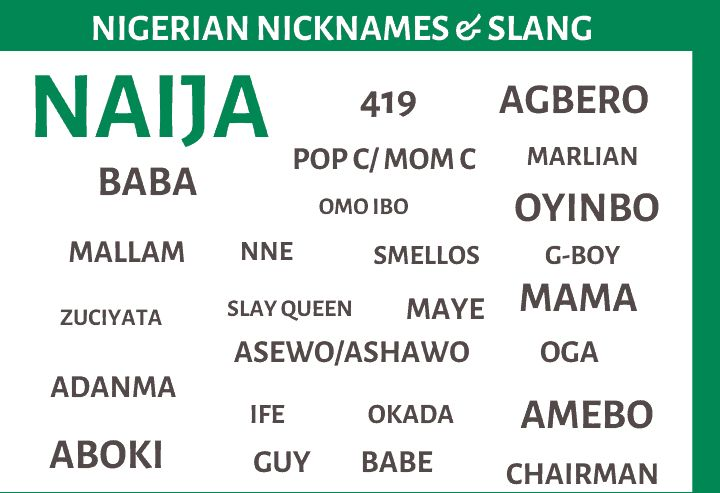
This is also why Nigerian internet culture is so recognizable. Nigerian tweets, skits, and TikTok captions often rely on the reader hearing the sentence in their head. The spelling might be English, but the rhythm is Nigerian. The grammar might bend on purpose. The language is doing identity work. It is saying, this is ours, we know what we mean, and if you get it you are part of the in group.
The ranking at the start matters here because it reframes this creativity. Nigeria’s multilingual playfulness is not a niche aesthetic. It comes from being one of the densest language ecosystems on Earth. What looks like casual slang online is often the surface of a much larger story about how Nigerians have always built community across difference.
School, Status, And What the Next Generation Decides

There is a tension at the center of Nigerian language life. The same country that produces incredible multilingual creativity also lives under modern pressures that push people toward fewer languages. Schooling, jobs, and prestige can reward English.
Urban life can reward whichever language dominates a city. Inter ethnic families may choose a shared language at home for simplicity. None of that is evil, it is practical. But it has consequences for smaller languages, especially when kids stop learning them as a first language.
This is not only a Nigerian issue, it is global. UNESCO saysat least 40 percent of the roughly 7,000 languages estimated to be spoken worldwide are endangered, and it notes that on average a language disappears about every two weeks, taking cultural and intellectual heritage with it.
When you apply that reality to a country with hundreds of languages, you get the uncomfortable truth: being third in diversity can also mean being on the front line of language loss.
That is where Gen Z has real power, not the fake motivational kind. The internet has turned language into infrastructure. If a language has a writing standard people use, if it shows up in captions, if it is typed in group chats, if creators make it normal, it becomes easier for the next kid to keep it. If a language exists only in private spaces and never appears online, it becomes easier to forget, even for people who love it.
So the culture feature version of “Nigeria ranks third” is not just a celebration. It is a storyline about choice. Nigeria’s multilingual life is already world class. The question is whether the next era of Nigerian identity will treat smaller languages as living tools that belong on screens, in songs, in jokes, and in daily life, or as things people only mention with nostalgia. The ranking is proof of what exists. What happens next depends on what people decide to keep using.