Nepotism Isn’t Just About Wealth: Meet 7 Real Nepo Babies Born Into Power and Influence in Nigeria
From business dynasties to political and royal families, meet seven Nigerians whose family backgrounds gave them early access to wealth, influence and opportunity.
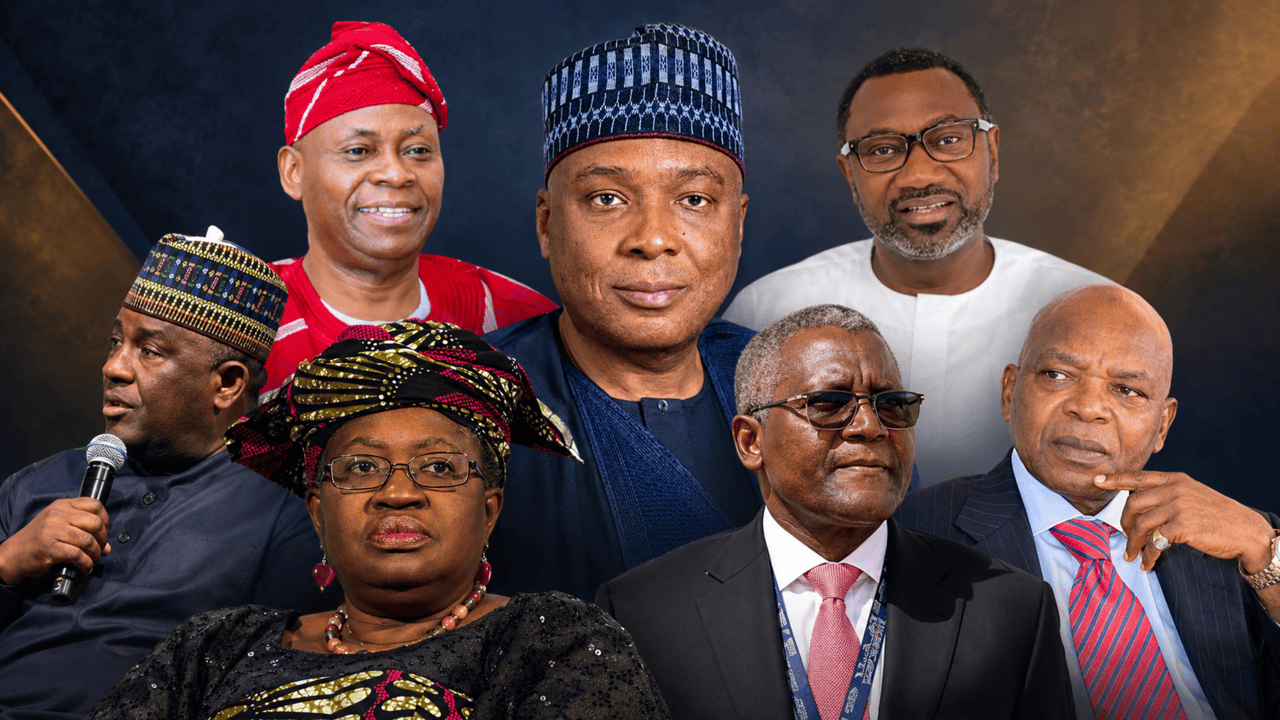
Nepotism itself, is the practice of favouring relatives or close associates when giving out jobs, positions, business opportunities or other advantages, often because of their relationship rather than merit alone.
In the context of nepo babies, the term is commonly used to describe people who benefit from their family connections, wealth, status or influence.
And while it is easy to call someone a nepo baby simply because their parents are wealthy or famous, the privilege associated with the term goes beyond money.
It can also mean growing up with inherited power, access to elite education and influential networks that most Nigerians can only dream of.
Some family names open doors before the people who bear them even have a chance to knock. They belong to families that have spent generations building businesses, holding political office, accumulating wealth or occupying positions of traditional authority.
Meet seven Nigerian nepo babies whose achievements are their own, but whose family backgrounds placed them among the country's privileged from birth.
1. Abdulsamad Rabiu
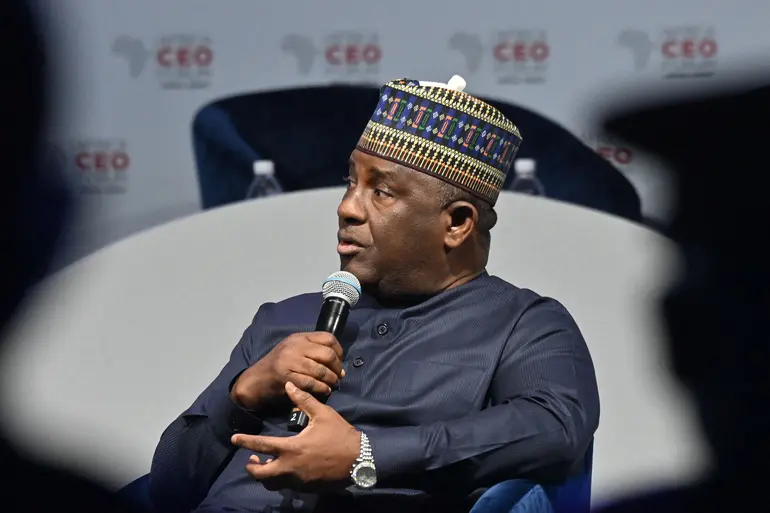
Abdulsamad Rabiu was born in Kano in 1960 into the family of Isyaku Rabiu, a prominent industrialist and businessman whose interests spanned manufacturing, finance and real estate.
His father established Isyaku Rabiu & Sons, building one of the notable business enterprises in Northern Nigeria.
After studying economics at Capital University in Ohio, United States, Abdulsamad returned to Nigeria at the age of 24 to oversee the family business.
He later established BUA International in 1988, initially focusing on commodity trading, including rice, edible oil, flour, iron and steel.
BUA gradually expanded into manufacturing, with major investments in cement and sugar production. It has since become one of Nigeria's largest industrial groups.

Rabiu did not enter the business world without an established commercial background. He had grown up around his father's enterprise and returned from his studies to take on responsibilities within the family business before setting out to build BUA.
That experience, alongside the resources and commercial knowledge available to him, gave him a considerable head start.
2. Aliko Dangote
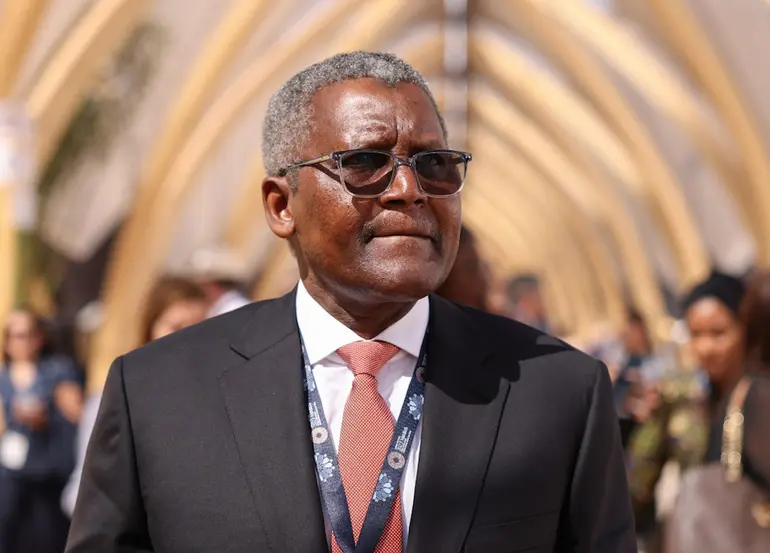
Aliko Dangote's family history is closely connected to Kano's long-established merchant class. His maternal great-grandfather, Alhassan Dantata, was one of the region's most prominent traders, with business interests in commodities including groundnuts and kola nuts. His maternal grandfather, Sanusi Dantata, also became a successful businessman.
Dangote lost his father at a young age and was raised by his maternal grandfather. He has spoken about developing an interest in business while still in primary school, when he bought cartons of sweets and resold them individually for a profit.
After graduating from university in 1977, he began trading in commodities, including rice, sugar and cement. He received financial support from his uncle to start the business, before expanding into manufacturing and establishing the Dangote Group.
The group has since grown into one of Africa's largest industrial conglomerates, with interests in cement, sugar, salt, fertiliser and oil refining. Dangote's business achievements are his own, but he was raised in a family with a substantial commercial legacy.
He had early exposure to trading, mentorship from an established businessman and access to family support when he began his entrepreneurial journey.
3. Bukola Saraki
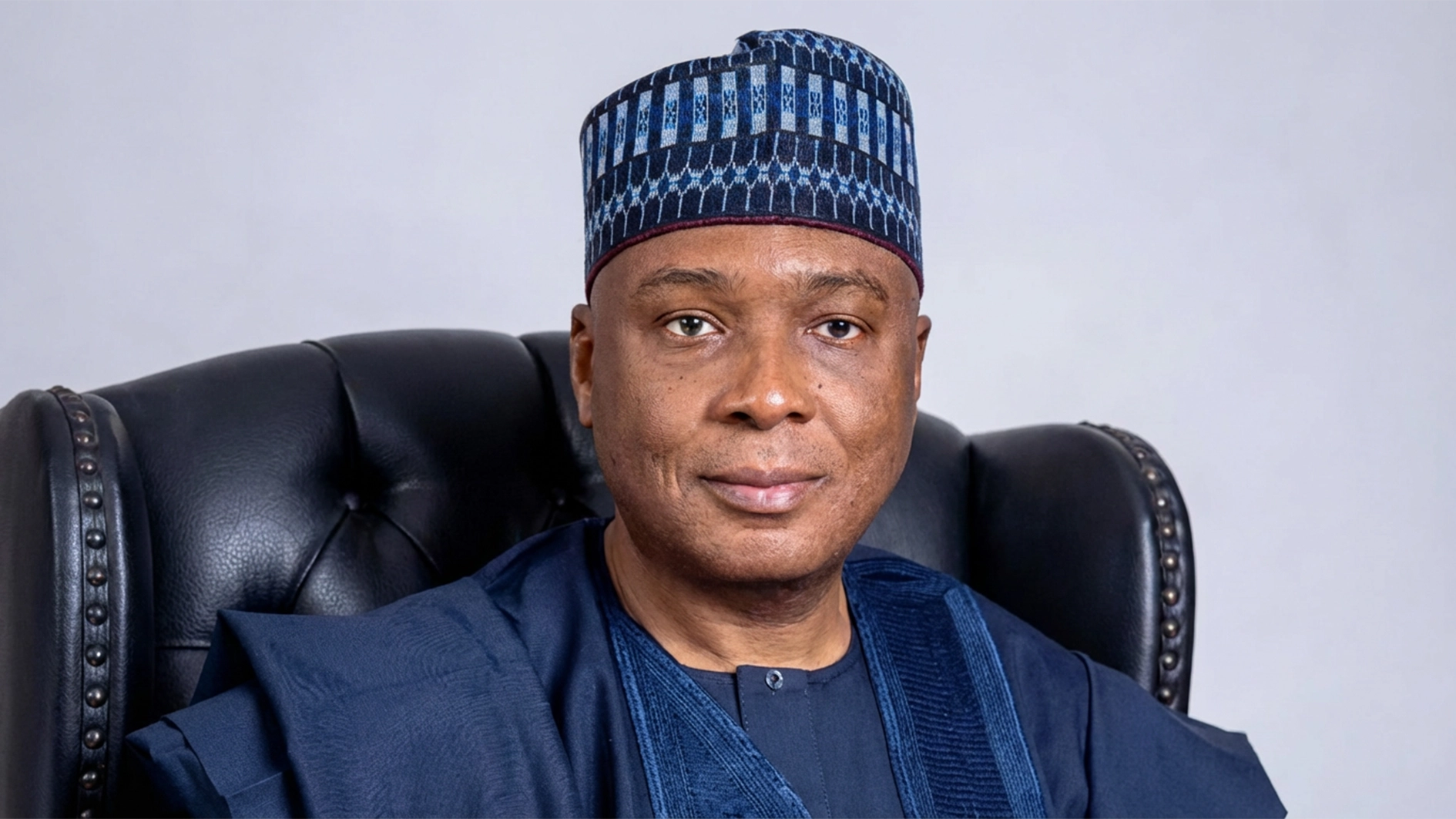
Bukola Saraki grew up in one of Nigeria's most influential political families. His father, Dr Abubakar Olusola Saraki, was a medical doctor who became a senator during the Second Republic and one of the most influential political figures in Kwara State.
Olusola Saraki became widely regarded as a political kingmaker in Kwara, building a network of supporters and political allies that extended across the state. His influence was so significant that the Saraki name remained central to the state's politics for decades.
Bukola attended Corona School and King's College in Lagos before proceeding to Cheltenham College in the United Kingdom. He later studied medicine at the London Hospital Medical College, graduating in 1987.
He returned to Nigeria and worked in the banking sector before entering government in 2000 as Special Assistant to President Olusegun Obasanjo on Budget and Economic Matters.
He subsequently served two terms as governor of Kwara State between 2003 and 2011 and became President of the Nigerian Senate in 2015.
His political career involved his own decisions and public service, but he also inherited a recognisable political name, an established network and a family position that had already shaped Kwara politics long before he entered public office.
4. Femi Otedola

Femi Otedola grew up in a family with established business and political connections. His father, Sir Michael Otedola, was a journalist and businessman before becoming Governor of Lagos State in 1992, a position he held until 1993.
Before entering politics, Michael worked as an Information Officer in the Western Nigerian government and later in public relations, including with Mobil Oil. He also established Impact Press, a printing company in Lagos. Femi's early introduction to business came through that company.
In his memoir, Making It Big, he recounted how he became fascinated by the printing machines while his father was setting up the business. He eventually left school after his A-levels to work there full-time, becoming its managing director in 1987.
His business career later took him into oil trading, where he established Zenon Petroleum and built a major presence in Nigeria's energy sector. In his memoir, Otedola disclosed that his father provided a £250,000 loan that helped him establish the business.
Femi went on to build substantial wealth through his own business decisions, investments and expansion into other sectors. However, his early access to an established family business and significant financial support from his father formed part of the foundation on which he built his career.
5. Arthur Eze
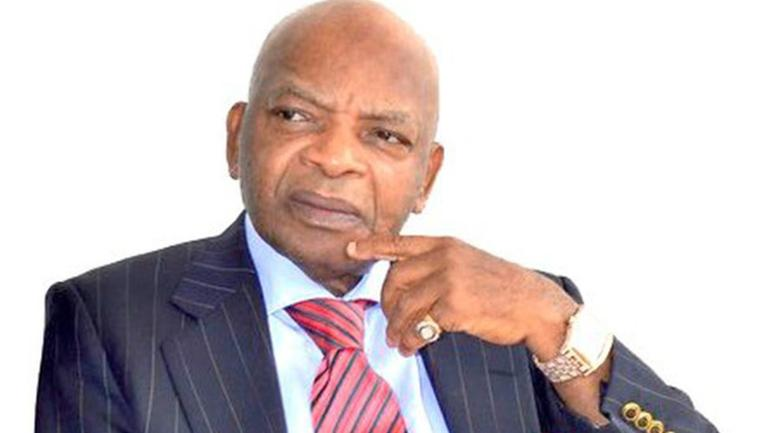
Arthur Eze was born into the traditional ruling family of Ukpo in Anambra State. His elder brother, Igwe Robert Eze, is the traditional ruler of the community.
Eze has spoken publicly about the political connections surrounding his family while he was growing up. In a 2020 interview, he recalled that his father was a member of the Eastern Nigeria House of Chiefs during the era of Dr Nnamdi Azikiwe and Premier Michael Okpara.
He also remembered opening the doors of his family home to politicians who visited when he was a child.
Eze studied engineering at California State University, Long Beach, in the United States, graduating in 1978. He later established Atlas Oranto Petroleum in 1991, building an oil and gas exploration business with interests across several African countries.
His business career developed through his own ventures, but his childhood placed him within a household connected to traditional authority and political figures.
He grew up around people who occupied influential positions in public life, giving him an early introduction to networks that would remain relevant throughout his career.
6. Ngozi Okonjo-Iweala
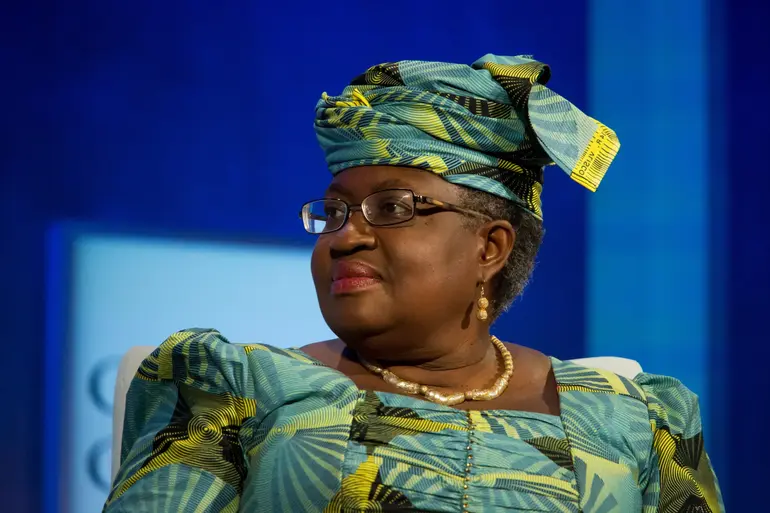
Ngozi Okonjo-Iweala was born into an academically accomplished family with traditional royal ties. Her father, Professor Chukwuka Okonjo, was a mathematician and economist who became the Obi of Ogwashi-Ukwu in Delta State. Her mother, Professor Kamene Okonjo, was also an academic.
The IMF's Finance & Development magazinedescribed her as "a daughter of privilege".
Growing up in a household where both parents were university professors meant that education and intellectual development were central to her upbringing. Her father had an extensive academic career, including work at the University of Ghana and service in the United Nations system.
Okonjo-Iweala attended schools in Nigeria before moving to the United States in 1973. She graduated from Harvard University with a degree in economics in 1977 and earned a doctorate in regional economics and development from the Massachusetts Institute of Technology in 1981.
She went on to spend 25 years at the World Bank, rising to the position of Managing Director, before serving twice as Nigeria's Minister of Finance. In 2021, she became the first woman and first African to lead the World Trade Organization.
Her international career was built through years of academic and professional work. However, she also grew up with the benefit of an academically accomplished household, strong educational foundations and a family connected to traditional leadership.
7. Adedeji Adeleke
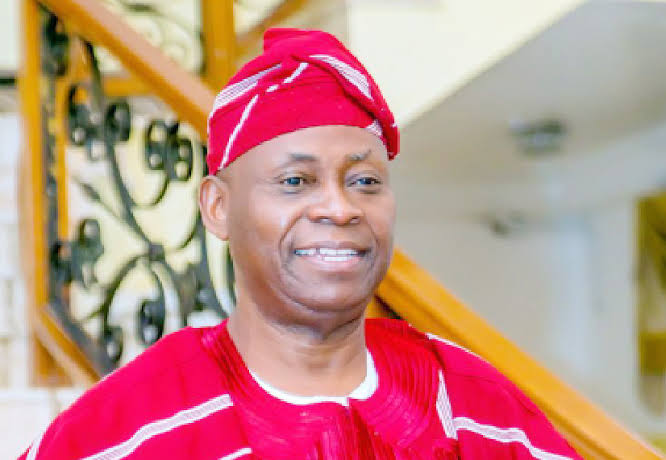
Adedeji Adeleke was born in 1957 to Chief Raji Ayoola Adeleke, a politician and labour activist who became a senator during Nigeria's Second Republic. His father was also a prominent figure in Ede, Osun State, where he held the traditional title of Balogun of Ede.
Raji Adeleke's political career began before the return to civilian rule in 1979. He was elected to the Senate that year, representing the old Oyo State Senatorial District 11, which covered areas that are now part of Osun State. His political activities and community standing helped establish the Adeleke family's presence in the region.
Adedeji studied finance at Western Kentucky University in the United States, graduating in 1979.
He later established Pacific Holdings, a business conglomerate with interests in several sectors, and founded Adeleke University in Ede in 2011.
Unlike some of the other names on this list, the extent of the wealth Adedeji inherited from his father is not clearly established in public records.
What is documented, however, is that he was born into a family with political and traditional influence, long before building his own business and educational interests.
Different backgrounds, different kinds of privilege
While some inherit established business wealth, others grow up around political power, traditional authority or academic influence. In some cases, these advantages overlap.
The seven people featured here went on to build careers and achieve recognition in their respective fields.
Their accomplishments should not be dismissed, but neither should the family circumstances that shaped their early lives be overlooked. Their stories show that privilege can take different forms, and that the starting point is not the same for everyone.