Nigeria’s First Professionally Trained Fashion Designer and the Story Behind Her Legacy
Shade Thomas-Fahm pioneered modern Nigerian fashion, adapting traditional fabrics into contemporary designs and building one of the country’s early fashion businesses.
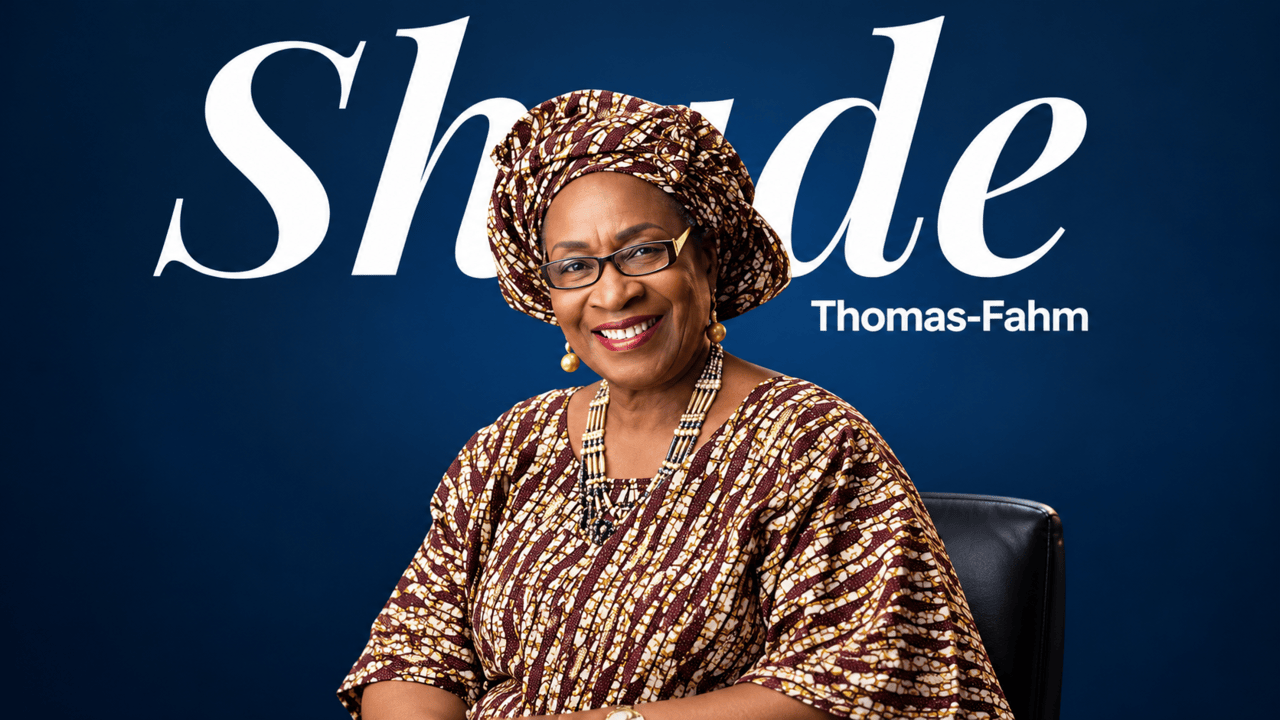
At about 12, Shade Thomas-Fahm made a baby dress from leftover calico at Sisi Sewing Shop, a local dressmaker in Lagos where she went to have her school uniform made. She cut and sewed the dress herself.
Years later, after studying fashion in England, she returned to Nigeria and opened Maison Shade, becoming one of the pioneers of modern Nigerian fashion.
Thomas-Fahm is widely described as Nigeria’s first professionally trained fashion designer. She worked with fabrics and clothing traditions already familiar to Nigerians, including aso-oke, adire and the Yoruba iro, adapting them into styles suited to contemporary life.
She chose fashion over nursing
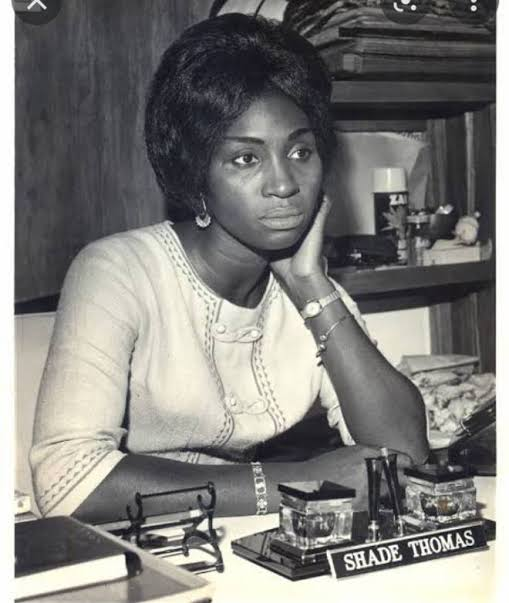
Thomas-Fahm left Nigeria for England in 1953 to study nursing. She later changed direction and trained in fashion at St Martin’s School of Art, now part of Central Saint Martins.
She completed her professional training in 1959.
She returned to Lagos in 1960 with sewing machines and equipment to establish her business.
Maison Shade began at the Yaba Industrial Estate, followed by a boutique that became known as Shade’s Boutique.
Selling her designs was not easy at first. Thomas-Fahm recalled struggling to persuade Nigerians to buy locally made clothes.
Imported garments competed with her work, and she had to convince customers that Nigerian fabrics could be used for contemporary styles, not only traditional occasions.
She drew inspiration from what she had seen in Britain, including the use of mannequins to display clothes.
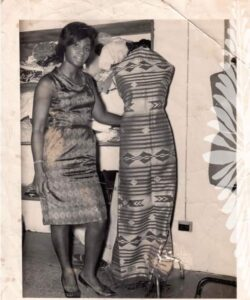

According to her interview with THISDAY Style, she introduced the technique in her Lagos shop.
Her customers included Hannah Awolowo and Princess Elizabeth of Toro, while ready-to-wear collections stocked by retailers such as Kingsway Stores took her designs beyond the boutique.
The details that set her designs apart
Thomas-Fahm worked with textiles including aso-oke, adire, akwete and okene. She approached traditional clothing as something that could evolve with the needs of the people wearing it.
She added zips to the Yoruba iro, making the wrapper easier to put on, and developed a pre-tied gele to simplify the process of wearing the traditional headwrap. She also created styles that adapted the flowing agbada for women.
These designs drew on clothing Nigerians already knew while offering different ways to wear it. Rather than abandoning traditional garments for imported styles, she explored how their features could work in contemporary wardrobes.
Her work also travelled beyond Nigeria. In December 1972, she went to New York to promote her designs and attract international buyers, bringing Nigerian textiles to audiences outside the country.
Beyond the boutique
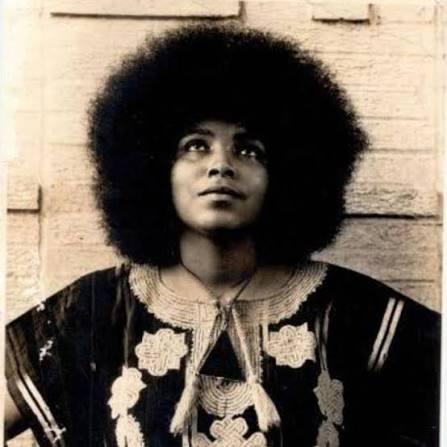
Thomas-Fahm built a production business alongside her retail operation. She told THISDAY Style that she started her factory at Yaba Industrial Estate with about 10 machines. At its peak, it employed more than 40 men and women in activities including sewing, finishing, embroidery, pressing, dyeing and weaving.
The factory gives a sense of the scale behind her label. She was not only designing outfits for customers but also running a business that employed people across different stages of clothing production.
She also helped organise the profession. Thomas-Fahm became the founding president of the Fashion Designers Association of Nigeria (FADAN) and worked with Chief Olaiya Olumegbon, popularly known as Lai the Tailor, on the establishment of a fashion department at Yaba College of Technology.
Her business faced challenges as imported clothing competed with locally made garments and the retail environment changed.
Nevertheless, she continued to receive recognition for her contribution to fashion. In 2011, she received a lifetime achievement award at ARISE Magazine Fashion Week.
Her work in a museum collection
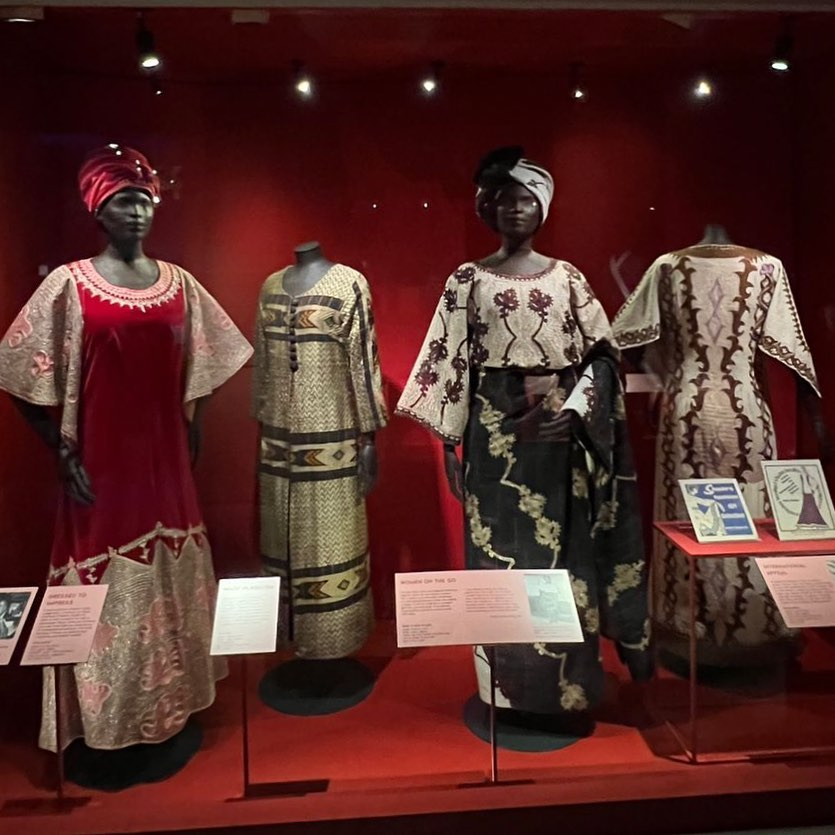
In 2021, the Victoria and Albert Museum in London acquired eight pieces of Thomas-Fahm’s work. Six featured in itsAfrica Fashion exhibition, which ran from July 2022 to April 2023.
The museum’sprofile of Thomas-Fahm documents her training, business and influence on modern Nigerian fashion.
In interviews published in 2024, when she turned 91, Thomas-Fahm reflected on her career and the development of Nigerian fashion. These interviews provide a more recent public account of her life, although a newer update on her current activities could not be verified.
From the child who made a dress with leftover fabric at a Lagos sewing shop to the designer whose work entered an international museum collection, Thomas-Fahm built a career around adapting Nigerian textiles for changing tastes and creating a place for professional fashion design in the country.