NCC Wants to Verify Your Phone, But Is Nigeria Fighting Fake Devices or Creating Another Problem?
Imagine buying an expensive phone only to be told it could be disconnected. Is the NCC protecting Nigerians from fake phones or punishing innocent buyers?
Buying a smartphone worth hundreds of thousands of naira is a major expense for many Nigerians.
But what happens when a phone you paid for in good faith suddenly faces disconnection from Nigerian networks? You trusted the seller, spent your hard-earned money, and now risk losing access to a device you thought was safe to use.
Because with your phone which is working perfectly. You can make calls, browse the internet, send messages and use your banking apps. So why is someone suddenly questioning whether it should be allowed on the network?
That is the concern emerging among some Nigerian smartphone users following reports that the Nigerian Communications Commission (NCC) has introduced a new way for people to check whether their devices meet regulatory approval requirements.
According to reports published on October 10 and 11, 2026, the commission has introduced a USSD service that allows users to check their phones by dialling *315#and selecting option 1, labelled “Check this device.”
The development follows reports of warning messages sent to users of iPhones, Tecno, Infinix, Oukitel and Google Pixel smartphones, informing them that unverified devices could be disconnected from Nigerian telecommunications networks after 30 cumulative days.
But while the initiative is presented as a measure to improve device compliance, it raises questions about counterfeit phones, consumer protection and who should bear responsibility when a phone fails verification.
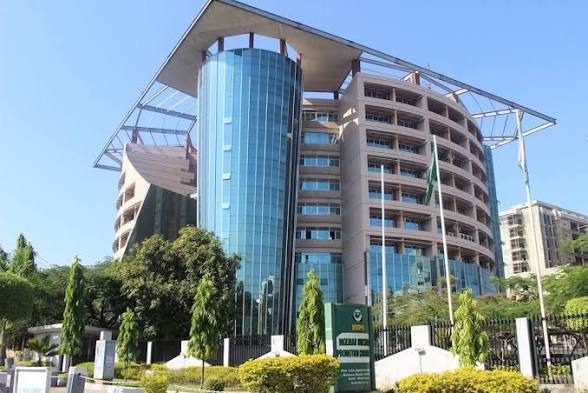
Why Does the NCC Want to Know Which Phone You Are Using?
Every mobile phone has an International Mobile Equipment Identity (IMEI) number, a unique identifier used to distinguish mobile devices.
The NCC's Device Management System (DMS) is designed to use these numbers to identify phones operating on Nigerian networks and determine whether they meet applicable technical and regulatory requirements.
The system is also intended to strengthen compliance among phone manufacturers, importers and dealers.
There is a reasonable argument for such a system.
Nigeria has a large market for smartphones, including imported, second-hand and refurbished devices. Consumers may encounter counterfeit phones, devices with altered identifiers or handsets that do not meet required standards.
A verification system could help authorities identify problematic devices, discourage illegal trading practices and provide consumers with information about the phones they purchase.
However, an important distinction must be made.
A phone that has not been verified is not necessarily a fake phone.
A legitimate device purchased abroad or through a private seller may encounter verification difficulties even when it is an original product.
That difference matters because consumers should not automatically be treated as having purchased counterfeit devices simply because their phones are absent from a regulatory database.
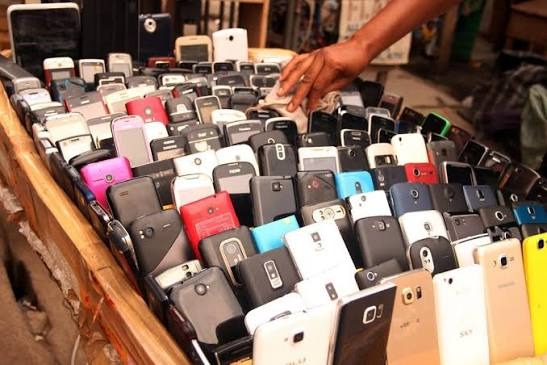
The Real Question: Why Should Buyers Pay for a Seller's Mistake?

Consider a familiar situation.
You walk into a phone shop, examine a device, pay for it and leave with a receipt. The phone works, the seller assures you it is original, and you have no reason to suspect anything is wrong.
Months later, you receive a warning that the device may lose network access.
Who should be held responsible?
The customer who paid for the phone? The dealer who sold it? The importer who brought it into Nigeria? Or the authorities responsible for ensuring that devices entering the market meet regulatory requirements?
For many Nigerians, purchasing a smartphone is not a casual expense.
Some save for months, trade in their old devices or buy fairly used phones because brand-new models are beyond their budgets.
A phone is also more than something used for entertainment. It may be someone's office, online shop, banking platform or primary means of communicating with customers.
Disconnecting such a device could therefore affect more than phone calls.
This is why the NCC's enforcement approach matters just as much as its objectives.
If a device is genuinely unsafe, counterfeit or operating with an invalid identifier, there may be legitimate reasons to restrict it. But consumers also need a clear way to understand the problem, challenge an incorrect classification and resolve verification issues.
Otherwise, a policy intended to protect buyers could end up placing additional pressure on the very people it is supposed to help.
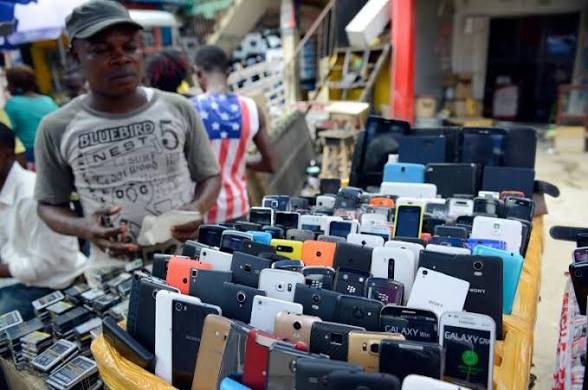
Is This Really About Fake Phones, or Is There More to the Story?
Whenever a new system gives regulators greater oversight of devices used by millions of people, questions about its purpose are almost inevitable.
Some Nigerians may wonder whether the initiative is strictly about counterfeit phones or whether it could eventually be used for broader monitoring and control.
The Device Management System's reliance on IMEI numbers makes that concern understandable. IMEI numbers identify devices and can be used by mobile networks for technical and security purposes.
However, there is no evidence in the information currently available that the NCC introduced the system as a secret surveillance programme or as a deliberate attempt to disconnect legitimate phone owners.
The stated regulatory purpose is to identify devices and improve compliance with technical standards.
Nevertheless, public trust requires more than assurances.
Nigerians deserve clear answers about what information the system collects, how it is protected, what happens when a phone is wrongly flagged and whether legitimate imported devices can be registered without unnecessary costs.
There is also the question of how counterfeit or non-compliant phones reach consumers in the first place.
If authorities are concerned about unapproved devices, enforcement should not stop with the people who bought them. Importers, distributors and retailers also have responsibilities.
A system that focuses only on disconnecting devices without addressing how problematic phones enter the market may leave an important part of the problem unresolved.
What Should Nigerians Do Before the 30-Day Deadline?
According to reports announcing the service, phone owners can check their device approval status by following these steps:
1. Dial *315# on the phone.
2. Select option 1 — “Check this device.”
3. Follow the instructions to view the device's verification status.
The NCC also maintains an online database of approved handsets that consumers can search using their phone models.
Users who receive warning messages have reportedly been advised to contact their sellers or dial 315 for additional guidance.
For people who purchased legitimate devices abroad or through private sales, the commission is reportedly preparing a registration process to address verification problems.
However, the detailed procedure has not yet been published.
That leaves an important concern for affected consumers: what happens if their phones remain unverified while they are waiting for a registration process to become available?
Until the NCC provides further clarification, users should avoid assuming that a warning automatically means their phone is counterfeit. They should also be cautious of anyone demanding unofficial payments to prevent disconnection.
Conclusion
The NCC’s effort to tackle fake and unapproved phones is important, but it should not create more problems for Nigerians who bought their devices in good faith.
Phone sellers and importers should also be held responsible, while consumers deserve a simple way to verify their devices and resolve any issues.
If the goal is to protect Nigerians, shouldn’t the system protect buyers instead of making them suffer for mistakes they didn’t make?