Media Giant Paramount Africa Ceases Operations After 20 Years!
Paramount Africa is shutting down by December 2025 due to global restructuring, impacting channels like BET and MTV Base. Simultaneously, Nigeria's CBN has banned banks from "de-marketing" competitors and introduced strict guidelines to combat rising push-payment fraud. These changes highlight a period of significant shifts in both media and finance across Africa.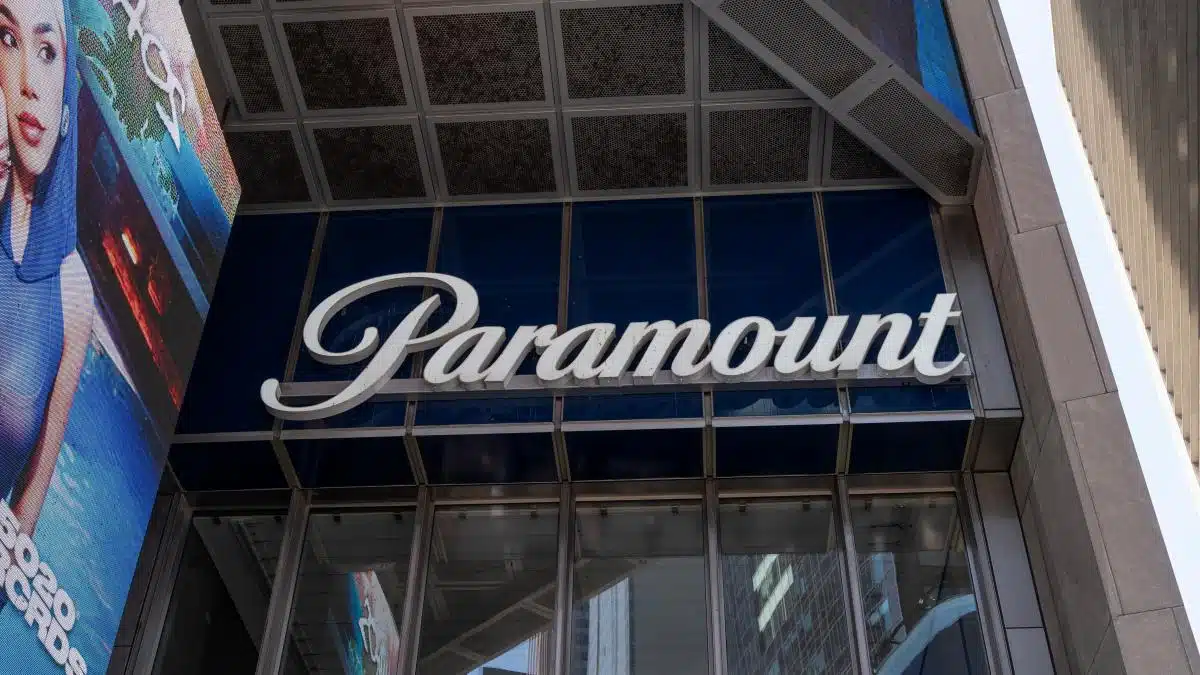
Significant shifts are rapidly reshaping both the African media landscape and Nigeria's financial sector, driven by global corporate restructuring and stringent regulatory interventions. Recent announcements detail the imminent shutdown of a major media conglomerate's African operations, new restrictions on advertising for Nigerian banks, and enhanced measures to combat digital payment fraud.
After more than two decades, Paramount Africa is set to cease operations by the end of December 2025. This closure, affecting South Africa and Nigeria, is part of a massive global restructuring effort by its parent company, Paramount Global. Paramount Africa, known for channels like BET, MTV, MTV Base, Comedy Central, and Nickelodeon, once reached over 100 million viewers across 52 African territories and maintained a significant digital footprint. Despite this scale, rising operational costs and a global strategic reset have led to its demise. Plans for a standalone Paramount+ app in South Africa were shelved earlier this year, and content availability was restricted to DStv and Showmax. MultiChoice has confirmed that BET Africa and MTV Base will be removed from DStv and GOtv as of January 1, 2026, marking the complete wind-down of Paramount Africa. Industry observers attribute this shutdown to aggressive cost-cutting targets — including a 15% reduction in global staff and $3 billion in savings — following Paramount's merger with Skydance, as the business pivots away from linear TV towards a streamlined, streaming-first model, with international divisions, including Africa, bearing the brunt.
This African exit by Paramount aligns with broader global media transformations, exemplified by the chaotic auction of Warner Bros. Discovery (WBD). Netflix, Paramount, and Comcast have submitted bids for WBD, with some proposals targeting its studios-and-streaming division, which includes HBO, HBO Max, DC, and Warner Bros. Pictures. Analysts predict this "crown jewel bundle" could fetch up to $70 billion, a deal poised to fundamentally reshape Hollywood and further accelerate the decline of traditional television. While consolidation excites Wall Street, it also raises concerns about potential job losses and increased concentration of media power. Both Paramount's withdrawal from Africa and the potential sale of WBD underscore a universal narrative: traditional media is undergoing rapid reconstruction, and its ripple effects are profoundly felt across the African continent.
In Nigeria's financial sector, an era of public competitive advertising has officially concluded. On November 27, 2025, the Central Bank of Nigeria (CBN) issued a new circular prohibiting banks and other financial institutions from engaging in ads that directly or indirectly "de-market" competitors. This ban extends to comparing prices, subtly criticizing rivals, or using any messaging that encourages customers to switch away from competing services. The directive also explicitly forbids advertisements promoting lotteries, prize draws, or any chance-based incentives, a tactic previously employed by some fintechs to attract new users. The CBN states that this move aims to enforce stricter compliance with the Consumer Protection Regulations (2019) and established guidelines on advertising conduct, effectively ending the kind of viral #BankWars seen on social media in 2018 where financial institutions openly engaged in witty, competitive banter.
This regulatory shift puts significant pressure on financial service providers whose marketing strategies previously relied on clever comparisons or direct competitive callouts. For instance, Cenoa's 2024 campaign, which starkly compared its rates with those of Grey, Chipper Cash, and Payoneer, would now fall afoul of these new rules. With these regulations in force, Nigerian banks and fintechs are compelled to fundamentally rethink their communication strategies, focusing on highlighting their unique value propositions without resorting to competitive disparagement or promotional lotteries.
Further bolstering its efforts to safeguard the financial ecosystem, the Central Bank of Nigeria has unveiled new draft guidelines designed to combat the surging problem of push-payment fraud. These scams, where individuals are deceptively tricked into transferring funds to fraudsters, have become increasingly prevalent and costly amidst the explosion of digital payments nationwide. This initiative forms part of the CBN’s broader campaign against financial fraud, which has recently included measures like mandatory geotagging for POS terminals and stricter regulations for banking agents. The proposed guidelines aim to compel banks to enhance their fraud-prevention systems and significantly improve their responsiveness to customers who fall victim to scams.
Under these comprehensive new rules, banks are mandated to establish 24/7 channels for fraud reporting, encompassing social media, mobile applications, email, and in-branch options. Victims are encouraged to report incidents within 24 hours of discovery, with an extended limit of up to 72 hours if they can provide essential investigation details. Banks must acknowledge complaints within one day, issue a unique case number, and complete investigations within 14 days. During the investigation period, banks can collaborate with the Nigerian Inter-Bank Settlement System (NIBSS) and the CBN to freeze suspicious funds. Reimbursements to customers are contingent on timely reporting and must be processed within 48 hours following the conclusion of investigations. If no single bank is directly at fault but a customer is still eligible for a refund, the involved banks are required to share the cost. Unresolved cases can be escalated to the CBN’s Consumer Protection and Financial Inclusion Department, which acts as the ultimate decision-making authority. Ultimately, bank boards bear the responsibility for implementing these regulations, monitoring fraud trends, and ensuring the effectiveness of the control measures.
These concurrent developments signify a transformative period for critical sectors in Africa, reflecting global economic pressures and the imperative for robust local regulations. From the consolidation and strategic repositioning within the international media industry impacting African viewership to the decisive actions by Nigeria's Central Bank to reshape financial marketing ethics and fortify defenses against digital fraud, the continent is experiencing profound ripple effects that are redefining how businesses operate and how consumers engage with services.