Telecom Turbulence: CBN, NCC Tackle Failed Airtime & Data Transactions Amid Outage Woes
The Central Bank of Nigeria and the Nigerian Communications Commission are implementing a joint framework to resolve failed airtime and data transactions. This initiative will introduce instant reversals, standardized resolution times, and automated refund processes to address consumer complaints. A central monitoring dashboard and strict compliance measures will ensure accountability across the financial and telecommunications ecosystems.
The Central Bank of Nigeria (CBN) and the Nigerian Communications Commission (NCC) are collaborating on a joint national framework to address the prevalent issue of failed airtime and data purchase transactions. This initiative stems from a rise in consumer complaints regarding unsuccessful purchases where customers are debited without receiving the intended value.
The proposed exposure draft, dated February 5 and recently released, aims to establish clear accountability, standardize resolution timelines, and implement an automated, end-to-end refund process across Nigeria’s financial and telecommunications sectors.
Developed through the joint efforts of the CBN’s Consumer Protection and Financial Inclusion Department, the NCC’s Consumer Affairs Bureau, mobile network operators (MNOs), banks, payment service providers, and other industry stakeholders, the framework seeks to streamline transaction reversals and enhance consumer protection.
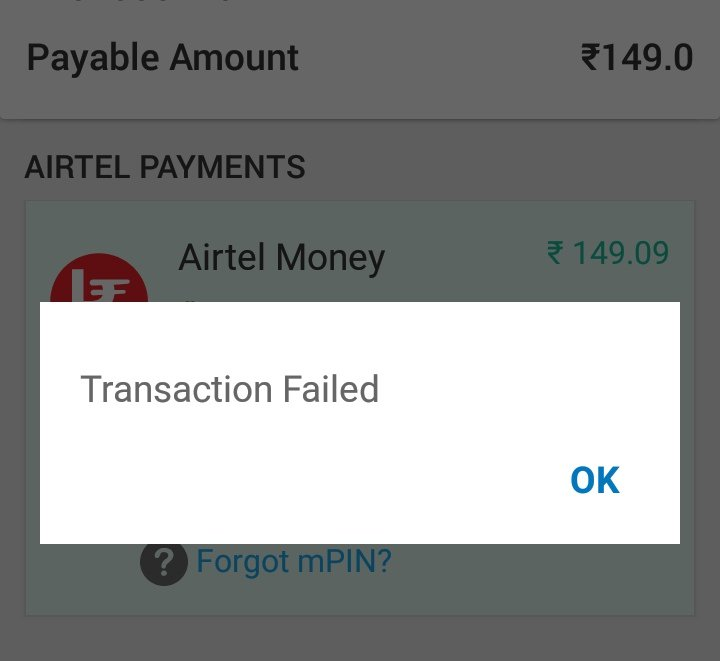
Under the new guidelines, failed airtime or data transactions—defined as instances where a subscriber's account is debited without the successful delivery of airtime or data—will trigger instant reversals. Refunds are expected to occur in real-time or within seconds of a confirmed transaction failure.
The framework introducesunified Service Level Agreements (SLAs), common error codes, and automated reconciliation processes to eliminate the significant delays that have historically plagued such transactions, often stretching into days or weeks. This standardized approach is designed to ensure swift and efficient resolution for consumers.
The CBN's Director of Consumer Protection and Financial Inclusion, Aisha Isa-Olatinwo, highlighted key causes of transaction failures, including network downtime, inadequate real-time visibility across the value chain, insufficient airtime or data stock held by aggregators, system integration gaps, and errors arising from ported or invalid phone numbers.
To counteract these challenges, the guidelines mandate stakeholders to deploy end-to-end transaction visibility tools, validate phone numbers against the mobile number portability database before vending, and limit repeated debit attempts. Additionally, the regulators propose the creation of real-time transaction codes and automated notifications to improve transparency and tracking.
The framework assigns specific responsibilities to banks, MNOs, NCC-authorised licensees, and merchants. These responsibilities include mandatory customer notifications for both successful and failed transactions and automated reversals that do not require customer intervention. In the event of a failed transaction, banks, aggregators, or MNOs must activate immediate status updates and process refunds.
For transactions classified as pending, a maximum resolution window will apply, after which an automatic reversal must occur without customer intervention.
The framework prioritizes consumer experience by mandating real-time transaction alerts with clear reference codes for tracking across banks and telecom platforms. This is intended to eliminate uncertainty and reduce frustration for subscribers.
To drive compliance, the CBN and NCC plan stricter monitoring and sanctions for stakeholders that breach agreed SLAs or allow repeated unresolved failures. The regulators say this is crucial to protecting consumers and restoring trust in Nigeria’s digital payment ecosystem.
Stakeholders have been invited to submit feedback on the exposure draft. If adopted, the framework will shift responsibility for failed airtime and data transactions away from consumers and enforce faster, automated refunds nationwide.