How Did Art Become So Undervalued in Contemporary Nigerian Society?
From the Benin Bronzes to contemporary Nigerian artists, see how colonial influence and changing values have weakened Nigeria's culture of appreciating and buying art.
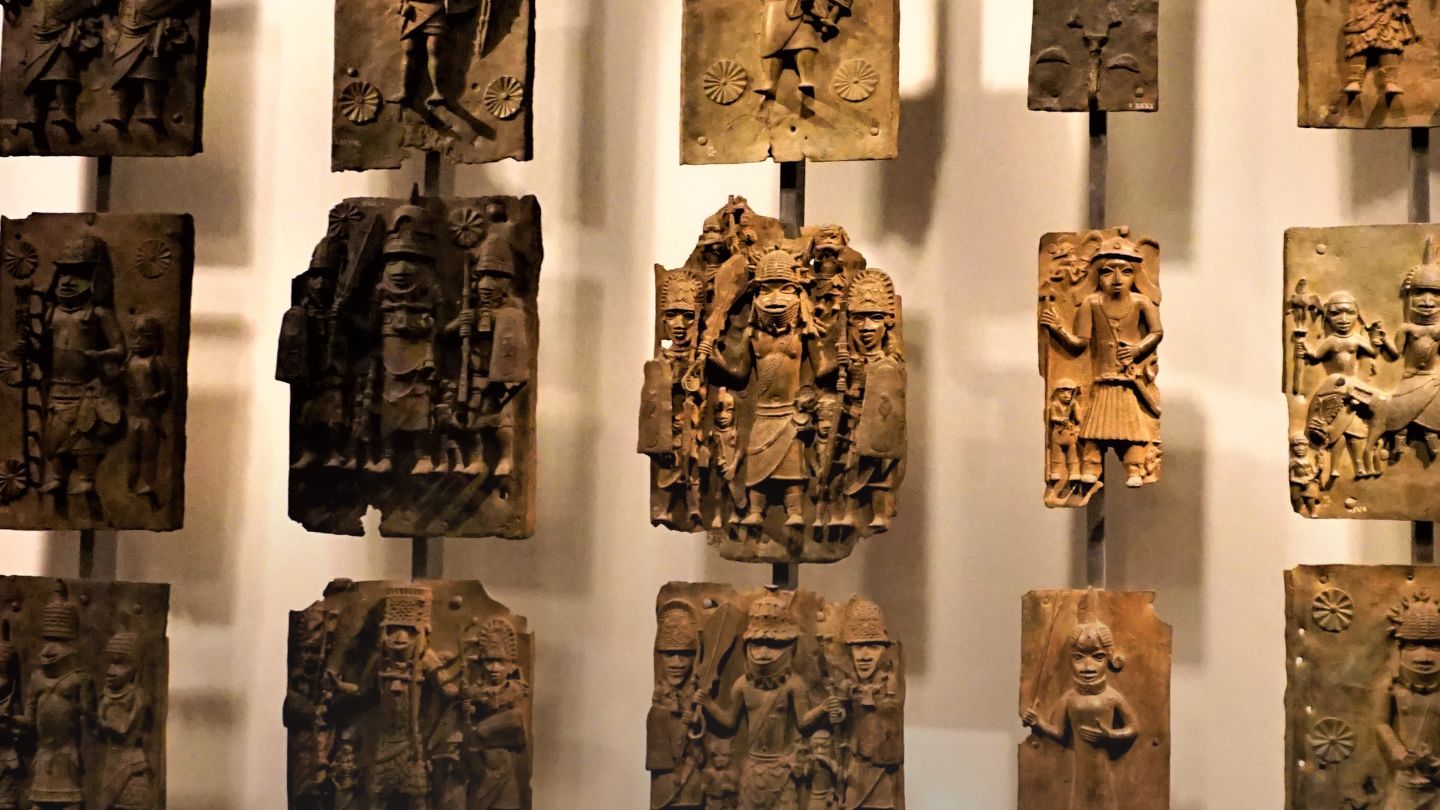
In the 15th century, an Oba of Benin did not ask artists to prove themselves with exposure. He gave them a street. Art was held in high regard.
Oba Ewuare is credited with bringing bronze casters under the palace's care, where they became a guild with their own quarter, a hereditary craft and a patron who needed everything they made.
Today, a brass caster in that same city is more likely to sell to a tourist than to a neighbour. Something broke between then and now, and it was not the talent.
Art in Pre-Colonial Nigeria Was Never Decoration
The Benin Bronzes were a record of the kingdom. Plaques lined palace pillars. They told the story of wars, trade, and the line of Obas.
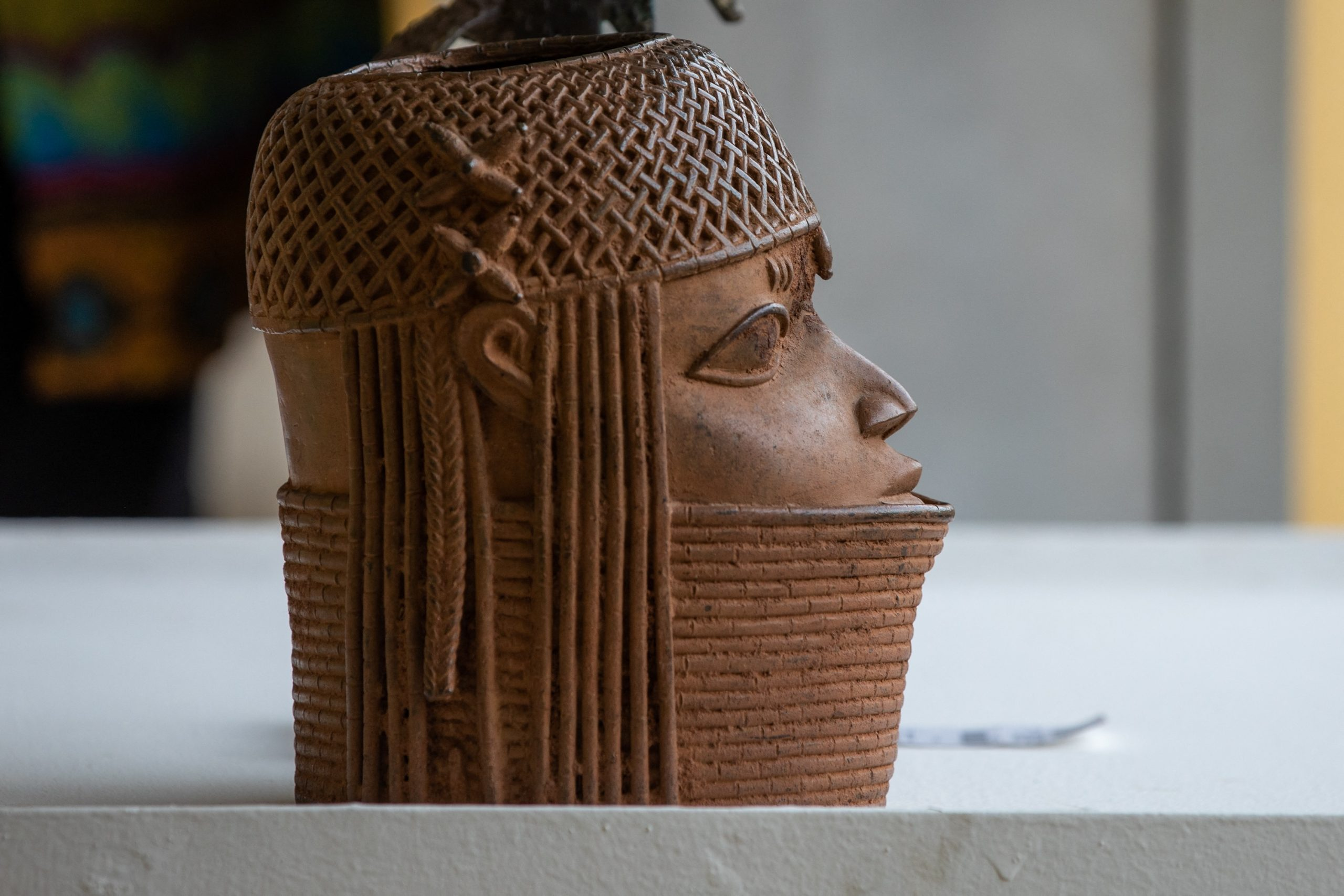
Commemorative heads sat on ancestral altars. Ivory carvings and brass cast figures marked rank and memory. An Oba who commissioned this work was writing history in metal.
Patronage was a royal duty. Kings understood that a kingdom without art had no memory, and that the people who made art deserved protection, wages and status.
Ife Bronze, Igbo-Ukwu and Nok: Ancient Nigerian Art Was World Class
The Ife heads, made between the 12th and 15th centuries, are so naturalistic that European scholars who first saw them struggled to believe Africans had made them—a white supremacist mindset.
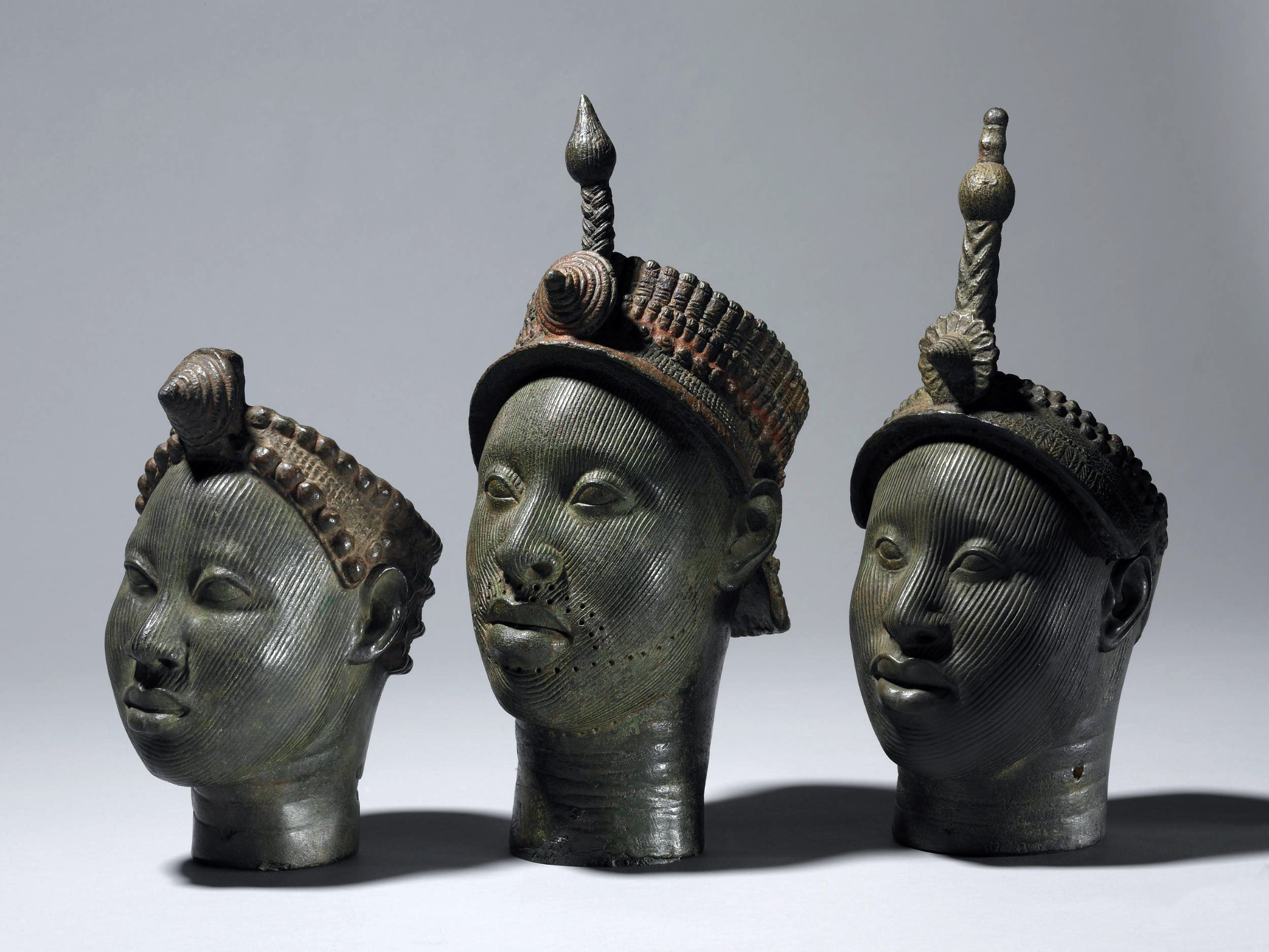
The lost-wax technique behind them was sophisticated metallurgy. The Igbo-Ukwu bronzes, dated to around the 9th century, show intricate detail that still astonishes conservators.
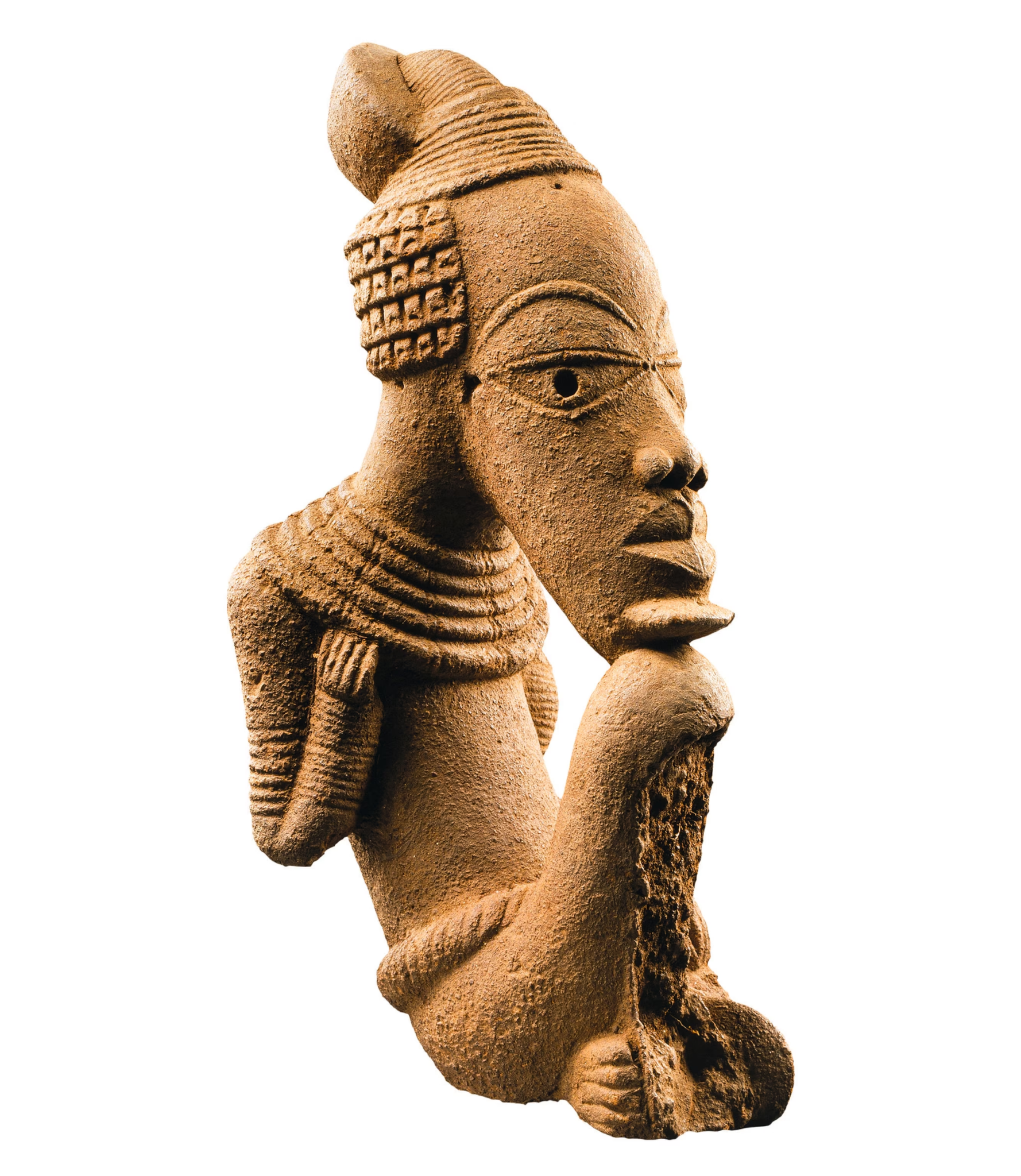
The Nok terracottas stretch back even further, among the oldest sculptural traditions in sub-Saharan Africa.
Culture
Read Between the Lines of African Society
Your Gateway to Africa's Untold Cultural Narratives.
All these had societies that funded skill, trained apprentices across generations and treated the artist as essential.
Yoruba palaces carried carved wooden doors and veranda posts by master carvers like Olowe of Ise, whose work kings competed to own. Masquerades, pottery, textiles and carved calabashes filled everyday life.
Art was a normal part of living well.
Why the Average Nigerian Does Not Buy Art Today

Ask the average Nigerian whether they would spend money on a painting, and the answer would often be: for what?
A painting does not light the house, pay school fees or fix the generator. In a country where survival costs are brutal, art is filed under luxury, and luxury is filed under later.
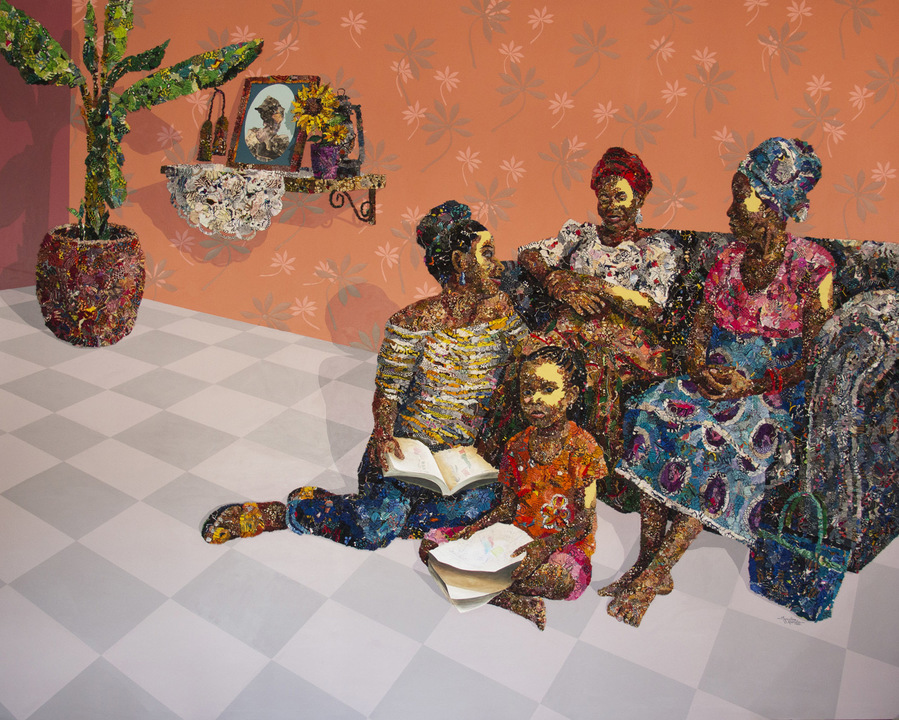
That is a valid economic explanation. But it still does not explain why the same person will spend heavily on aso ebi, owambe, hair, and a new phone.
It is proof that the money indeed exists. But what has changed is the value system.
Colonial education taught generations to treat indigenous art as primitive, religious art as fetish, and imported décor as sophistication.
Many homes now carry mass-produced prints or nothing at all, while a local artist's canvas is haggled down.
Artists feel it daily. They are asked to design for free, paint for exposure and discount work that took weeks. A society that expects art to be cheap has forgotten that kings once paid for it in status and security.
How European Culture Built a Habit of Buying Art
The contrast with Europe is sharp. Renaissance Italy turned patronage into prestige. Wealthy families commissioned painters and sculptors, and owning art signalled taste, education and power.
Culture
Read Between the Lines of African Society
Your Gateway to Africa's Untold Cultural Narratives.
Over centuries, that habit spread beyond royalty. The middle class bought portraits, landscapes and prints.
Governments built galleries and funded museums. Schools taught art history as a serious subject.
The result is a culture where buying art is a normal milestone, like owning a home. Many European households hang original work, however modest, and collecting is treated as an investment in both beauty and value.
Ironically, part of that European art habit was fed by Africa. The 1897 British expedition against Benin carried thousands of bronzes and ivories out of the palace, and many sit in European museums today.
Europe valued Nigerian art enough to take it. Nigerians, meanwhile, were taught to forget why it mattered.
The Global Art Market Already Knows What Nigerian Art Is Worth
Nigerian art is not undervalued everywhere. Ben Enwonwu's portrait of Tutu was rediscovered in a London flat and sold at auction for over a million pounds in 2018.
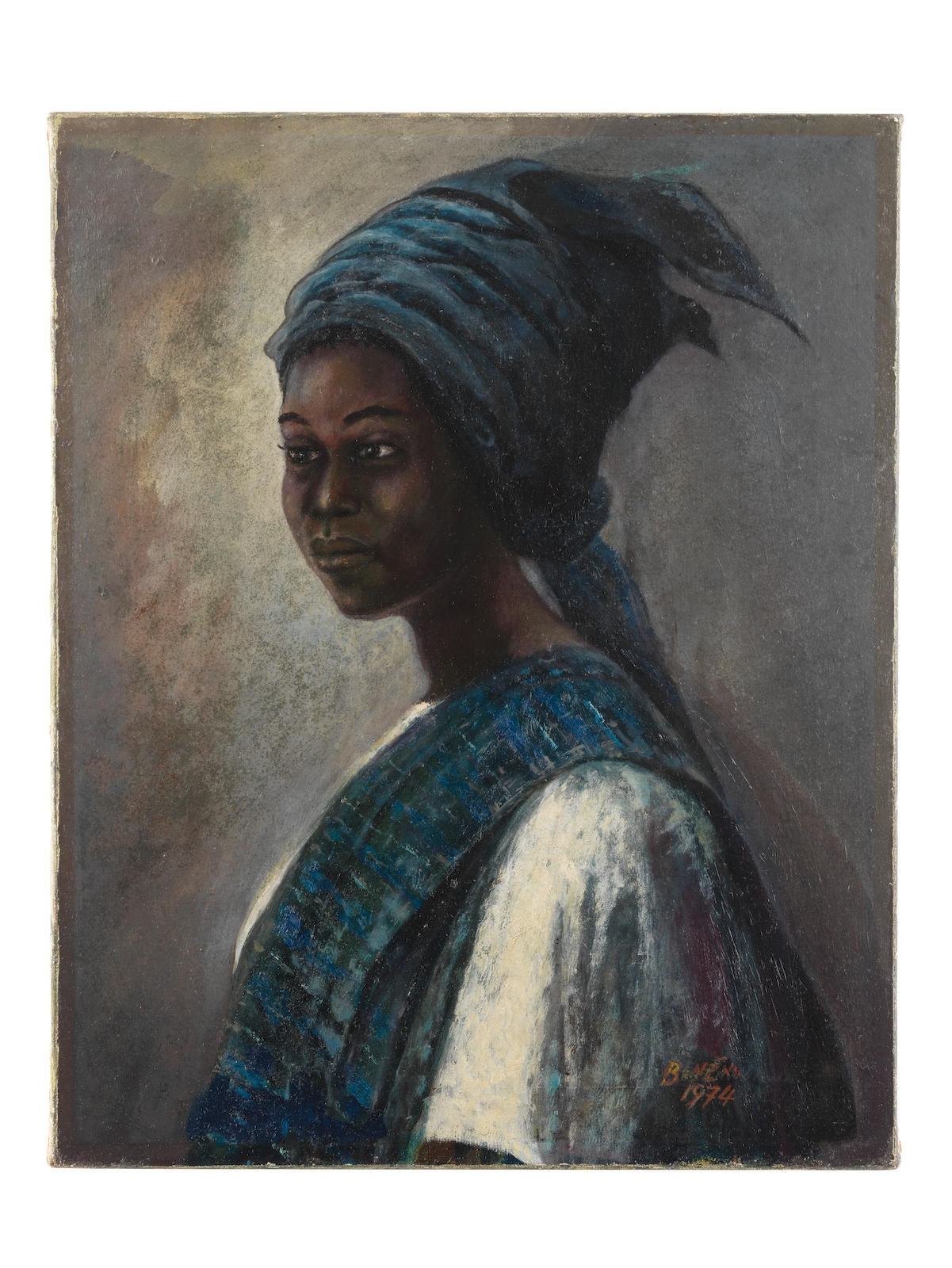
Contemporary Nigerian artists now show in major international galleries, and collectors abroad chase them.
The painful point here is that value is often confirmed overseas before it is recognised at home. We export the validation and import the prices.
What Nigerians Can Do to Value Art Again
You do not need to have a gallery budget to buy art. It can begin with commissioning a local painter for a living room wall, buying prints from emerging artists, visiting exhibitions, or paying fairly for design work without the usual bargaining.
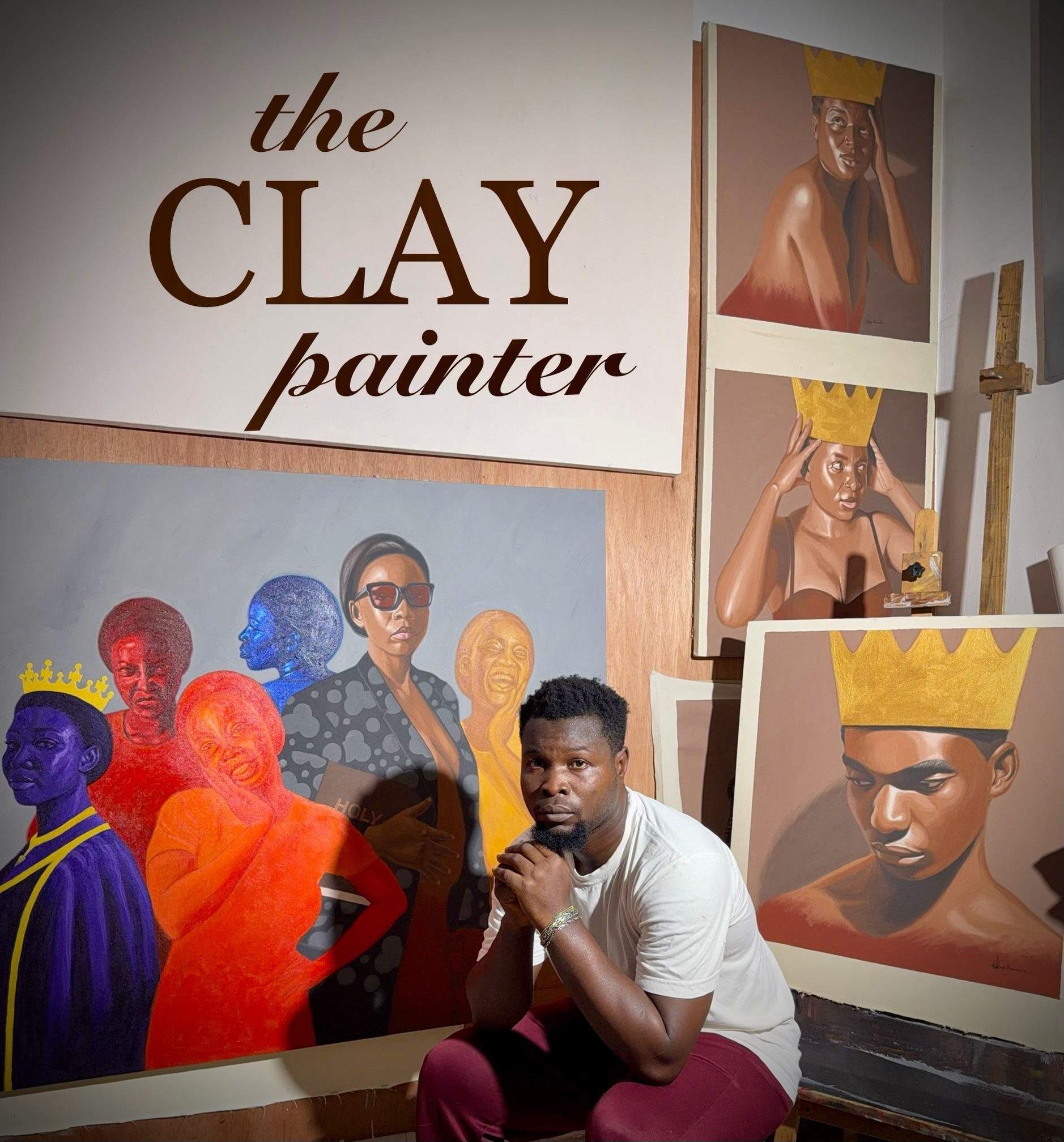
Schools can restore art as a serious subject. Companies can decorate offices with Nigerian work instead of imported stock. Families can treat a good painting as an heirloom.
Culture
Read Between the Lines of African Society
Your Gateway to Africa's Untold Cultural Narratives.
It also means changing how we talk. Calling an artist's work a hobby is an inherited habit.
Valuing Nigerian Art Is a Return, Not an Import
Respecting art is an old Nigerian habit we dropped, not a Western idea.
Kings in Benin, Ife and Oyo built entire systems to protect their artists because they understood what art does for a people.
When we shrug at a painting today, we are not being practical or modern. We are behaving like strangers to our own history, and that behaviour, however common now, was never ours.