Beyond the Headlines: Five Nigerian Women Lost to Gender-Based Violence
Five Nigerian women whose lives were lost to gender-based violence, and why their stories demand justice, accountability and an end to impunity.
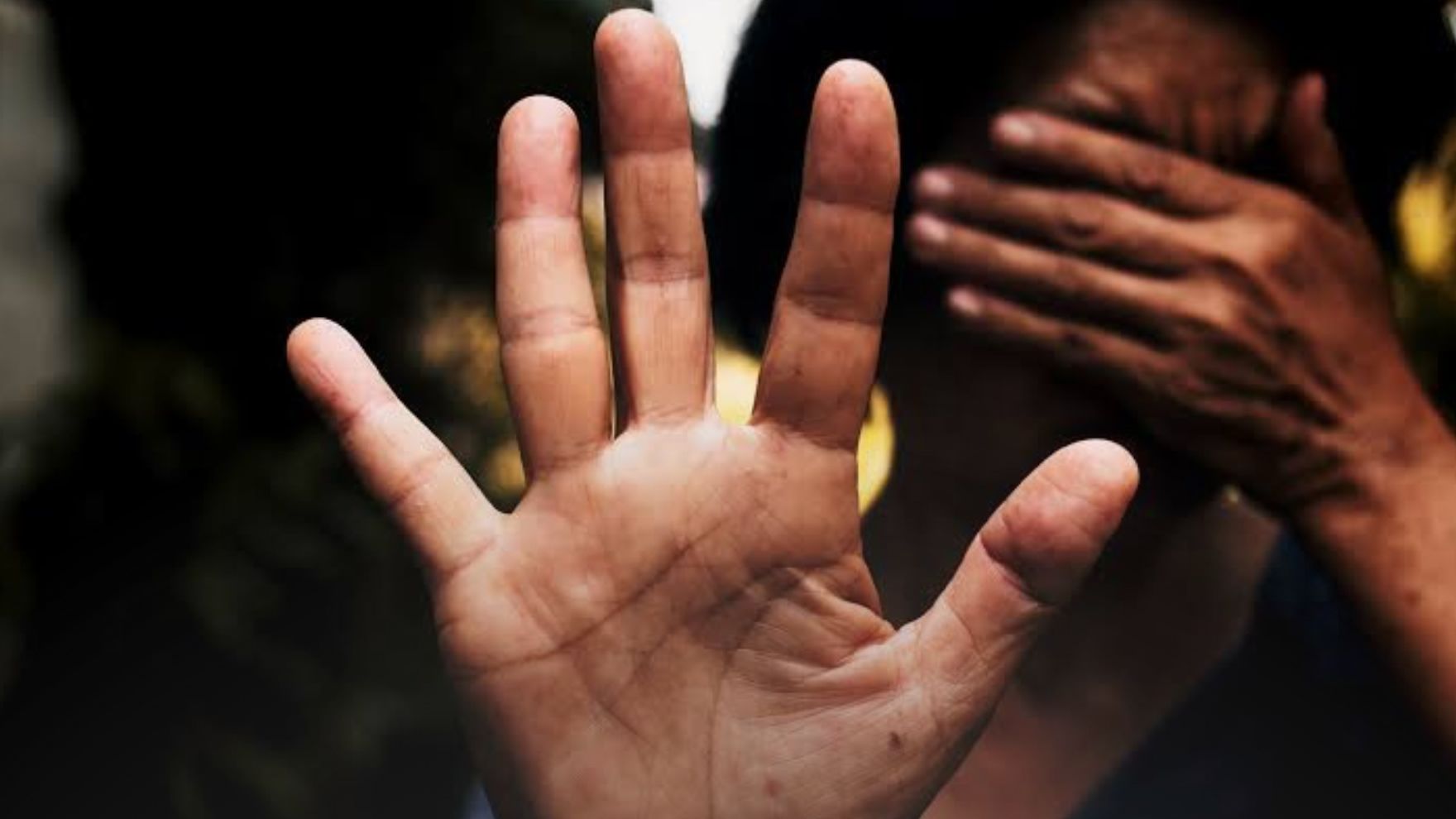
Vera was studying. Iniobong was looking for work. Bamise was on public transport. Osinachi was building a singing career. Salome was visiting a man at his home.
None of them was doing anything the society tags as “unusual”, yet all five lost their lives to gender-based violence in Nigeria.
Their stories need to be re-told as the 16 Days of Activism starts. This campaign against gender-based violence runs from November 25 to December 10 yearly. The 2026’s theme is "UNiTE to End Violence Against Women and Girls: Ensure justice, protect survivors, end impunity."
Femicide in Nigeria follows a pattern, and these five names show how violence restricts, threatens and finally takes women's lives.

1. Vera Uwaila Omozuwa (2020): Violence Restricts Where Women Feel Safe
Vera was a 22-year-old microbiology student at the University of Benin. In May 2020, she went to study in a church—a supposed safe place—in Benin City. She was attacked, raped and struck with a fire extinguisher, and she died days later in hospital.
Her death led to the #JusticeForUwa protests and renewed demands for stronger action on sexual violence in Nigeria.
It also showed how violence shrinks women's lives. When a church, a campus or a quiet corner is unsafe, women are told to stay home, stay quiet and stay small.

2. Iniobong Umoren (2021): Violence Threatens Women's Livelihoods
Iniobong was a 21-year-old job seeker from Akwa Ibom State. She travelled to Uyo for what she believed was a job interview, but it was a trap.
She was reportedly raped and killed by the man who lured her. In a country with high youth unemployment, women often have to meet strangers for opportunities, and predators know it.
Her case shows that violence against women also threatens economic survival, because a woman should never have to risk her life to earn a living.
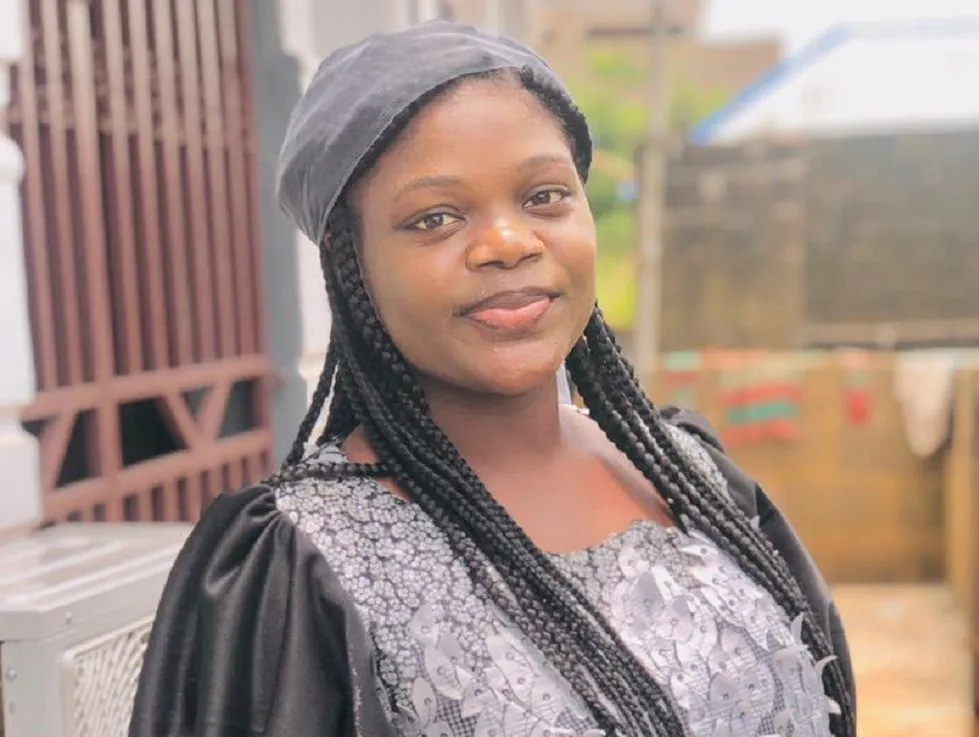

3. Bamise Ayanwole (2022): Violence Follows Women Into Public Spaces
Bamise was a 22-year-old teacher in Lagos. In March 2022, she boarded a BRT bus on her way home and never arrived. She was raped and killed by the driver.
Public transport is something millions of Nigerian women use every day. After her death, many women admitted they already plan their routes around fear, share live locations with friends and avoid certain hours.
Gender-based violence restricts freedom of movement long before it takes a life.
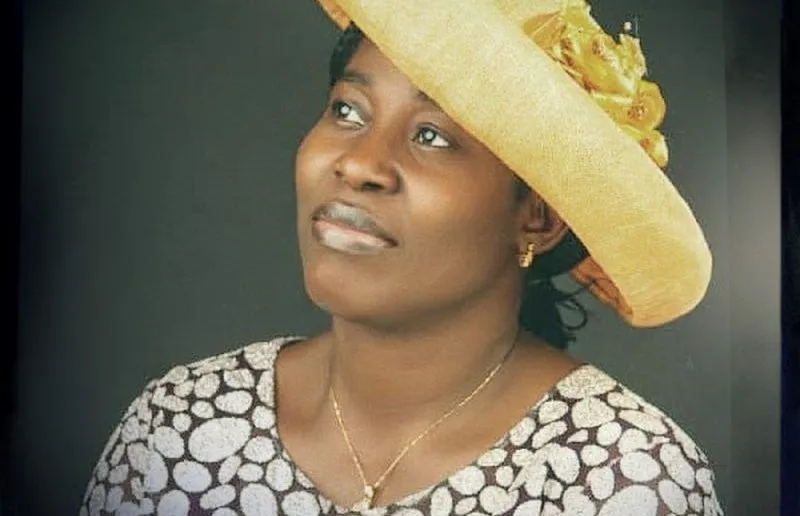
4. Osinachi Nwachukwu (2022): Violence Hides Inside the Home
Osinachi was a gospel singer, best known for her song "Ekwueme." She died in April 2022, and her family alleged that she had endured years of abuse in her marriage. Her husband was charged in connection with her death.
Her story shows another side of the danger because domestic violence in Nigeria is often hidden behind silence, religion and the pressure on women to endure.
Many survivors are urged to pray, stay and protect the family's image, while the threat grows behind closed doors.

5. Salome Adaidu (2025): Violence Ends in Brutality, and Justice Comes Late
Salome was a 24-year-old NYSC member serving in Abuja. In January 2025, she was killed and dismembered in Nasarawa State after visiting a man at his home. He was arrested, and a Lafia High Court later sentenced him to death.
Her family stood firm and demanded justice, and the case did reach a verdict.
Even so, the conviction arrives after the funeral. It cannot give Salome her future back, and it does not prove the system works for every woman.
What the 16 Days of Activism 2026 Theme Asks of Nigeria
The 2026 theme has three demands: to ensure justice, protect survivors and end impunity. These five women show why each one matters.
Cases of rape, domestic violence and femicide must be investigated and prosecuted quickly, without delays that wear families down.
Reports must be taken seriously by police, and survivors need access to shelters, counselling and legal support before violence turns fatal.
Perpetrators must know that violence has consequences. That means stronger enforcement of the Violence Against Persons (Prohibition) Act, adoption of the law across states, and a functioning sex offender register.
Safety also has to be built into everyday places. Campuses, churches, buses, workplaces and homes should not be where women are most at risk.
Remember Their Names, Then Act
Vera, Iniobong, Bamise, Osinachi and Salome were more than headlines. They were students, teachers, artists and daughters with plans that were cut short.
Gender-based violence in Nigeria restricts women's freedom, threatens their safety and, in the worst cases, ends their lives.
Over these 16 days, remembering them is only the first step. Believe survivors, challenge victim-blaming and demand accountability from institutions, so that fewer names are added to this list.