Landlocked African Countries That Depend on Their Neighbours to Trade
Without a coastline of their own, 16 African countries must move goods across borders before they can reach international shipping routes.
Some countries in the world have no coastline, meaning they cannot receive ships directly at their own seaports. To participate in international maritime trade, they have to rely on ports in other countries.
These are known as landlocked countries.
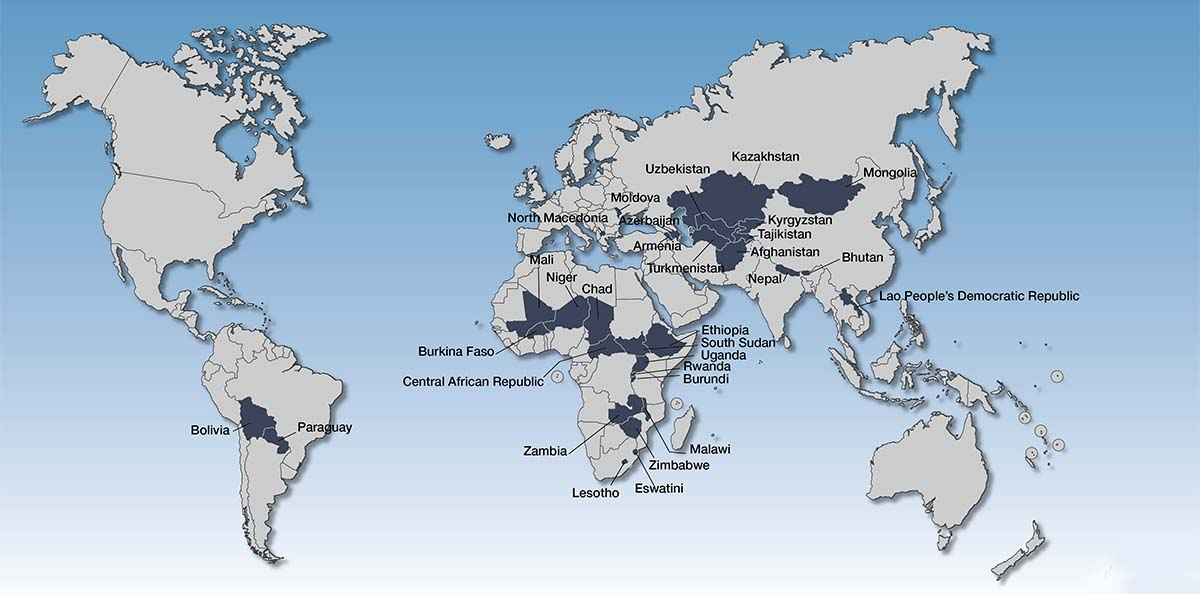
In Africa, we have 16landlocked developing countries, although they have their own economies, industries and export markets, their access to international shipping depends partly on the infrastructure of neighbouring coastal countries.
Let's dive into seeing these 16 countries and their neighbouring countries providing them access to ports and earning revenue from the movement of goods through their territories.
The 16 African countries without a coastline
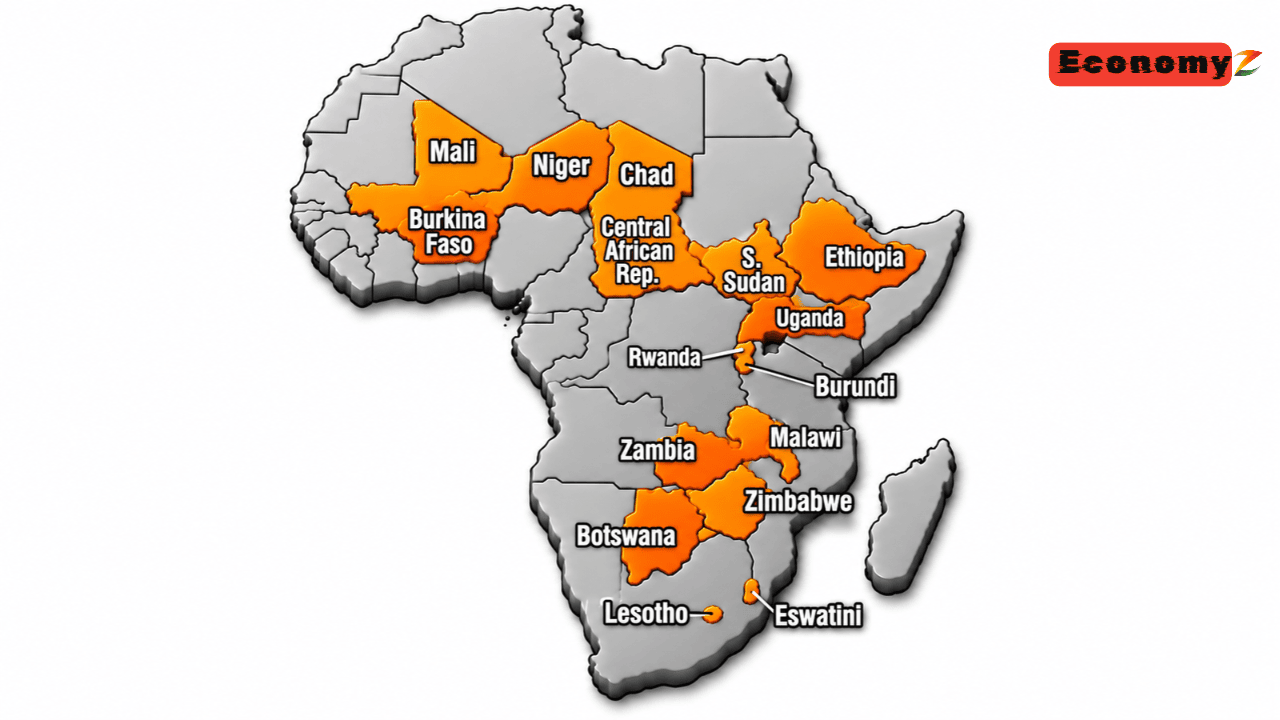
They are Burkina Faso, Mali, Niger, Botswana, Burundi, Central African Republic, Chad, Eswatini, Ethiopia, Lesotho, Malawi, Rwanda, South Sudan, Uganda, Zambia and Zimbabwe.
Although they share the absence of a coastline, their geographical positions and access to international markets differ.
Some have several neighbouring countries providing alternative routes to the sea, while others rely heavily on one particular transit corridor.
The ports connecting landlocked Africa to the world
In West Africa, Burkina Faso, Mali and Niger rely on transport corridors that connect them to seaports in neighbouring coastal countries.
Burkina Faso has access to ports in Côte d'Ivoire, Ghana, Togo and Benin. Its trade routes include the Abidjan-Ouagadougou corridor, which connects the country to Côte d'Ivoire's Port of Abidjan. Its other connections include routes to the Port of Tema in Ghana, Lomé in Togo and Cotonou in Benin.
Mali also uses several coastal gateways, including Dakar in Senegal, Abidjan in Côte d'Ivoire and Conakry in Guinea.
Niger has historically relied on ports in neighbouring countries, particularly Benin's Port of Cotonou. However, political tensions and border restrictions have affected the movement of goods along the Niger-Benin corridor, illustrating how developments in one country can disrupt trade in another.
East Africa has two major regional transport networks connecting inland economies to the sea, which are the Northern and Central Corridors.
The Northern Corridor begins at Kenya's Port of Mombasa and connects it to landlocked countries including Uganda, Rwanda, Burundi and South Sudan. It uses a combination of roads, railways and other transport infrastructure to move goods between the port and inland destinations.
Tanzania provides another important gateway through the Port of Dar es Salaam. The Central Corridor connects the port to countries including Rwanda, Burundi, Uganda, Zambia and Malawi.

Ethiopia, meanwhile, depends heavily on Djibouti for access to international maritime trade. More than 95% of Ethiopia's import-export trade by volume passes through the Addis-Djibouti corridor, according to the World Bank. The route connects the Ethiopian capital to the Port of Djibouti through road and railway infrastructure.
In Central Africa, Cameroon's Port of Douala serves as an important gateway for Chad and the Central African Republic.
TheDouala-Bangui corridor is particularly important to the Central African Republic, carrying more than 80% of its external trade.
The route stretches more than 1,400 kilometres between Douala and Bangui, making its road conditions and transport arrangements important to the movement of goods in the country.
Southern Africa has several coastal ports serving its landlocked economies. Malawi, for example, uses four major trade corridors connected to ports in Mozambique, Tanzania and South Africa.
A2026 World Bank report estimates that 41% of Malawi's trade moves through the North-South Corridor to Durban in South Africa, while 38% passes through Beira in Mozambique. Dar es Salaam in Tanzania handles 15%, while Nacala in Mozambique accounts for the remaining 8%.
Zambia and Zimbabwe also use regional transport connections to access ports in neighbouring countries. Botswana has access to regional corridors connecting it to ports such as Durban and Walvis Bay, while Lesotho and Eswatini depend heavily on South Africa's transport network and regional maritime gateways.
What it costs to trade without a coastline
Having to transport goods through another country adds expenses that businesses with direct access to seaports may not face to the same extent.
A company importing machinery into Ethiopia, for instance, must account for the cost of moving the shipment from Djibouti to its final destination. This involves transportation, customs procedures, cargo handling and other logistics services.
The same applies to exports. A Zambian copper producer or a Malawian agricultural exporter must arrange transportation to a seaport before its products can be shipped to international customers.
TheUnited Nations' research on logistics costs found that landlocked developing countries face 63% higher export logistics costs and 75% higher import logistics costs than transit developing countries. These figures cover landlocked developing countries globally, rather than Africa alone.
The additional expenses can make imported goods more expensive for businesses and reduce the competitiveness of locally produced goods in international markets.
Poor roads, inadequate railway infrastructure, lengthy customs procedures, border delays and congestion at ports can add more time and money to the movement of goods.
The business opportunities created by transit trade
The movement of goods through coastal countries also supports businesses and economic activities beyond the ports themselves.
According to aWorld Bank report, approximately 87% of the cargo handled at Djibouti's ports is in transit or re-exported to Ethiopia. The port therefore serves a market that extends far beyond Djibouti's own domestic economy.
This creates an important source of business activity for the country.