Did Africa Inherit Its Sexism? How Colonialism Changed Our Relationship With Gender
Did Africa inherit some of its sexism through colonialism? How European languages, laws and institutions may have reshaped African attitudes toward gender.
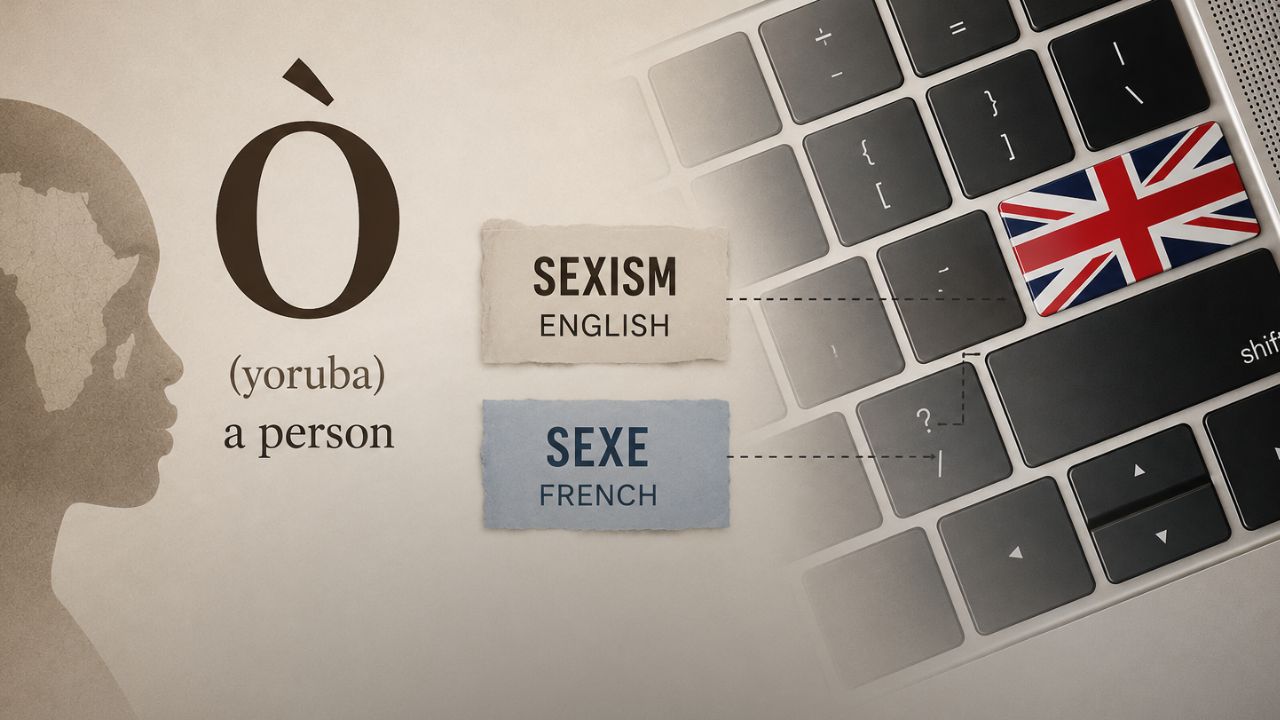
As an African who is forced to be bilingual, sometimes multilingual, because of colonialism and the demands of communicating in today's world, placing your mother tongue side by side with your official language, usually a European language or a modified version of it, you would be amused at how much sexism you have quietly been taught.
It shows up in the small things. Like in how your brain defaults the word, “doctor” to male and “nurse” for female. Titles, professions, and even ordinary pronouns that split the world into two lanes before you have said anything about the person you are describing.
Once you notice it, you cannot unnotice it, and you start to ask that uncomfortable question: how much of African sexism was actually imported?
The Language You Speak Shapes The World You See
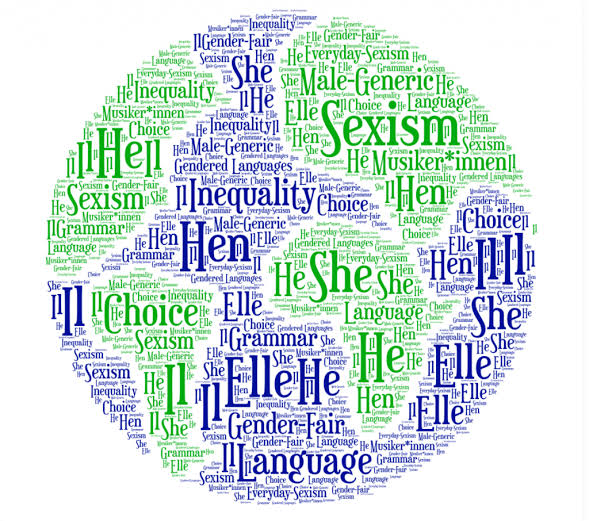
Linguists have long argued that language does not just describe reality, rather, it organizes how we think about it. When a language forces you to assign gender before you can even finish a sentence, gender becomes a mandatory category of thought.
English and French, the two most dominant colonial languages on the African continent, both build gender into their grammar and vocabulary in ways that are absolutely unnecessary.
A "chairman" implies a man is expected in the seat. An "actress" almost refers to a smaller version of an "actor."
French goes further, gendering entire nouns that have nothing to do with sex, forcing masculine or feminine agreement onto tables, ideas and countries.
None of this is neutral and signals a worldview embedded in syntax, and it was handed to Africans as the price of formal education, government employment and international relevance.
Gender-Neutral Languages Across Africa
Compare that to many indigenous African languages. Yoruba, for instance, uses "o" as a pronoun that carries no gender information at all. You do not know if the person being discussed is a man or a woman unless it is stated directly, through context, name or title.
Igbo functions similarly, as do several other Niger-Congo languages.
This means that for centuries, entire communities communicated, negotiated, traded, and told stories without needing to constantly announce the sex of the subject. Professions, achievements, and roles were not pre-loaded with gendered expectations the way they are in English or French.
A farmer was a farmer. A trader was a trader. A ruler was a ruler, and in more than a few precolonial societies, that ruler could be a woman without the title itself needing to change to accommodate her.
How Colonial Grammar Rewired African Thought
When European powers colonized the continent, they did not just draw new borders and extract resources, they also imposed new administrative and educational systems built entirely on their own language structures.
Missionary schools taught children to read and write in English and French, and with those languages came an entire gendered logic that many African societies simply did not operate on before.
Bureaucracies were staffed using colonial job titles that assumed maleness as the default. Legal systems, inherited almost wholesale from Europe, encoded women as dependents rather than independent legal actors, mirroring the coverture laws of nineteenth century Britain and France.
Over generations, this borrowed framework got into everyday thinking, until gendered hierarchy started to feel indigenous, even though the vocabulary that carried it was not.
Precolonial Gender Systems Were Different
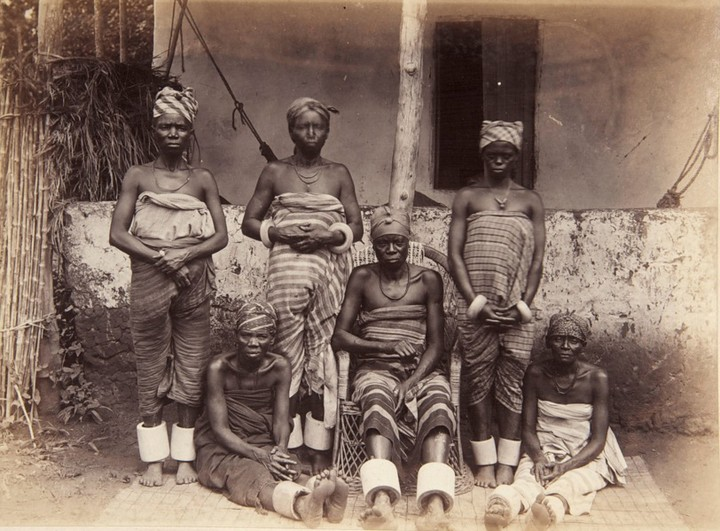
This is not a claim that precolonial Africa was a feminist paradise. Patriarchal structures existed in various forms across the continent long before European contact, and it would be dishonest to erase that.
However, interrogating the specific shape and intensity of the sexism that exists in African societies today, and how much of that shape was imported wholesale rather than developed locally, is valid.
Several historians and anthropologists studying precolonial gender systems in West Africa, for example, have pointed to more fluid and situational forms of gendered organization, where women held economic, spiritual, and political power that colonial administrators actively worked to dismantle because it did not fit their own gender expectations.

Colonial governments frequently refused to recognize female chiefs, market queens or spiritual leaders and replaced them with male appointees because that matched the administrators' own cultural assumptions about who could hold authority.
The sexism did not arrive from nothing. In many cases, it arrived specifically to overwrite systems that were more balanced than the ones being imposed.
Reclaiming A Gender-Neutral Linguistic Inheritance
When you return to a language like Yoruba or Igbo, you would notice how effortlessly it resists the gendered defaults that English trains into you. It suggests that gender neutrality was not a foreign, imported and a twenty-first century feminist invention that Africans need convincing to adopt.
In many ways, it was already there, embedded in the grammar long before the word "gender-neutral" existed in the vocabulary of activism.
It is ironic that African societies are sometimes accused of being behind on conversations about gender equity, when some of their own indigenous languages were structurally ahead of the very languages used to level that accusation.
Rethinking Sexism As A Colonial Import
None of this erases the real, present-day sexism that exists across African countries, and it should not be used to dodge accountability for it.
However, understanding its layered origin matters. If a meaningful portion of the gendered hierarchy in African societies was absorbed through colonial language, colonial law, and colonial administration rather than grown organically from indigenous tradition, then undoing it is not a betrayal of African culture.
It could be argued that it is closer to a return to it. Speaking these older languages, listening to how they refuse to force gender into every sentence, might be one of the more overlooked tools for imagining a less sexist African future, one that does not need Europe as its grammar teacher anymore.