“How Afrobeats is Shaping Africa’s Culture, Economy, and Global Presence”
Afrobeats has become a cultural home for Africans in the diaspora. More than just music, it acts as a bridge to home — carrying language, memory, and identity across borders. For younger generations, it offers a fresh way to reconnect with their roots, creating shared spaces where culture is felt, celebrated, and kept alive.

Afrobeats has grown from a regional sound into a global movement, but its most powerful impact has been felt at home. Beyond charts, awards, and international recognition, Afrobeats has played a major role in reshaping African identity, culture, and economic opportunity across the continent.
The genre is reshaping how Africa is perceived—both by the world and by Africans themselves—by offering a modern, vibrant narrative of resilience, joy, and success. Afrobeats has moved African identity away from monolithic, often negative, stereotypes, instead presenting a diverse, confident, and modern "Afro-eccentric" outlook.
It fosters a sense of belonging among young Africans, acting as a "heartbeat of a generation" that connects with its heritage through language, fashion, and rhythm. For decades, African music often had to adapt to Western standards to gain attention.
Afrobeats reversed this trend by centering African rhythms, languages, and storytelling without dilution. Artists embraced local dialects, indigenous sounds, and everyday realities, presenting them with confidence.
This shift restored cultural pride, especially among young Africans, who began to see their identities as powerful rather than limiting. The unapologetic use of English, Pidgin, Yoruba, and other local languages has turned African dialects into a form of "weaponized assertion" of Africanity, making it "cool" to express African culture globally.
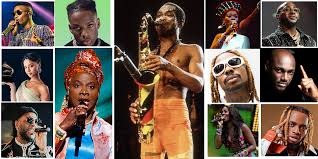
It hasartists like Tems and Arya Starr challenging Eurocentric beauty and cultural standards, bringing diverse representations of skin tones, fashion, and style to the mainstream.
A Unifying Cultural Force
Afrobeats helped bridge divisions across the continent. Despite differences in language, history, and geography, the music created a shared cultural experience.
Collaborations between artists from different African countries strengthened cross-border connections, while audiences across regions embraced the sound as their own.
In many ways, afrobeats achieved a sense of unity that political and economic efforts struggled to establish. Their work has propelled afrobeats into mainstream global music, fostering a cross-cultural exchange that elevates African artistry and challenges entrenched stereotypes.
Nigeria has reached a defining cultural moment, as afrobeats commands the full attention of global audiences.
Transforming Youth Culture
The influence of afrobeats extends deeply into the youth lifestyle. It reshaped fashion trends, nightlife, language, and social expression. Lyrics reflected ambition, love, struggle, and joy, mirroring the realities of young Africans.
Music videos showcased vibrant cities and confident narratives, helping redefine what success and self-expression look like within the continent.
With this, youths have the opportunity through afrobeats which have unlocked new economic opportunities as the rise of the genre has created jobs across the creative ecosystem, including production, visual arts, event management, fashion, and digital marketing.
Concerts, festivals, streaming platforms, and brand partnerships expanded the entertainment economy, proving that music could be a viable and sustainable industry within Africa.
Redefining Global Perception

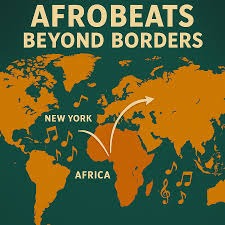
Globally, afrobeats shifted how Africa is perceived. For years, dominant narratives about the continent focused largely on hardship, struggle, and dependency.
Afrobeats offered a powerful counter-narrative, presenting Africa as modern, creative, confident, and culturally rich. Through sound, visuals, and storytelling, the genre showcased vibrant cities, evolving fashion, nightlife, and everyday joy.
African artists began filling international arenas, headlining major festivals, and collaborating with global superstars — not as guests, but as equals.
Importantly, they did this while staying rooted in their cultural identity, blending local languages, rhythms, and traditions into music that resonated worldwide. In doing so, Africa stopped waiting to be interpreted or explained by others.
Through afrobeats, the continent claimed control of its image and told its own story on the global stage.
Shifting Power Dynamics in the Music Industry
Afrobeats changed the relationship between African artists and the global music industry. Rather than relying solely on Western validation, many artists built strong local audiences before expanding internationally.This allowed African creatives to negotiate partnerships from positions of strength and retain greater control over their music and brand identities.
The success of afrobeats inspired confidence across other creative sectors. Fashion, film, dance, digital content, and storytelling flourished alongside the music. The genre demonstrated that African creativity could resonate globally without losing its roots, encouraging innovation across industries.
Artists such as Davido, Wizkid, Burna Boy, Runtown, P-Square, Timaya, and Rema have been at the forefront of redefining the music industry, using afrobeats to shift the balance of influence and reshape global music trends.
A Cultural Home for the Diaspora
For Africans in the diaspora, afrobeats became more than music — it became a bridge back home. In cities across Europe, North America, and beyond, the sound created familiar spaces where culture could be felt and shared.Through lyrics, rhythms, and language, afrobeats carried memories of home, family, and community, offering comfort and connection across distance.
For younger generations born or raised outside the continent, the genre became a gateway to cultural rediscovery. It sparked curiosity about language, history, and identity, allowing them to reconnect with their roots in a way that felt natural and current.
Festivals, clubs, and online communities built around afrobeats turned into cultural meeting points, reinforcing a shared sense of belonging and reminding the diaspora that home was never truly out of reach.
Afrobeats has done more than entertain; it has transformed mindsets. It reinforced the idea that African stories, sounds, and identities have global value. By reclaiming narrative control and fostering unity, creativity, and economic growth, afrobeats has permanently altered the cultural landscape of the African continent.
“Today, afrobeats stands not just as a genre of music, but as a statement of confidence — a reminder that Africa’s voice is strong, original, and impossible to ignore.”